

Passing drug tests in 2026 requires more than luck or a last-minute detox drink. Hair follicle testing is the most demanding form of workplace drug screening, capable of detecting marijuana and other substances for up to 90 days. Federal policy updates, including the DOJ’s rescheduling of certain marijuana products and new DOT compliance rules effective June 2026, have made the testing environment stricter, not more forgiving. Your best strategy combines complete abstinence, precise timing, and a clear understanding of how hair testing actually works at the biological level.
How does a hair drug test work and why is it hard to beat?
Hair follicle testing is defined as a method that analyzes drug metabolites locked inside the hair shaft itself, not on the surface. When you use a substance, metabolites circulate through your bloodstream and get incorporated into the hair follicle as the hair grows. This process takes 5 to 10 days after use, which means very recent use may not yet appear in a sample but anything before that window is preserved in the hair structure.
Labs collect a 1.5-inch segment cut from the root end of your hair, which corresponds to roughly 90 days of growth. The standard detection window is approximately 90 days, making hair testing far more revealing than urine or saliva tests. The screening process uses ELISA immunoassay first, then confirms positives through GC/MS or LC/MS/MS analysis. These confirmation methods are highly accurate and difficult to dispute.
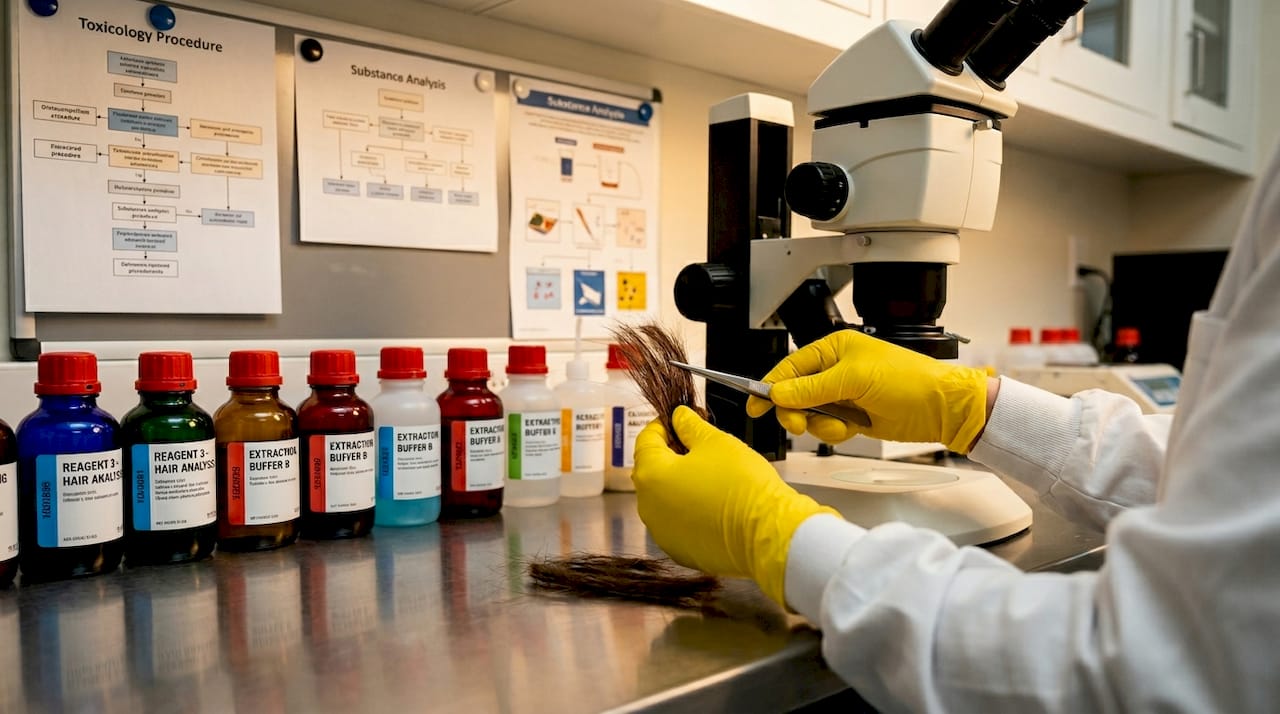
Here is what makes hair testing particularly tough: labs soak the sample in solvents before testing specifically to strip away any external residue. That step removes surface contamination from environmental exposure or topical products. What remains are the metabolites embedded inside the cortex of the hair shaft, and those cannot be washed out with shampoo or any external treatment.
Pro Tip: Hair color matters more than most people realize. Darker hair binds drug metabolites more strongly due to higher melanin content, meaning people with dark hair may face longer detection windows for substances like cocaine and opioids. If you have dark hair, add extra time to your abstinence plan.
| Biological Factor | Effect on Test Outcome |
|---|---|
| Hair growth rate | Approximately 1 cm per month; slower growth extends the detection window per inch |
| Melanin content | Darker hair binds metabolites more strongly, increasing detection likelihood |
| Frequency of use | Heavier, more frequent use embeds higher metabolite concentrations |
| Hair length | Longer samples can reveal use beyond 90 days if older segments are included |
Understanding this biology is not just academic. It directly shapes every preparation decision you make, from when to stop using to whether trimming your hair has any real benefit.
What are the 2026 federal and DOT policy changes you need to know?
The DOJ formally began rescheduling certain marijuana products in 2026, moving them from Schedule I to Schedule III under the Controlled Substances Act. Many people assumed this would create a legal defense for positive drug test results. It does not. DOT rules are firm: medical marijuana does not excuse a positive drug test result under any circumstances.
The gap between federal rescheduling and workplace testing reality is significant. DOT Medical Review Officers cannot mark a marijuana positive as negative based on a state medical marijuana card. The reason is straightforward: DOT standards require federally legal controlled substance prescriptions, not state-level authorizations. A state card carries no weight in a DOT-covered test.
Additional 2026 policy changes affecting drug testing include:
- New DOT observed collection rule: Effective June 10, 2026, directly observed urine collections are required when oral fluid testing is unavailable, tightening chain-of-custody procedures.
- No medical card defense: State-licensed medical marijuana users in DOT-covered roles face the same consequences as any other positive result.
- Urine validity testing: Federal urine testing standards include creatinine and pH checks, meaning sample tampering is flagged automatically and triggers a retest demand.
- Non-DOT employers: Some non-DOT workplaces may apply more flexibility regarding state marijuana laws, but you must confirm your test type before assuming any leniency.
The practical takeaway is this: confirm whether your employer’s test is DOT-mandated before making any assumptions about policy protections. If it is DOT-covered, treat the rules as absolute. If it is not, research your specific employer’s written policy and your state’s workplace marijuana statutes.
What timeline and steps should you follow to pass a hair drug test?
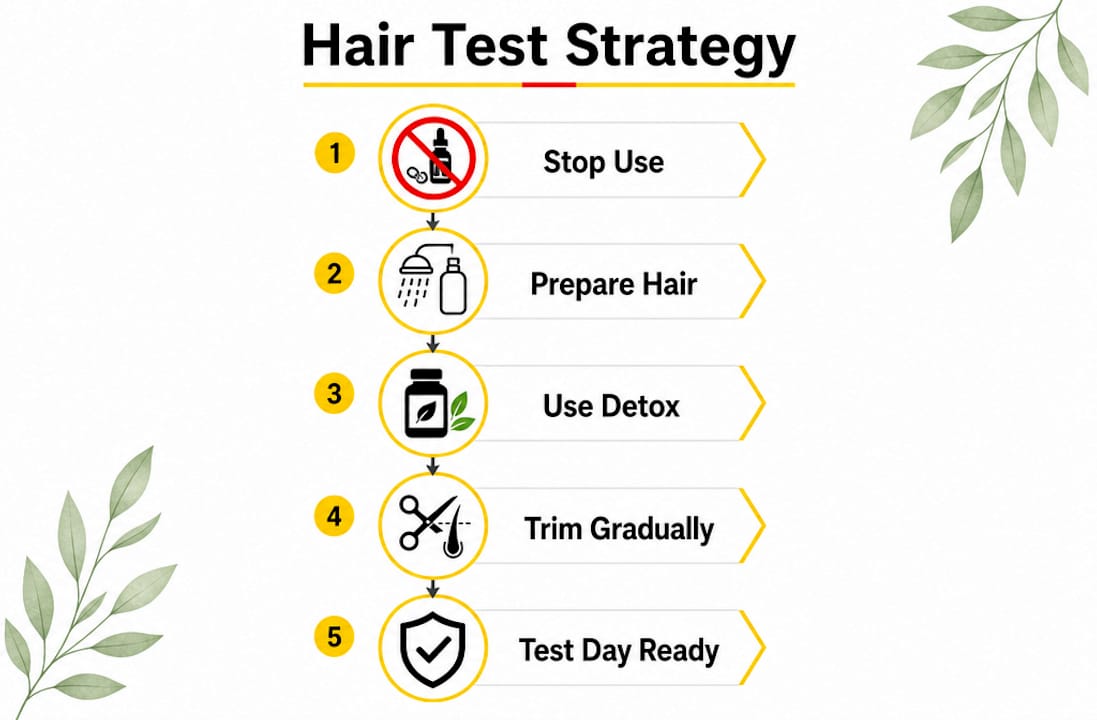
The only reliable preparation method is complete abstinence combined with enough time for clean hair to grow past the 1.5-inch collection point. No product or protocol replaces this foundation. Here is the step-by-step approach that gives you the best chance of a clean result.
-
Stop all use immediately and permanently. The moment you know a hair test is coming, stop. Every day of continued use adds more metabolites to your hair. There is no partial credit for reducing use.
-
Calculate your detection window. A 1.5-inch sample covers roughly 90 days. Add the 5 to 10 day incorporation delay, and your effective window is closer to 100 days from your last use. Use that as your minimum target. For a 90-day THC test, you need at least 100 days of clean growth to be confident the collected segment is free of metabolites.
-
Mark your last use date clearly. Write it down. Count forward 100 days. That is your earliest safe test date. If your test is scheduled before that window closes, you are working against the biology of your own hair.
-
Consider gradual trimming. As clean hair grows in from the root, the contaminated older hair moves toward the ends. If you trim the ends gradually over time, you reduce the proportion of contaminated hair in any future sample. This works best when combined with sufficient abstinence time, not as a standalone tactic.
-
Avoid relying on shampoos or cleanses alone. External washes reduce surface contamination but cannot penetrate the hair cortex. Using a detox shampoo as part of a broader plan is reasonable. Using it as your only strategy is not.
-
Confirm the collection site and sample length. Some labs collect body hair if head hair is too short. Body hair grows more slowly and can reflect a longer use history. If you have shaved your head, expect body hair collection.
Pro Tip: If you are facing a test with less than 90 days of abstinence, request a urine test instead if your employer allows it. Urine tests detect THC for a much shorter window, typically 3 to 30 days depending on frequency of use. Knowing your options matters.
| Abstinence Duration | Expected Outcome |
|---|---|
| Under 60 days | High likelihood of positive result; metabolites still present in sample zone |
| 60 to 90 days | Borderline; depends on frequency of prior use and hair growth rate |
| 90 to 100 days | Approaching safe zone; heavy users may still show trace metabolites |
| Over 100 days | Best chance of a clean result for most users |
How effective are hair detox methods and products in 2026?
The Macujo Method is the most widely discussed hair detox protocol for marijuana users. It involves multiple washes using a combination of products designed to open the hair cuticle and reduce metabolite concentration in the outer layers of the hair shaft. The Macujo Method uses external washes that may reduce external contaminants, but professional labs confirm that metabolites embedded inside the hair cortex remain detectable regardless of surface treatment.
Zydot Ultra Clean is another product frequently paired with the Macujo protocol. It is a three-part shampoo, purifier, and conditioner system designed for use on the day of testing. Like other external treatments, it addresses surface residue rather than internal metabolites.
Here is an honest comparison of what these methods can and cannot do:
| Method | What it addresses | What it cannot do |
|---|---|---|
| Macujo Method | Surface contaminants, outer cuticle residue | Remove metabolites from inside the hair cortex |
| Zydot Ultra Clean | Day-of surface cleansing | Penetrate the hair shaft to clear embedded metabolites |
| Abstinence plus time | Stops new metabolite incorporation | Cannot remove metabolites already in existing hair |
| Trimming older ends | Reduces contaminated hair in sample | Only works if sufficient clean growth has occurred |
The evidence for detox shampoos is largely anecdotal. No peer-reviewed study confirms that any external wash removes internal metabolites from the hair cortex. That said, many users report using these products as part of a broader plan that includes significant abstinence time, and they credit the combination for their results. The shampoo alone is not the variable that determines success. Timing is.
If you are exploring hair follicle shampoo options, use them as a supporting element of a plan built on abstinence and timing, not as a replacement for either.
Key takeaways
Passing a hair drug test in 2026 requires complete abstinence for at least 100 days, combined with an accurate understanding of DOT policy changes and the biological limits of external detox treatments.
| Point | Details |
|---|---|
| Abstinence is non-negotiable | Stop all use immediately; no product replaces time as the primary factor in clean results. |
| Detection window is 90 to 100 days | Plan for at least 100 days of clean growth before your test date to account for incorporation delays. |
| DOT policy remains strict | Medical marijuana cards do not excuse positive results under DOT rules, regardless of federal rescheduling. |
| External washes have limits | Detox shampoos address surface residue only; metabolites inside the hair cortex remain detectable. |
| Hair biology affects outcomes | Darker hair and heavier use frequency both extend the effective detection window. |
Why timing beats every shortcut I have seen
I have spent years watching people approach hair drug tests with the wrong priorities. The most common mistake is spending money on products while ignoring the calendar. A detox shampoo used on day 45 of abstinence will not save a test that requires 100 days of clean growth. The biology is fixed. The policy is fixed. The only variable you actually control is time.
What I find genuinely underappreciated is how much the 2026 DOT policy updates matter for people who assumed federal rescheduling would create wiggle room. It did not. The gap between policy shifts and workplace testing reality is wider than most people expect. Rescheduling changed the legal classification of marijuana. It did not change what a DOT Medical Review Officer is authorized to do with a positive result.
My honest advice: treat the test date as a hard deadline and work backward from it. If you do not have enough clean growth time, explore whether your employer offers alternative test types. If you are in a non-DOT role, research your state’s specific workplace marijuana protections. And if you are going to use a detox shampoo, use it as part of a complete plan, not as a substitute for one. The people who pass are the ones who plan early and stay disciplined. That is not a motivational statement. It is just what the data shows.
— Michael
Trusted products to support your 2026 test preparation
If you have the time and the plan in place, the right products can support your preparation. Passdrugtest carries the Macujo Aloe Rid Shampoo, which is the flagship detox shampoo for hair follicle test preparation and widely regarded as the best in its class for this purpose.
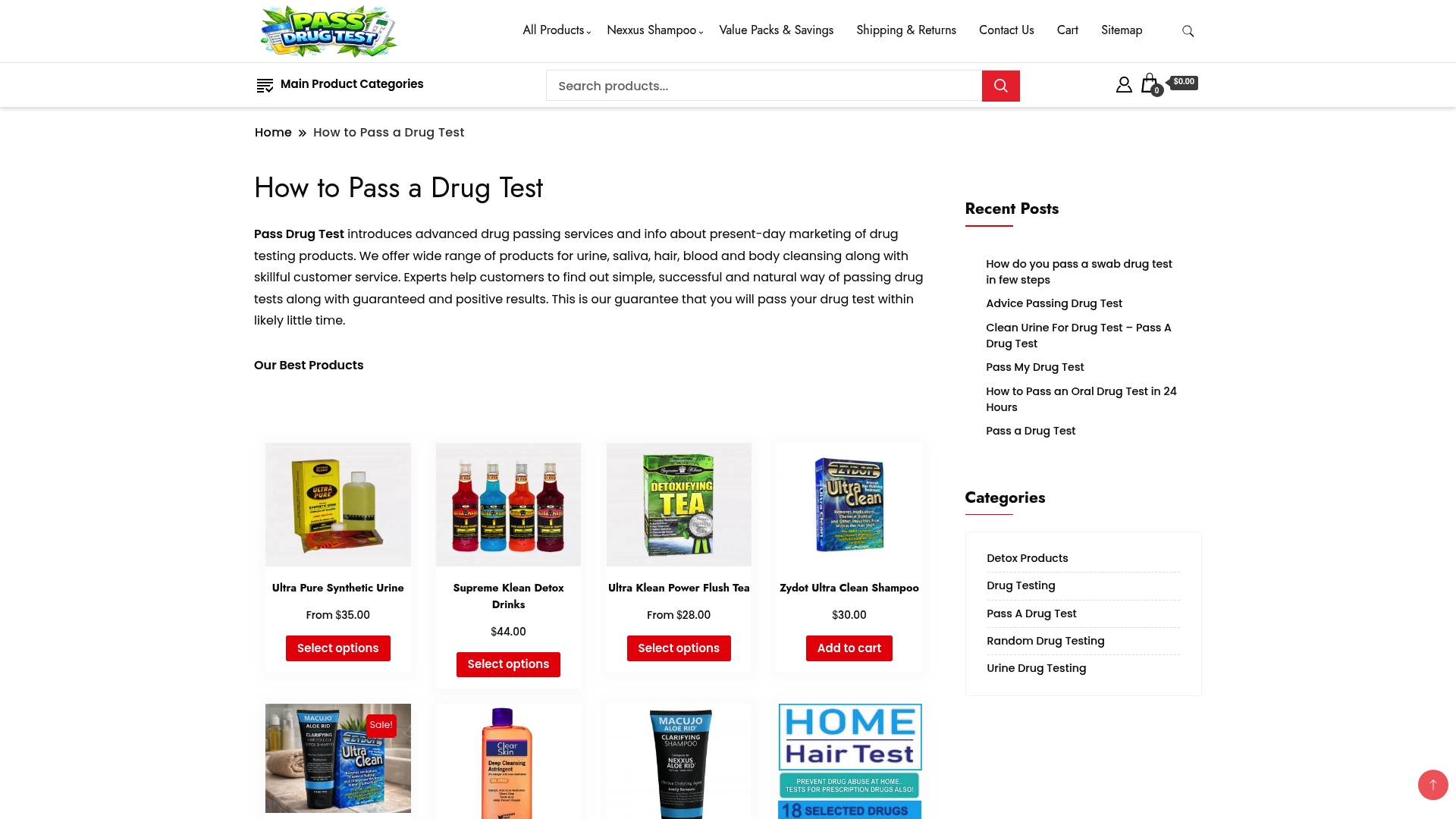
Passdrugtest also offers a full range of hair detox shampoos formulated specifically for marijuana users preparing for hair follicle tests. These products work best when paired with a solid abstinence timeline, not as a standalone fix. For users who want to cover all bases, the detox product catalog includes solutions for urine, hair, and whole-body cleansing to match your specific test type and timeline.
FAQ
How long does marijuana stay in hair follicles?
Marijuana metabolites remain detectable in a standard 1.5-inch hair sample for approximately 90 days. Heavy or frequent users may show detectable levels beyond that window depending on hair growth rate and melanin content.
Does a medical marijuana card help with a DOT drug test?
No. DOT Medical Review Officers cannot use a state medical marijuana card to excuse a positive result. Only federally legal prescriptions qualify under DOT standards.
Can detox shampoos remove drug metabolites from hair?
Detox shampoos reduce surface contaminants but cannot remove metabolites embedded inside the hair cortex. They are most effective as part of a plan that already includes significant abstinence time.
What is the best strategy for passing a hair drug test in 2026?
Complete abstinence for at least 100 days is the most reliable approach. Pair that timeline with gradual trimming of older hair ends and a quality detox shampoo for the best overall result.
Can I request a different type of drug test?
In some non-DOT workplaces, you may be able to request a urine or saliva test, which have shorter detection windows. Confirm your employer’s policy and your test type before assuming any flexibility is available.