

Expect to pay roughly $25 to $60 for a single detox shampoo bottle and $45 to $150 for a multi-product kit. Macujo Aloe Rid Shampoo is the leading in-market option we recommend for hair follicle preparation, and the Macujo method built around it remains the most trusted approach among people facing a scheduled test. No product guarantees a passed test, but your dollars go further when you know exactly what you’re buying.
TL;DR:
- A full detox kit costing between $45 and $150 offers more comprehensive coverage for tight deadlines than a single shampoo priced up to $60.
- Long, coarse, or chemically treated hair requires more product and treatment time, meaning you should budget accordingly, especially for thicker or longer hair.
- Hair drug tests detect drug use up to 90 days prior, making early preparation and layered cleansing regimens more effective than last-minute solutions.
- Shipping fees, sales tax, and potential need for multiple applications can significantly increase the total cost beyond the initial product price.
- The effectiveness of detox products varies based on drug type, hair attributes, and usage frequency, but no product guarantees a negative test result.
Table of Contents
- Hair Drug Test Cost Breakdown: Shampoos, Cleansers, and Kits
- What Actually Changes Your Odds (and Whether the Cost Is Worth It)
- How to Choose and Where to Buy Safely
- What Professional Hair Drug Tests Cost at Labs
- Hair Testing vs. Other Drug Test Methods: A Cost Comparison
- Does Hair Length or Type Change What You Should Spend?
- Additional Fees That Can Add to Your Total
- Michael’s Perspective and Realistic Expectations
- Quick Product Links to Get Started
- Sources
Hair Drug Test Cost Breakdown: Shampoos, Cleansers, and Kits
The price you pay depends almost entirely on format. A basic detox shampoo sold on its own usually costs from about twenty dollars to around sixty dollars at U.S. retailers, covering products from diluted clarifying formulas to concentrated cleansers designed for follicle testing. Volume matters more than buyers realize; smaller bottles of stronger formula often cost about the same as larger bottles of weaker formula, reflecting focus on concentration over quantity.
Multi-product kits change the math. A full kit built around a proven regimen, shampoo plus a clarifying step plus a follow-up treatment, typically lands between $45 and $150. That’s more money upfront, but it’s also the format most people facing a hard deadline actually need, since a single shampoo alone rarely matches what a layered regimen can do.
A few line items catch first-time buyers off guard:
- Standard shipping is often included, but expedited or overnight shipping can add $15 to $40 when a test date is close.
- Sales tax varies by state and adds a few dollars on top of most orders.
- Repeat applications for long or thick hair may require a second bottle, effectively doubling the shampoo cost.
- Bundled kits sometimes include a small saliva or urine product as a backup, which raises the price but also the coverage.
| Product type | Typical price range | What you get |
|---|---|---|
| Single detox shampoo | approximately $20 to $60 | One bottle, one active formulation, best for a single scheduled application |
| Concentrated cleanser | roughly $25 to $60 | Higher-strength formula, smaller volume, often used as a clarifying step before shampoo |
| Standard-size shampoo | about $20 to $45 | Lower concentration, better for multiple washes over several days |
| Multi-product kit | approximately $45 to $150 | Shampoo plus clarifying treatment plus follow-up conditioner, built as a full regimen |
Buying a kit instead of a single bottle generally costs more, often significantly, but it removes the guesswork of pairing the correct clarifying agent with the shampoo. If you’re on a tight budget and have a longer runway before your test, a single strong shampoo used correctly can be enough. If your test is close and non-negotiable, the kit format is the safer spend.
What Actually Changes Your Odds (and Whether the Cost Is Worth It)
Price alone doesn’t determine outcome. How much you use, how often, and what you’re testing for all shift the equation in ways that matter more than which bottle you buy.
Frequency of use is the biggest variable. Someone who smokes occasionally has a very different metabolite load in their hair than a daily user, and that difference affects how much cleansing a product actually needs to accomplish. Drug type matters too. THC binds to hair differently than stimulants or opiates, which is part of why published toxicology research found that cleansing regimens reduced concentrations of some analytes by a wide margin in controlled testing, while THC reductions were consistently smaller and far less predictable.
Hair length and thickness change the math as well. Longer hair holds a longer history of use, and thicker hair simply takes more product and more contact time to treat evenly. A few practical factors worth weighing before you buy:
- Daily users typically need a full kit rather than a single shampoo, since metabolite buildup is higher.
- Longer hair (past shoulder-length) often requires a second bottle to fully saturate and treat.
- Chemically treated or color-treated hair can respond differently to clarifying steps, sometimes for better, sometimes worse.
- THC is measurably harder to clear from hair shafts than several other drug classes, according to the same analytical review.
Statistic Callout: Laboratory testing comparing treated and untreated hair samples found that cleansing regimens can meaningfully lower concentrations of certain drug metabolites, but reductions were inconsistent across drug classes and never uniform enough to guarantee a negative result.
Lab cutoffs add another layer of unpredictability. Testing facilities use fixed concentration thresholds, and a regimen that would pass one cutoff might not clear a stricter one. That’s the honest, evidence-backed reason nobody in this industry, including us, can promise a guaranteed outcome. What the science supports is a real, measurable reduction in some cases, not a certainty in all of them. For a deeper look at what the evidence actually shows about detox shampoo effectiveness, it’s worth reading before you commit to a purchase.
How to Choose and Where to Buy Safely
Getting the price right starts with buying from the right place. Follow this checklist before you check out:
- Buy directly from a specialized U.S. retailer rather than a third-party marketplace listing, since aftermarket sellers are where counterfeit or relabeled bottles tend to show up.
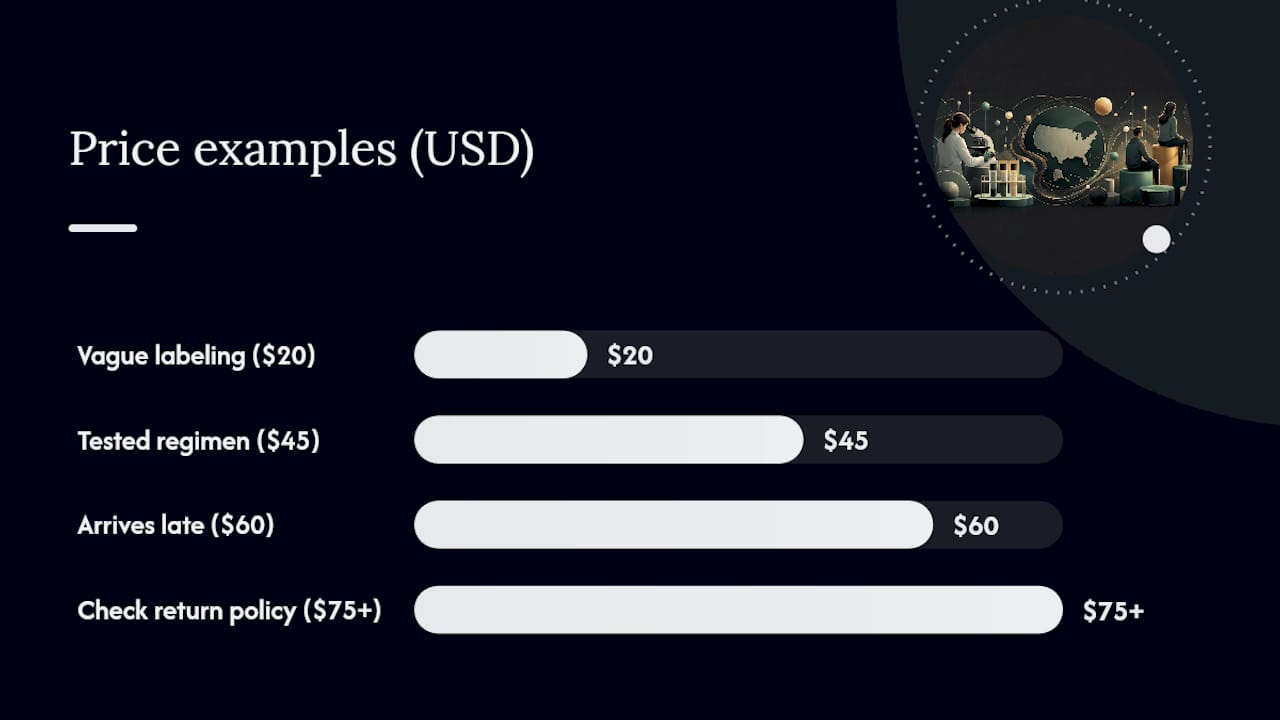
- Check the return or satisfaction policy before you pay, especially for kits priced above $75.
- Read the product description closely for concentration and intended hair type. A shampoo built for fine hair won’t perform the same on thick, coarse hair.
- Confirm shipping speed against your test date. A $60 shampoo that arrives two days late is worth nothing.
- Compare kit contents line by line. Two kits priced within $10 of each other can include very different combinations of shampoo, clarifying treatment, and conditioner.
Cheap and proven aren’t the same thing. A $20 shampoo with vague labeling and no clarifying step is a different product entirely from a $45 shampoo built as part of a tested regimen, even though the price gap looks small. Passdrugtest is built around that distinction, with the Macujo Aloe Rid Shampoo positioned as the flagship option and bundled kits available for people who want the full regimen rather than piecing it together themselves.
Pro Tip: Order at least five to seven days before your scheduled test if you’re using standard shipping, and always verify the seller’s return address matches the brand’s official site. Counterfeit bottles are more common on resale marketplaces than on the manufacturer’s own storefront, and a mismatched label is often the first sign something’s off.
What Professional Hair Drug Tests Cost at Labs
A standard professional hair follicle drug test at a laboratory or clinic in the U.S. commonly runs somewhere in the range clinics and employers pay per panel, which typically covers a five or ten panel drug screen. Employers and courts usually cover this cost directly, since hair testing is most often ordered rather than requested by the individual being tested.
What matters for you as the person facing that test isn’t the lab’s invoice, it’s the timeline. Hair testing detects long-term use going back roughly 90 days, which is precisely why it costs more and takes longer to process than a urine screen. Labs need specialized equipment to wash, digest, and analyze the hair sample, and that added complexity is baked into the price employers pay, not something you’re billed for directly in most scheduled workplace scenarios.
Some at-home test kits with mail-in lab analysis exist for people who want to self-check before an official test, and full kits bundled with lab testing for a multi-drug panel can run under $100. That’s a different expense than the detox products this guide focuses on, but it’s worth knowing the option exists if you want a private read on where you stand before spending money on a cleansing regimen.
Hair Testing vs. Other Drug Test Methods: A Cost Comparison
Hair follicle tests sit at the higher end of the price scale compared to urine, saliva, or blood testing, largely because of the specialized lab work involved. Urine testing is the cheapest and fastest method available, which is why it remains the default for most pre-employment and random workplace screening.
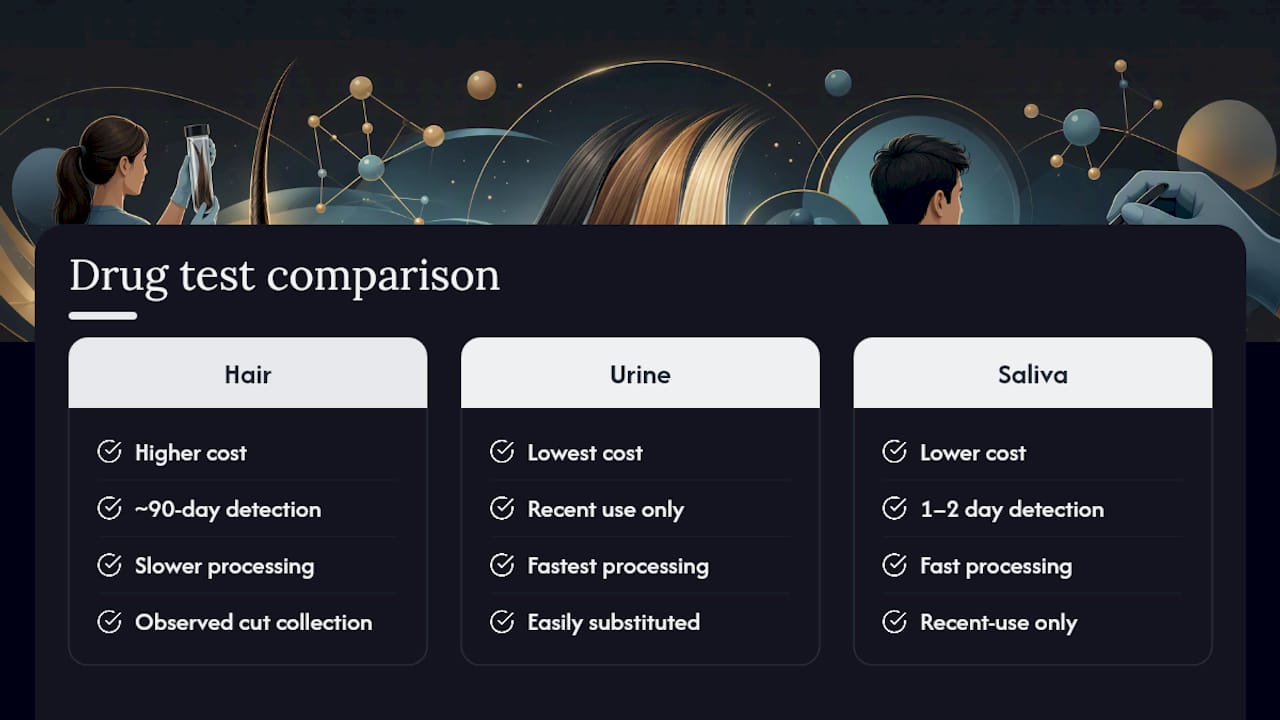
Saliva testing costs less than hair testing too, but it only detects very recent use, typically within a day or two. Hair testing exists specifically to catch what those faster, cheaper methods miss: a pattern of use stretching back roughly three months. That longer detection window is also why hair samples are nearly impossible to substitute or tamper with during collection, since the sample is cut directly from your head under observation, unlike urine which can be swapped in less controlled settings.
For you, the practical takeaway isn’t which method employers should pick, it’s that hair testing’s higher cost and longer detection window mean you can’t rely on short-term abstinence the way you might before a urine test. A regimen that starts weeks ahead of a hair test, rather than days, gives any detox approach more time to work.
Does Hair Length or Type Change What You Should Spend?
Longer hair costs you more, plain and simple. A 1.5 inch hair sample (the standard collection length, representing roughly 90 days of growth) holds more accumulated metabolite history than shorter hair, and treating that full length evenly takes more product. If your hair reaches past your shoulders, budget for a second bottle of shampoo rather than trying to stretch one bottle across more surface area than it’s designed to cover.
Hair thickness and texture matter almost as much as length. Coarse or thick hair absorbs product more slowly and often needs longer contact time during each wash, which doesn’t cost more in dollars but does mean following the regimen’s timing instructions matters even more than usual. Chemically treated, bleached, or color-treated hair can respond differently during a cleansing regimen, sometimes making the hair shaft more porous and easier to treat, sometimes causing uneven results.
None of this changes the base price of the product you buy, but it does change how much you need. Someone with short, fine hair might get by with a single bottle of a strong shampoo. Someone with long, coarse hair is better served budgeting for a full kit from the start, since a single application is less likely to reach every strand evenly. Factor that into your purchase decision before you buy the cheapest option on the shelf and discover halfway through the regimen that one bottle wasn’t enough.
Additional Fees That Can Add to Your Total
The sticker price on a shampoo or kit rarely tells the whole story. Shipping is the most common add-on, and while standard shipping is often free or low-cost, expedited options for people with a test just days away can add $15 to $40 to the total.
State sales tax applies to most online orders now, typically adding a few percentage points depending on where you live. That’s a small amount on its own, but it compounds with expedited shipping if you’re ordering last-minute. Some kits also charge separately for optional add-ons, like a backup saliva or urine product bundled in for extra coverage, which raises the total price but also broadens what the kit protects against.
The fee that catches people off guard most often isn’t a line item at checkout, it’s the hidden cost of buying wrong the first time. A shampoo purchased from an unverified reseller that turns out to be counterfeit or expired means paying twice, once for the bad product and again for a legitimate replacement under time pressure. Buying directly from a known U.S. vendor with clear product descriptions and a real return policy is the cheapest insurance against that outcome, even if the sticker price is a few dollars higher than a marketplace listing.
Michael’s Perspective and Realistic Expectations
If you’re on a real deadline, I’d point you toward a full Macujo-style regimen instead of a single bargain shampoo every time. The layered approach, clarifying step plus concentrated shampoo plus follow-up treatment, gives you more control over timing than any one product can offer alone.
That said, I won’t tell you it’s guaranteed, because the science doesn’t support that claim for anyone in this space. What it supports is a real shot, especially when you start early rather than two days out. If your test date is tight, pay for expedited shipping. If you’ve got two or three weeks, a standard regimen with proper timing usually serves you just as well without the rush fee.
— MIchael
Quick Product Links to Get Started
If you know your test date, the fastest path forward is picking the right format now rather than comparing options for another week. Here’s where the pricing actually lands across our most relevant categories:
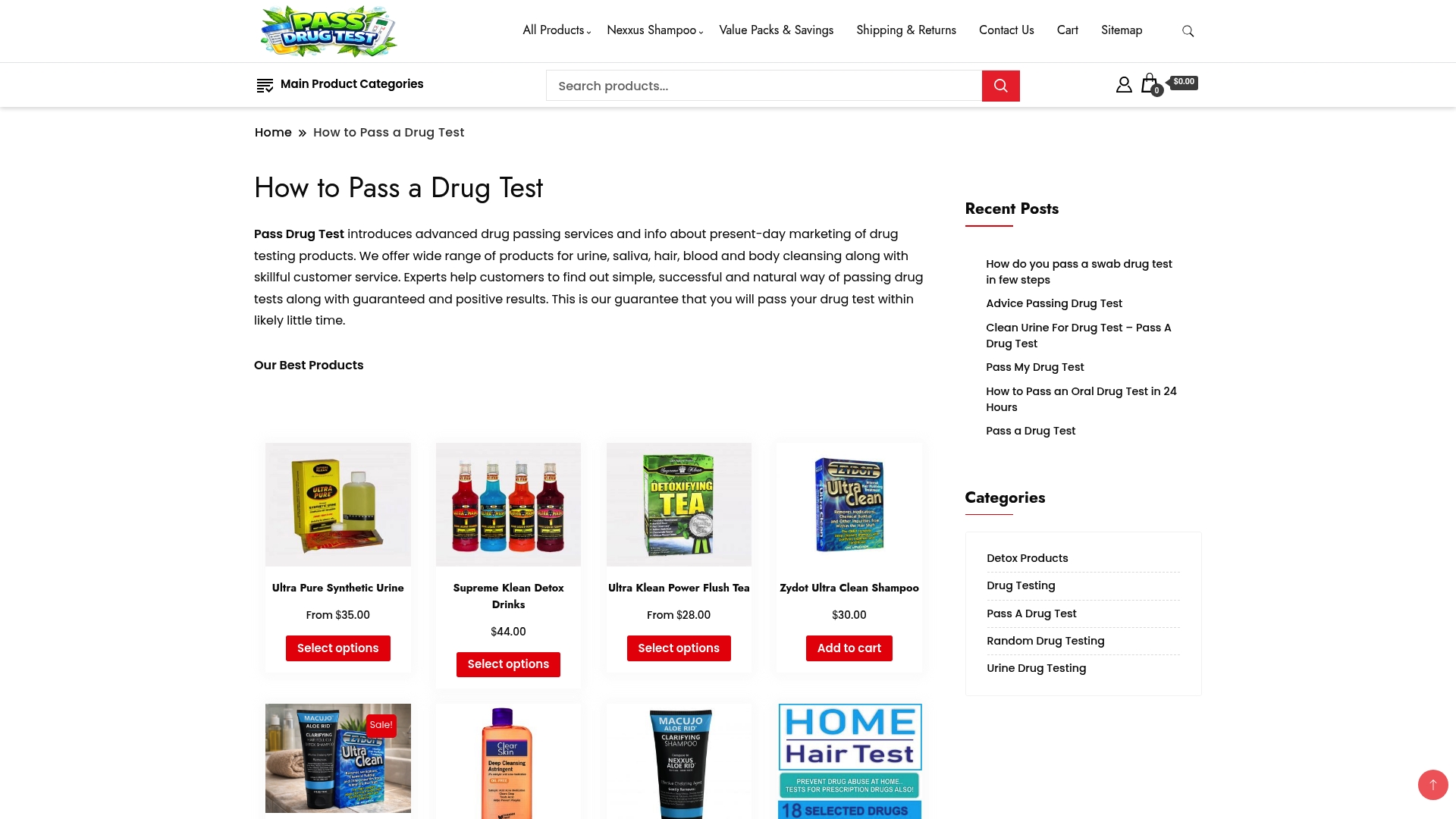
- Macujo Aloe Rid Shampoo: our flagship single-bottle option, priced in the $60 to $90 range depending on size.
- Macujo Aloe Rid Shampoo + Zydot Ultra Clean Treatment: the full bundled kit, typically $100 to $150.
- Whole Body Cleansing products: for readers who want broader coverage beyond hair alone.
- Full detox product catalog: browse every category by price and format side by side.
Passdrugtest ships across the United States with expedited options available for readers whose test date is days away, not weeks. If your calendar is tight, order the kit format rather than a single bottle. It costs more upfront, but it’s built to give a properly timed regimen the best shot it can get, and that’s the difference that matters when there’s no room for a second attempt.
Sources
- PMC article on hair detox efficacy
- Analytical toxicology review on hair cleansing methods (Wiley)
- Hair drug testing 101 — Concentra
- Medical News Today — hair follicle testing overview