
Probation urine tests are generally observed, start with a rapid immunoassay screen, and move to GC/MS confirmation for any presumptive positive. Specimen validity checks, including temperature, creatinine, and specific gravity, can flag a sample as invalid or substituted, and that carries the same weight as a positive result. If you dispute a result, you can request confirmatory testing and invoke split specimen rights.
TL;DR:
- If urination stalls, collectors may document a shy bladder and allow water and more time; refusing observed collection is treated as a refusal to test.
- A fresh sample must register between 90°F and 100°F within four minutes; readings outside that range can prompt immediate recollection under observation.
- A typical THC screen uses a 50 ng/mL cutoff, while confirmation often uses about 15 ng/mL, so borderline samples may switch from negative to positive.
- To challenge a presumptive positive, request confirmation or split specimen testing in writing immediately, preserve relevant prescription records, and contact your attorney.
- A dilute, adulterated, or invalid result can trigger observed recollection or be treated as refusal, while repeated violations may lead to a revocation hearing.
Table of Contents
- What to Expect at the Collection and How Chain of Custody Works
- Types of Urine Tests Used for Probation and Detection Windows
- Specimen Validity Testing: How Labs Spot Dilution, Substitution, and Adulteration
- Confirmatory Testing and Your Rights
- Consequences of Positive, Dilute, Adulterated, or Refusal Results
- Lawful Preparation and Compliance Tips Before a Probation Urine Test
- Why These Procedural Details Matter
- Where to Find Test Prep Resources on PassDrugTest.net
- FAQ
- Sources
What to Expect at the Collection and How Chain of Custody Works
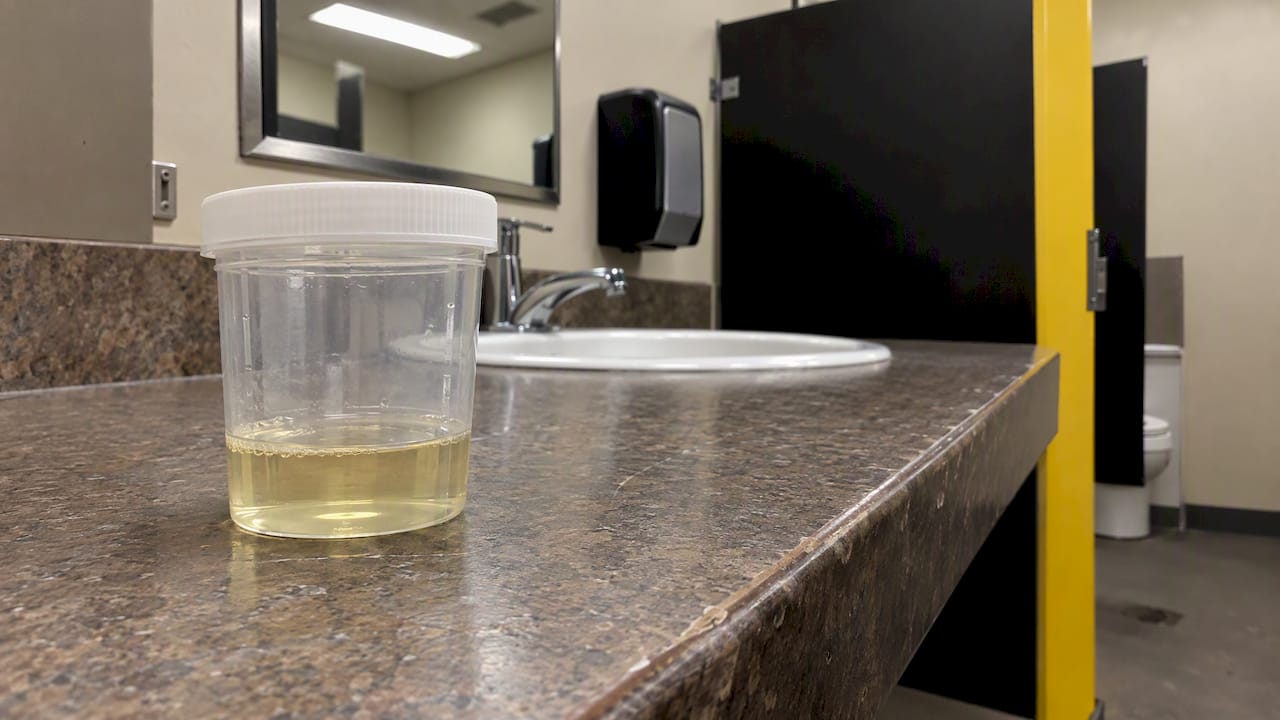
Walking into a probation collection site feels clinical for a reason. Officers follow strict steps designed to protect the integrity of your sample and your rights at the same time. Collection procedures used by U.S. Probation Office locations require identification checks, an escort to the collection area, and same gender observation during urination.
The collector watches the urine leave your body without touching you, then seals the specimen with tamper evident tape while you watch. Minimum volume requirements matter here. Procedures call for collecting a sufficient urine volume, and anything less can trigger a second attempt or a documented insufficient sample notation, according to the same chain of custody guidance.
A few things commonly come up during collection:
- A “shy bladder” stall gets documented, and you may be given water and more time before it counts as a refusal.
- Refusing observed collection outright is treated as a refusal to test, which carries consequences similar to a positive result.
- Presumptive positives are often reported to your probation officer right away, even before lab confirmation arrives.
Once sealed, the specimen goes into refrigerated storage and ships out the same night to the testing laboratory.
Types of Urine Tests Used for Probation and Detection Windows
Probation offices typically rely on a two-step process. The first step is a screening device, either a non-instrumented test (NIDT) used on-site or an instrumented immunoassay at a local lab. These tools detect drug classes quickly but are known to cross-react with unrelated substances, which is why confirmatory GC/MS testing exists as the second step for any screen that comes back positive.
Most panels test for the standard NIDA-5 drugs, sometimes expanded to include fentanyl or buprenorphine. Federal probation programs commonly use this two-step testing model, screening on-site and sending contested positives to a national lab.
Detection windows vary by substance and individual metabolism, but general patterns hold:
- THC can be detected for several days in occasional users and considerably longer with frequent use, as outlined in our THC detection time breakdown.
- Cocaine and amphetamines tend to clear from urine faster than THC in most cases.
- Opioids and benzodiazepines fall somewhere in between, depending on the specific drug and dosing pattern.
Screening cutoffs differ from confirmatory cutoffs. A typical THC screen uses a 50 ng/mL cutoff, while confirmatory testing often drops to around 15 ng/mL, which explains why some borderline results flip between a negative screen and a positive confirmation.
Specimen Validity Testing: How Labs Spot Dilution, Substitution, and Adulteration
Labs do not just look for drugs. They check whether the sample itself is legitimate human urine at a normal concentration. Specimen validity testing measures temperature, specific gravity, creatinine, pH, and oxidant activity to flag tampering.
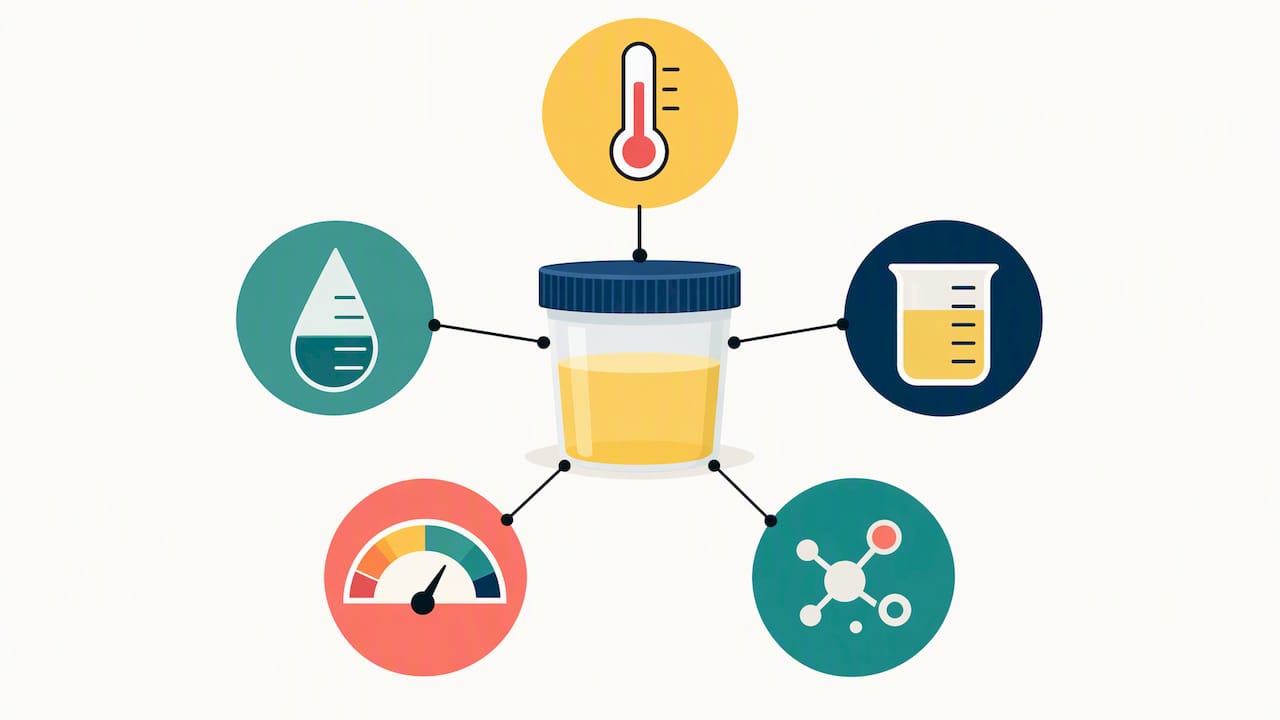
A fresh urine sample must register between 90°F and 100°F within four minutes of collection, according to peer-reviewed specimen validity research. A collector who sees a temperature strip outside that range has grounds to call the sample suspect and request immediate recollection under direct observation.
Key SVT markers collectors and labs watch for:
- Specific gravity outside the accepted range suggests dilution or substitution.
- Creatinine below commonly accepted thresholds is a criterion for flagging a dilute sample, as explained in more detail in our creatinine levels guide.
- Abnormal pH or elevated oxidant activity points toward an adulterant added to the sample.
When a result comes back invalid, dilute, or adulterated, probation programs typically order recollection under observation, treat the result as a refusal, or escalate the specimen for confirmatory testing depending on the circumstances.
Confirmatory Testing and Your Rights
A presumptive positive is not the final word. Confirmatory testing with GC/MS or LC-MS/MS identifies the exact molecule present rather than just a drug class, and it is the standard federal probation uses before any sanction moves forward, per U.S. Courts guidance.
A Medical Review Officer reviews every confirmed positive before it becomes official. The MRO interviews the donor, checks for valid prescriptions, and evaluates any medical explanation offered. MRO case studies from SAMHSA show that passive exposure claims for marijuana are rarely accepted, while documented prescriptions for other substances are routinely verified.
If you want to contest a result:
- Put your request for confirmatory or split specimen testing in writing immediately.
- Preserve any medical documentation or prescription records tied to the result.
- Contact your attorney or public defender before your next scheduled check-in.
Pro Tip: A written request moves faster through the system than a verbal objection, and it creates a record that protects your split specimen timeline.
Consequences of Positive, Dilute, Adulterated, or Refusal Results
Any of these outcomes typically gets reported to your probation officer, sometimes before confirmation even arrives. From there, the path usually runs through administrative sanctions first, with repeated violations or refusals escalating toward a revocation hearing. Federal law treats these events seriously: 18 U.S.C. § 3563 sets drug testing as a standard condition of probation and allows confirmatory testing before action is taken, while establishing refusal and repeated positives as grounds for revocation.
If you are facing one of these results, move quickly:
- Request confirmatory testing in writing before accepting a presumptive result as final.
- Gather prescription records or medical documentation that could explain the result.
- Notify your attorney so they can track deadlines on your behalf.
Lawful Preparation and Compliance Tips Before a Probation Urine Test
Preparation starts with honesty, not shortcuts. Disclose any prescribed medications to your probation officer and the collector before testing, and bring documentation if you have it. A home test can help you understand where you stand, and reviewing what actually works for lawful preparation gives you a realistic picture before test day.
What to do and avoid:
- Disclose prescriptions in advance and carry supporting paperwork to the appointment.
- Follow every collection instruction exactly, including observed urination requirements.
- Avoid synthetic urine, adulterants, or any tampering attempt, since SVT flags these quickly and refusal to comply is often treated as a violation on its own.
Pro Tip: If you receive a dilute or invalid result, ask directly whether recollection is required and get any medical explanation in writing the same day.
If a dilute result comes back, follow the recollection rules exactly and seek a medical evaluation if you believe a legitimate condition caused it. Document every step, since a paper trail protects you if the case moves toward a hearing.
Why These Procedural Details Matter
We built our guidance on probation testing procedures, chain of custody rules, and specimen validity standards because knowing the process reduces the risk of an unjust outcome. Documenting every step and requesting confirmatory testing promptly protects your rights when the stakes are high.
— MIchael
Where to Find Test Prep Resources on PassDrugTest.net
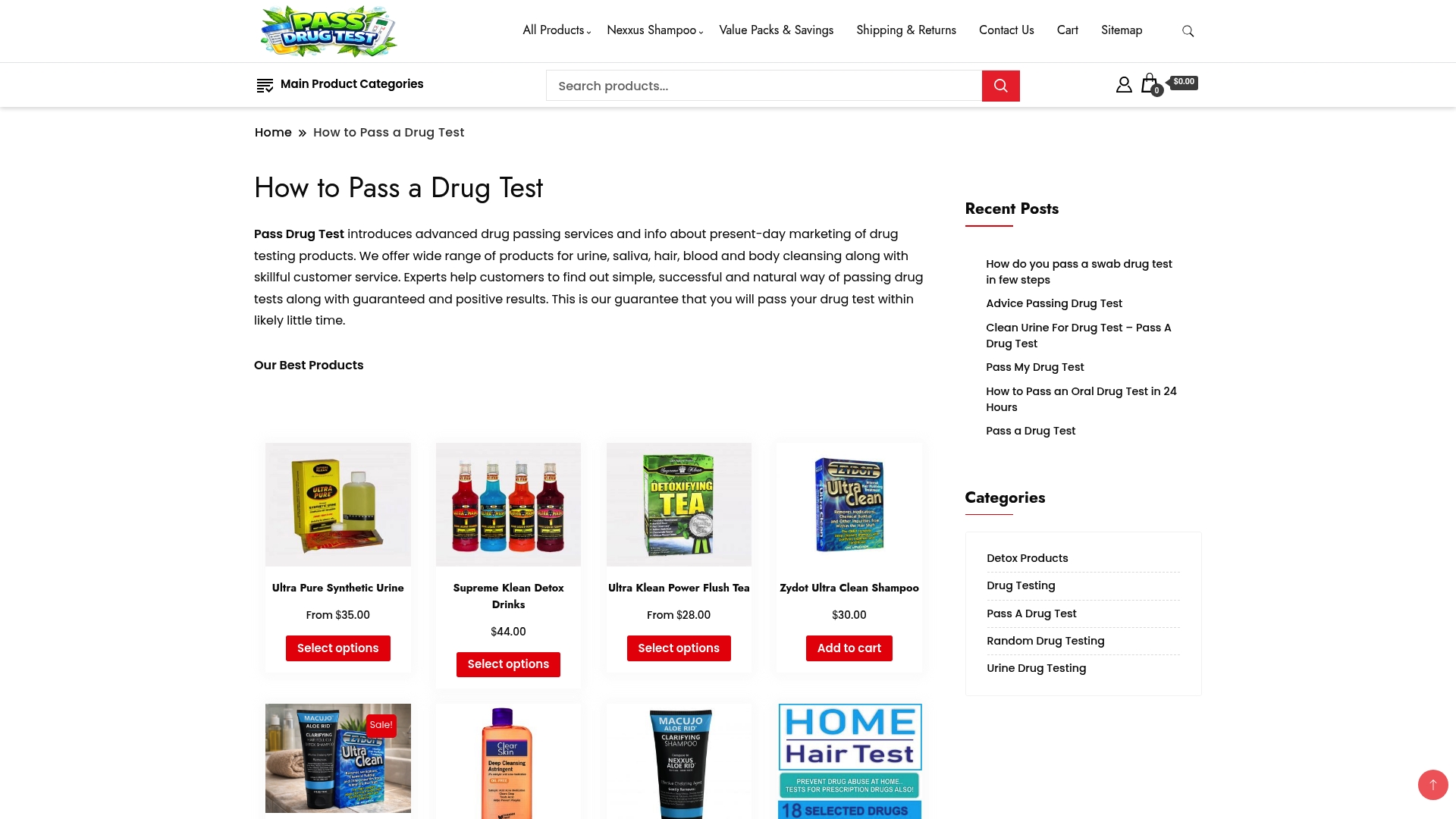
We know a probation urine test brings real stress, especially when you are not sure where you stand before the appointment. Our catalog at Passdrugtest covers urine, saliva, and hair testing categories, with products built to help you prepare honestly and understand your situation before an observed collection.
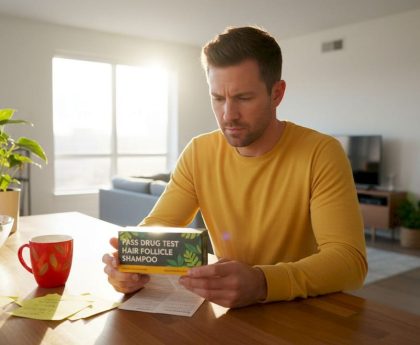
A home pre-check can help you spot borderline levels ahead of time, and our detox products page walks through options for urine preparation. For hair follicle testing specifically, our flagship Macujo Aloe Rid Shampoo follows the Macujo method developed by Mike Macujo, widely regarded as one of the most effective approaches for hair follicle preparation, and our Macujo Aloe Rid instructions page covers timing and proper use in detail.
- Browse products for clean urine for home pre-check kits and preparation items.
- Review detox versus cleansing explained to understand what each approach actually does.
- Pair any product with documented medical disclosures and a conversation with counsel if your case involves legal stakes.
Orders ship discreetly, and our team is available daily if you have questions before you order.
This article is general information, not a substitute for advice from a qualified lawyer. Consult a qualified legal professional about your own circumstances before acting on anything here.
FAQ
What type of urine test does probation use?
Probation programs typically use a two step model: an initial immunoassay screen, either on-site or at a local lab, followed by GC/MS confirmation for any presumptive positive. The screen checks drug classes quickly, while confirmation identifies the exact substance.
If I pass a home drug test, will I also pass a lab test?
A home test can give you a general sense of where you stand, but lab testing uses different cutoffs and adds specimen validity checks that a home kit does not perform. A clean home result is not a guarantee, since confirmatory lab testing measures things like creatinine and specific gravity that home kits typically skip.
How long does a drug stay detectable in urine?
Detection windows depend on the substance, dose, and individual metabolism, with THC often detectable longer than cocaine or amphetamines in most cases. Our THC detection time guide breaks down the factors that influence how long THC specifically stays detectable.
How do urine drug tests actually work?
A urine test works in two stages: a rapid immunoassay screen that flags drug classes, followed by GC/MS confirmation that identifies the specific molecule present. Labs also run specimen validity testing alongside drug detection to confirm the sample itself has not been diluted or substituted.
What happens if my probation drug test comes back dilute or I refuse?
A dilute result usually triggers recollection under observation and can be logged as a technical issue even if a later sample comes back clean. Refusal to test is generally treated with the same seriousness as a positive result and can lead toward administrative sanctions or a revocation hearing under federal probation conditions.
Sources
- Urine collection and chain of custody procedures — U.S. Probation Office (Nevada) vendor document
- How substance use testing and treatment work — U.S. Courts (AO) guidance
- 2024 Medical Review Officer (MRO) case studies — SAMHSA
- Specimen validity testing measures and flags in urine drug testing — PubMed
- 18 U.S. Code § 3563 – Conditions of probation — Cornell LII