
A clean blood test for THC depends almost entirely on how long you have abstained and how often you used before that. Occasional users may clear detectable THC sooner, while frequent or daily users can test positive for many days. The single most reliable action is to stop using now and confirm which analyte and cutoff the testing lab applies.
TL;DR:
- Ask whether the panel tests active THC or inactive THC COOH; sensitive blood assays detect THC at 0.25 to 0.5 nanograms per milliliter.
- Occasional users may have undetectable blood THC within a day or two; chronic users have shown rare positives up to 30 days with sensitive tests.
- Edibles produce delayed absorption and later peaks than inhaled cannabis, so inhaled use detection estimates do not reliably predict the timeline after oral use.
- Stop using immediately and record the last use; water, detox products, strenuous exercise, and sauna sessions have no reliable evidence of changing blood THC results.
Table of Contents
- What blood tests measure: THC, 11-OH-THC, and THC-COOH
- Realistic detection windows by use pattern and method
- What changes your detection risk and how labs read a positive
- What actually works and what doesn’t for a blood test
- Confirming the panel and knowing when to get professional input
- Does the Macujo method help with a blood test?
- How does blood testing compare with urine, hair, and saliva tests?
- Common myths about passing a blood test for weed
- What happens if you fail a blood drug test for marijuana
- A publisher’s honest take on blood test prep
- Products and resources if you’re preparing for a test
- FAQ
- Sources
What blood tests measure: THC, 11-OH-THC, and THC-COOH
Blood panels for marijuana may look for THC itself, its active metabolite 11-hydroxy-THC, and the inactive metabolite THC-COOH. THC and 11-OH-THC are associated with impairment and generally clear from blood faster than THC-COOH, which can linger after the high has faded and is less indicative of recent impairment.
- THC: the active compound, present at highest levels shortly after use and declining within hours.
- 11-OH-THC: an active metabolite formed as the body processes THC, also short-lived in blood.
- THC-COOH: an inactive metabolite that can persist longer and complicates efforts to link a positive result to current impairment.
Validated lab methods can detect THC in whole blood at concentrations as low as 0.25 to 0.5 nanograms per milliliter, a sensitivity level that lets labs catch residual amounts long after a dose was active, according to research published in the Journal of Analytical Toxicology. That sensitivity is why a test for active THC signals recent use, while a test that also screens THC-COOH can return a positive finding well after any effects have worn off.
Realistic detection windows by use pattern and method
How long THC stays detectable in blood depends heavily on whether you use occasionally or frequently, and on how you consumed it. For occasional users, THC in blood may be detectable for a relatively short period, though results vary by dose, metabolism, and the laboratory method.
Frequent or chronic users face a different picture entirely. A monitored residential study of chronic, frequent cannabis smokers found THC detectable in plasma during sustained abstinence, including low-level positives in some participants, according to research on chronic frequent cannabis smokers. The same study found that 11-OH-THC and THC-COOH persisted at varying rates across participants, which means two people with similar use histories can clear the drug at noticeably different speeds.
Route of administration matters too. Inhaled cannabis produces a rapid rise in blood THC followed by an early decline. Oral cannabis, including edibles, behaves differently: absorption is delayed, the peak arrives later, and the resulting metabolite ratios shift the detection timeline in ways that don’t map cleanly onto inhaled use, according to pharmacokinetic research on oral cannabis.
- Occasional use: the detectable window is generally shorter, but varies with the person and the test.
- Frequent or daily use: the detectable window can extend for many days, particularly with sensitive tests.
- Inhaled cannabis: rapid peak, faster early decline than edibles.
- Edibles: delayed peak, different and sometimes longer-lasting metabolite profile.
Chronic daily smokers can register detectable blood THC long after any impairment has subsided, which clinical research on prolonged cannabinoid excretion ties directly to slow release from fat stores built up over repeated use.
What changes your detection risk and how labs read a positive
Several personal factors push detection windows longer or shorter, and understanding them helps you set realistic expectations rather than guess.
- Frequency of use and accumulated body burden: heavier, more frequent use builds up THC in fat tissue, which releases slowly and extends detection.
- Body composition and metabolism: individual differences may affect how quickly THC clears.
- Dose and genetics: larger doses take longer to clear, and variation in liver enzymes (the CYP family) changes processing speed from person to person.
- Assay sensitivity and cutoffs: a lab using a very low limit of quantification will catch residual THC that a less sensitive test would miss entirely.
Confirmatory testing typically relies on liquid chromatography tandem mass spectrometry, or LC-MS/MS, which labs use to verify an initial screen with high precision. A validated GC-MS/MS blood assay can quantify THC and THC-COOH at low concentrations, illustrating how assay sensitivity can affect detection, according to analytical chemistry research on cannabinoid quantification.
A detectable result is not the same thing as proof of current impairment, especially for someone who uses cannabis regularly and carries a baseline level in blood. Legal thresholds for driving and workplace policies vary by jurisdiction, and the gap between detectable and impaired is exactly why context and timing matter so much.
Pro Tip: Ask the testing party whether the panel screens for active THC, THC-COOH, or both, since that single detail changes your realistic risk far more than any home remedy.
What actually works and what doesn’t for a blood test
No rapid detox product or home remedy has reliable, peer-reviewed evidence showing it clears THC from blood on demand. Time and abstinence remain the only approach with consistent support behind it, and the longer the gap since last use, the better your odds.
Dilution strategies that circulate online for urine tests, like drinking large amounts of water, do not work the same way for blood because THC in blood reflects what’s actively circulating and bound in plasma, not what’s been filtered into urine. The effect of exercise on blood THC levels is uncertain, so do not rely on it to lower a test result.
- Stop using immediately and track your exact last-use date and time.
- Avoid secondhand smoke exposure in enclosed spaces before a scheduled test.
- Ask the testing lab which analyte and cutoff applies to your specific panel.
- If you use cannabis under a medical recommendation, consider disclosing that to whoever ordered the test.
- Do not rely on strenuous workouts or sauna sessions to change a blood test result.
Our detox methods breakdown separates evidence-backed approaches from the myths that circulate around rapid cleanses.
Confirming the panel and knowing when to get professional input
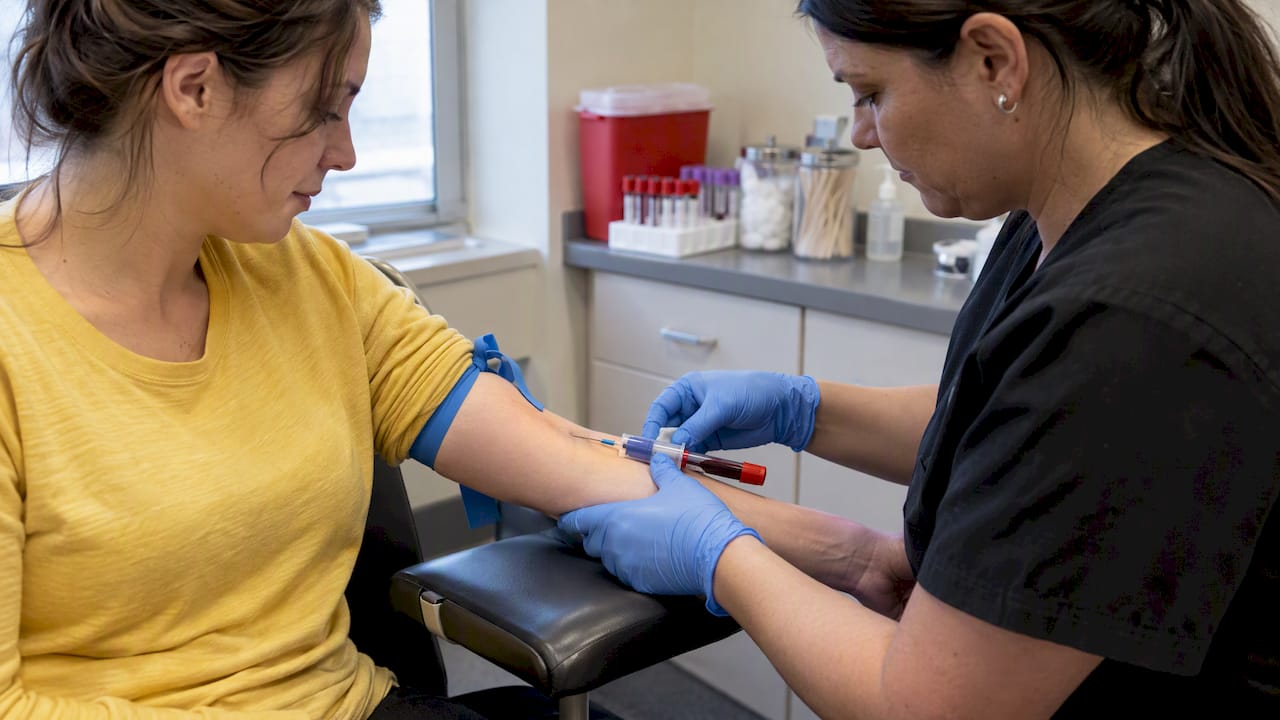
Before a scheduled blood draw, it’s worth finding out exactly what you’re being tested for. A short conversation with the testing party can tell you whether they screen for active THC, THC-COOH, or both, and whether a positive screen gets confirmed with LC-MS/MS before any result is finalized.
- Ask directly which analytes and cutoff levels the lab applies to your test.
- Confirm whether a positive initial screen triggers confirmatory testing before being reported.
- If you hold a medical cannabis recommendation, consider disclosing your status to the requester ahead of time.
- Speak with a clinician if you need documentation tied to a medical cannabis recommendation.
We focus specifically on detox products and practical guides for people preparing for drug screenings, and that focus shapes the kind of detail we try to put in front of you here rather than vague reassurance.
Does the Macujo method help with a blood test?
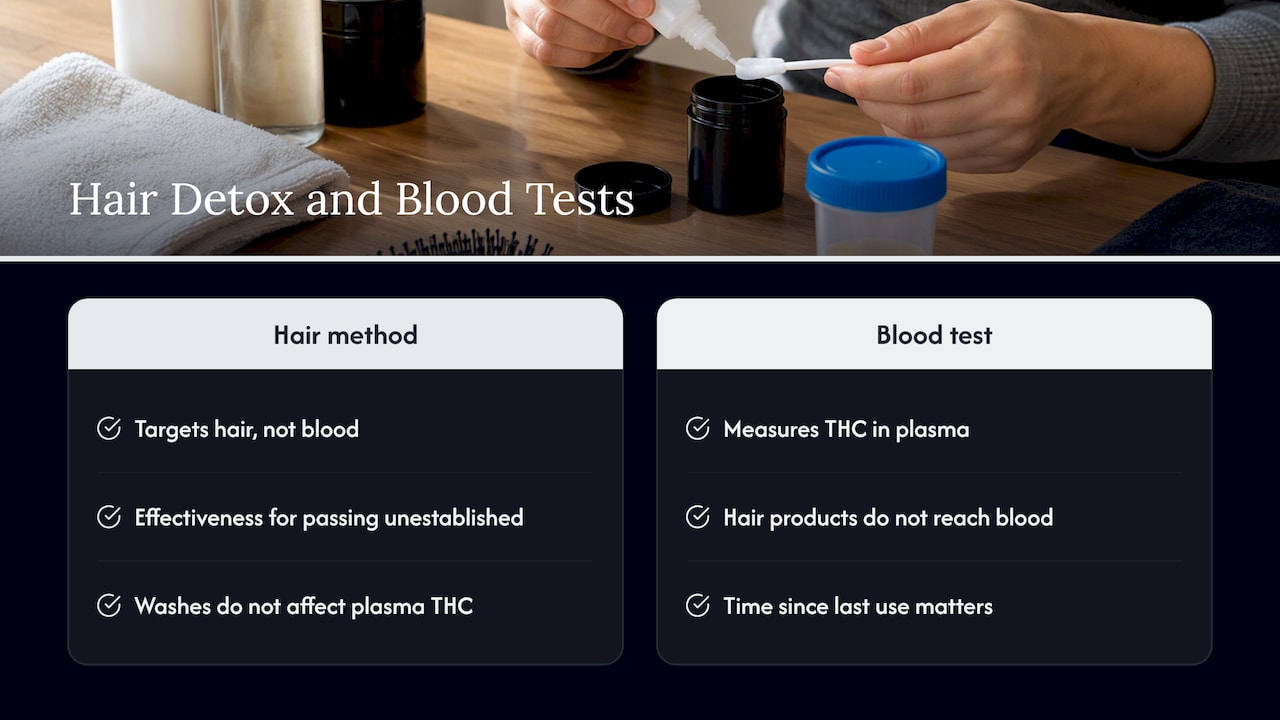
The Macujo method is promoted as a hair detox process involving a sequence of products before a hair test. It is discussed by people preparing for hair screenings, but its effectiveness for passing a hair follicle drug test is not established here.
It’s important to be clear about scope, though: the Macujo method targets hair, not blood. Blood THC and metabolites circulate in plasma and clear through metabolism and excretion over time, a process that has nothing to do with washing hair strands. No shampoo or topical treatment reaches the bloodstream, so applying a hair detox product the night before a blood draw won’t change your plasma THC level in any measurable way.
Where the method does matter is if you’re facing a hair test alongside or instead of a blood test. Our Macujo Aloe Rid instructions walk through the timing and safety steps for that specific process, and the Macujo Aloe Rid Shampoo page covers product details for readers dealing with an upcoming hair screening. For a blood test specifically, the only lever that moves the needle is time since last use.
How does blood testing compare with urine, hair, and saliva tests?
Each testing method looks at a different biological sample, and that difference drives everything about detection windows and what the result actually tells an employer or court.
Blood testing can indicate recent use, but detection varies with use history, the analytes tested, and the laboratory method. Urine testing may look for THC-COOH, the inactive metabolite, and can have a different detection window from blood testing. Saliva testing can detect THC associated with recent use, but its detection window depends on the test and circumstances. Hair testing can reflect a longer-term pattern of use rather than a single recent incident.
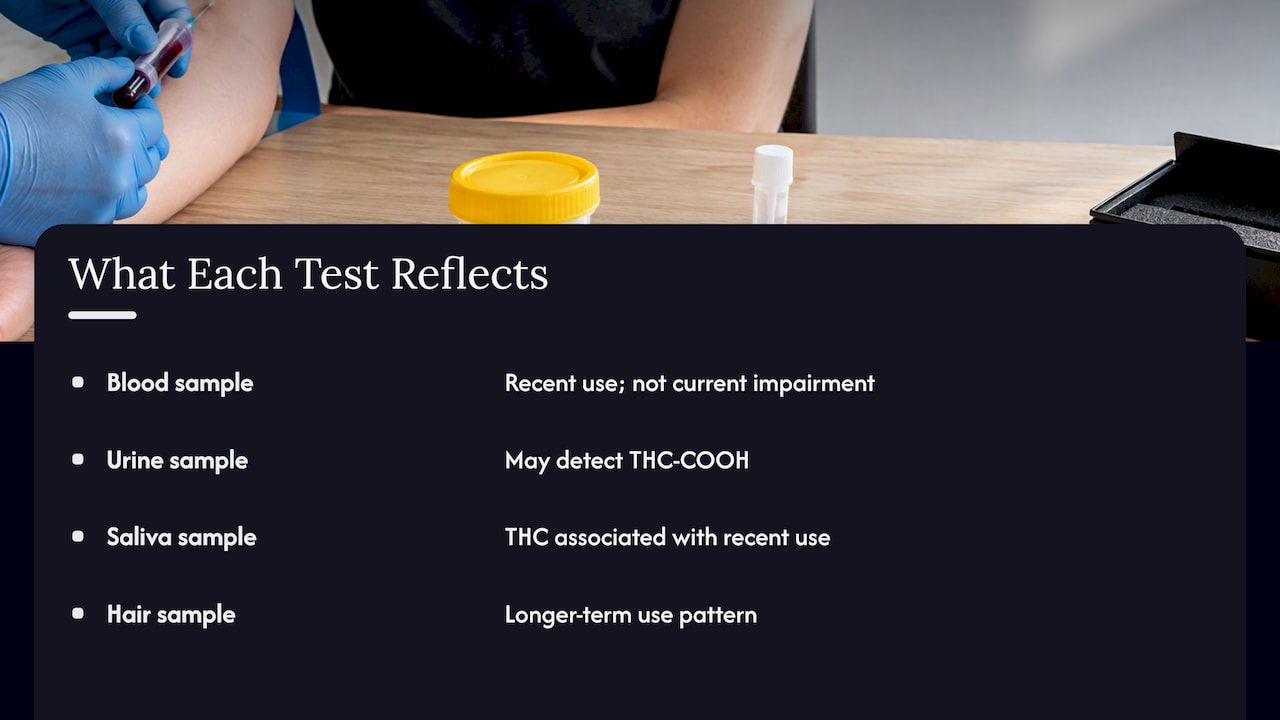
In general, a positive result does not by itself establish current impairment, and different sample types can reflect different periods of use. Blood testing can be relevant to recent use, but a detectable result does not by itself establish impairment.
Common myths about passing a blood test for weed
A few persistent myths circulate around blood testing, and most of them come from advice that works, partially, for a different test matrix entirely.
Drinking water is not a reliable way to change a blood THC test result.
A second myth treats detox drinks and rapid cleanse products as a blood-test solution. These products are formulated around urine chemistry, and no peer-reviewed evidence supports a rapid product clearing THC from blood on demand.
A third myth assumes any detectable THC proves current impairment. Chronic users can carry a measurable baseline level in blood well after any high has worn off, which is why detectable and impaired are not interchangeable terms in clinical or legal contexts.
Finally, some readers assume exercise right before a test helps “burn off” THC quickly. Exercise is not a reliable way to lower a blood THC test result.
What happens if you fail a blood drug test for marijuana
The consequences of a positive blood test vary by context, such as workplace screening, a roadside stop, or a legal proceeding.
In employment settings, a positive result may have consequences depending on the employer’s policy and applicable law. Rules on this vary significantly by state and by whether the position is safety-sensitive or federally regulated, so the governing policy for your specific situation is worth confirming directly with your employer or an employment attorney rather than assuming a blanket rule applies.
Traffic enforcement rules vary by jurisdiction. Check the applicable law and seek qualified legal advice if needed. Because detectable THC doesn’t always equal impairment, especially for regular users with a baseline level, these cases often turn on more than the number alone. If you’re facing a legal proceeding tied to a blood test result, that’s a conversation for a qualified attorney familiar with your jurisdiction’s specific statute, not something to navigate from general guidance.
A publisher’s honest take on blood test prep
We’d be doing you a disservice if we pretended any detox products meaningfully change a blood test outcome. Abstinence and knowing exactly which analyte and cutoff your lab uses remain the two most reliable levers for a blood screening. If you want to talk through timing or product questions, you can contact us.
— MIchael
Products and resources if you’re preparing for a test
If your testing situation involves more than a blood draw, such as a hair, saliva, or urine screening tied to the same employer or process, we carry product lines built specifically for those test types along with instructional guides for using them correctly.
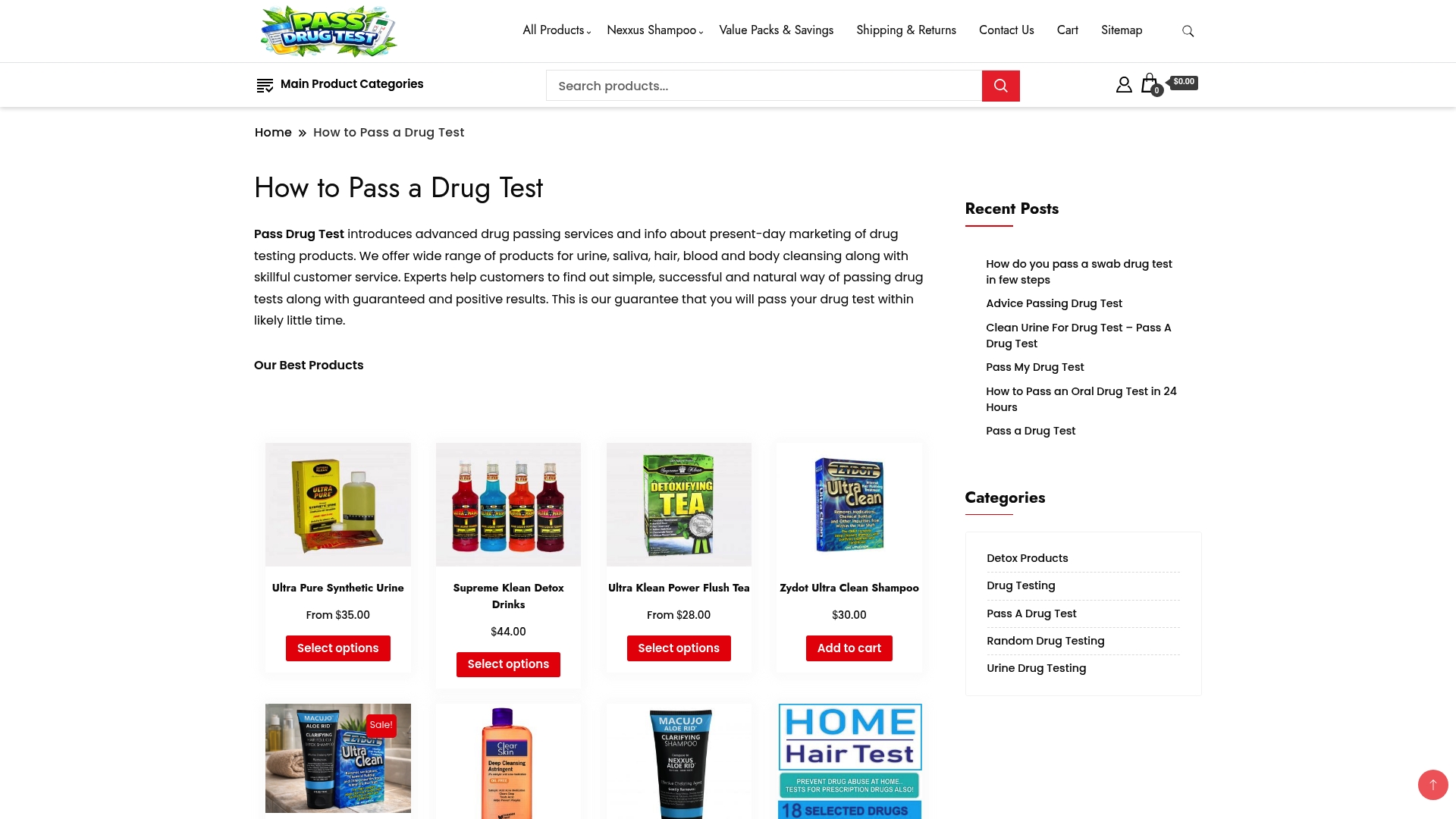
- Hair detox shampoos and kits, including the Macujo Aloe Rid Shampoo, for hair follicle screening.
- Saliva detox options, including saliva detox mouthwash, for swab testing scenarios.
- Urine detox and testing supplies, covered on our urine drug testing page.
None of these products substitute for abstinence when a blood test is on the table. They’re tools for specific test types, and careful timing can help you understand where you stand. Browse our full hair, saliva, and urine testing options to find what matches your situation.
This article is general information, not a substitute for advice from a qualified lawyer. Consult a qualified legal professional about your own circumstances before acting on anything here.
FAQ
How long does it take to pass a weed blood test?
For occasional users, THC in blood often becomes undetectable within a day or two of stopping use. Frequent or daily users face a longer timeline, and monitored studies of chronic smokers have found detectable plasma THC persisting for many days, with rare low-level positives out to 30 days under highly sensitive lab methods.
Can a blood test detect weed use?
Yes, a blood test can detect THC and its metabolites, 11-OH-THC and THC-COOH, with labs capable of measuring THC at levels as low as 0.25 to 0.5 nanograms per milliliter. Detecting THC confirms recent or past use, but it does not always indicate current impairment, particularly in regular users.
How long should you stop smoking weed before a test?
There’s no fixed number that applies to everyone, since detection depends on frequency of use, body composition, metabolism, and the lab’s cutoff level. Stopping as early as possible and confirming which analyte your lab screens for gives you the most accurate sense of your actual risk.
Can you get a blood test after smoking weed?
Yes. Inhaled cannabis produces a more rapid rise in blood THC than oral cannabis, according to pharmacokinetic research on routes of administration. How long it stays detectable afterward depends on your use history and the lab’s testing sensitivity.
Sources
- Extended Plasma Cannabinoid Excretion in Chronic Frequent Cannabis Smokers During Sustained Abstinence and Correlation with Psychomotor Performance – PMC
- Academic