
This guide will not walk you through tampering with a drug test. What it will do is explain exactly what labs check, why temperature matters, what the legal risks are, and what lawful steps you can take right now.
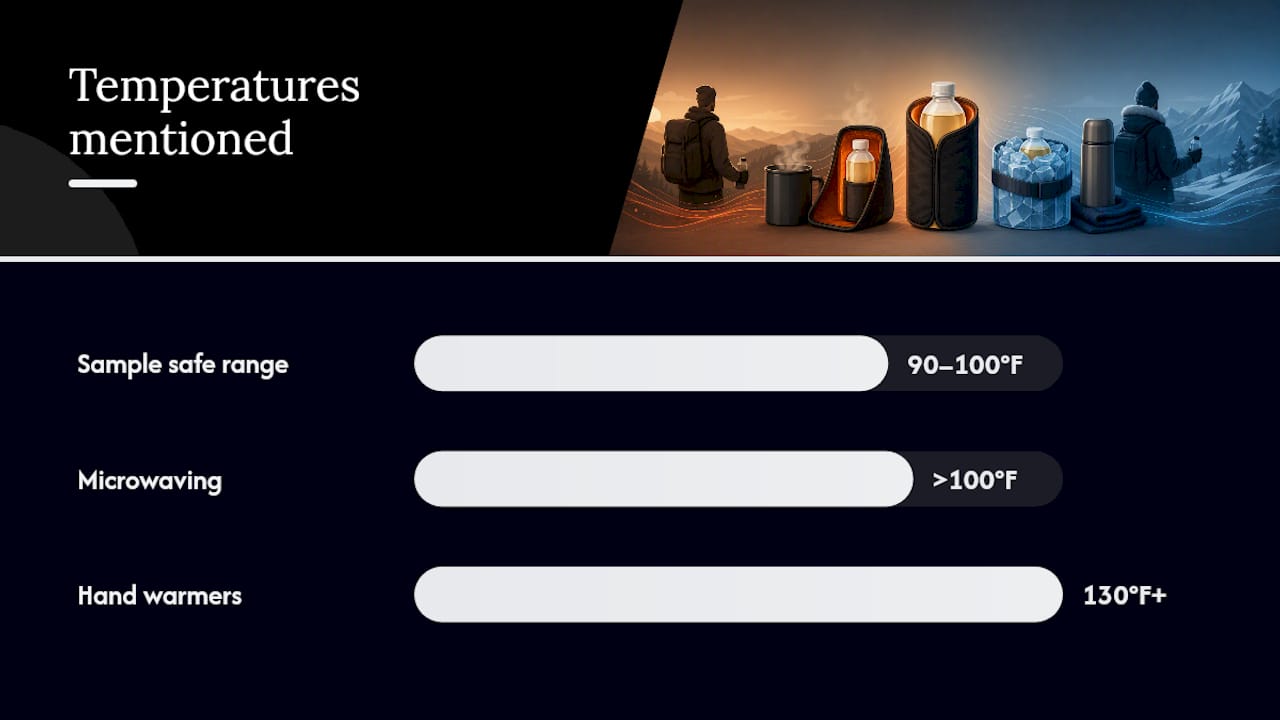
The core fact: Labs expect a freshly voided specimen to read between 90°F and 100°F (32°C–38°C). Any sample outside the expected temperature range raises an immediate flag for substitution or tampering, and attempting to manipulate a specimen can carry serious legal and workplace consequences.
If you are facing an upcoming urine drug test, here are lawful alternatives worth considering today:
- Disclose your prescriptions to the Medical Review Officer (MRO) before or during testing
- Request a split-sample analysis so a second portion of your specimen can be independently tested
- Ask about a supervised or observed collection if you believe the process was mishandled
- Consult HR or a licensed attorney if you face adverse action based on a disputed result
- Seek a medical evaluation if a flagged result may be explained by a health condition or medication
Key Takeaways
Attempting to keep synthetic urine warm for a drug test carries legal, safety, and detection risks that far outweigh any perceived benefit; lawful preparation and disclosure are the only reliable paths forward.
| Point | Details |
|---|---|
| Expected temperature range | Labs require a specimen to read 90°F–100°F (32°C–38°C) at the time of collection. |
| Measurement timing | Collectors measure temperature within four minutes of voiding under DOT/49 CFR 40.65 protocols. |
| Tampering consequences | A substituted or adulterated specimen is treated as a positive result and may trigger criminal liability in some states. |
| Lawful next steps | Disclose prescriptions to the MRO, request a split-sample retest, and consult HR or an attorney if facing adverse action. |
| Passdrugtest’s role | Passdrugtest offers lawful detox preparation products and clear information to help you prepare for a urine or hair follicle test. |
Table of Contents
- What temperature range labs expect from a urine specimen
- How labs measure temperature and verify specimen validity
- Why common warming methods fail and why this guide won’t detail them
- Legal and workplace consequences of tampering with a specimen
- Lawful steps to take before, during, and after a urine drug test
- What over-the-counter detox products can and cannot do
- What labs and employers do when a specimen temperature is out of range
- A word from Passdrugtest
- Passdrugtest has the products you need to prepare lawfully
- Sources
What temperature range labs expect from a urine specimen
Labs use a narrow temperature window because fresh human urine exits the body at close to core body temperature. The widely accepted acceptable range is typically between normal body temperature measured at the collection site. Some agencies apply slightly different cutoffs, but this band is the standard most workplace testing programs follow.
Clinical guidance from hospital systems confirms that urine is warm on voiding and that timely handling is critical for specimen integrity. A sample that reads below 90°F almost certainly cooled too long before measurement, while one above 100°F is physiologically unusual and equally suspicious.
Quick facts about urine temperature:
- Normal body temperature at voiding is approximately 98°F (37°C)
- An uninsulated sample can drop several degrees within two to four minutes at room temperature
- A reading outside the 90–100°F range is documented as a specimen validity failure
- Labs treat both too-cold and too-hot readings as potential indicators of substitution
Statistic callout: The 90–100°F window is the standard range specified in federal workplace drug testing guidance. A specimen outside this range triggers an immediate recollection request under DOT protocols.
How labs measure temperature and verify specimen validity
Collection-site staff measure specimen temperature within four minutes of voiding. That tight window exists because urine cools fast. The temperature strip affixed to the collection cup gives a quick visual read, but it is not a precision instrument. A calibrated thermometer provides a more exact measurement when the strip result is ambiguous.
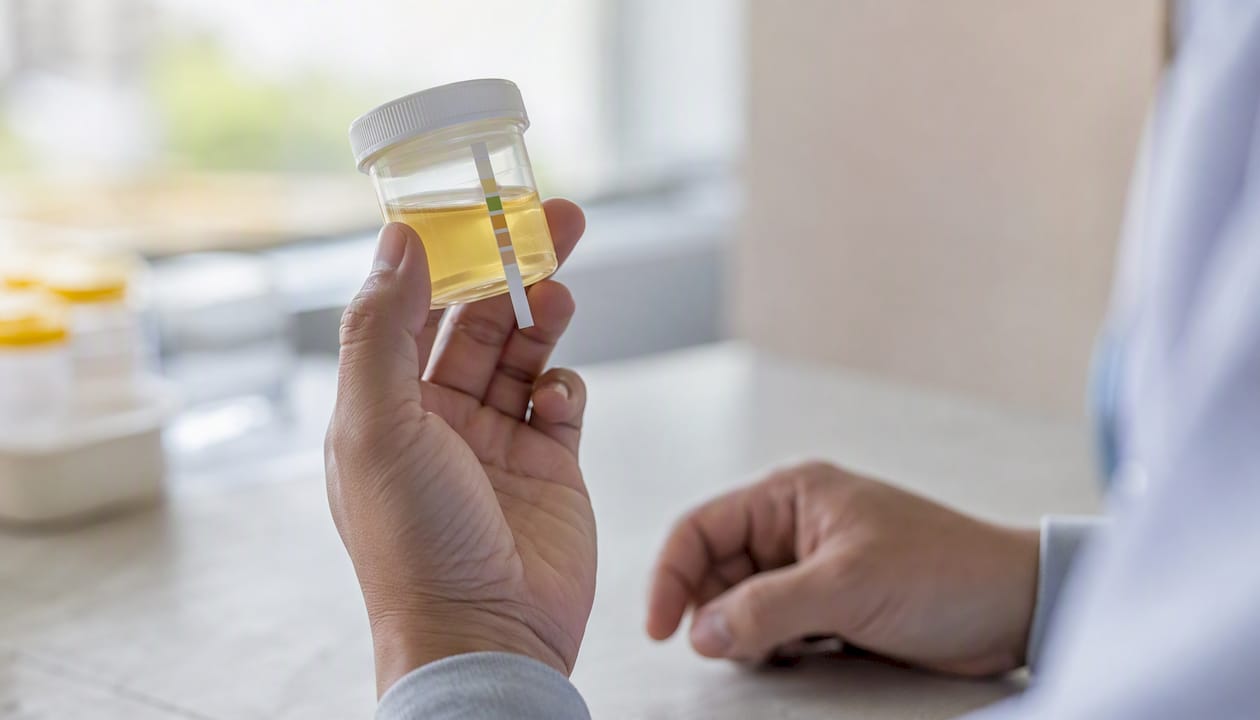
Under 49 CFR 40.65, DOT-regulated programs require collectors to record temperature as part of the specimen validity check. Federal DOT specimen rules further specify that collection personnel must document any anomaly in the chain-of-custody record immediately.
Beyond temperature, labs run several other validity checks:
- Creatinine concentration: Normal urine contains creatinine in a predictable range; values outside that range suggest dilution or substitution
- Specific gravity: Measures how concentrated the urine is; extreme readings indicate adulteration or heavy dilution
- pH: Normal urine falls between 4.5 and 8.5; values outside this band suggest chemical adulteration
- Adulteration indicators: Some panels screen for specific adulterants like bleach, nitrites, or oxidizing agents
Pro Tip: The temperature strip on a collection cup reads correctly only within a short window after voiding. If a collector waits even five minutes before checking, a legitimate sample can read low. If you believe your specimen was measured late, note the time discrepancy and raise it with the MRO.
Why common warming methods fail and why this guide won’t detail them
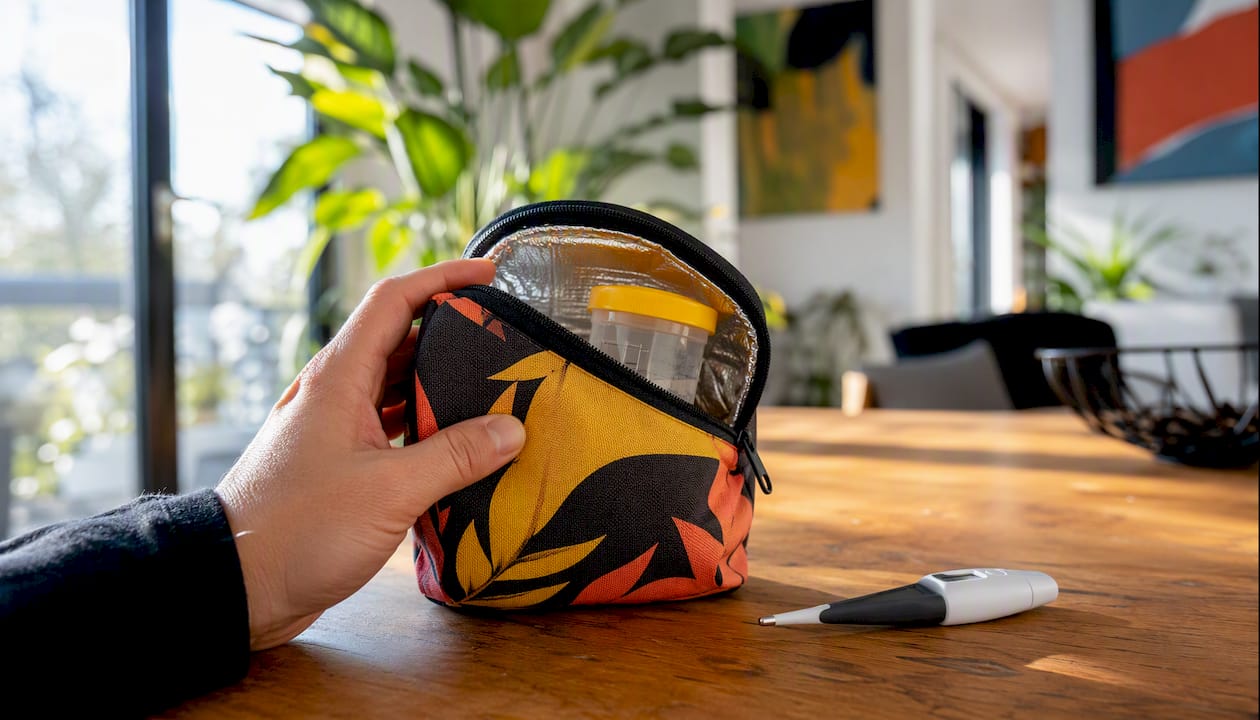
People searching for ways to keep synthetic urine warm often come across a handful of frequently mentioned methods: tucking a sample against the body, microwaving it briefly, using hand warmers, or buying commercial warming kits. None of these approaches is reliable, and each carries its own failure mode.
This guide will not provide step-by-step instructions for any of them. Here is why, at a high level:
- Body heat methods are inconsistent. The sample temperature fluctuates with movement, clothing, and ambient temperature, making it difficult to land in the 90–100°F range at the exact moment of collection
- Microwaving can overheat a sample in seconds, pushing it above 100°F or degrading the chemical composition in ways that trigger adulteration flags
- Hand warmers run hot (often 130°F or higher) and can scorch the container or raise the sample far above the acceptable range
- Commercial warming kits sold for this purpose do not guarantee a stable temperature over the time between preparation and collection
Safety note: Regional medical center guidance warns that heating devices in direct contact with skin or liquid specimens carry real burn and contamination risks. Improvised warming methods are not clinically safe and are not endorsed here.
Specimen validity testing includes both temperature and chemistry checks, so a sample that passes the temperature strip can still fail on creatinine, pH, or adulteration markers.
Legal and workplace consequences of tampering with a specimen
Attempting to substitute or adulterate a urine specimen is not a gray area in federally regulated workplaces. The consequences can be severe and immediate.
Federal rule: Under DOT regulations and 49 CFR 40.65, a verified adulterated or substituted specimen is treated the same as a positive test result. The MRO reports it to the employer, and the employee faces the same consequences as a confirmed positive.
Typical employer and regulatory responses include:
- Immediate removal from safety-sensitive duties for DOT-regulated employees (transportation, aviation, pipeline, transit)
- Termination or disciplinary action per company policy, often without a second chance
- Referral to the MRO for a formal review of the specimen validity finding
- Possible referral to law enforcement in jurisdictions where specimen tampering is a criminal offense
- Permanent record in some federal databases used by regulated industries
Several U.S. states have enacted statutes that specifically criminalize the sale or use of synthetic urine for the purpose of defrauding a drug test. Penalties range from fines to misdemeanor or felony charges depending on the state. Consult an attorney familiar with your state’s laws before taking any action that could expose you to criminal liability.
Lawful steps to take before, during, and after a urine drug test
You have real options that do not put your job or freedom at risk. Work through these steps in order.
- Check your prescriptions and gather documentation. Pull together prescription labels, pharmacy printouts, and a note from your prescribing physician for any medication that could produce a positive result.
- Disclose medications to the collector or MRO before the test. The MRO’s job is to review positive results in light of legitimate medical explanations. A disclosed prescription can turn a positive into a negative MRO determination.
- Ask about split-sample procedures. Under DOT rules, you have the right to request that the B specimen be sent to a second certified lab for independent testing if the A specimen tests positive.
- Request observed collection only if it is required. Observed collection is reserved for specific circumstances (return-to-duty, follow-up testing, or a prior invalid specimen). If it is not required, you can note that in writing.
- Seek a medical evaluation if a specimen flags. A flagged creatinine or specific gravity result can sometimes be explained by a medical condition. A physician’s documentation can support an MRO review.
- Consult HR or an employment attorney if you face adverse action. If your employer moves to discipline or terminate you based on a disputed result, you have the right to challenge it through internal grievance procedures or legal channels.
Pro Tip: When preparing documentation for an MRO review, include the prescription label (showing drug name, dose, and prescribing physician), a pharmacy receipt with the fill date, and a brief letter from your doctor confirming the prescription is current. This package gives the MRO everything needed to make a medically explained determination quickly.
For more on passing a urine drug test through lawful preparation, Passdrugtest has a dedicated resource covering what actually works.
What over-the-counter detox products can and cannot do
The market for detox products is large, and the claims made by some manufacturers are aggressive. Understanding what these products actually do helps you make an informed decision.
Product categories you will encounter:
- Dilution drinks and herbal supplements: These work by increasing urine output and, in some formulations, temporarily restoring creatinine and specific gravity to normal ranges. They do not remove drug metabolites from your body; they reduce their concentration in urine at the time of testing.
- Creatinine boosters: Taken alongside dilution drinks to prevent the specific gravity and creatinine readings from dropping to suspicious levels.
- Detox shampoos: Products like the Macujo Aloe Rid Shampoo target hair follicle testing, not urine testing. They are a separate category entirely.
Practical limitations:
- No OTC product reliably guarantees a negative result. Detection windows, metabolite levels, and individual metabolism vary too much
- Some products alter sample chemistry in ways that can raise adulteration flags if the dilution is extreme
- Products have expiration dates, and an expired formula may not perform as labeled
Safety callout: Some detox drinks contain high doses of B vitamins, herbal diuretics, or other compounds that can interact with medications or underlying health conditions. Check with a healthcare professional before using any detox product, especially if you take prescription medications.
For a full breakdown of synthetic urine products and their proper use, Passdrugtest covers the key facts without the hype.
What labs and employers do when a specimen temperature is out of range
An out-of-range temperature reading does not automatically end the process. Here is what typically happens next.
Immediate actions at the collection site:
- The collector documents the temperature anomaly in the chain-of-custody record
- A second collection is requested immediately, usually observed
- The original specimen may be retained for confirmatory testing or discarded per protocol
After the collection site:
- The MRO receives the chain-of-custody record noting the temperature discrepancy
- If a second specimen was collected and tests positive, the MRO reports a positive result to the employer
- If the donor refused the second collection, that refusal is treated as a positive under DOT rules
Timeline you can expect:
- Within 24 hours: Employer is typically notified of a specimen validity issue or positive result
- Within 48–72 hours: MRO review is usually completed; the donor may be contacted for a medical explanation
- Split-sample request window: Under DOT rules, you have 72 hours from MRO notification to request a B-specimen retest at a second certified lab
Specimen-collection instructions from hospital-affiliated labs emphasize recording the time of collection and initial temperature checks precisely because downstream MRO review depends on that documentation being accurate.
A word from Passdrugtest
At Passdrugtest, we are direct about what we will and will not help with. Providing instructions for tampering with a drug test is not something we do, because the legal and personal risks to you are real and serious. What we do offer is a range of lawful preparation products and clear information so you can make informed decisions.
If you are preparing for a urine test, our drug test detox products are a practical starting point. For those facing a hair follicle test, our products for clean urine and hair detox solutions give you options that work within the rules.
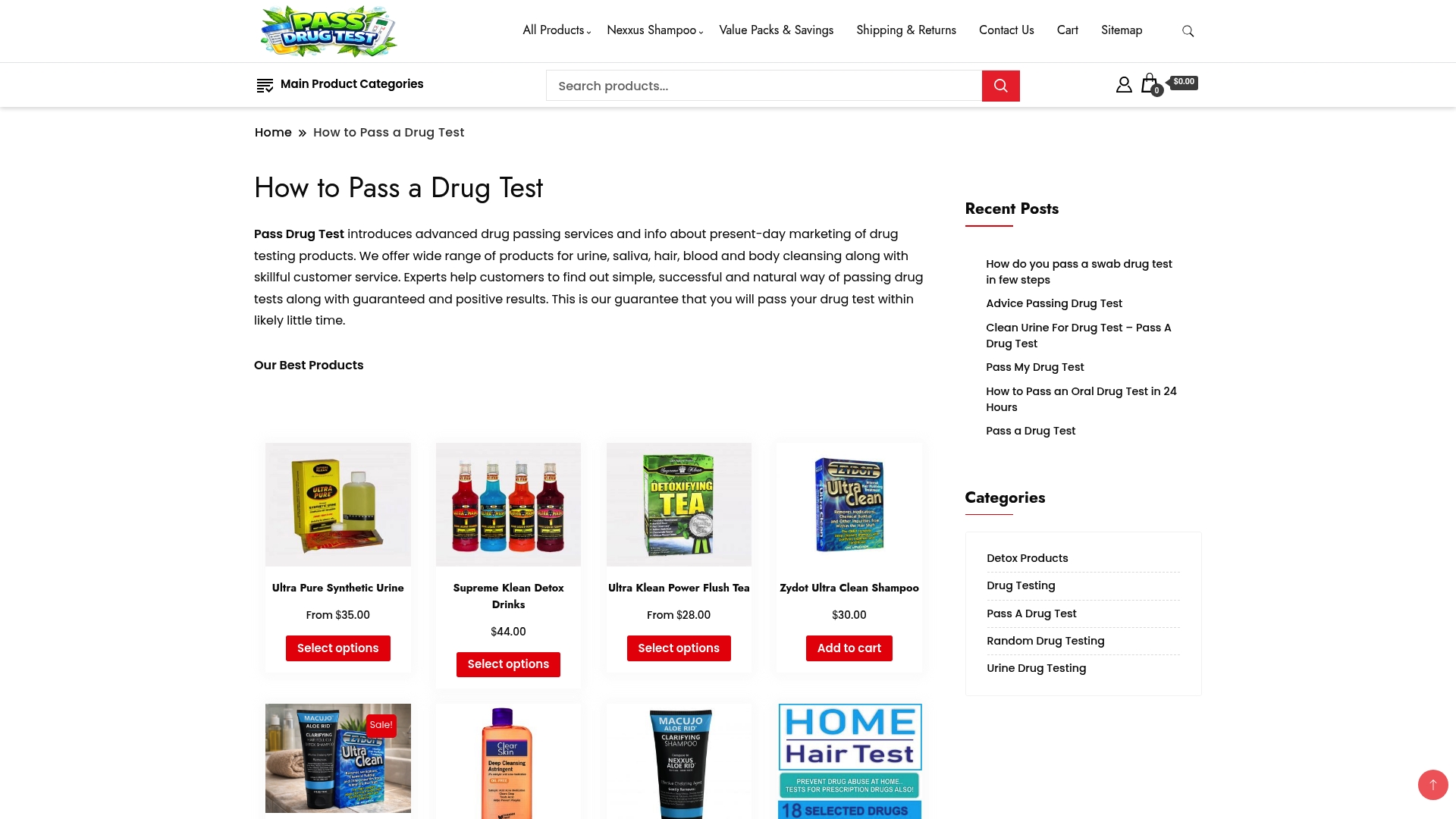
Browse Passdrugtest’s full range of preparation products and find the right solution for your test type at Passdrugtest.
Passdrugtest has the products you need to prepare lawfully
Facing a drug test is stressful, and you deserve straight answers and real options. Passdrugtest carries a full range of drug test detox products designed for people who want to prepare effectively and stay on the right side of the rules. From dilution support drinks to urine testing kits that let you check your own levels before the official test, every product in the store is aimed at lawful preparation.
Check out the full product range at Passdrugtest and find what fits your situation.
This article is general information, not a substitute for advice from a qualified lawyer. Consult a qualified legal professional about your own circumstances before acting on anything here.