
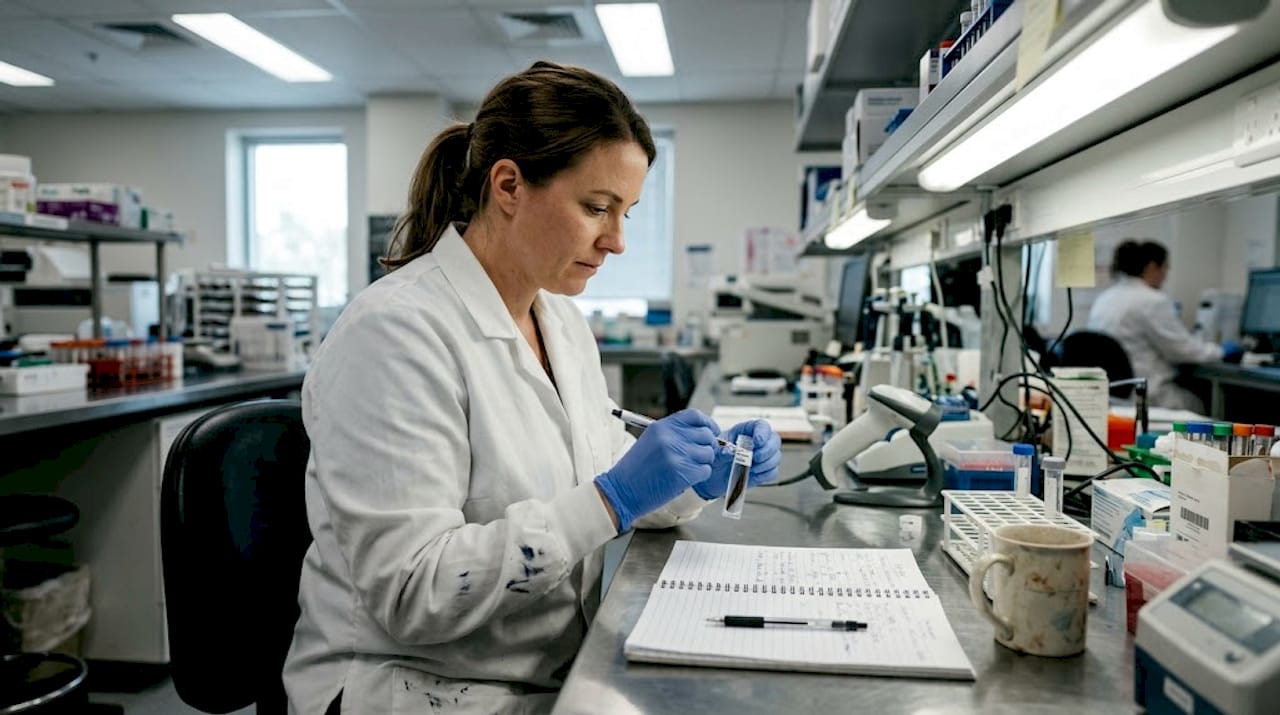

Facing a hair drug test as a THC user is genuinely stressful. The stakes are high, whether it’s a new job, a legal requirement, or a workplace screening. And the internet is full of conflicting advice, miracle shampoo claims, and home remedy tips that sound convincing but fall apart under scrutiny. This guide cuts through the noise. We’re answering the most common questions about hair follicle drug testing with real science, honest assessments, and practical strategies so you know exactly where you stand and what your options actually are.
Table of Contents
- How hair drug tests detect THC: The science explained
- Detection windows and factors that affect your results
- Common methods for passing and why most fail
- Special cases, myths, and what labs really look for
- Our expert take: Why the only proven strategy is time, not products
- Get support, products, and real answers for your next test
- Frequently asked questions
Key Takeaways
| Point | Details |
|---|---|
| Hair tests reveal use pattern | Hair drug tests detect THC use over the past 90 days by analyzing internal metabolites, not surface residue. |
| Detox products are unreliable | Lab sources confirm no detox shampoo or home remedy can guarantee a negative result. |
| Time and abstinence work | Allowing hair to grow out and staying clean is the only certain strategy for passing a hair drug test. |
| Factors affect detection risk | Usage frequency, hair color, and sample site (head or body) impact your result and window of detection. |
How hair drug tests detect THC: The science explained
Now that you’ve got a sense of what’s at stake, let’s get to the root of how these tests actually work.
When you consume THC, your body breaks it down into metabolites. The primary one is THC-COOH, a byproduct that circulates through your bloodstream. As your hair grows, it absorbs these metabolites from the blood supply feeding the follicle. That means THC metabolites incorporated into the hair shaft via the bloodstream are what labs are actually looking for, not active THC, and not residue from touching or being near cannabis.
Hair grows at roughly 0.5 inches per month. The standard sample collected is 1.5 inches, taken from the scalp close to the root. That length represents approximately 90 days of growth. Understanding how THC levels are detected in the follicle helps clarify why surface washing alone cannot remove what’s already locked inside the hair shaft.
The LabCorp hair test process involves two stages: an initial immunoassay screen, followed by GC-MS or LC-MS/MS confirmation for any positive result. This two-step approach is designed for high accuracy and to eliminate false positives.
| Sample length | Metabolite detected | Detection method |
|---|---|---|
| 1.5 inches (scalp) | THC-COOH | Immunoassay + GC-MS |
| Longer (body hair) | THC-COOH | Immunoassay + GC-MS |
| Less than 0.5 inches | Inconclusive | May be refused |
Key facts to remember:
- Only internal consumption creates detectable metabolites in hair
- External contact with cannabis smoke or residue does not cause a positive result
- The test window is tied directly to how much hair is collected
“Hair drug testing focuses on internal consumption patterns, not surface exposure. Metabolites embedded in the hair shaft reflect what your body processed, not what your hair touched.”
Detection windows and factors that affect your results
With the mechanics covered, the next logical question is: how far back can a hair test see, and what most influences your chances?
The standard detection window is up to 90 days for scalp hair and up to 12 months for body hair, which grows more slowly and retains metabolites longer. Hair grows at an average of 0.5 inches per month, so the 1.5-inch sample captures roughly three months of use history.
However, results may differ significantly based on whether you’re a one-time, occasional, or chronic user. Frequency and volume of use directly affect how much THC-COOH gets deposited into the hair shaft.
| Use pattern | Typical detection length |
|---|---|
| Single use | Potentially 1-7 days post-use in hair |
| Occasional (1-3x/week) | Up to 30-60 days |
| Chronic (daily) | Up to 90 days (scalp), 12 months (body) |
Other factors that influence your detection timeframes for marijuana in hair include:
- Hair color: Darker hair contains more melanin, which binds to drug metabolites more readily
- Metabolism rate: Faster metabolism may reduce metabolite concentration in hair
- Body fat percentage: THC is fat-soluble, so higher body fat can mean longer overall retention
- Frequency of use: Daily users accumulate far more metabolites than occasional users
One important myth to address: shaving your head does not beat the test. Labs will collect body hair from your arms, legs, or chest instead. If no usable sample can be collected at all, this is typically treated as a refusal, which carries its own consequences.
Statistic callout: Average hair grows 0.5 inches per month, meaning a standard 1.5-inch sample covers roughly 90 days of use history.
Common methods for passing and why most fail
Now that you know what affects the test, you’ll want to decide how to prepare. Here’s what you need to know about every so-called solution.
There are several popular strategies people try when facing a hair follicle test. Let’s go through them honestly:
- Detox shampoos: Marketed as capable of stripping metabolites from hair. Some use aggressive chemical formulas, but no product has been independently proven to fully remove embedded THC-COOH from the hair shaft.
- Home remedies: Bleach, vinegar, baking soda, and similar treatments are widely discussed online. These can damage hair but do not reliably remove internal metabolites.
- Time and abstinence: The only method with a clear scientific basis. Stop using THC, wait for new clean hair to grow, and let the contaminated portion grow out or be trimmed.
The reality about passing a hair drug test is that most approaches are built on marketing claims, not lab-verified results. When it comes to marijuana hair test details, labs are not testing surface residue. They are testing what’s inside the hair shaft, and no shampoo reaches that.
“No guaranteed detox methods exist; shampoos and home remedies are unreliable when evaluated against lab testing standards.”
Bleaching and dyeing are particularly risky. Bleaching or dyeing is easily detected by labs and can result in sample rejection, which may be treated as a failed test. Beyond that, aggressive chemical treatments can make hair too damaged to test, prompting labs to collect body hair instead.
Pro Tip: If you have time before your test, abstinence combined with regular trimming of older hair growth is the most reliable risk-reduction strategy you have. No product can replace this.
The hair test accuracy for chronic users is high. Labs have refined their processes specifically to counter tampering attempts, making it harder than ever to fool a modern hair drug screen.
Special cases, myths, and what labs really look for
Beyond mainstream advice, there are a few lesser-known scenarios, misconceptions, and nuances that could make or break your result.
One of the most persistent myths is that secondhand marijuana smoke can cause a positive hair test. It cannot. Labs use a washing procedure before testing that removes external contamination. Only THC-COOH that entered the hair through your bloodstream will remain after washing, so passive exposure is not a legitimate concern.
Here are some edge cases worth knowing:
- Melanin bias: Studies suggest darker hair may bind more metabolites, potentially making tests more sensitive for people with dark hair
- Single-use detection: Hair tests have lower sensitivity for one-time use, with detection rates estimated between 39% and 75% for infrequent users
- Shaving: As noted, labs will use body hair if scalp hair is unavailable
- Chronic use: Detection is highly reliable for daily or near-daily users
Labs use washing, immunoassay screening, and GC-MS for confirmation, with high specificity designed to avoid false positives. The two-step process means a positive result has been verified twice before it’s reported.
Edge cases like poor detection of single use and melanin bias are real, but they are not reliable strategies. You cannot predict which side of the sensitivity range your sample will fall on.
For anyone exploring hair strand testing scenarios in more depth, understanding lab procedure is critical to making informed decisions.
Pro Tip: Never attempt to alter, damage, or chemically treat your hair before a test. Labs are specifically trained to identify tampered samples, and a rejected or suspicious sample rarely works in your favor.
Our expert take: Why the only proven strategy is time, not products
Having covered the facts, it’s essential to cut through misinformation and share what experience and science jointly reveal.
We’ve seen a lot of products come and go, and we understand the appeal of a quick fix when a test is days away. But here’s the uncomfortable truth: the lab process is specifically designed to defeat surface-level solutions. Washing steps, immunoassay screens, and GC-MS confirmation work together to detect what’s inside the hair, not on it. No shampoo or home remedy changes that equation.
The real risk most guides skip is anxiety-driven decision-making. People panic, buy multiple products, try aggressive home treatments, and end up with damaged hair that raises flags at the lab. That’s worse than doing nothing.
What actually lowers risk? Abstinence and time to minimize metabolite levels in new growth. If you have a test coming up and time on your side, stop using THC now, trim old growth regularly, and let clean hair replace contaminated hair. If you’re managing a complex situation, talk to HR about testing policies or consult a clinic about your options before assuming the worst.
For anyone serious about passing hair drug test strategies, the most valuable thing you can do is understand the science and plan accordingly, not react impulsively.
Get support, products, and real answers for your next test
If you’re facing a test soon, here are your next steps and resources for support.
We know the pressure is real, and we want to help you navigate it with clear information and quality products. While abstinence and time are the gold standard, we also carry hair detox shampoos designed to support your preparation process, including our flagship Macujo Aloe Rid Shampoo, which is the most advanced option available for this purpose.
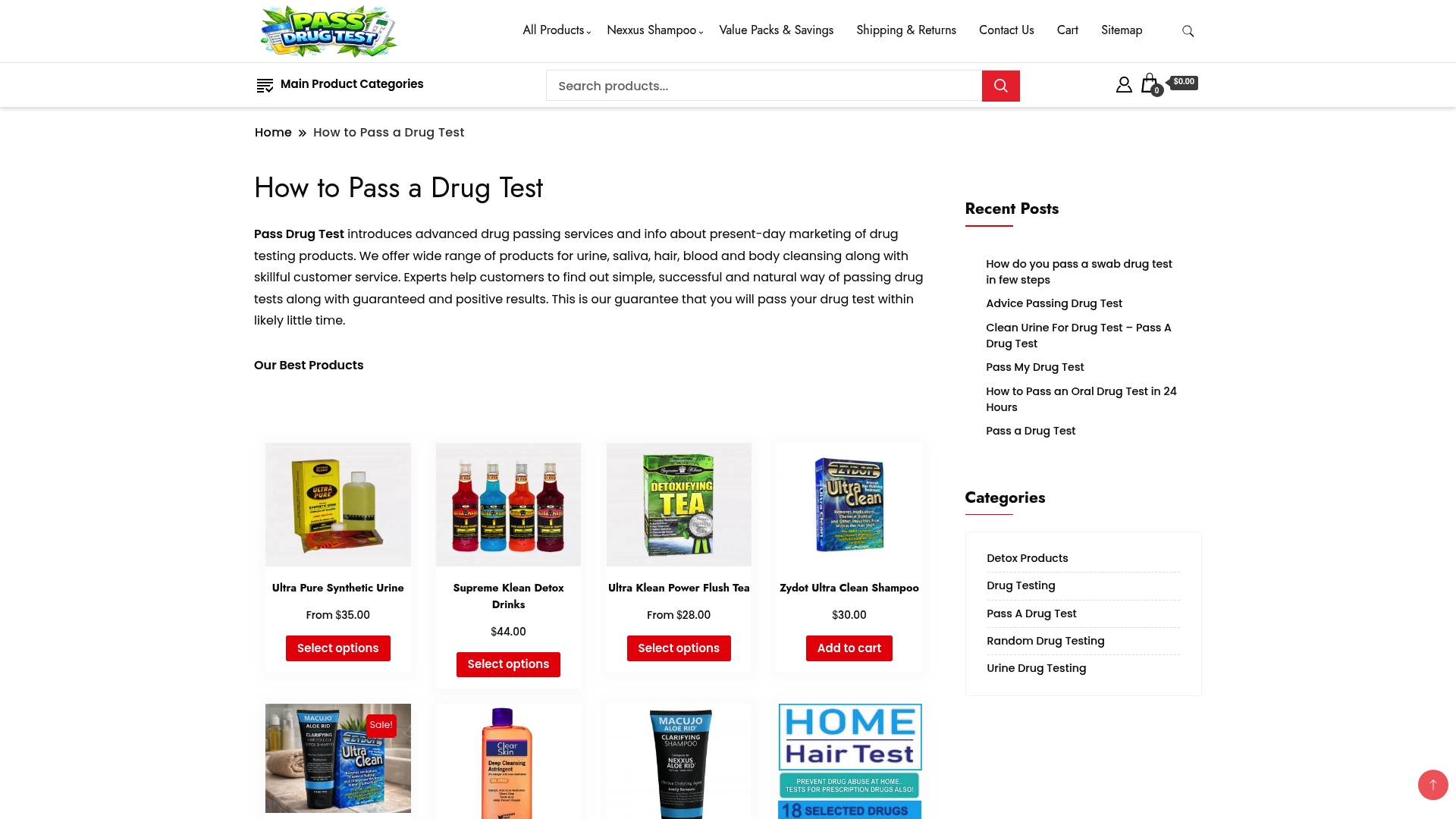
Browse our full range of trusted detox products and read detailed guides on passing a hair drug test to understand exactly what each step involves. Our product experts are also available if you have a specific situation and need personalized guidance. You don’t have to figure this out alone.
Frequently asked questions
How far back does a hair drug test detect THC use?
Hair drug tests typically detect THC usage up to 90 days for scalp hair and up to 12 months for body hair due to slower growth rates.
Will detox shampoos help me pass a hair drug test?
No detox shampoo or home remedy is guaranteed by labs to produce a negative result; time and abstinence remain the only certain risk-reduction strategy.
Does dyeing or bleaching hair help avoid a positive result?
Bleaching or dyeing is easily detected by labs and can result in sample rejection or additional testing, which rarely works in your favor.
Can secondhand marijuana smoke cause a positive result?
No. Lab washing procedures remove surface contamination, so only metabolized THC that entered the hair through your bloodstream is detected in a confirmed positive.
Is it possible to test negative after recent use?
Yes, in some cases. Use within 5-10 days prior to testing may not appear in hair results, as metabolites need time to grow into the testable portion of the hair shaft.