
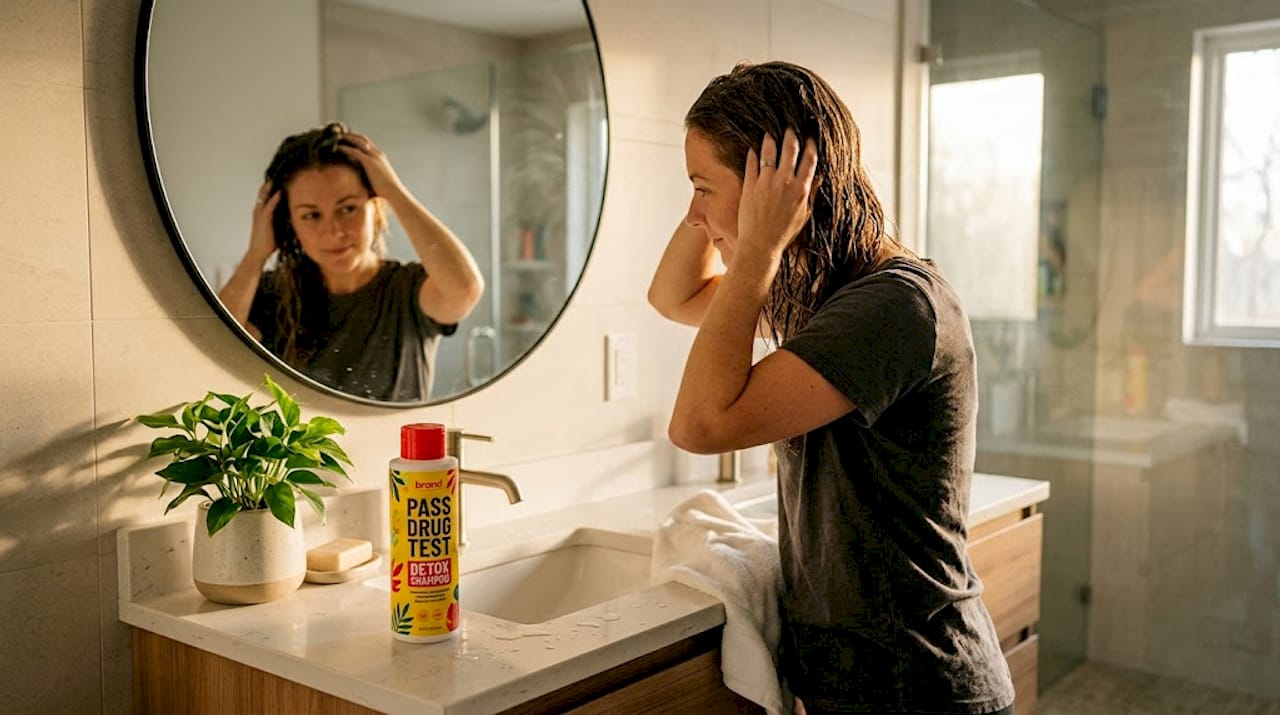

Many THC users assume that washing their hair a few times before a drug test will be enough to pass. That belief costs people jobs, opportunities, and peace of mind every year. Hair follicle drug tests are specifically designed to detect THC metabolites that are locked deep inside the hair shaft, not just sitting on the surface, and a 90-day detection window makes them one of the toughest tests to beat. If you’re facing one of these tests and wondering what detox can realistically do for you, this guide will give you straight answers.
Table of Contents
- How hair follicle drug tests detect THC
- What does detox mean for hair drug tests?
- Popular detox methods and their actual effectiveness
- Who detox is (and isn’t) likely to help
- Steps to maximize your detox strategy
- The uncomfortable truth about detox and drug testing
- Find the right hair detox solution for your needs
- Frequently asked questions
Key Takeaways
| Point | Details |
|---|---|
| Hair tests detect deep THC | Only metabolites embedded inside hair—not surface traces—are measured in hair follicle drug tests. |
| Detox shampoos have limits | While products like Aloe Rid can help, there’s little scientific evidence and results vary widely. |
| Heavy users face lower odds | Frequent THC users or those with coarse hair are less likely to successfully detox hair in time. |
| Follow proven routines | Proper technique and realistic expectations are crucial if attempting a hair detox before testing. |
| Labs counter surface cleaning | Lab processes remove external contamination, so only detoxes that affect the hair cortex matter. |
How hair follicle drug tests detect THC
Hair follicle testing works differently from urine or saliva tests. When you consume THC, metabolites enter your bloodstream and eventually get deposited into growing hair follicles. As your hair grows, those metabolites become physically embedded inside the hair shaft itself, locked in a protein structure called the cortex.
Hair grows at roughly half an inch per month. Lab technicians collect a 1.5-inch sample from the scalp, which covers approximately 90 days of history. This is not a rough estimate. It’s a highly specific window that captures everything you’ve used in the past three months.
Here’s what makes these tests particularly difficult to beat:
- Embedded metabolites are chemically bonded inside the hair shaft and cannot be rinsed away with regular shampoo
- Labs use advanced confirmation tests like gas chromatography-mass spectrometry (GC-MS), a highly accurate analytical method that identifies specific drug metabolites at low concentrations
- Surface contaminants are removed by the lab before testing begins, so any cleaning you do on the outside of the hair doesn’t interfere with results
- Hair structure protects metabolites from most external chemicals, acting as a physical barrier against removal
Labs also understand that people try to cheat. GC-MS confirmation testing is the industry standard precisely because it’s resistant to surface-level manipulation. The lab washes the sample using their own protocols before analysis, effectively neutralizing anything you may have applied at home. Understanding this is the foundation of an honest detox strategy.
You can learn more about the specifics of hair sample analysis and THC levels in hair testing to get a fuller picture of what labs actually look for.
What does detox mean for hair drug tests?
When people say “detox,” they usually mean removing toxins from the body. In the context of hair drug testing, detox takes on a very specific meaning. It’s not about what’s in your bloodstream or urine anymore. By the time THC metabolites show up in your hair, they’re already locked inside the hair structure itself.
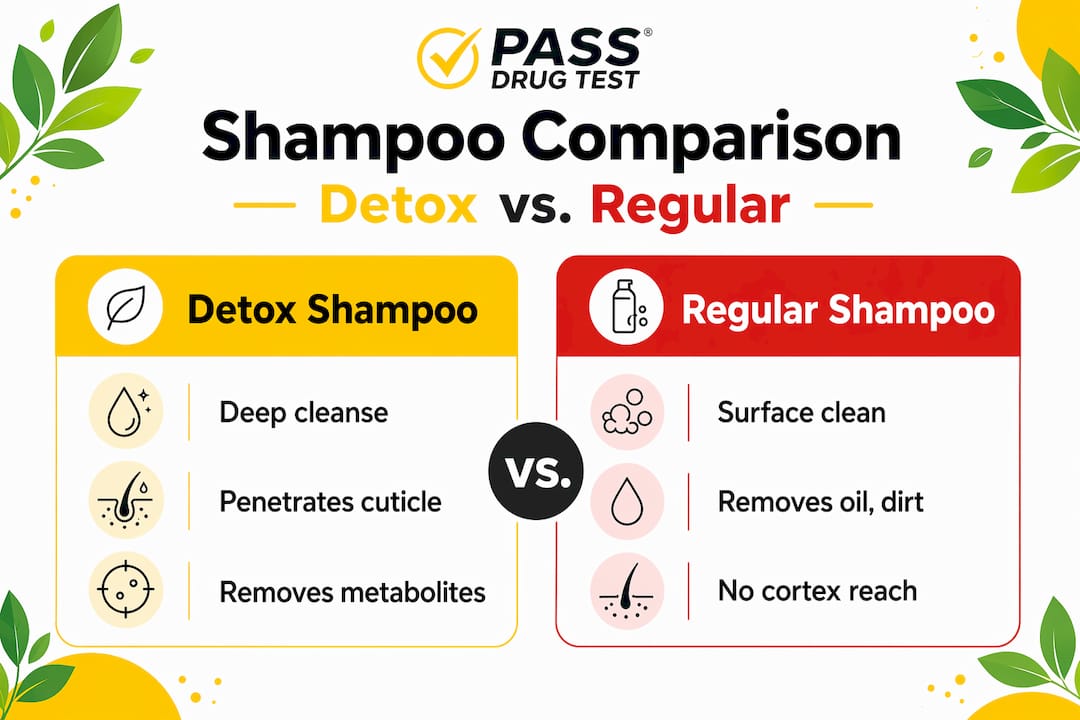
True hair detox means attempting to break through the outer layer of the hair strand, called the cuticle, and remove or destroy the metabolites trapped in the inner cortex. That’s a fundamentally different challenge from simply washing the surface of your hair.
Here’s a comparison of what different cleaning approaches actually accomplish:
| Method | What it cleans | Reaches cortex? | Reduces test risk? |
|---|---|---|---|
| Regular shampoo | Surface oils and dirt | No | No |
| Clarifying shampoo | Product buildup | Minimally | Very unlikely |
| Detox shampoo (e.g., Aloe Rid) | Surface and partially the cuticle | Potentially | Possible with repeated use |
| Macujo method | Cuticle and upper cortex | More likely | Higher chance vs. shampoo alone |
| Bleaching/chemical processes | Structural damage to cortex | Yes, but damages hair severely | Variable, not reliable alone |
Products like Aloe Rid use solvents such as propylene glycol, which aim to penetrate the hair cuticle and work deeper than standard shampoo formulas. The idea is that repeated use opens the cuticle enough to allow the active ingredients to interact with metabolites in the cortex below.
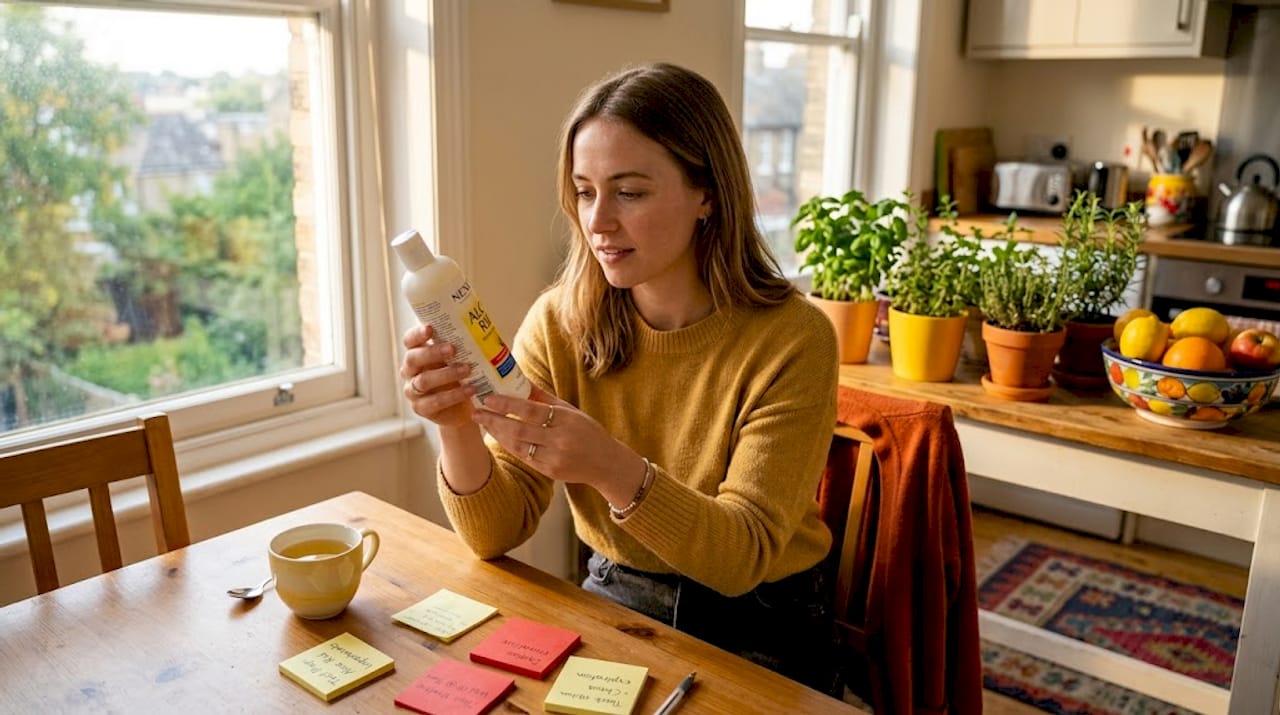
The critical point is that regular shampoos, regardless of how premium or natural they are, are formulated for surface cleaning. They cannot reach the cortex. Labs already know this, and their washing protocols are designed to remove exactly the kinds of residues a casual user might apply. Removing THC from hair at the cortex level requires a product strong enough to actually alter the hair’s physical structure.
Pro Tip: Start your detox regimen as early as possible, ideally two to three weeks before your test date. Repeated treatments over time are far more effective than a single intense session the night before.
Popular detox methods and their actual effectiveness
There’s no shortage of information online about how to pass a hair drug test, but the quality of that information varies widely. Some methods are grounded in real chemistry. Others are myths that have been repeated so many times they’ve taken on a false authority.
Here’s a breakdown of the most common approaches:
- Macujo method – Uses a multi-step combination of products including Aloe Rid shampoo, vinegar, and other agents to systematically open the hair cuticle and attempt to flush out metabolites. It’s the most widely discussed method among users preparing for a hair drug test and has the most anecdotal support.
- Aloe Rid shampoo alone – Used repeatedly as a standalone product. Effective for light users with sufficient lead time, but not sufficient on its own for heavy or chronic use.
- Ultra Clean shampoo – A day-of treatment designed to lower surface contamination. Works best as the final step in a longer protocol, not as the only method.
- Baking soda paste – A homemade solution with no scientific backing. Mildly abrasive, but cannot reach metabolites inside the cortex.
- Hair bleaching – Chemically damages the hair shaft and may reduce metabolite concentration, but does not eliminate them. Labs can still detect THC in bleached hair, and extreme chemical damage may raise red flags.
“Detox shampoos like Aloe Rid play a role in popular methods like the Macujo Method for THC hair tests, but lack scientific validation; success relies on anecdotes amid expert warnings of low efficacy.”
The anecdotal record does matter, even without clinical studies. Thousands of users have reported passing after following structured protocols. But anecdotes also come with survivor bias. People who fail don’t always report back. The users who passed may have been lighter users, had more lead time, or had favorable hair characteristics. Relying on forum posts alone is risky.
What separates the Macujo method from other approaches is the systematic way it targets the cuticle. Rather than a single product, it combines multiple agents that work together. You can explore a thorough breakdown of detox drinks and methods to see how these protocols compare in real-world use.
Who detox is (and isn’t) likely to help
Not everyone starts from the same position when it comes to hair detox. Your likelihood of success depends heavily on your personal usage patterns and physical characteristics.
Here are the key factors that affect your detox outcomes:
- Frequency of use – Occasional users with one to two uses per week have a meaningfully better chance than daily users, simply because less THC is deposited in the hair to begin with
- Recency of last use – If you stopped using THC at least 30 days before your test, the newest hair growth near the scalp may be clean, reducing the amount of contaminated hair in the test sample
- Hair color and texture – Darker or coarser hair binds more THC metabolites due to higher melanin content, making detox harder and less predictable
- Body hair – If the lab collects body hair instead of head hair (which they may do if your head hair is too short), that presents a bigger problem because body hair grows more slowly and can reflect a longer usage history
- Hair length and treatments – Previously bleached or chemically treated hair may already have compromised structure, which can work in your favor or against you depending on the situation
Pro Tip: If you have darker or coarser hair, plan for a longer detox timeline and more treatment sessions. Standard timelines designed for lighter hair may not apply to you.
For heavy or chronic users, detox significantly lowers the odds of success. The concentration of metabolites is simply too high for any shampoo protocol to reliably eliminate. This doesn’t mean detox is useless, but it does mean your expectations need to be grounded in reality. A thorough hair detox guide can help you map out a realistic plan based on your specific situation, and understanding THC detox timelines helps you set the right targets.
Steps to maximize your detox strategy
If you’ve decided to move forward with a detox protocol, following a clear and structured plan gives you the best possible chance. Randomizing your approach or combining too many products without a plan can damage your hair without improving your results.
Here’s how to approach it the right way:
- Stop using THC immediately – Every day of abstinence reduces the amount of fresh metabolites entering new hair growth. The sooner you stop, the better.
- Choose a proven product, not a cheap substitute – Aloe Rid shampoo has the strongest track record in the detox community. Cutting corners with unverified alternatives usually means wasting money and time.
- Follow official method instructions – The Macujo method has specific steps, product combinations, and timing. Following them correctly is not optional. Skipping steps or substituting products reduces effectiveness.
- Repeat treatments consistently – One treatment is not enough. Multiple sessions over several days are required to have any real impact on embedded metabolites.
- Use Ultra Clean as a final step – On the day of your test, use a finishing treatment like Ultra Clean to minimize any remaining surface-level contamination.
- Avoid extreme methods you read about on forums – Bleaching your hair with high-volume developer or applying acetone carries serious risks of scalp damage and doesn’t reliably remove metabolites anyway.
- Don’t contaminate your hair before the test – Avoid secondhand smoke exposure and keep your hands clean after touching surfaces that could carry THC residue.
Pro Tip: Use a dedicated hair detox checklist to track your treatment sessions, timing, and product applications. Consistency is what makes the difference between a plan that works and one that doesn’t.
The uncomfortable truth about detox and drug testing
We’ve seen a lot of users come through looking for a guaranteed solution. After years of helping people navigate hair drug testing, we feel a responsibility to say something direct: no detox product can guarantee you pass a hair follicle drug test. Anyone who tells you otherwise is selling you hope, not science.
What detox products can do is meaningfully reduce the concentration of metabolites in your hair, particularly when used correctly, early enough, and with the right combination of products. For light-to-moderate users with adequate preparation time, a well-executed detox protocol gives you a real fighting chance. That’s not nothing.
But the uncomfortable truth is that for heavy chronic users, especially those notified of a test with only a few days’ notice, even the best products on the market face an uphill battle. The science of how metabolites are deposited and locked inside the hair shaft doesn’t leave a lot of room for miracles.
The smarter approach is to understand exactly what you’re working with before you spend money or subject your hair to repeated chemical treatments. Take stock of your usage history, your hair type, and your timeline. Use that information to decide whether a detox protocol is worth pursuing or whether a different strategy, like negotiating your test date or disclosing your situation to a trusted advisor, might serve you better.
We’re not here to discourage you. We’re here to make sure you’re making choices based on facts, not marketing claims. The resources on passing hair follicle drug tests can help you think through this clearly and strategically, not just reactively.
Find the right hair detox solution for your needs
If you’ve worked through this guide and you’re ready to take action, the next step is choosing the right products and building a protocol you can actually follow. Not all detox shampoos are equal, and buying the wrong one wastes both money and time you may not have.
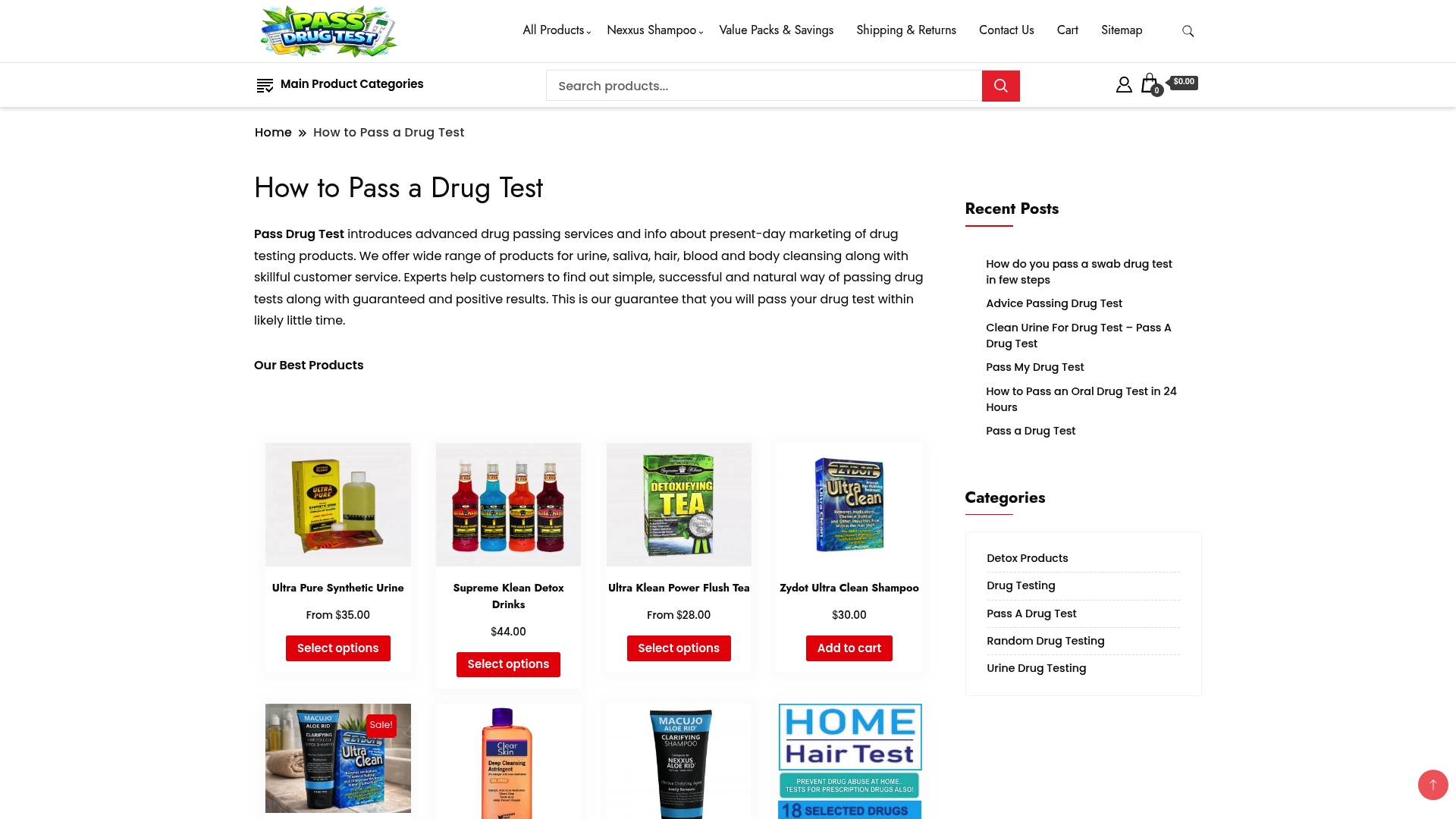
We’ve put together detailed resources on the best detox shampoos available for hair drug tests, including comparisons, user experiences, and usage guidance. Our flagship Macujo Aloe Rid shampoo is formulated specifically for this purpose and is the most trusted option among users preparing for a hair follicle test. You can also browse our full selection of hair follicle shampoo options to find the right fit for your timeline, hair type, and budget. We’re here to help you make an informed decision, not just a purchase.
Frequently asked questions
How far back do hair follicle drug tests check for THC?
Hair follicle tests can detect THC metabolites for up to 90 days, analyzing 1.5 inches of hair from the scalp. This makes them the longest-range drug test currently in common use.
Does Aloe Rid shampoo really work for hair follicle drug tests?
Aloe Rid is part of the most popular detox methods, but it lacks scientific validation and success is based largely on personal accounts. It works best when used repeatedly as part of a structured protocol, not as a single-use solution.
What makes hair detox products different from regular shampoos?
Hair detox products use solvents like propylene glycol to penetrate the hair cuticle, which regular shampoos cannot do. Standard shampoos are made for surface cleaning and have no ability to reach metabolites inside the hair cortex.
Do labs know if I’ve used detox products on my hair?
Labs wash hair samples using their own protocols before testing, which removes surface contamination. This means external products you apply at home don’t protect embedded THC metabolites from being detected.
Does hair color or type affect detox effectiveness?
Yes. Darker or coarser hair binds more THC metabolites due to higher melanin content, which makes detox harder and less predictable. Users with these hair characteristics should plan for extended treatment timelines.