
The best preparation for a urine drug test is knowing exactly how the test works: what the collector will ask of you, what the lab checks besides the drug itself, and how long THC can stay in your system. Most people who get caught off guard by a urine test are not caught by the drug. They are caught by a dilute sample, a missed ID, an undisclosed prescription or a poppy seed bagel. This guide walks you through each of those, step by step, so you walk into the collection site calm and ready.
TL;DR
- Bring a valid photo ID, expect to empty your pockets and wash your hands, and plan to be observed handing over a sealed sample.
- Urine tests for THC show historical exposure, not impairment, so frequent users can test positive for weeks after their last use.
- Over-drinking water backfires: labs flag dilute samples, and a dilute result can mean a retest or be treated as a failure by some programs.
- Tell the collector and the Medical Review Officer about every prescription and over-the-counter medication, and be aware that poppy seeds can trigger an opiate screen.
- Start early. The more days you have before the test, the more options you have.
Table of Contents
- What a urine drug test actually looks for
- Know your test before you prepare
- What happens at the collection site
- How long THC stays in urine
- The water trap: why dilute samples cause trouble
- Do not tamper with the sample
- Medications, foods and false positives
- A practical timeline
- Our perspective: preparation is mostly about information
- Where our products fit in
- Common mistakes to avoid
- Know your rights and your options
- FAQ
- Sources
What a urine drug test actually looks for
Urine is the most common sample for drug testing. MedlinePlus notes that urine is the most commonly used specimen, and in federally regulated programs it is the required primary specimen. Most employer panels, probation programs and pre-employment screens follow the same basic structure.
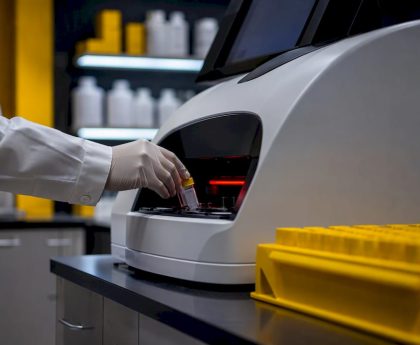
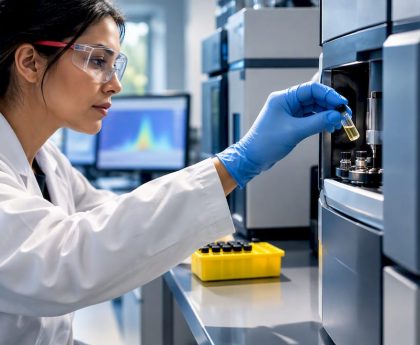
There are two stages. First, an initial screen uses antibodies to detect a drug or its metabolites. NIDA explains that these screens work like a lock and key, which means they can sometimes react to other substances, including prescribed medications, that share a similar molecular shape. A presumptive positive is then verified with a more specific method, gas chromatography-mass spectrometry (GC-MS).
Second, the lab checks the sample itself. Federal agencies require laboratories to run specimen validity testing on every specimen, including pH, creatinine and oxidizing adulterants, to confirm the urine is human and has not been substituted or tampered with. That second stage is where a lot of avoidable problems happen, and it is why preparation is about more than the drug itself.
Know your test before you prepare
Not every urine test is the same. Before you plan anything, find out three things.
- Which type of program is it? A DOT or other federally regulated test follows strict collection and review rules. A private employer, a probation office or a clinic may use a lab-based panel or an instant cup at the site.
- Is it scheduled or random? Random and reasonable-suspicion tests may give you only hours of notice. Scheduled tests give you a window to prepare.
- Which panel? The common one is a five-panel test, which includes marijuana (THC), cocaine, opiates, amphetamines and PCP. Ask the employer or the testing site which panel applies to you.
If you are not sure, ask the HR contact or the testing facility. They are used to the question, and the answer shapes everything else. For a broader look at how the different sample types compare, our guide to urine drug testing covers the basics.
What happens at the collection site
Much of the anxiety around a urine test comes from not knowing the routine. A typical federal-style collection follows a sequence, which the Department of the Interior’s collection process overview lays out clearly:
- You present a photo ID. If the collector cannot establish who you are, the collection does not go ahead.
- You may be asked to provide part of your SSN or an employee ID.
- You empty your pockets and remove outer clothing such as a jacket or hat.
- You wash your hands before providing the specimen.
- You provide the sample in private, in most cases, and keep sight of it until it is sealed.
- You sign the custody and control form and give contact information.
Bring your ID, a way to reach you in the next few days (the Medical Review Officer may call), and a list of your medications. Leave bulky items in the car. Wear simple clothing, since you may be asked to remove outer layers and empty pockets.
If you cannot go right away
A full bladder is not guaranteed when you arrive, and that is normal. Under DOT rules, a sufficient sample is at least 45 mL of urine in a single void. If you cannot provide it, you have up to three hours at the collection site to try again, and the collector may encourage you to drink fluids, up to 40 ounces. If you still cannot provide enough in that time, it is documented and reported to the employer.
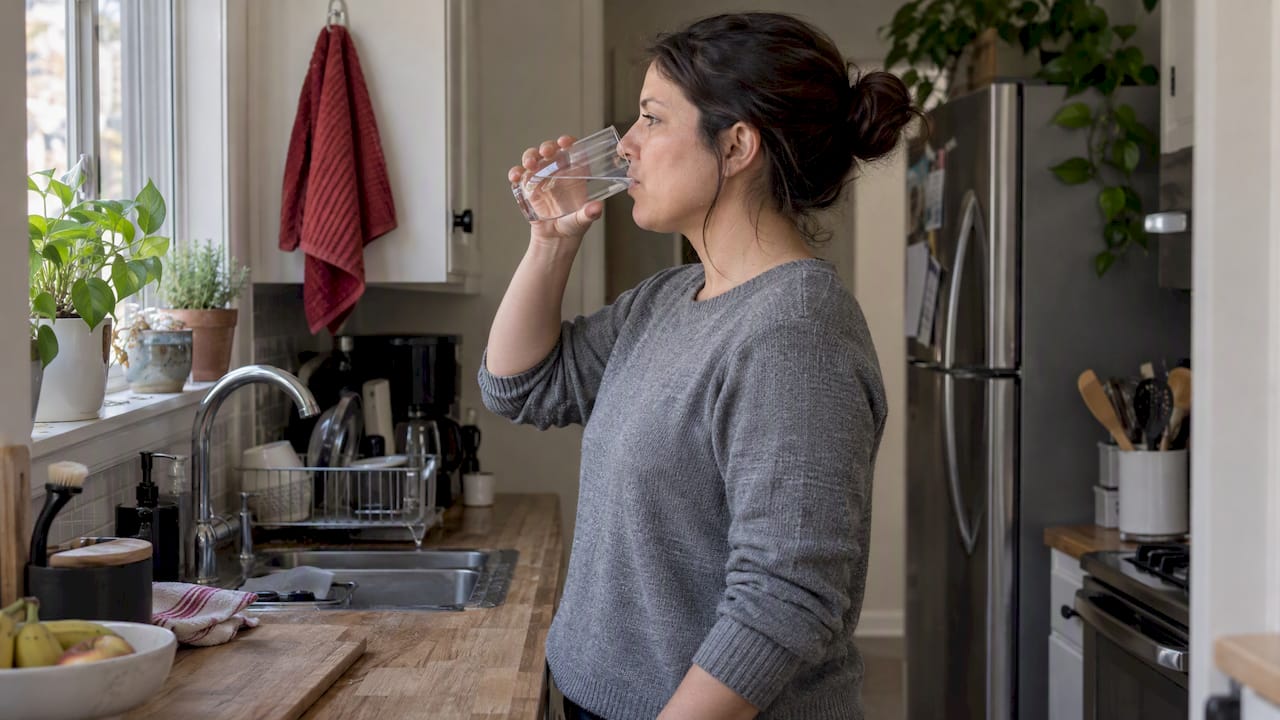
The practical lesson: arrive reasonably hydrated, but do not force-feed yourself water for hours beforehand. You do not want to arrive with an overly dilute sample, and you do not want to be unable to provide one.
How long THC stays in urine
This is the question behind most searches for urine test preparation. The honest answer is that it varies a great deal from person to person.
THC metabolites are fat-soluble. According to NIDA’s clinical experts, frequent users may test positive long after impairment has faded, because cannabinoids are stored in fat cells and released slowly. That makes a urine test a measure of historical exposure rather than recent impairment. NIDA also stresses that drug tests cannot reliably measure impairment or the precise timing of past use.
What that means for you:
- Occasional use generally clears faster than daily use.
- Frequent or heavy use can leave detectable metabolites for weeks.
- Body composition, metabolism, hydration and the strength of what you used all play a part, which is why a single number for everyone does not exist.
For a more detailed breakdown by usage pattern and cutoff, see our page on urine THC detection times and cutoffs. If you want to understand how marijuana is detected specifically, our urine drug test marijuana guide goes deeper.
The takeaway is simple. If you have a scheduled test, counting backward from your last use and giving yourself as many clean days as possible is the single most reliable preparation step.
The water trap: why dilute samples cause trouble
A common instinct is to drink gallons of water before the test. It rarely helps and it often creates a second problem.
Under the federal definition, a specimen is classified as dilute when creatinine is greater than 5.0 mg/dL but less than 20.0 mg/dL, with a specific gravity of at least 1.002 but less than 1.003. Labs and employers flag these samples for further review. Depending on the program, you may be asked to retest, and some programs treat a dilute result harshly. Our page on probation urine tests and dilute samples explains how a dilute result can count against you in that setting.
Some sensible habits instead:
- Drink normally in the day before the test. Do not suddenly add a gallon.
- Do not drink large amounts in the hour or two before the collection.
- Keep in mind that very pale, clear urine is often a sign of over-hydration, not a better result.
- Know that creatinine also depends on muscle mass, diet and supplements. Our guides on urine creatinine levels and the 20 mg/dL cutoff and on how creatine supplements can affect a drug test explain the details.
Do not tamper with the sample
This is the one place we are direct. Labs check for more than the drug. They look at validity markers that can reveal substitution or adulteration, and in federal programs and many state or probation settings, a tampered or substituted specimen is treated as a refusal to test, which is often worse than a positive. Collection sites also use observation procedures when something looks off.
What labs look at is worth knowing, because it explains why shortcuts fail. Our overview of the six specimen validity markers labs use to catch urine adulterants walks through them. Rules also vary by state and employer, so check the policy that applies to you before you do anything beyond waiting and supporting your body naturally.
Medications, foods and false positives
Not every positive means what people assume. Preparation includes protecting yourself from the ones that are not your fault.
Tell the collector and the MRO
MedlinePlus advises disclosing medications, including over-the-counter and prescription drugs for pain, cough or blood pressure, because these can influence screening results. Write down every medication and supplement you take, with doses, before you go.
If a screen comes back positive, the process has a safeguard. The Medical Review Officer interviews you to see whether there is a legitimate medical explanation, such as a prescription, before a result goes to your employer. Answer that call. If you ignore it, you lose the chance to explain.
Poppy seeds
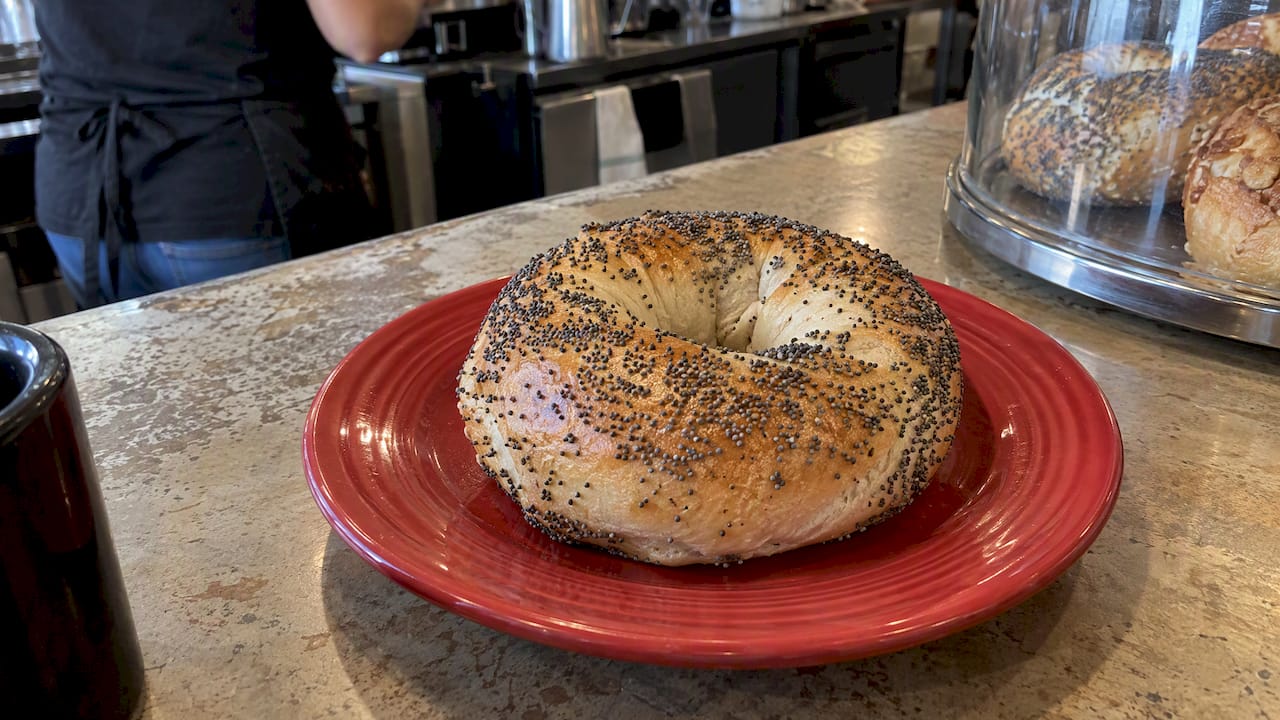
Poppy seeds can trigger a positive screen for opiates, as MedlinePlus points out. If you have a test coming, skip bagels, muffins and salad dressings with poppy seeds for several days. If you already ate some and tested positive, our guide on poppy seeds and drug tests is not needed: read what to do after testing positive following poppy seeds instead, and for opiates in general see how to pass a urine test for opiates.
A note on other lab tests
If your “urine test” is actually a medical urinalysis, not a drug screen, the preparation is different. Some labs ask for a first-morning or clean-catch sample, and certain foods and medicines can interfere with specific results. MyMichigan Health explains how dietary restrictions avoid false urine test results, and the Cleveland Clinic’s urinalysis overview describes what the lab examines. Follow the instructions your provider gives you for those.
A practical timeline
Here is how we suggest you structure your preparation, depending on how much notice you have.
| Time before the test | What to do |
|---|---|
| 2 or more weeks | Stop use right away. Confirm the panel and the lab. Eat and sleep normally, stay active, and keep your diet steady. |
| 3 to 7 days | Avoid poppy seeds. List your medications. Learn the collection steps. Drink normally. |
| The day before | Plan your route and your ID. Eat regular meals. Avoid sudden changes in water or supplements. |
| The morning of | Drink as you normally would. Skip large volumes right before. Bring ID and your medication list. |
| At the site | Be cooperative, follow the collector’s instructions, and check that the seal and the form match your sample. |
If your test is tomorrow, you are in a different position. Time is the biggest factor in a urine THC result, and a short window limits what you can realistically change. Do not panic and do not take drastic steps such as extreme fluid loading. Focus on the things above that you control, and read the how to pass a urine drug test guide to see what to expect.
Our perspective: preparation is mostly about information
We talk with people every day who are worried about a test, and the same pattern shows up. The people who feel most in control are not the ones with the cleverest trick. They are the ones who know what is coming: how the collection works, what the lab checks, and where the real risks are, such as dilute samples and surprise medications.
We also believe in being honest about limits. A urine test reflects history, and no single step guarantees a particular outcome. Your body, your pattern of use and the time you have all matter. What you can do is avoid the mistakes that make things harder, and give yourself the best conditions possible.
For those who want additional support, we offer products for people preparing for a urine test. Our products for clean urine page lists what is available, and our guide on detox versus cleansing explains what these approaches can and cannot do, so you can decide for yourself. Our customer service team is available from 9am to 12am daily if you want a second opinion on your situation, and orders ship with confidentiality in mind.
— MIchael
Where our products fit in
If you have already stopped using and want to support your preparation, you can browse the drug test detox products we carry or see everything at Passdrugtest. We resell products for urine, saliva and hair testing. If your employer might test hair instead of, or in addition to, urine, our guide to hair follicle drug testing explains how that works, since a hair test looks back much further than a urine test. Product pages and shipping details are on each listing, and if you are unsure which test applies to you, ask us before you order.
Common mistakes to avoid
- Arriving without ID. Without proof of identity, the collector will not proceed and it may be recorded as a refusal.
- Drinking too much water. A dilute specimen leads to retests and flags. Drink normally.
- Forgetting to disclose medications. Hiding a prescription only makes a legitimate explanation harder later.
- Ignoring the MRO’s call. The review is your chance to explain a positive that has a medical cause.
- Assuming a short break is enough. For frequent users, metabolites can linger for weeks.
- Trying something unproven the night before. Last-minute experiments can cause a flagged sample, an upset stomach or both.
- Leaving before you finish. If you cannot provide a sample straight away, stay. You can have up to three hours under DOT rules, and leaving can count as a refusal.
Know your rights and your options
Drug tests are tools, not verdicts. NIDA says they should be interpreted with clinical judgment alongside self-reports and other assessments. If a result is wrong, you can ask for the MRO review, request that the original sample be re-analyzed through your employer’s process, and speak to a lawyer or your state labor agency if you believe you were treated unfairly. Rules for employer testing differ by state, particularly around legal cannabis, so check your own state’s law and your employer’s written policy.
If you take a medication prescribed by a doctor, keep the pharmacy label or a letter from your prescriber on hand. If you have a medical cannabis card, ask HR how the policy treats it before the test, not after.
FAQ
Do I need to do anything special to prepare for a urine drug test?
Not much beyond the basics. The Cleveland Clinic notes that there is nothing you need to do to prepare for a drug test in the medical sense, since tests can be emergency, scheduled or random. In practice, bring a photo ID, know your medication list and avoid unusual foods such as poppy seeds.
How much water should I drink before a urine drug test?
Drink normally. Large amounts of water can produce a dilute sample, which labs flag and which can lead to a retest. If you cannot provide at least 45 mL at the site, the collector may let you drink fluids and try again within three hours.
Can prescription medication cause a positive result?
Yes, some medications can cross-react with an initial screen. A confirmation test is then used to verify the result, and the Medical Review Officer will ask about legitimate prescriptions. Disclose everything you take to the collector and the MRO.
How long does THC stay in urine?
It depends on how often and how heavily you use, as well as your body and metabolism. Frequent users can test positive for weeks because THC metabolites are released slowly from fat cells. See our detection time guide for a breakdown by use pattern.
What if I cannot urinate at the collection site?
Stay and tell the collector. Under DOT rules, you have up to three hours to provide a sufficient sample, and you may be given fluids. Leaving before you finish can be recorded as a refusal.
Sources
- Drug Testing: MedlinePlus Medical Test
- What do drug tests really tell us? NIDA
- Medical Review Officer Guidance Manual for Federal Workplace Drug Testing Programs, 2024 (SAMHSA)
- 49 CFR Part 40, Section 40.193 (U.S. Department of Transportation)
- Drug Test Collection Process (U.S. Department of the Interior)
- Dietary Restrictions for Urine Tests (MyMichigan Health)
- Urinalysis (Cleveland Clinic)
- Drug Test (Cleveland Clinic)