


Hair detox myths are false claims that topical shampoos, home remedies, or quick cleansing routines can remove drug metabolites from your hair before a follicle drug test. The truth is that drug metabolites are locked inside the hair cortex through bloodstream incorporation during hair growth, making them inaccessible to any surface treatment. If you are facing a hair follicle drug test, understanding what these myths are and why they fail is the most important preparation you can do. Methods like the Macujo Method, Zydot Ultra Clean, and specialized detox shampoos are widely discussed, but the science behind each one deserves a clear, honest look.
1. Hair detox myths: why shampoos can’t remove embedded metabolites
The most persistent of all hair detox myths is that a detox shampoo can chemically flush drug metabolites out of your hair. This is false. Drug metabolites are incorporated into the hair shaft through your bloodstream during the growth phase, not deposited on the surface afterward.
A peer-reviewed comparison found that detox shampoos reduced THC by only 36%, morphine by 26%, and cocaine by just 5% in single-application tests. Those reductions were not statistically significant. The metabolites remained fully detectable after treatment.

A separate study found no meaningful difference between detox-branded shampoos and common drugstore shampoos. Both reduced THC by roughly 52%, which means the “detox” label adds no functional advantage. You are paying a premium for marketing, not chemistry.
The fundamental flaw is that no topical product penetrates the hair cortex deeply enough to break down or remove embedded metabolites. Opening the cuticle layer with harsh chemicals does not solve this problem. The metabolites sit deeper than any shampoo can reach.
Pro Tip: Use clarifying shampoos for scalp health and buildup removal. Just do not expect them to alter your drug test result.
| Substance | Reduction by detox shampoo | Significance |
|---|---|---|
| THC | 36% | Not statistically significant |
| Morphine | 26% | Not statistically significant |
| Cocaine | 5% | Not statistically significant |
2. Why DIY detox methods can make things worse
Popular DIY approaches like the Jerry G Method involve bleaching hair, applying harsh chemicals, and repeating the process multiple times. The idea is that opening the hair cuticle allows metabolites to escape. The science does not support this, and the consequences can be severe.
Labs that conduct hair follicle testing are trained to detect chemically damaged samples. Chemically processed or over-bleached hair is flagged as potentially adulterated. Labs use special stains and visual inspection under microscopy to identify this damage. A flagged sample can result in an automatic test failure, which is worse than a positive result in many employment contexts.
Here is what aggressive DIY methods actually do to your hair:
- They strip natural oils and moisture, causing visible breakage
- They raise the cuticle layer without reaching the cortex where metabolites live
- They create structural damage that labs can identify under magnification
- They may cause scalp irritation, burns, or permanent follicle damage
- They alert testing facilities to possible tampering, triggering adulteration protocols
The Macujo Method, developed by Mike Macujo, takes a more structured approach and is widely regarded as the most effective protocol for passing a hair follicle drug test. It uses a specific sequence of products including the Macujo Aloe Rid Shampoo, which is formulated to work within the method’s steps rather than as a standalone fix. Even so, it requires proper execution and realistic expectations.
Pro Tip: Avoid repeating bleach or chemical treatments in desperation. Over-processing your hair raises red flags for labs and increases your risk of failure, not the opposite.
3. Hair biology explains why external treatments fail
Hair acts as a biological archive of your body chemistry during the growth phase. When you use a substance, metabolites circulate in your bloodstream and become incorporated into the hair shaft as it grows from the follicle. This is a systemic process, not a surface one.
Washing, dyeing, and styling your hair cannot erase this embedded record. Psychemedics, a leading forensic hair testing laboratory, confirms that external cosmetic treatments do not alter the drug history locked inside the hair shaft. The metabolites are part of the hair’s physical structure, not a coating that rinses away.
This is why the hair detox terminology used in marketing is often misleading. “Detox” implies a systemic cleansing process. What shampoos actually do is clean the surface of the hair, which has cosmetic value but no impact on what a lab will find inside the cortex.
Understanding this biology is not discouraging. It is clarifying. It tells you exactly where to focus your preparation energy and which products are worth your time.
4. Washing frequency myths and scalp health facts
One common hair cleansing misconception is that washing your hair more often before a drug test will reduce detectable metabolites. Frequency of washing has no effect on the metabolites embedded in your hair shaft. It does, however, affect your scalp health and hair condition.
Experts at Time magazine’s science desk report that washing frequency matters less than shampoo ingredients and scalp biology for overall hair health. Over-washing strips natural oils and can cause dryness, irritation, and increased breakage. Under-washing allows product buildup and can affect scalp condition. Neither extreme changes your drug test outcome.
Dermatologists recommend tailored hair care based on your scalp type rather than generic “detox” routines. If you have an oily scalp, washing every other day with a mild shampoo is appropriate. If your scalp is dry, less frequent washing with a moisturizing formula is better. These choices protect your hair’s condition without creating the kind of visible damage that labs flag during testing.
The takeaway here is straightforward. Healthy hair is easier to work with when you are preparing for a test. Damaged, brittle, or chemically stressed hair draws attention and complicates the process.
5. Timing myths: how long metabolites actually stay in hair
-
Hair grows at a fixed rate. Hair grows approximately 0.5 inches per month. Drug metabolites are incorporated into the segment of hair that grows during the period of use. A standard hair drug test examines the most recent 1.5 inches of hair, which represents roughly 90 days of growth.
-
The 90-day window is not a myth. Drug metabolite detection windows in hair typically span 90 days or more. This is a biological fact, not a testing policy. The metabolites are physically present in the hair that grew during that period.
-
Last-minute detox does not erase history. If you used a substance 60 days ago, that metabolite is already embedded in hair that has grown since then. No last-minute shampoo application changes what is already inside the shaft.
-
Over-detoxing harms more than it helps. Research shows that most people need only a monthly scalp detox for cosmetic health benefits. Doing it more frequently strips natural oils and causes the kind of visible damage that raises lab suspicion.
-
Planning ahead is the only realistic strategy. If you know a test is coming, the time to act is weeks in advance, not the night before. Preparation with proven products and a structured protocol gives you the best realistic outcome.
Pro Tip: Mark your test date on a calendar and count backward 90 days. That window tells you exactly what metabolite history is at stake and how much time you have to prepare properly.
Key takeaways
The most important truth about hair detox myths is this: drug metabolites are embedded in the hair cortex through bloodstream incorporation, and no topical shampoo or DIY remedy can chemically remove them from that location.
| Point | Details |
|---|---|
| Shampoos don’t remove metabolites | Detox shampoos only clean the surface; metabolites inside the cortex remain fully detectable. |
| DIY chemical methods backfire | Over-bleaching and harsh treatments damage hair visibly, triggering lab adulteration flags. |
| Washing frequency changes nothing | How often you wash affects scalp health only, not the drug history embedded in your hair shaft. |
| The 90-day window is real | Hair tests examine 1.5 inches of growth, covering roughly 90 days of your substance history. |
| Preparation beats panic | Structured protocols with proven products, started well in advance, offer the best realistic outcome. |
Why I think most people get this completely wrong
I have watched the same cycle repeat itself more times than I can count. Someone finds out they have a hair drug test coming up in a week. They panic, search online, and land on a forum thread from 2014 that promises a miracle fix involving dish soap, vinegar, and a $12 clarifying shampoo. They try it, fail the test, and then blame the test rather than the misinformation.
The problem is not that people are careless. The problem is that the internet is full of confident-sounding advice that ignores basic biology. Hair is not a sponge you can wring out. It is a physical record of your body chemistry, and that record does not respond to wishful thinking or aggressive scrubbing.
What I have seen actually help people is honest preparation. That means understanding what detox products to avoid, choosing products that are formulated for the specific challenge of hair follicle testing, and starting the process with enough lead time to make a difference. It also means being realistic. No product guarantees a pass. Anyone who tells you otherwise is selling something that science does not support.
The detox product market has grown significantly, but most of what fills that market addresses cosmetic surface cleaning rather than the systemic issue of embedded metabolites. Knowing the difference between a product that helps and one that just looks good on a shelf is the most valuable thing you can take away from this article.
— MIchael
Prepare with products that are actually worth your time
If you are facing a hair follicle drug test, the right preparation starts with choosing products that are formulated for the job, not just marketed for it. Passdrugtest carries a curated selection of the most trusted options available, including the Macujo Aloe Rid Shampoo, which is the flagship product used in the Macujo Method protocol. For a more complete preparation approach, the Macujo Aloe Rid and Zydot Ultra Clean combo pairs two of the most recognized names in hair test preparation.
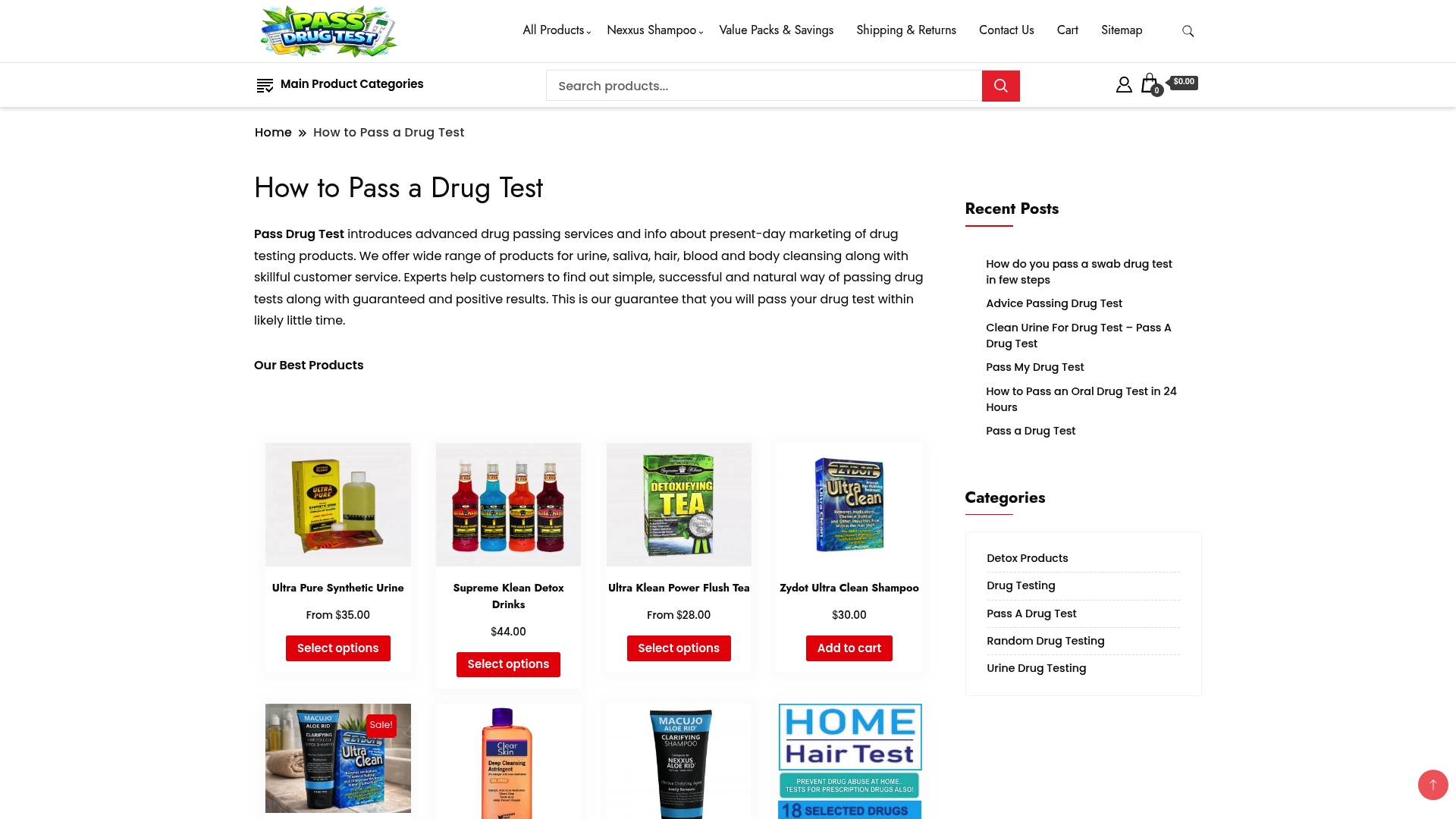
You can also browse the full drug test detox products category to find options matched to your timeline and situation. Passdrugtest focuses on products with real-world track records, not inflated marketing claims. Start your preparation with the right information and the right tools.
FAQ
Can detox shampoos remove drug metabolites from hair?
No. Detox shampoos clean the hair surface but cannot reach the cortex where metabolites are embedded. Studies show THC reductions of only 36% with detox shampoos, and those results were not statistically significant.
How long do drug metabolites stay detectable in hair?
Drug metabolites remain detectable in hair for approximately 90 days or more. A standard hair follicle test examines 1.5 inches of hair, which represents roughly three months of growth history.
Does washing hair more often help before a drug test?
No. Washing frequency affects scalp health and hair condition but has no effect on metabolites embedded inside the hair shaft. Washing more often can actually damage hair and raise lab suspicion.
Will bleaching or dyeing my hair help me pass a hair drug test?
No. Bleaching and dyeing are cosmetic processes that do not penetrate the cortex where metabolites live. Labs can detect chemically damaged hair under microscopy and may flag it as adulterated, which can result in automatic failure.
What is the most effective method for preparing for a hair follicle drug test?
The Macujo Method, used with the Macujo Aloe Rid Shampoo, is the most structured and widely recognized protocol for hair follicle test preparation. It requires proper execution and sufficient lead time before your test date.