
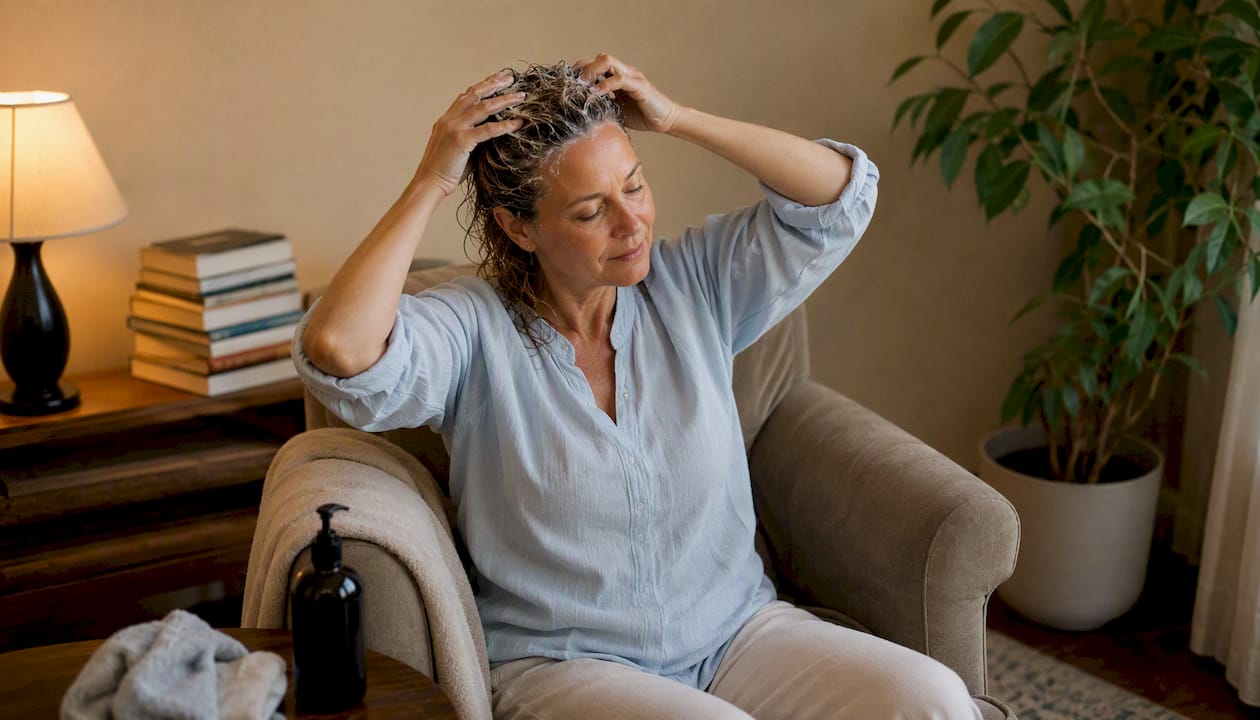

A consistent detox shampoo routine, specifically the Macujo method, can meaningfully reduce drug metabolite levels in your hair and improve your chances of passing a hair follicle drug test. No method is guaranteed, but starting early and following the full protocol gives you the best realistic shot.
Your immediate next steps:
- Stop all substance use right now
- Confirm your test date and whether it is a hair, urine, or saliva collection
- Order Macujo Aloe Rid Shampoo and supporting products today
- Begin the Macujo protocol as soon as your products arrive
Detection window: Standard hair follicle tests look back approximately 90 days, using roughly 1.5 inches of hair cut from the scalp. The sooner you start washing, the more treatment cycles you can complete before your test date.
The lab process matters here. After collection, your sample goes through an ELISA immunoassay screen first, then a confirmatory GC‑MS or LC‑MS/MS test if the screen is positive. That two-step confirmation is why a single wash rarely changes the outcome on its own. A multi-wash protocol targeting the root area is the approach that gives you a real chance.
Table of Contents
- How does a hair follicle drug test actually work?
- What detox shampoos can and can’t do
- The Macujo method: step-by-step protocol and timing
- Practical tips to get the most from your detox routine
- Who has the best chance of passing?
- What not to do on test day
- Key Takeaways
- Why the Macujo method deserves more credit than it gets
- Get Macujo Aloe Rid Shampoo from Passdrugtest
- Sources and further reading
How does a hair follicle drug test actually work?
Understanding what the test measures helps you understand what you are up against. Labs do not test the follicle buried under your skin. They test the hair strand itself, specifically the first 1.5 inches (approximately 3.9 cm) cut as close to the scalp as possible. Because head hair grows at a consistent rate, the tested segment represents growth over several months.
What the collection looks like
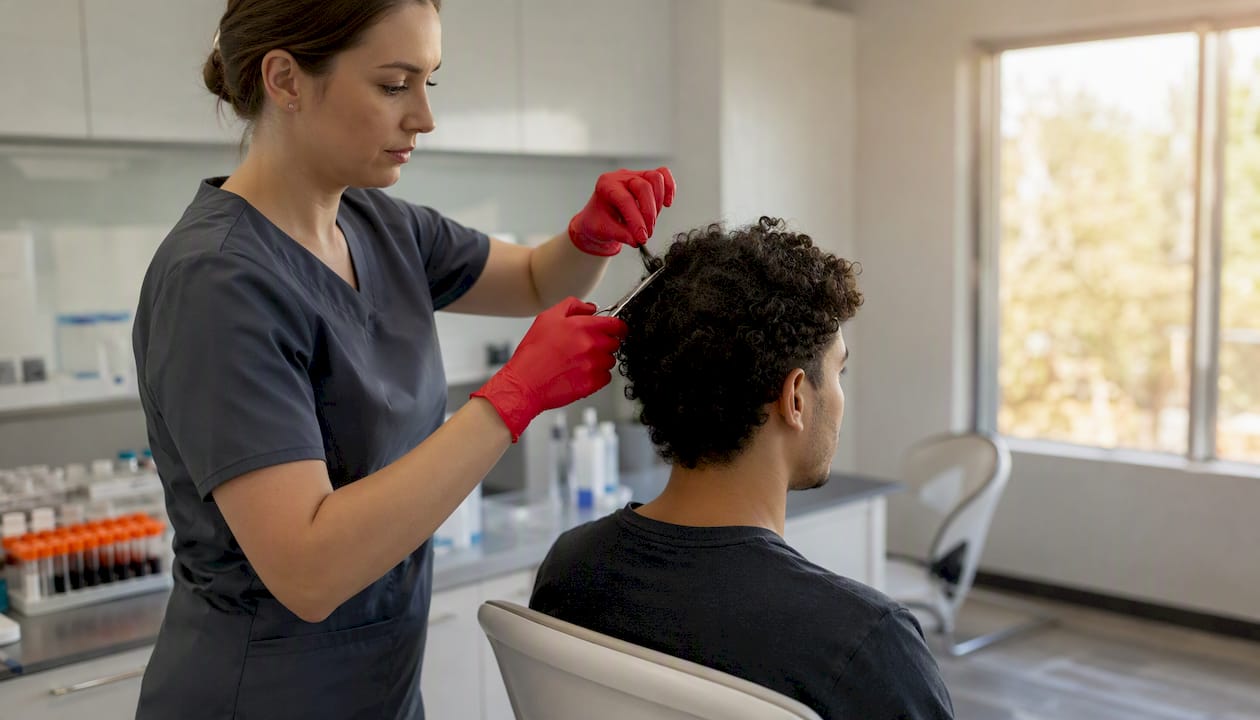
A collector cuts a small bundle of hair from the vertex (crown) of your head, seals it in a foil pouch, and documents the chain of custody. The collection is observed, which means substitution is not possible. If your head hair is too short, collectors are trained to use body hair, which can reflect an even longer history and is interpreted differently by labs.
The lab workflow
| Stage | Detail |
|---|---|
| Detection window | Approximately 90 days |
| Sample length | First 1.5 inches (about 3.9 cm) of hair cut close to the scalp |
| Initial screen | ELISA immunoassay |
| Confirmation test | GC‑MS or LC‑MS/MS |
| Common analytes | Marijuana (THC), cocaine, opiates, amphetamines, PCP, MDMA |
The ELISA screen flags presumptive positives. Any flagged sample then goes to GC‑MS or LC‑MS/MS confirmation, which is highly specific and makes false positives unlikely. That confirmatory step is the real barrier.
Three technical barriers a shampoo must overcome:
- Drug metabolites are incorporated into the hair cortex during growth, not just sitting on the surface
- Labs run decontamination washes on samples before analysis to strip external residue, separating environmental exposure from true ingestion
- Confirmatory GC‑MS/LC‑MS/MS testing detects metabolites at very low concentrations, so partial reduction may still yield a positive result
Understanding these barriers is exactly why a single-wash approach rarely works and why the Macujo method uses multiple aggressive wash cycles targeting the root zone.
What detox shampoos can and can’t do
The honest answer is that detox shampoos face a genuine scientific challenge. Drug metabolites are not just coating your hair. They are incorporated into the cortex as your hair grows from the follicle, carried there through your bloodstream. External washing can remove surface residue, but reaching metabolites locked inside the hair shaft requires products that can open the cuticle and allow chelating agents to work deeper.
Labs are aware of this. Modern testing protocols use wash procedures and metabolite-specific testing to separate external contamination from actual ingestion, specifically by looking for conjugated phase II metabolites that only appear after the body processes a drug. That distinction makes it difficult to fool a test simply by cleaning the hair surface.
Research published in PMC examined THC-positive hair samples treated with several products, including Zydot shampoo. Zydot produced a mean THC reduction of 52% across treated samples, though the reduction was not statistically significant in that study’s sample size. A separate PubMed study found that a single application of Ultra Clean left all originally detected drugs still detectable, with some reduction in concentration levels. These findings confirm that one wash is not enough and that concentration reduction, not elimination, is the realistic outcome of any single product.
Independent peer-reviewed evidence that any shampoo reliably removes internal metabolites from the hair cortex to guarantee a negative result is lacking, and user reports vary widely. What the research does support is that repeated, aggressive washing with products designed to open the cuticle and chelate residues can reduce concentrations, and lower concentrations can sometimes fall below lab cutoff thresholds.
Pro Tip: Focus on products that combine penetration enhancers, chelating agents, and surfactants rather than cosmetic shampoos marketed with vague “cleansing” claims. The mechanism matters. You can also review what actually works for hair detox to compare approaches before you buy.
Hair characteristics also affect outcomes. Hair color, porosity, and chemical treatments all influence how drugs are incorporated and how easily they are removed. Bleached or chemically treated hair tends to be more porous, which can work in your favor during a detox protocol.
The Macujo method: step-by-step protocol and timing
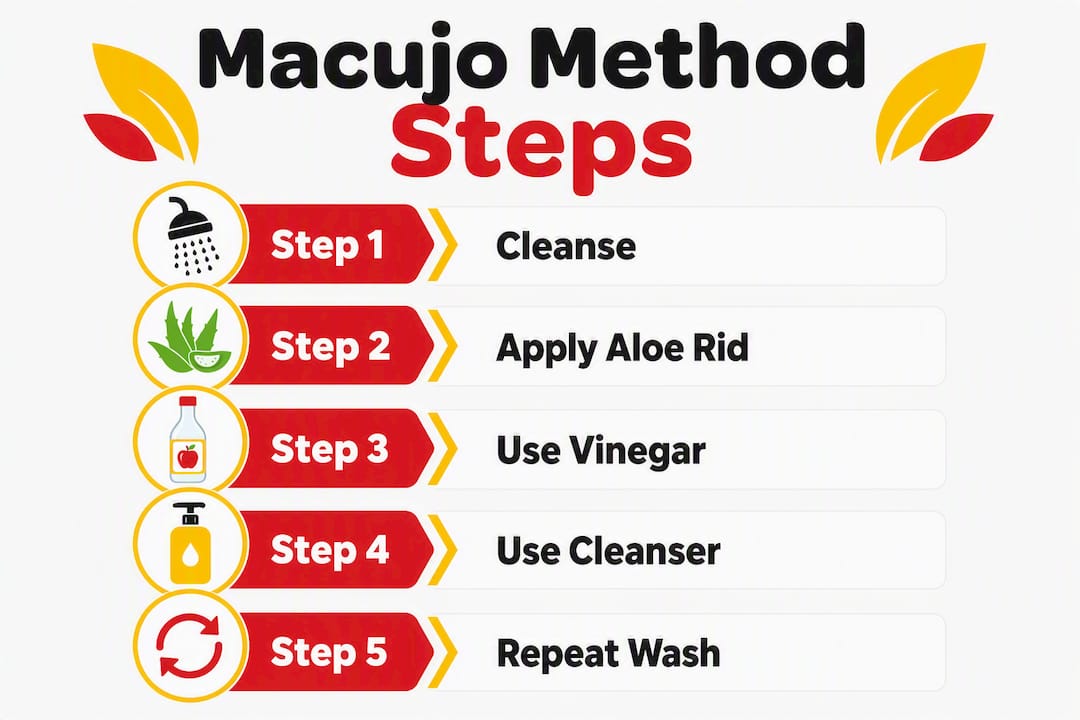
The Macujo method is the most widely used multi-step hair detox protocol. It combines an acidic astringent, a specialized detox shampoo, and a clarifying follow-up to progressively open the hair cuticle, strip surface residues, and reduce metabolite concentrations in the hair shaft. The Macujo Aloe Rid Shampoo is the recommended product for this protocol. You can find the full Macujo method guide on Passdrugtest.
Step-by-step Macujo protocol
- Stop all substance use immediately. No exceptions. New metabolites entering your system will undo your progress.
- Wet your hair thoroughly with warm water. Do not shampoo yet.
- Apply a salicylic acid-based astringent (such as Clear Skin Astringent) to your hair, focusing on the root area and the first 1.5 inches from the scalp. Massage it in and leave it on for 30 minutes. Cover with a shower cap.
- Rinse thoroughly with warm water.
- Apply Macujo Aloe Rid Shampoo generously to the root zone. Work it into the scalp and through the first 1.5 inches of hair. Leave it on for 10–15 minutes, then rinse completely.
- Repeat the Macujo Aloe Rid Shampoo application a second time in the same session.
- On the day of your test, follow up with Zydot Ultra Clean as a final clarifying wash. Zydot Ultra Clean is designed to remove residual product buildup and surface metabolites immediately before collection. You can order the Macujo Aloe Rid + Zydot Ultra Clean bundle from Passdrugtest.
Timing guidance
| Time until test | Recommended approach |
|---|---|
| 2+ weeks | Complete the full protocol 3–5 times per week |
| 3–7 days | Run the protocol daily, twice per day if your scalp tolerates it |
| — | Complete as many wash cycles as possible; use Zydot Ultra Clean on test day |
Required and optional products:
- Macujo Aloe Rid Shampoo (required, lead product)
- Salicylic acid astringent, such as Clear Skin Astringent (required)
- Zydot Ultra Clean (required for test-day final wash)
- Clarifying shampoo for interim rinses (optional, supportive)
Safety warning
Repeated aggressive washing can cause scalp irritation, dryness, and hair damage. Do a patch test before your first full session. If you experience significant burning, open sores, or severe scalp inflammation, stop immediately and consult a doctor. Moisturizing conditioner after each session helps protect hair integrity.
Pro Tip: Concentrate every product application on the root 1–1.5 inches of hair, not the ends. The hair strand tested by the lab is the segment closest to your scalp, so that is where your effort needs to go.
Practical tips to get the most from your detox routine
Preparation before you even open a bottle matters. Avoid any product that coats the hair, including heavy conditioners, pomades, or silicone-based serums, during your detox period. These create a barrier that prevents active ingredients from reaching the hair shaft.
Checklist for your detox period:
- Stop all substance use on day one, no exceptions
- Hydrate well daily to support natural metabolic clearance
- Avoid heat styling tools that can seal the cuticle and trap residues
- Wash pillowcases and hats frequently to prevent recontamination
- Do not use any new hair products that have not been part of your protocol
Hair type and treatment history affect how the protocol works. Bleached, dyed, or permed hair is more porous, which generally allows detox products to penetrate more effectively. Natural, dark, coarse hair tends to bind drug metabolites more tightly and may require additional wash cycles. If your hair has been chemically treated recently, it may also be more fragile, so monitor scalp and hair condition closely and reduce frequency if you notice significant breakage.
After your test, give your hair a recovery period. Use a deep conditioning treatment to restore moisture and strength. The protocol is aggressive by design, and your hair will benefit from care once the test is behind you.
Pro Tip: Watch for signs that your routine is working: reduced product buildup, hair that feels lighter and less coated after washes, and a scalp that responds well to the astringent. These surface indicators suggest the cuticle is opening and residues are being stripped. For a detailed breakdown of what to monitor, see signs of detox shampoo effectiveness.
Who has the best chance of passing?
Your individual history is the single biggest variable. Occasional users with a short look-back period have a meaningfully better chance than daily, heavy users. Here is how the key factors break down.
Factors that improve your odds:
- Infrequent or occasional use (once or twice per week or less)
- Shorter hair that limits the look-back window to recent weeks
- Chemically treated hair (higher porosity aids penetration)
- More than two weeks before your test date
- Lighter body weight and faster metabolism
Factors that reduce your odds:
- Daily or heavy use over the full 90-day window
- Long, untreated hair that retains metabolites throughout
- Body hair collection (body hair reflects a longer history and is interpreted differently)
- Less than one week until your test
Hair testing is commonly used for pre-employment and random testing programs because it detects patterns of repetitive use over approximately 90 days. That long window is what makes it tougher than urine testing for heavy users.
Realistic budget note: A complete Macujo protocol supply run, including Macujo Aloe Rid Shampoo, astringent, and Zydot Ultra Clean, typically runs in the range of $100–$200 depending on the kit you choose. Factor in the cost of replacement products if you are running the protocol for two or more weeks.
If you have fewer than seven days and are a heavy daily user, the protocol is still worth attempting, but your expectations should be calibrated accordingly. Consider whether rescheduling your test or speaking with an HR representative about your situation is a realistic option.
What not to do on test day
Some actions people consider to avoid a positive result will make your situation significantly worse. Collectors are trained professionals, and testing programs have specific rules about tampering.
High-risk actions to avoid:
- Shaving your entire head or body hair. Collectors are trained to recognize this as a tampering attempt. If no head hair is available, they will collect body hair. Arriving with a shaved head raises immediate suspicion and may trigger additional scrutiny or an automatic failure under some program rules.
- Attempting to substitute synthetic hair or a wig. Collectors are trained to detect synthetic hair and weaves.
- Trying to tamper with the sample after collection. Chain-of-custody procedures make post-collection tampering extremely difficult and carry serious consequences.
- Lying to the collector about your hair history or treatments.
Deliberate tampering with a federally regulated drug test can carry criminal or administrative penalties depending on the employer’s program and applicable regulations. For non-federally regulated employers, consequences are typically defined by company policy but can include immediate termination and disqualification from future employment.
Pro Tip: Cooperate fully with the collector. If anything unusual happens during collection, document it immediately afterward in writing. You have the right to request a split-sample confirmation (B-sample test) if your result comes back positive. That request must typically be made within a short window after you receive your result, so act quickly.
Key Takeaways
A consistent multi-wash protocol using Macujo Aloe Rid Shampoo, started as early as possible before your test, gives you the best realistic chance of reducing detectable metabolite levels in your hair.
| Point | Details |
|---|---|
| Detection window | Hair tests look back approximately 90 days using 1.5 inches (~3.9 cm) of hair cut from the scalp. |
| Lab confirmation | ELISA screen followed by GC‑MS or LC‑MS/MS confirmation makes single-wash tricks unreliable. |
| Protocol timing | Starting 2+ weeks out with 3–5 sessions per week gives the most wash cycles before your test. |
| No guaranteed method | No shampoo guarantees a negative result; heavy daily users face the steepest challenge. |
| Passdrugtest recommendation | Passdrugtest carries Macujo Aloe Rid Shampoo and the Zydot Ultra Clean bundle for the full protocol. |
Why the Macujo method deserves more credit than it gets
The conversation around detox shampoos tends to split into two camps: people who swear by them and skeptics who dismiss them entirely based on the PubMed single-wash studies. Both miss the point.
The single-wash research is real and worth taking seriously. One application of any shampoo will not drop your metabolite levels below a lab’s cutoff. That has been demonstrated clearly. But the Macujo method was never designed as a single-wash solution. It is a multi-cycle protocol that combines an acidic astringent to swell and open the cuticle, a specialized shampoo with chelating properties to pull residues from the cortex, and a clarifying follow-up on test day. Each step targets a different layer of the problem.
What I find underappreciated is the role of timing and repetition. The research showing 52% THC reduction from Zydot in a single lab wash is actually encouraging context for a protocol that runs that wash multiple times over two weeks. Cumulative reduction across repeated cycles is a different proposition than a single application. The science does not guarantee success, but it does support the logic of the approach.
The people most likely to be disappointed are heavy daily users who start the protocol three days before their test. For them, the honest advice is to manage expectations and consider every available option, including whether the test can be rescheduled. For occasional users with two or more weeks to prepare, the Macujo method is the most evidence-supported approach available.
Get Macujo Aloe Rid Shampoo from Passdrugtest
When you need the most effective hair detox protocol available, Passdrugtest carries the products that make the Macujo method work. Macujo Aloe Rid Shampoo is the lead product in the protocol, formulated with the penetration-enhancing and chelating properties the method depends on. It is not a cosmetic shampoo with vague detox claims. It is purpose-built for this specific use case.
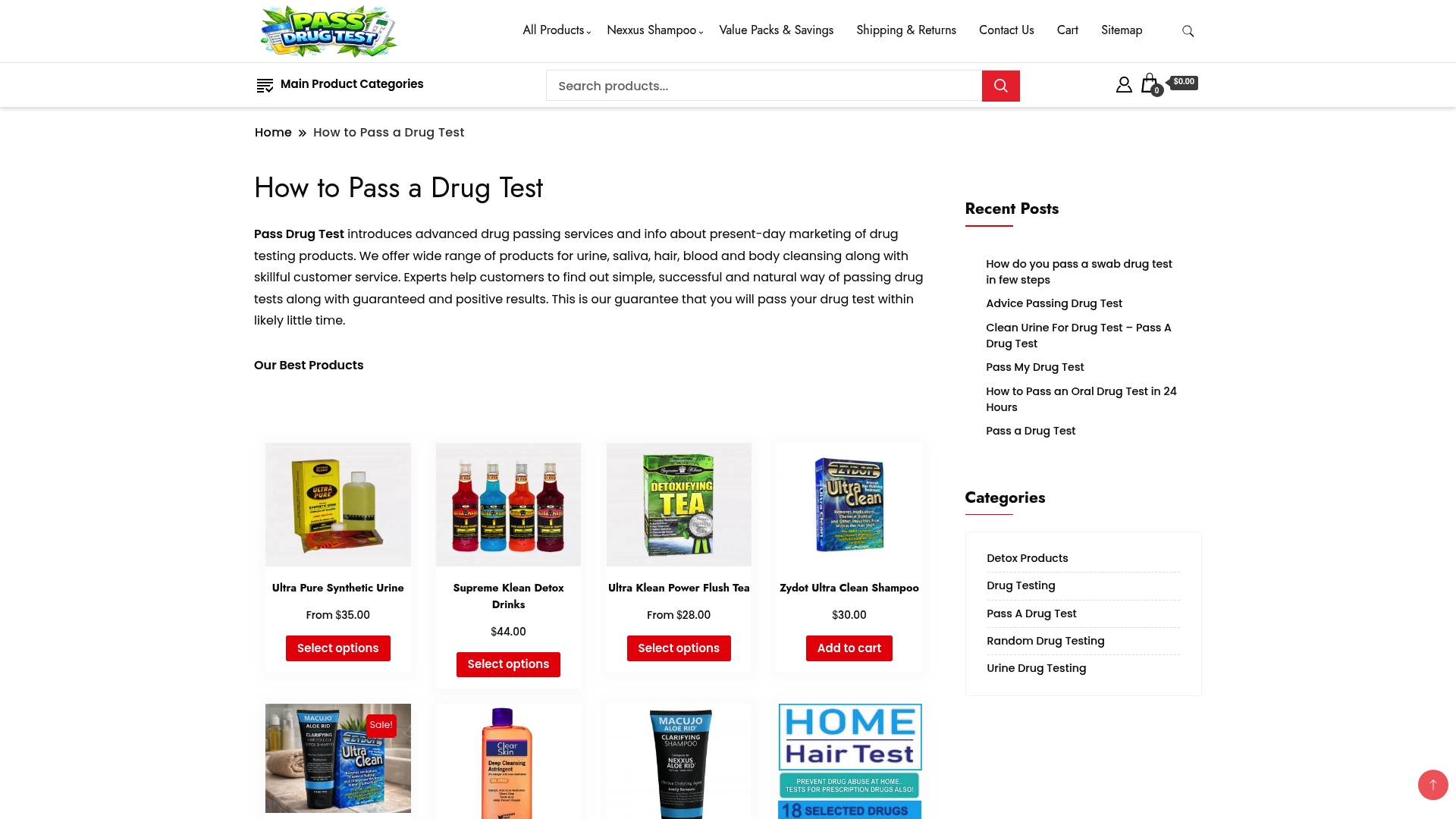
Passdrugtest also carries Zydot Ultra Clean for your test-day final wash, and the Macujo Aloe Rid + Zydot Ultra Clean bundle if you want everything in one order. Every product recommendation on this site is backed by the same lab science covered in this article: ELISA screening followed by GC‑MS/LC‑MS/MS confirmation is what your sample faces, and the Macujo protocol is designed with that in mind.
Browse the full range of hair drug testing products or go straight to the Macujo Aloe Rid Shampoo product page to order today. The sooner you start, the more wash cycles you can complete before your test.
This article is general information, not medical or legal advice. Confirm current testing policies and regulations with your employer, testing facility, or a qualified professional for your specific situation.
Sources and further reading
These are the authoritative sources referenced in this article. If you need to dispute a result or understand your employer’s testing program in detail, these documents are the right starting point.
- National Institute of Justice: Detecting Drugs in Hair — Covers lab methods for differentiating ingestion from environmental contamination, including the role of phase II metabolites and wash procedures.
- LabCorp: Hair Drug Test Overview — Explains the 90-day detection window, 1.5-inch sample standard, and commonly screened analytes.
- Quest Diagnostics: Hair Testing FAQ — Details collection procedures, chain of custody, and why the root-proximal segment is the tested zone.
- Forensic RTI White Paper: Hair Test Cutoffs and Matrices — Proposed cutoff concentrations and the role of decontamination washes in distinguishing external exposure from ingestion.
- PMC: Manipulation of THC Hair Concentrations by Commercially Available Products — Peer-reviewed study measuring THC reduction across multiple products including Zydot shampoo.
- PubMed: Effect of Ultra Clean Shampoo on Drug Concentrations in Human Hair — Laboratory study showing all drugs remained detectable after a single Ultra Clean application, with modest concentration reductions.
- StatPearls / NCBI: Drug Testing Overview — Clinical overview of drug testing matrices, including hair testing variability by hair type and extraction method.