
Short answer: some hair-cleaning protocols can reduce measured drug concentrations, but none of them guarantee a pass. The only truly reliable method is sustained abstinence long enough for your hair to grow out. For readers who need a practical option anyway, targeted hair-detox regimens like our Macujo Aloe Rid Shampoo can lower detectable residue when used correctly, but we frame them as an aid, never a promise.
TL;DR:
- Hair detox methods can reduce drug concentrations but are inconsistent and not guaranteed to produce a pass.
- Factors like hair color, bleaching, and cosmetic treatments significantly influence detection outcomes and complicate interpretation.
- Shaving head hair often results in requests for body hair or retests, offering limited avoidance benefits.
- Controlled lab studies show bleaching and extraction can lower drug levels, but results vary by drug type and hair condition.
- The most reliable approach remains abstinence long enough for hair to grow out beyond the detection window.
Table of Contents
- How hair follicle drug testing works and the 90-day window
- Factors that affect your hair test results
- What the research says about detox shampoos and home treatments
- Your practical plan if you have a scheduled hair test
- Where our guidance and product instructions come from
- A straight note on evasion, ethics, and evidence
- How our Macujo Aloe Rid Shampoo fits an evidence-based plan
- FAQ
- Sources
How hair follicle drug testing works and the 90-day window
Hair testing works differently from urine or saliva screening because it looks at what your body has already processed and stored. Once a substance enters your bloodstream, trace amounts move into the hair follicle through the blood supply, and some also reach the hair shaft through sweat and sebum. Once that drug metabolite is locked into the keratin structure, it stays there as the hair grows, creating a timeline a lab can read.
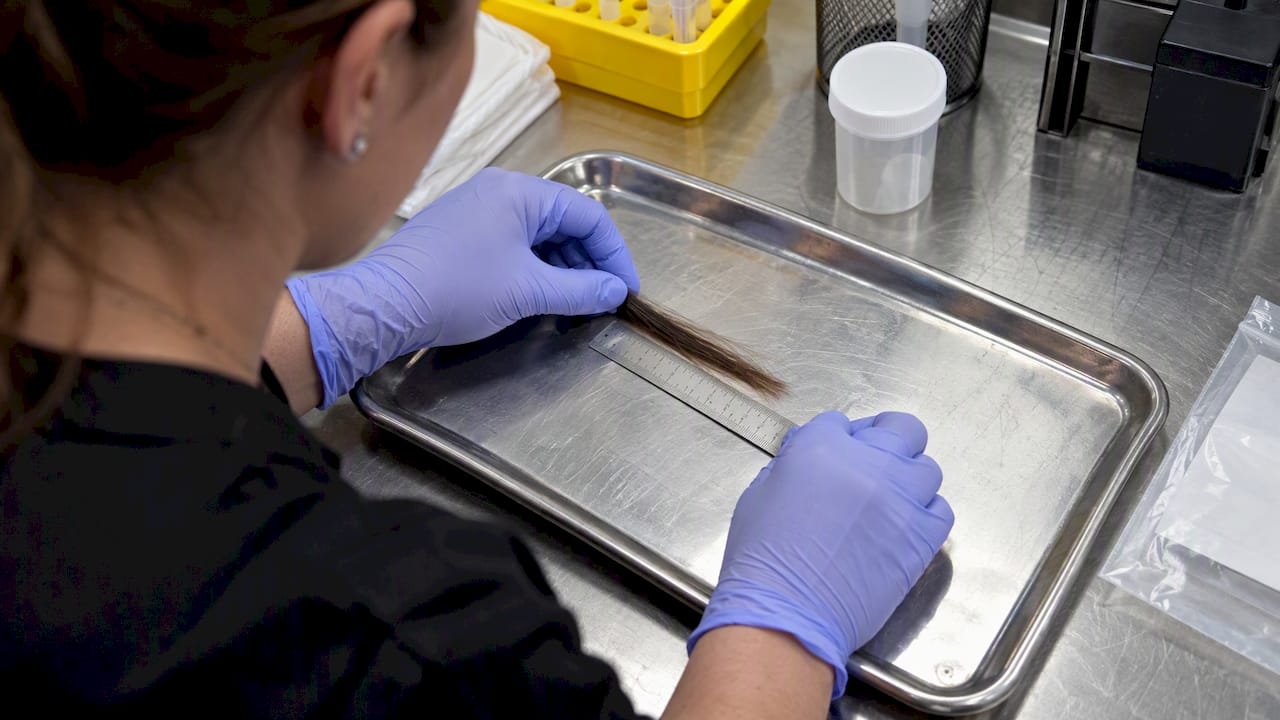
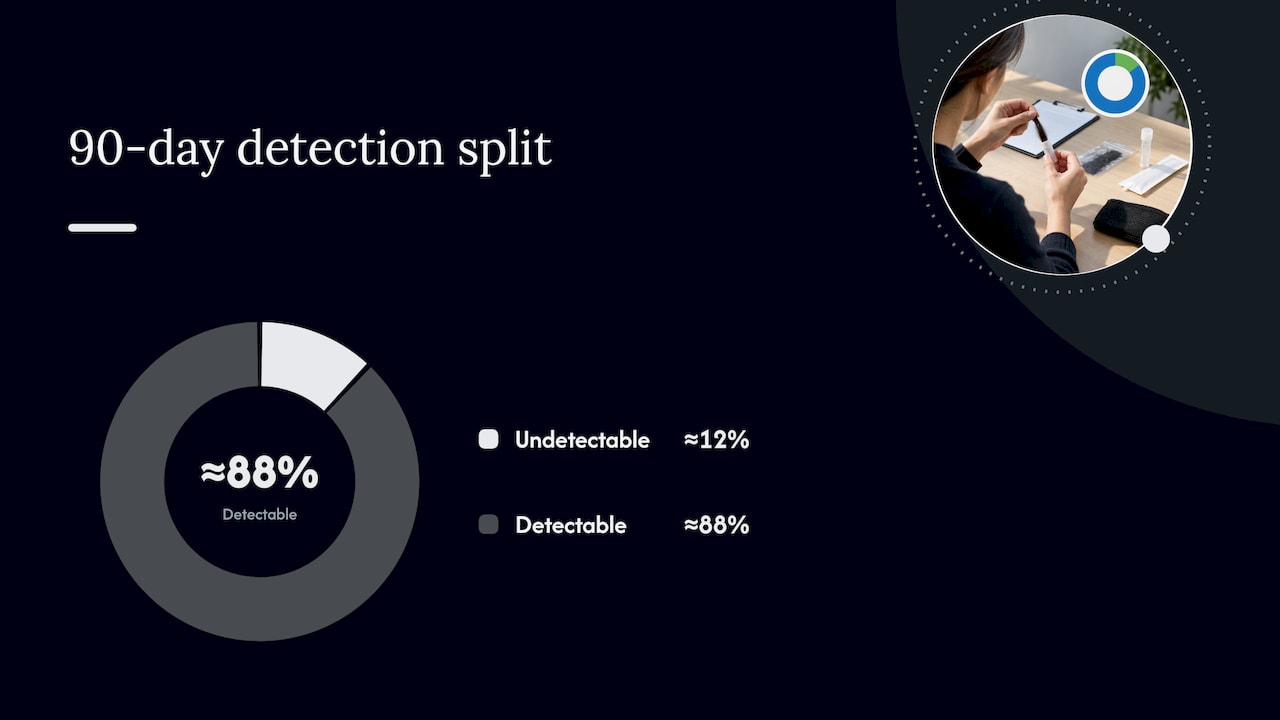
Standard collection takes a hair sample close to the scalp, usually the first 1 to 1.5 inches, which represents roughly 90 days of growth. Because hair takes time to grow out from the follicle, a single use typically will not show up immediately. Detection usually becomes possible about one to two weeks after exposure, once the treated hair segment has grown past the scalp line.
Labs do not test raw hair as it comes off your head. Before analysis, technicians wash the sample to strip away surface residue, then run it through gas chromatography-mass spectrometry or liquid chromatography tandem mass spectrometry to confirm what is actually incorporated into the hair shaft rather than just sitting on the outside.
What this testing process involves, step by step:
- Drug metabolites enter hair through blood supply and, to a lesser degree, sweat and sebum.
- Labs typically collect a 1 to 1.5 inch scalp sample for a 90-day detection window.
- Samples are washed to remove surface contamination before GC-MS or LC-MS/MS confirmation runs, following standard laboratory protocols.
For a deeper breakdown of the incorporation process, our guide on hair shaft drug incorporation walks through the biology in more detail.
Factors that affect your hair test results
Not every person with the same drug history faces the same risk. Hair testing has known variables, and some you control, others you do not.
Melanin content is one of the biggest wildcards. Darker, coarser hair tends to bind more drug metabolite than lighter or finer hair, which means two people with identical use patterns can produce different lab results purely because of hair color and porosity, according to a 2025 review of hair toxicology. Cosmetic treatments complicate the picture further. Bleaching and coloring can alter the amount of drug detectable in a sample, sometimes lowering it and sometimes leaving uneven results across the hair shaft.
Variables that influence your result:
- Melanin level and hair porosity, which affect how much drug metabolite the hair shaft absorbs.
- Bleach or dye treatments, which can chemically alter concentrations before any test even happens.
- External contamination versus true systemic use, a distinction that decontamination washing cannot always resolve cleanly.
- Frequency and amount of use, which sets your baseline concentration before any cleansing attempt.
One documented factor worth flagging: external contamination and incomplete decontamination remain persistent complications in hair test interpretation, since current wash protocols reduce but cannot fully eliminate surface residue. That single limitation is part of why cosmetic and environmental history matters as much as actual use.
Our article on what causes false positives in hair tests covers these contamination issues in more depth.
What the research says about detox shampoos and home treatments
The honest picture from peer-reviewed research is mixed, and that matters more than any forum post claiming a guaranteed pass. Laboratory studies have tested shampoos and home protocols directly, and the findings show real but inconsistent effects.
Some controlled trials found that specific treatments reduced measured drug concentrations, occasionally pushing levels below standard cutoffs. But those same studies describe high variability across samples, meaning what worked on one hair sample did not reliably repeat on another. Oxidative bleaching and repeated chemical extraction protocols performed among the best at lowering concentrations in controlled lab settings, according to 2023 research on treatment efficacy. That same study found treated hair often looked no different from untreated hair to the naked eye. This tells you visual inspection alone cannot confirm whether a cleansing attempt happened.
The catch is that effectiveness depends heavily on which drug you are testing for and the condition of your hair going in. THC tends to be more stubborn to remove than stimulant metabolites, and repeated damaging treatments that work well in a lab setting can also alter the hair matrix enough to create their own interpretive problems for anyone analyzing the sample afterward.
Key patterns from the research:
- Reductions are real in controlled studies but inconsistent across different hair samples and drug types.
- Bleaching and extraction protocols produced the largest measured decreases, though results varied by analyte.
- Treated hair is often visually indistinguishable from untreated hair, which cuts both ways for test-takers.
Anecdotal reports of evasion are widespread online but remain unreliable. Systematic investigation of products and methods is required to assess real-world efficacy.
Hair analysis and evasion methods review, 2017
That caution matters. A success story on a forum tells you nothing about hair condition, dosage history, or lab method. Controlled, lab-based evidence is the only data worth weighing seriously, and even that evidence comes with real limits.
Your practical plan if you have a scheduled hair test
If you know a test is coming, your options narrow down fast, and timing drives almost everything.
- Start with your timeline. Since standard collection reaches back about 90 days, abstinence started today still leaves recent use detectable in new growth closest to the scalp.
- Understand the shaving trap. Shaving your head to avoid a sample often triggers a request for body hair instead, or a retest once hair regrows, so it rarely solves the underlying problem.
- If you choose a cleansing regimen, follow a documented sequence. Protocols like the Macujo method rely on a pre-wash step followed by repeated applications timed closely to your test date, detailed in our Macujo Aloe Rid instructions.
- Keep expectations realistic. Even well-executed regimens show variable results in lab studies, and a cleansing attempt is a risk-reduction step, not a certainty.
- Present treated hair naturally at collection. Avoid anything that looks obviously altered, since collectors are trained to note unusual texture or odor.
Pro Tip: The earlier you start a hair-detox routine before your test date, the more time the treatment has to work through multiple hair layers rather than just the surface.
For a closer look at timing specifics, see our hair drug test detection window guide.
Where our guidance and product instructions come from
We built this guide around forensic toxicology research rather than guesswork, because readers deserve accurate odds, not false confidence. Our product and instruction pages walk through regimens similar to those referenced in the studies above, adapted into step-by-step directions.
For readers who want to go deeper on any piece of this process:
- Hair shaft drug incorporation explains the biology behind detection.
- Detox shampoo vs home remedies compares product-based and DIY approaches.
- Shampoo for hair follicle drug tests breaks down what ingredients and methods actually target residue in the hair shaft.
We update these resources as new research on hair toxicology and decontamination methods becomes available.
A straight note on evasion, ethics, and evidence
We understand why you are here: a test is coming and the stakes feel high. But we will not pretend any product erases risk entirely, and we do not encourage deceiving an employer or testing program. What we offer is accurate, evidence-based information so you can make an informed choice instead of gambling on rumor.
— MIchael
How our Macujo Aloe Rid Shampoo fits an evidence-based plan
Among hair-cleansing options, the Macujo method from Mike Macujo is widely regarded as the best-known approach to targeting drug residue in hair, and our Macujo Aloe Rid Shampoo is built specifically to work within that protocol.
The regimen pairs a vinegar-based pre-wash with repeated applications of Aloe Rid, formulated to strip buildup from the hair shaft before your test window closes. Our step-by-step Macujo instructions walk through timing, application order, and what to expect at each stage. We built the process around the research referenced throughout this guide, which means we are upfront that no shampoo guarantees a passing result. What we offer is a regimen designed to give you the best realistic shot, backed by instructions we have refined for clarity. If you are facing a scheduled test, start by reviewing the full product details and instructions before your window gets too tight.
FAQ
How far back does a hair follicle test detect drug use?
Standard hair testing typically covers about 90 days of growth, based on a 1 to 1.5 inch sample taken close to the scalp. Longer samples can extend that window further back in time.
Can detox shampoos really remove drugs from hair?
Laboratory studies show some shampoos and treatments can reduce measured drug concentrations, occasionally below standard cutoffs, but results vary by sample and drug type. No product has been shown to work reliably every time, which is why we present our shampoo as an aid rather than a guarantee.
Does shaving your head avoid a hair drug test?
Shaving often leads to a request for body hair as an alternative sample or a follow-up test once head hair regrows, so it rarely avoids testing entirely. It also tends to raise questions during collection rather than resolve them.
Is the Macujo method effective for hair follicle tests?
The Macujo method, developed by Mike Macujo, is one of the most recognized hair-cleansing protocols and pairs a pre-wash with repeated detox shampoo applications like our Aloe Rid Shampoo. Lab research on similar extraction-based treatments shows real but inconsistent reductions in detectable concentrations, so it works best as part of a broader, realistic plan rather than a certainty.
Does hair color affect drug test results?
Yes, melanin content affects how much drug metabolite hair absorbs, so darker and coarser hair can show different results than lighter hair even with identical use, according to a 2025 toxicology review. Cosmetic treatments like bleaching can also alter measured concentrations.
Sources
- Review on toxicology testing in hair (2025)
- Study showing concentration reductions after hair treatments (PMC)
- Study on treatments’ ability to lower drug concentrations (2023)
- Hair versus urine drug testing in forensic settings (2025 review)
- Hair analysis and evasion methods review (2017)