


Warning signs before a drug test are physical, behavioral, and situational indicators that signal an impending screening and give you time to prepare. Hair drug tests detect use up to 90 days prior, making early recognition of these signs far more critical than most people realize. The Medical Review Officer (MRO) process adds another layer, reviewing positive results against prescription records before notifying employers. Knowing what to look for, and acting fast, is the difference between passing and failing.
1. Physical symptoms that signal a test is coming
Your body often gives you the first warning. 47% of frequent cannabis users experience withdrawal symptoms like insomnia, anxiety, and irritability within the first 3–10 days of stopping. These symptoms are not just discomfort. They are a biological clock telling you that metabolites are still active in your system.
Common physical pre-test warning signs include:
- Sudden insomnia or disrupted sleep patterns
- Increased anxiety or restlessness without a clear cause
- Appetite changes, especially reduced hunger
- Headaches or mild nausea during early abstinence
- Mood swings or irritability that feel out of proportion
These symptoms peak during the exact window when many employment drug tests are scheduled. Recognizing them as indicators of drug testing, not just stress, puts you in a better position to act.
Pro Tip: If you notice withdrawal symptoms starting, treat day one of those symptoms as your personal countdown clock. Start your preparation protocol immediately, not when you receive official notice.

2. Behavioral changes that predict an upcoming test
Behavioral shifts are often the clearest pre-test warning signs. You may notice yourself or others around you suddenly avoiding social situations involving substance use. Employers sometimes signal upcoming tests through policy reminders, mandatory safety meetings, or new paperwork about workplace conduct.
Watch for these behavioral drug test red flags:
- Sudden changes in workplace communication about drug policies
- Colleagues or coworkers becoming unusually cautious about their habits
- Increased HR activity or new employee handbook distributions
- Legal notices, probation check-ins, or court date reminders
- Personal anxiety spikes tied to job applications or promotions
Situational cues carry real weight. A new job offer, a promotion, or a return-to-work program almost always includes a drug screen. Treating these events as automatic triggers for preparation is the right approach.
3. How to use at-home tests as early warning tools
At-home immunoassay test kits use a 50 ng/mL cutoff threshold, while lab confirmation tests using GC/MS (gas chromatography/mass spectrometry) are significantly more sensitive. Home kits cannot replace lab accuracy, but they give you a reliable snapshot of your metabolite clearance trajectory.
Use home tests strategically with this timing sequence:
- Test yourself on day one of abstinence to establish a baseline.
- Test again at the midpoint of your preparation window.
- Test 2–3 days before your official screening date.
- Test the morning of the day before the official test.
- Interpret any faint or borderline line as a warning sign, not a pass.
A faint line on a home test means metabolites are still present above the threshold. Testing 2–3 days before your official test gives you the clearest picture of where you stand and whether additional preparation is needed.
Pro Tip: Buy a pack of at least five home test strips. Tracking your results over several days reveals a trend line, not just a single data point. A downward trend in metabolite presence is the most reassuring signal you can get.
Anxiety during drug clearance periods can worsen withdrawal symptoms. Turning that anxiety into data by testing regularly transforms uncertainty into something you can actually manage.
4. Common mistakes that create false warning signs
Many people create their own problems by reacting to pre-test anxiety with the wrong moves. Labs detect diluted urine by measuring creatinine levels and specific gravity. A diluted sample is treated the same as a positive result or a refusal in most testing programs. Drinking excessive water to flush your system does not work. It flags your sample.
The most damaging mistakes include:
- Overhydrating in the days before a test, which dilutes creatinine below acceptable thresholds
- Using detox drinks that labs routinely detect as adulteration or dilution
- Attempting last-minute cleansing rituals that have no scientific backing
- Stopping all exercise too early or continuing intense workouts too close to test day
Specimen validity testing checks creatinine, specific gravity, and pH levels in every sample. A fraudulent or diluted sample is flagged immediately and treated with the same consequences as a confirmed positive. There is no shortcut past this process.
Exercise deserves special attention. Intense fat-burning exercise in the 48–72 hours before a urine test can spike metabolite levels as stored THC releases from fat cells into the bloodstream. Stop intense workouts at least three days before your test date.
Pro Tip: Maintain normal hydration, around eight glasses of water daily, and stop all intense cardio three days before testing. Normal behavior produces normal samples.
You can also review common hair test mistakes that people make when they panic and reach for quick fixes.
5. Warning signs specific to hair drug test preparation
Hair follicle testing operates on a completely different timeline than urine testing. Hair tests detect drug use up to 90 days back, while urine tests typically catch use within 3–30 days depending on frequency. Daily heavy marijuana users can test positive in urine for 30–60+ days, but hair testing extends that window significantly further.
| Feature | Hair drug test | Urine drug test |
|---|---|---|
| Detection window | Up to 90 days | 3–30+ days |
| Sample type | 1.5 inches of hair | Fresh urine sample |
| Frequency sensitivity | Detects even occasional use | Misses older use |
| Dilution risk | Not applicable | High risk if overhydrated |
| Preparation method | Detox shampoo regimen | Abstinence and hydration |
The warning signs specific to hair testing are different from urine test indicators. If you know a hair test is coming, the 90-day window means that use from three months ago is still visible. You cannot simply abstain for a week and expect to pass.
The Macujo Method is the most effective detox routine for passing a hair follicle drug test. Developed by Mike Macujo, this method uses a specific sequence of products, including a specialized detox shampoo, to open the hair cuticle and remove drug metabolites embedded in the hair shaft. The process requires multiple washes over several days, which means you need to start as soon as you recognize the warning signs.
Understanding how metabolites stay in hair helps you appreciate why early preparation matters so much. Metabolites bind to the cortex of the hair shaft and do not wash out with regular shampoo.
Pro Tip: If you suspect a hair test is coming within 30 days, start a detox shampoo regimen immediately. Waiting until you have official confirmation costs you preparation days you cannot get back.
Key takeaways
The most effective response to warning signs before a drug test is early action, home testing for data, and a proven hair detox regimen for follicle screenings.
| Point | Details |
|---|---|
| Recognize physical warning signs | Withdrawal symptoms like insomnia and anxiety signal active metabolites and an urgent preparation window. |
| Use home tests strategically | Test 2–3 days and the day before your official screening to track metabolite clearance accurately. |
| Avoid dilution and detox drinks | Labs flag diluted samples as positives; overhydration and adulteration products create new problems. |
| Stop intense exercise early | Quit hard cardio 48–72 hours before a urine test to prevent metabolite spikes from fat-cell release. |
| Start hair detox immediately | Hair tests detect use up to 90 days back; the Macujo Method requires multiple washes over several days. |
What I have learned from watching people ignore the obvious signs
People fail drug tests not because they lacked time, but because they misread the warning signs or convinced themselves the situation was not serious. I have seen this pattern repeat constantly. Someone gets a job offer, assumes the drug test is weeks away, and waits. By the time they confirm the test date, they have lost the preparation window that would have made a real difference.
The anxiety that comes with waiting is real, and I understand it. But that anxiety is actually useful information. It tells you that your body and your instincts know something is at stake. The right move is to channel that feeling into a plan, not into panic-buying detox drinks that labs will flag immediately.
Home testing is the most underused tool in this situation. People treat it as a last-minute check when it should be a daily tracking method. Watching your metabolite levels drop over several days is genuinely reassuring. It gives you real data instead of guesswork.
For hair tests specifically, the 90-day detection window is the fact that most people underestimate. They think about their use from last week. Labs are looking at last quarter. That gap in understanding is where most hair test failures begin. Starting a proper detox shampoo regimen early, following a proven protocol like the Macujo Method, and staying consistent is the only approach that holds up under lab scrutiny.
— MIchael
Passdrugtest has the tools to back your preparation
Recognizing the warning signs is step one. Acting on them with the right products is what actually moves the needle. Passdrugtest carries the full range of detox shampoos and cleansing products designed specifically for hair follicle test preparation, including the Macujo Aloe Rid Shampoo, which is the flagship product used in the Macujo Method.
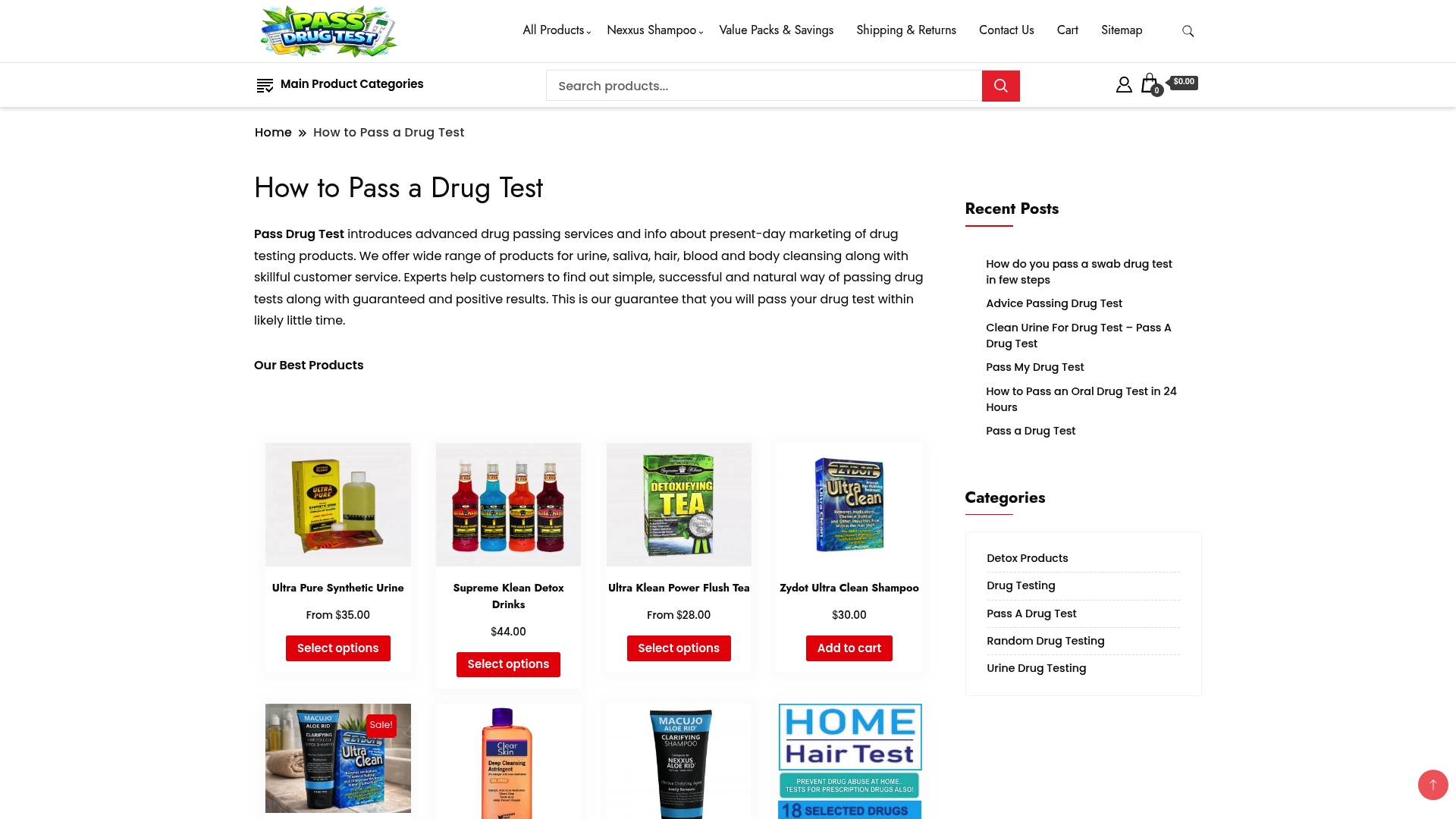
Whether you are facing a urine screen or a hair follicle test, the hair drug test detox products at Passdrugtest are selected for proven effectiveness. Pairing home test kits with a structured detox regimen gives you the clearest picture of your readiness and the best chance of walking out of that test with confidence.
FAQ
How early should I start preparing for a hair drug test?
Start your preparation as soon as you recognize any warning sign, ideally 10 or more days before the test date. Hair tests detect use up to 90 days back, so earlier action always produces better results.
What does a faint line on a home drug test mean?
A faint line still counts as a negative result on most home immunoassay kits, but it signals that metabolite levels are close to the 50 ng/mL cutoff threshold. Treat it as a warning sign and continue your preparation.
Can exercise help clear drug metabolites faster?
Moderate exercise supports metabolite clearance over time, but intense fat-burning workouts in the 48–72 hours before a urine test can spike THC metabolite levels by releasing stored compounds from fat cells.
Why do detox drinks fail to beat lab drug tests?
Labs use specimen validity testing to measure creatinine, specific gravity, and pH levels. Detox drinks that dilute or alter these markers are flagged as adulterated or invalid samples, which carry the same consequences as a positive result.
What is the MRO process and how does it affect my results?
The Medical Review Officer (MRO) reviews all positive lab results and checks for legitimate prescription explanations before notifying your employer. This process protects against false positives from medications, but it does not override confirmed positive results from actual drug use.