

There is no guaranteed, safe home method to remove methamphetamine from hair. Abstinence and time are the only dependable factors, and the Society of Hair Testing does not endorse any cosmetic treatment as a validated way to beat a hair follicle drug test. Peer-reviewed studies report measurable reductions under certain lab conditions, but those results do not translate into a guarantee. If you need supplies while you work through a realistic plan, some retailers offer stepwise protocols built around the Macujo method.
TL;DR:
- Laboratory studies show that detox shampoos and home remedies can reduce meth concentrations but do not guarantee a negative test result.
- The effectiveness of treatments varies widely based on hair type, dose history, melanin content, and testing protocols, making reliability impossible.
- Immediate cessation of drug use and understanding the lab’s cutoff levels are the most evidence-supported steps to improve chances of passing.
- Cosmetic hair treatments like bleaching or strong acids may lower drug detection in lab settings but pose health risks and can be detected by labs.
- The best approach remains abstinence combined with realistic, documented testing procedures rather than relying on home treatments or aggressive chemical methods.
Table of Contents
- Direct verdict: is there a reliable meth hair detox?
- How meth gets into hair and how labs test for it
- What the research says about detox shampoos and homemade treatments
- What actually helps: realistic steps in priority order
- Health, forensic, and legal risks you need to understand
- PassDrugTest’s protocol and where the science sets realistic limits
- A realistic view from someone who has seen both outcomes
- Where to get the supplies if you choose this route
- Primary sources and laboratory guidance
- Sources
- FAQ
Direct verdict: is there a reliable meth hair detox?
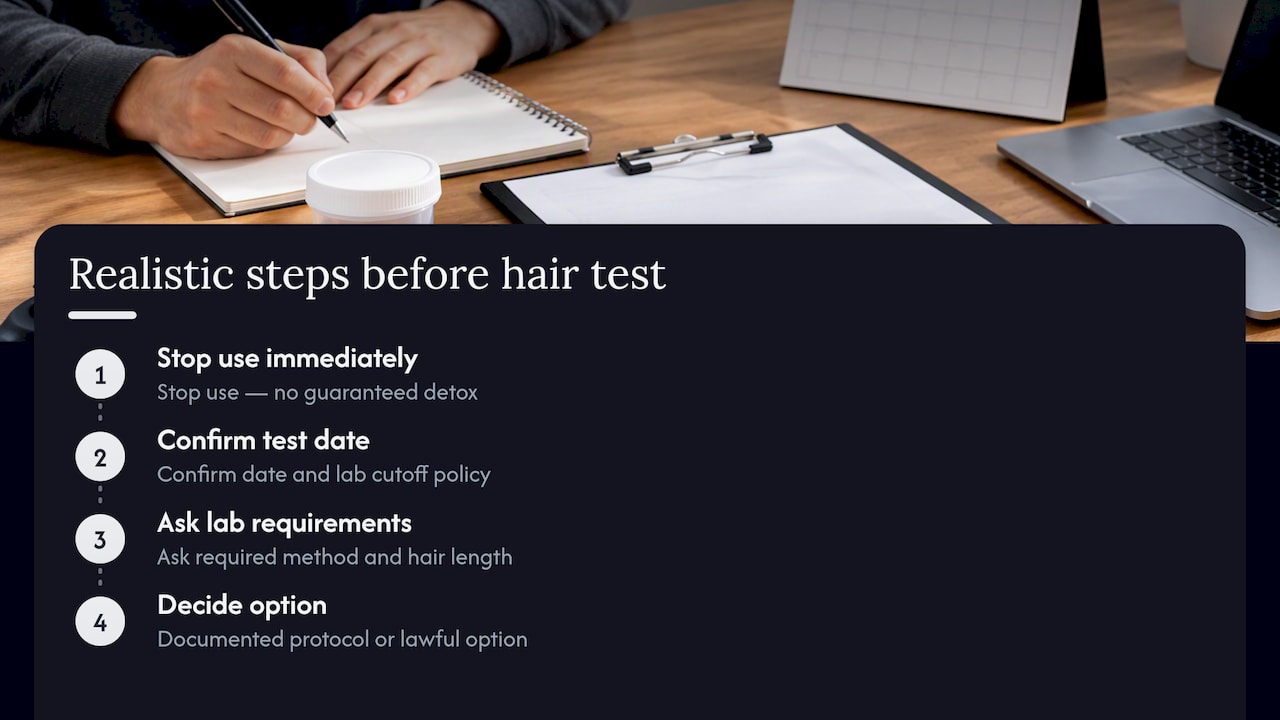
No home treatment reliably erases methamphetamine from hair on command. Controlled experiments show some protocols lower measured concentrations, sometimes substantially, but the reductions are inconsistent across individuals and hair types. If a test is scheduled, your realistic options are to stop using immediately, confirm the test date and the lab’s cutoff policy, ask what method and hair length the lab requires, and decide whether a documented protocol or another lawful option fits your situation.
How meth gets into hair and how labs test for it
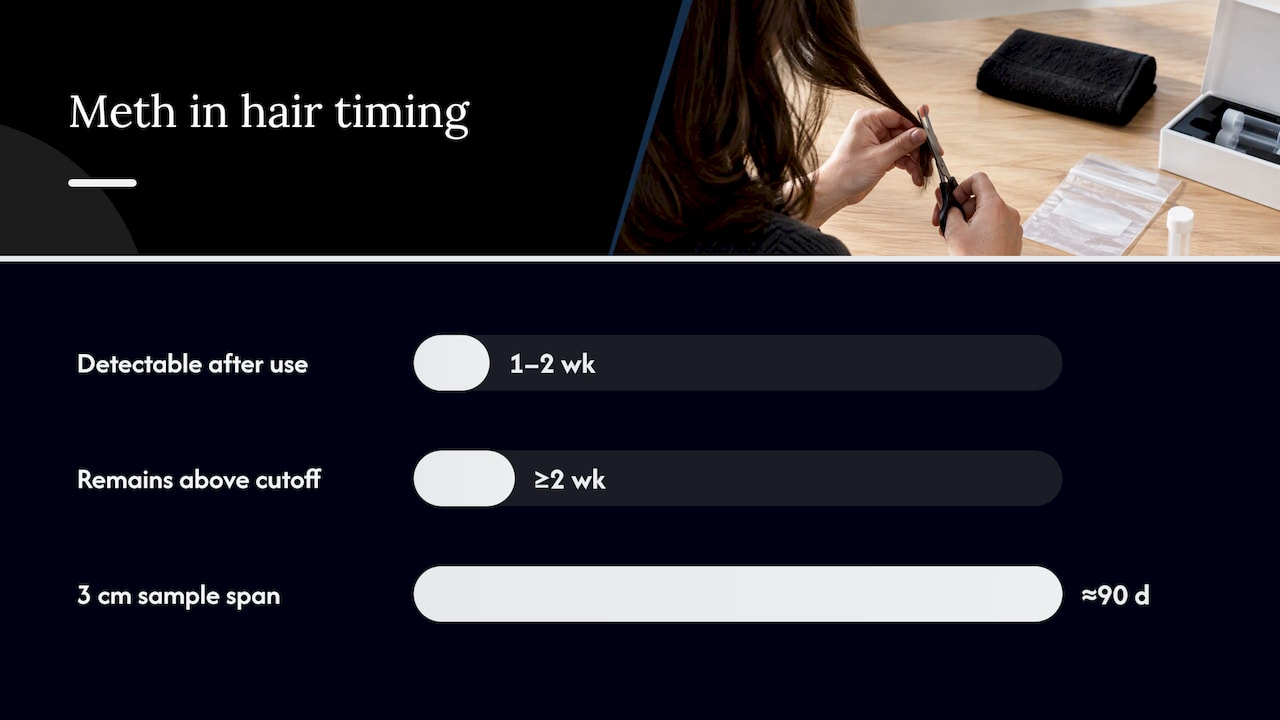
Methamphetamine reaches hair mainly through the bloodstream as the hair follicle grows, though sweat and sebum can also deposit small amounts on the surface. Labs look for amphetamine alongside methamphetamine because the presence of that metabolite supports an ingestion interpretation rather than simple surface contact. Controlled-dosing research found that methamphetamine incorporation is dose-related and shows up in detectable amounts within one to two weeks of use, with concentrations staying above common cutoffs for at least two weeks in the study cohort.
Hair testing works on segments, and a standard 3 cm sample approximates the most recent 90 days of growth, so a longer sample captures a longer history. Growth rate varies by person, which is one reason two people with similar use patterns can produce different results.
- Hair incorporates methamphetamine through blood flow to the follicle, not only through external contact.
- A 3 cm segment covers roughly 90 days, with segmentation used to estimate timing of use.
- The Society of Hair Testing publishes recommended cutoffs, though individual labs and testing programs may apply their own thresholds.
- Confirmatory testing relies on LC-MS/MS, a chemical analysis method that identifies and quantifies specific drug compounds.
Melanin content strongly affects how much drug binds to hair, which is a major source of variability between individuals with the same use history. Laboratories decontaminate samples before analysis, typically with isopropanol and phosphate buffer washes, and they analyze the wash solutions themselves to help distinguish external contamination from actual ingestion. That process is validated and standardized in a way a home shampoo session simply is not.
What the research says about detox shampoos and homemade treatments
The strongest evidence on hair treatments comes from controlled experiments, not testimonials, and the findings are more mixed than most sales pages suggest. A peer-reviewed hair-treatment study tested internet-sourced treatments against drug-positive hair samples and recorded a mean reduction in methamphetamine concentration of up to 76% under specific experimental conditions. That number describes one study’s results, not a promise for every hair type, dose history, or lab protocol.
76% mean maximum reduction in methamphetamine concentration was reported in a controlled hair-treatment experiment, but the same study notes that results varied by drug and by treatment type.
Separately, controlled oral methamphetamine administration research found that incorporation into hair is dose-related and heavily influenced by melanin content, which explains why two people using the same amount of methamphetamine can end up with very different hair concentrations. The same research noted that bleaching and oxidative cosmetic treatments lowered measured methamphetamine in some experimental contexts, with reductions reported around a moderate amount in one scenario, but these treatments also alter the hair matrix itself, which complicates how a lab interprets the sample.
A broader review of sample manipulation strategies in forensic toxicology looked at forced washing, bleaching, oxidative dyeing, and cleansing shampoos. It found:
- Partial reductions occurred in some experiments, but effectiveness varied widely by product and method.
- Long incubation periods, meaning hours of product contact rather than a quick wash, produced more significant reductions for some products than a single application did.
- Labs are developing biomarkers such as PTCA to detect oxidative treatment, though these tools are not yet routine everywhere.
- Extensive washing or specialized shampoos can sometimes evade detection, which is part of why testing programs keep refining their methods.
None of this adds up to a reliable passing strategy. A reduction observed in a controlled lab experiment, run on prepared samples under ideal conditions, is a different thing from what happens when you apply a product once at home before a scheduled test. The gap between “measurable reduction in a study” and “guaranteed negative result in a real test” is the single most misunderstood point in this entire topic.
What actually helps: realistic steps in priority order
If you are facing a hair follicle test, the order you take action in matters more than any single product you buy. Here is the sequence that reflects what the evidence actually supports.
- Stop using immediately. Time since last use is the single factor every study agrees matters, since more recent growth carries less exposure.
- Confirm your test date and the testing program’s policy. Some employers or agencies allow a short window to reschedule; federal programs generally do not.
- Ask the lab or collector for specifics, including the cutoff level used, the hair segment length required, the confirmatory method (usually LC-MS/MS), and the decontamination wash protocol applied before analysis.
- Address surface contamination with normal hygiene, washing hair as you normally would rather than applying aggressive, undiluted chemicals that risk your scalp without solid evidence of benefit.
- Avoid bleach and strong acids as a do-it-yourself fix. The research shows these treatments can lower concentrations in a lab setting, but the effect is unpredictable outside controlled conditions and the physical risk is real.
- Consider a documented shampoo protocol, understanding it is one option among several and not a certainty, if you choose to pursue a product-based approach.
- Ask about alternatives if time is extremely short, including whether an alternate specimen type is permitted, whether a retest is possible, or what your HR or legal options are, while understanding that refusing a test is typically treated as a failed one.
Pro Tip: Request the lab’s cutoff and wash protocol in writing before you decide on any treatment. Knowing the actual cutoff level changes what “close enough” even means for your situation.
Some people repeat a product application several times over a week or more, reasoning that one session underperforms but repeated sessions compound the effect. The research on homemade treatments does suggest repeated or extended-contact applications outperform a single quick wash, but “outperform” still falls short of “guarantee,” and repeated harsh treatments raise the physical risk alongside any benefit. For a deeper comparison of what shampoos and home remedies can and cannot do, see this review of detox shampoos versus home remedies.
Health, forensic, and legal risks you need to understand
Aggressive home chemistry carries real downsides that rarely get mentioned alongside the promised results. Repeated bleaching, undiluted vinegar or salicylic acid soaks, and other acidic treatments can cause chemical burns, scalp irritation, and significant hair damage. Seek medical attention if you notice blistering, persistent burning, or swelling after any treatment.
Labs are not blind to cosmetically altered hair. Visible damage, unusual texture, or biomarkers associated with oxidative treatment can prompt additional scrutiny, and forensic toxicology reviews describe ongoing work to detect exactly this kind of manipulation. A flagged or inconclusive sample can create more problems than a straightforward positive, particularly in federally regulated testing programs where deliberate manipulation carries its own consequences.
- Chemical burns and scalp damage can result from undiluted bleach, strong acids, or repeated harsh treatments.
- Labs may detect cosmetic alteration through visible hair damage or emerging biomarker testing.
- Deliberate manipulation of a sample can carry legal or employment consequences separate from the original test result.
- If asked, disclose any recent cosmetic hair treatments, and consult a medical or legal professional when the stakes are high.
PassDrugTest’s protocol and where the science sets realistic limits
Some protocols for hair detox are built around the Macujo method, a multistep washing sequence that combines specific cleansing agents with Aloe Rid shampoo to target surface and shaft-level residue. We present it as a documented, widely used option, not a laboratory-certified guarantee, because no cosmetic treatment carries that kind of certainty under SoHT consensus guidance.
- Materials typically include a vinegar or detergent pre-wash, a specialized astringent, and the Macujo Aloe Rid shampoo applied in sequence.
- The sequence matters: each step targets a different layer of residue, and skipping steps reduces the protocol’s intended effect.
- Timing usually spans multiple days before a test, not a single same-day application.
- Stop immediately if you notice burning, swelling, or unusual irritation, and rinse thoroughly.
Results still depend on your dose history, hair type, melanin content, and the specific cutoff your lab applies, so treat this as one tool, not a substitute for abstinence. Readers who want the full step sequence can see the Macujo method walkthrough, and background on how contamination and wash ratios affect lab interpretation is covered in this explainer on external contamination.
A realistic view from someone who has seen both outcomes
If you take one thing from this guide, let it be this: the odds favor abstinence and time over any product, and pretending otherwise sets you up for disappointment. Document every conversation you have with a testing authority, including dates, names, and what was said about cutoffs or retesting. When the stakes involve your job or a legal matter, talking to a lawyer or a medical professional before you act is often the better call, and honesty with the people administering your test can sometimes serve you better than a risky workaround.
— MIchael
Where to get the supplies if you choose this route
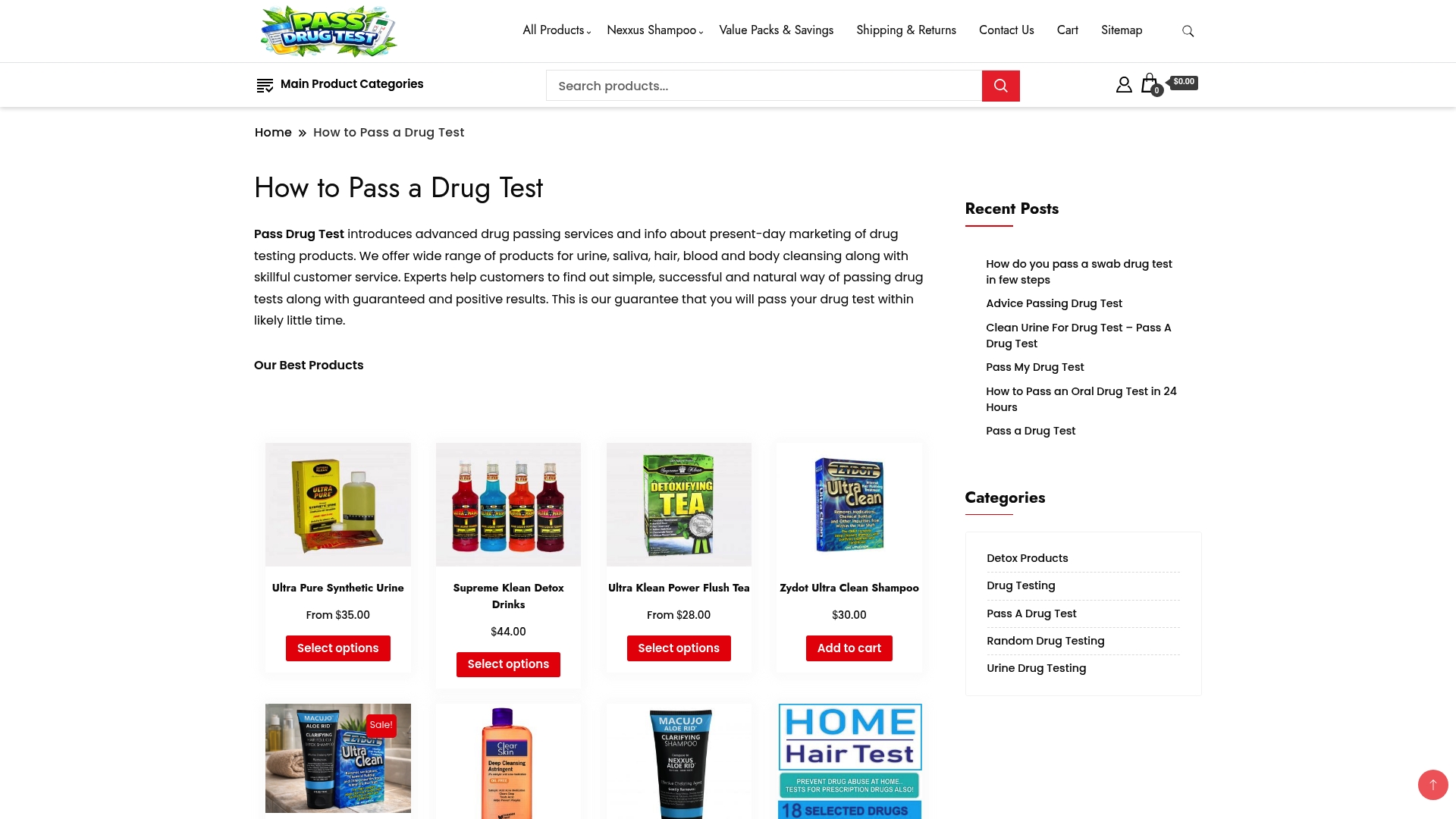
Some sellers stock the Macujo Aloe Rid shampoo along with related products in the Macujo method lineup, offering the product, wash steps, and written instructions together. Ordering is discreet, and the limits described above still apply: this is a documented option, not a certainty. Browse the hair drug test shampoo page to see what is available and get started.
Primary sources and laboratory guidance
Cited research and SoHT consensus guidance appear above. Ask your lab for its method and cutoff documents if you plan to contest a result.
Sources
- Hair analysis: Assessment of homemade hair treatment effects on drug concentrations in the keratin matrix (Analytical Science Journals)
- Incorporation of methamphetamine and amphetamine in human hair following controlled oral methamphetamine administration (PMC)
- Society of Hair Testing (SoHT) — Consensus Document on Drugs of Abuse (2021)
FAQ
How long does it take for meth to show up in a hair follicle test?
Methamphetamine can appear in hair in detectable amounts within one to two weeks after use, based on controlled-dosing research. This delay happens because the drug reaches the hair shaft as it grows from the follicle, so very recent use may not yet be detectable.
How long do you have to be clean to pass a hair follicle drug test?
There is no universal number of clean days that guarantees a passing result, since incorporation depends on dose, hair growth rate, and melanin content. A standard 3 cm hair segment reflects roughly the most recent 90 days, so a longer period of abstinence generally improves your position, though individual lab cutoffs still determine the outcome.
How to pass a hair follicle test in 2026?
The most reliable approach remains stopping use immediately and allowing as much time as possible before the test, since no cosmetic treatment is validated to guarantee a negative result. Readers who choose a documented shampoo protocol alongside abstinence can review the Macujo method steps for a transparent, step-by-step option.
What is the best detox shampoo for a hair follicle drug test?
Some sellers offer the Macujo Aloe Rid shampoo as part of a multi-step washing protocol rather than a single rinse. No shampoo is validated by laboratory standards as a guaranteed solution, so it should be paired with abstinence and realistic expectations rather than used alone.