
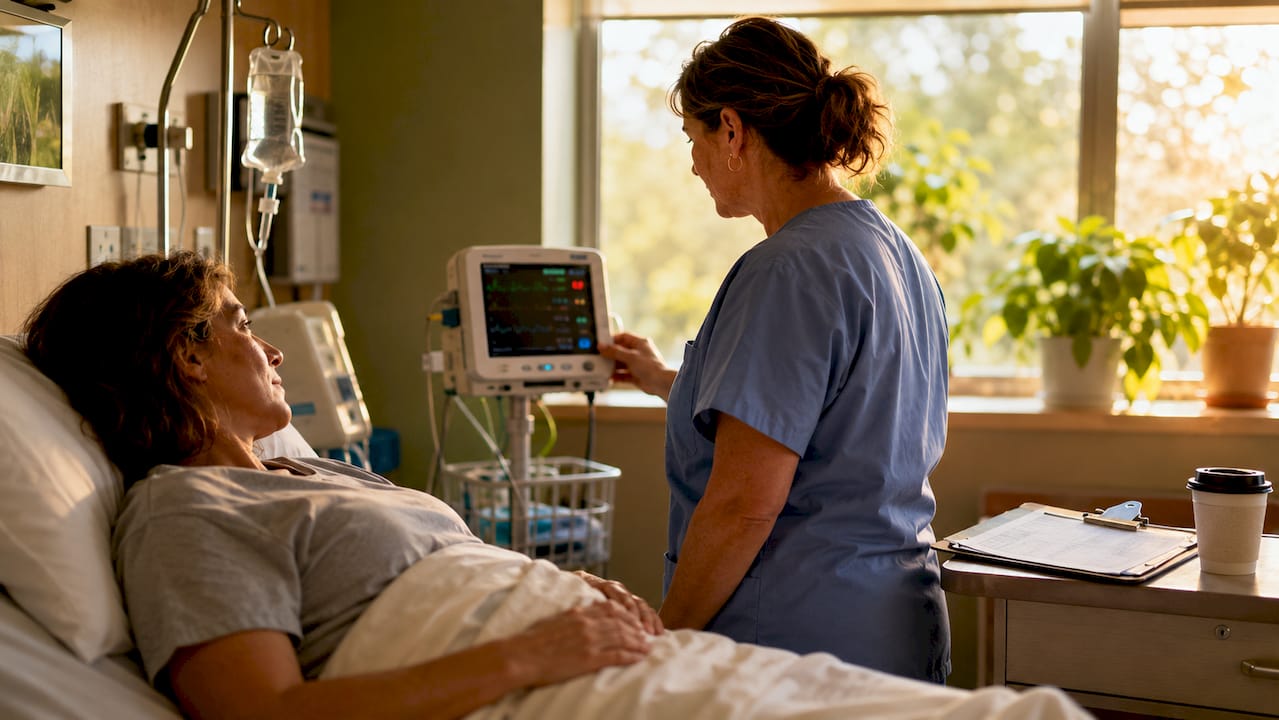

The industry standard for detox is medically supervised detoxification designed to safely manage withdrawal symptoms and stabilize patients, as defined by the American Society of Addiction Medicine (ASAM). This clinical definition is very different from the commercial “detox” products and cleanses you see marketed online. If you are preparing for a hair follicle drug test, understanding this distinction helps you separate proven methods from unregulated products that may do more harm than good.
What clinical protocols define the industry standard for detox?
Medical detoxification, as defined by ASAM, includes 24/7 monitoring and pharmacologic withdrawal management that typically lasts 3–14 days depending on individual factors. ASAM Levels 3 and 4 describe intensive, medically supervised inpatient detoxification stages with structured clinical management. These are the detoxification standards that hospitals, addiction treatment centers, and licensed clinicians follow.
The cornerstone of alcohol detox within these protocols is the CIWA-Ar scale. Symptom-triggered protocols using CIWA-Ar scores above 8–10 guide benzodiazepine administration, reducing medication exposure compared to fixed-dose regimens. This approach is safer because it matches medication dosing to actual withdrawal severity rather than giving every patient the same amount.
Medication selection also matters. Long-acting benzodiazepines like diazepam and chlordiazepoxide are preferred in alcohol detox to prevent seizures and delirium due to smoother withdrawal management. Short-acting agents create peaks and troughs in sedation that increase risk. The goal is steady, controlled stabilization.
Nutritional support is another non-negotiable component of standard detox protocols. Thiamine supplementation at 250mg daily via intramuscular or intravenous delivery for 5 days is critical to prevent Wernicke encephalopathy during alcohol detox. Chronic alcohol use impairs thiamine absorption, so oral supplementation alone is not enough.
Key elements of clinical detox protocols include:
- Continuous vital sign monitoring and neurological assessment
- CIWA-Ar or COWS scoring tools for withdrawal severity
- Individualized medication plans based on substance type and patient history
- Thiamine and electrolyte replacement for alcohol detox
- Psychological support and transition planning for ongoing treatment
Pro Tip: If you are evaluating a medical detox program, ask specifically whether they use CIWA-Ar scoring and individualized medication plans. Programs that use standardized assessment tools deliver measurably safer outcomes than those relying on fixed-dose schedules.
Why are commercial detox products not part of the industry standard?
Commercial detox products and cleanses are unregulated, lack uniform testing, and may cause harm such as drug-induced liver injury. Johns Hopkins Medicine is direct on this point: no clinical evidence supports their effectiveness for removing substances from the body. The FDA does not approve or regulate most detox supplements sold online or in stores.
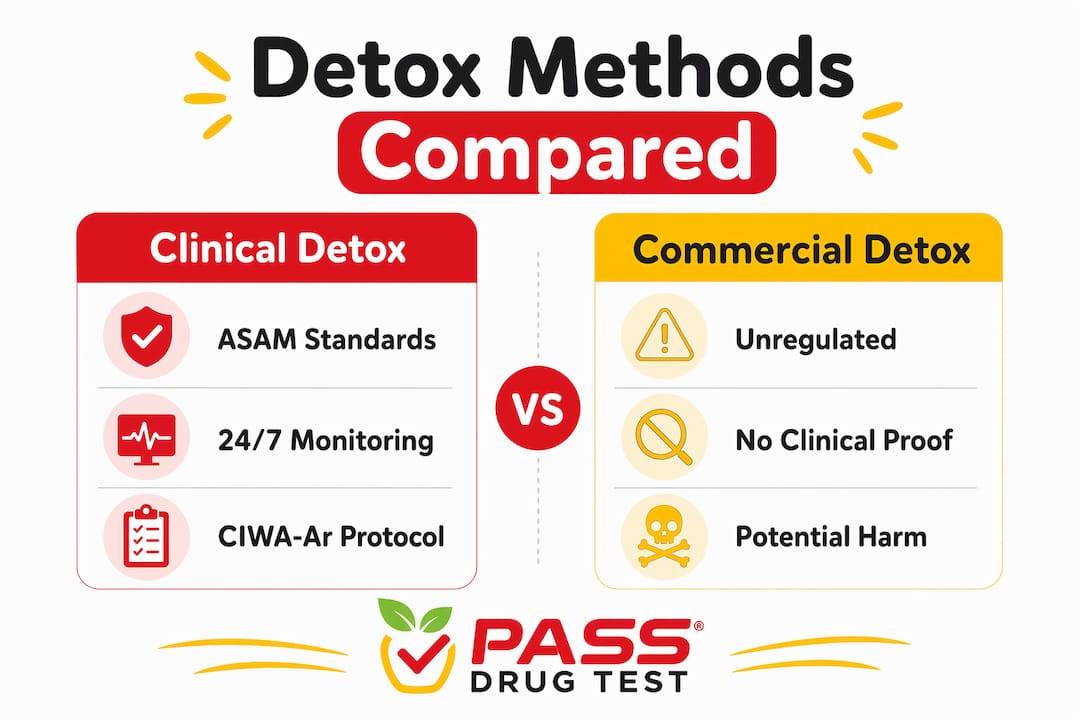
The confusion runs deep. Confusing clinical detoxification with lifestyle detox trends leads many people to rely on ineffective supplements and fail to address their actual physiological needs. A product labeled “detox tea” or “liver cleanse” has no obligation to prove it works before reaching store shelves.
Here is what the evidence actually supports for helping your body’s natural detox organs function well:
- Hydrate consistently. Drinking 1.5 to 1.8 liters of water daily supports kidney and liver function. Your kidneys filter waste continuously, and adequate hydration keeps that process efficient.
- Eat a fiber-rich whole food diet. Fiber supports gut health and helps the liver process and eliminate waste products. Processed foods and alcohol place extra strain on detox organs.
- Exercise consistently. Regular physical activity supports circulation, lymphatic drainage, and metabolic function. These are the systems your body uses to clear toxins naturally.
- Avoid unnecessary supplements. Many commercial detox products contain herbal compounds that can stress the liver rather than support it, particularly in high doses.
“Legitimate detox is stabilizing, not physically grueling. If symptoms worsen during detox, that may indicate a treatment problem or complication.” — Dr. Purow, American Medical Association
The AMA’s guidance on medically supervised detox reinforces this point clearly. Real detox should make you feel more stable over time, not worse. If a product or program promises rapid, dramatic results, that is a warning sign rather than a selling point.
How does the industry standard apply to hair follicle drug test detox?
Hair follicle drug testing operates on a completely different mechanism than urine or blood testing. Drug metabolites are incorporated into the hair shaft as it grows, creating a record of substance use that can extend back 90 days or more. Standard clinical detox protocols address blood and organ-level clearance, not the metabolites already locked inside the hair shaft. This is why a separate set of detoxification best practices applies specifically to hair test preparation.
The table below compares clinical detox standards with hair-specific detox approaches:
| Factor | Clinical detox standard | Hair follicle detox approach |
|---|---|---|
| Target | Blood, organs, withdrawal symptoms | Drug metabolites embedded in hair shaft |
| Setting | Licensed medical facility | At-home protocol with specialized products |
| Regulatory oversight | ASAM, FDA-approved medications | Largely unregulated product market |
| Evidence base | Peer-reviewed clinical trials | User reports, expert observations |
| Primary tools | Benzodiazepines, CIWA-Ar, thiamine | Specialized shampoos, multi-step protocols |
| Timeline | 3–14 days | Multiple treatments over days before test |
For hair drug test preparation, the Macujo Method is frequently cited as an effective hair detox strategy involving specific shampoos and treatments that remove drug residues. It stands out among hair detox protocols because it uses a multi-step process designed to open the hair cuticle and flush out embedded metabolites. The Macujo Aloe Rid Shampoo is the flagship product in this protocol, recognized by Passdrugtest as the top-performing shampoo for this purpose.
You should be cautious about home remedies that have no documented track record. Baking soda pastes, apple cider vinegar rinses, and generic clarifying shampoos do not penetrate the hair cortex where metabolites are stored. They clean the surface of the hair, not the interior structure where the test actually detects substances.
Pro Tip: When preparing for a hair follicle drug test, start your protocol as early as possible. The Macujo Method requires multiple wash sessions over several days to be effective. A single treatment the night before a test is not enough.
What are the best practices and benchmarks for safe, effective detox?
Successful detox depends more on licensed medical oversight and individualized planning than on marketing or product claims. This principle applies whether you are seeking clinical detox for substance dependence or preparing for a hair follicle drug test. The quality indicators are the same: personalized assessment, evidence-based tools, and qualified supervision.
For medical detox programs, look for these benchmarks:
- Licensed clinical staff including physicians, nurses, and counselors on-site
- Individualized treatment plans based on substance type, use history, and health status
- Use of validated assessment tools like CIWA-Ar or COWS
- Clear transition planning to ongoing treatment after detox is complete
- Transparent communication about what to expect during the process
For hair drug test preparation, the benchmarks shift but the principle of evidence-based practice remains. Choosing proven detox shampoos over unverified home remedies reflects the same logic as choosing FDA-approved medications over unregulated supplements. The product needs a documented mechanism and a track record.
Lifestyle habits also matter in both contexts. Hydration, nutrition, and exercise support your body’s natural clearance systems. These habits do not replace specialized protocols for hair testing, but they create a healthier baseline that supports every detox approach you use. Reducing toxin exposure at the source, such as stopping substance use as early as possible before a test, is more effective than any ingestion-based cleanse.
Key takeaways
The most effective detox approach combines evidence-based clinical protocols for medical withdrawal with proven, specialized methods for hair follicle drug test preparation.
| Point | Details |
|---|---|
| Clinical detox standard | ASAM Levels 3 and 4 require 24/7 monitoring, CIWA-Ar scoring, and individualized medication plans. |
| Commercial products lack evidence | Johns Hopkins Medicine confirms no clinical proof supports detox supplements for substance removal. |
| Hair detox requires specialized tools | Drug metabolites in hair shafts need targeted shampoo protocols, not general cleanses. |
| Macujo Method is proven for hair tests | Multi-step protocols using Macujo Aloe Rid Shampoo are the recognized approach for hair follicle test prep. |
| Lifestyle habits support all detox | Daily hydration of 1.5–1.8 liters, whole food diet, and consistent exercise reinforce natural detox organs. |
My take on detox standards and what actually matters for hair tests
I have spent years watching people make the same mistake: they search for “detox” and end up buying a product that was never designed to address their actual problem. Clinical detox and hair test detox are two entirely different challenges. Conflating them leads to wasted money and failed tests.
The clinical standard exists for a serious reason. Alcohol and benzodiazepine withdrawal can be life-threatening. ASAM protocols, CIWA-Ar scoring, and thiamine supplementation are not bureaucratic formalities. They are the difference between a safe withdrawal and a medical emergency. Respecting that standard means recognizing that no supplement or tea replaces licensed medical care when genuine withdrawal is involved.
For hair follicle drug test preparation, the standard is different but the principle is the same: use what works, not what sounds good. The Macujo Method has earned its reputation through consistent results reported by real users. It is not a miracle. It is a structured, multi-step protocol using the right products in the right sequence. That is as close to a detox benchmark as hair test prep gets.
What frustrates me most is the volume of unregulated products making bold claims with zero evidence. The science-backed detox support strategies are not complicated: hydrate, eat well, exercise, and use products with a documented track record. Everything else is noise.
If you are facing a hair follicle drug test, do not gamble on an untested home remedy. Use a proven protocol, start early, and follow the steps correctly. That is the closest thing to a standard in this space.
— MIchael
Passdrugtest has the products that match proven detox protocols
Facing a hair follicle drug test is stressful. You deserve products that are proven, not just marketed. Passdrugtest carries the most trusted solutions for hair drug test preparation, built around the same principle that drives clinical detox standards: use what actually works.
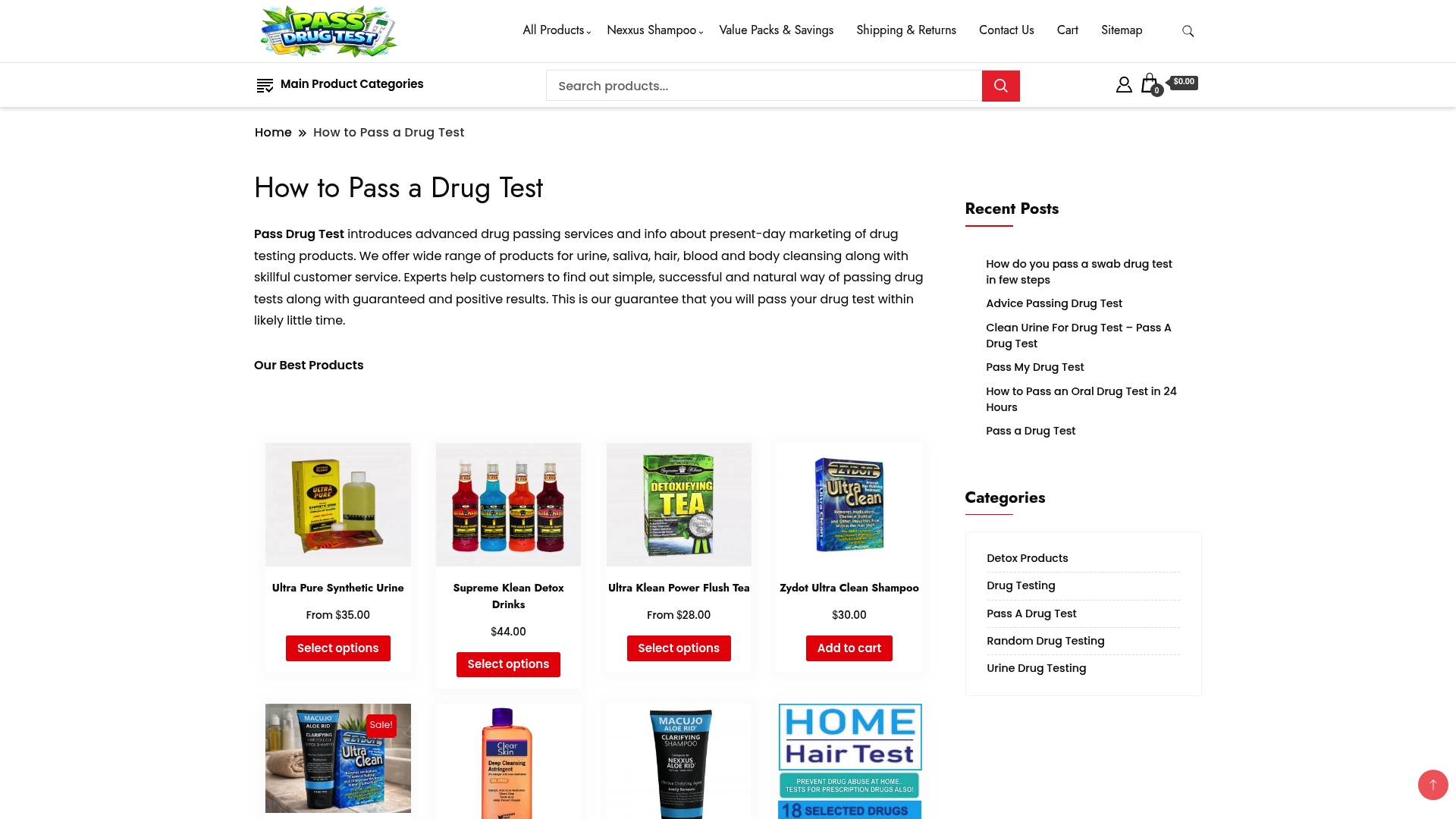
The Macujo Aloe Rid Shampoo is Passdrugtest’s flagship product and the cornerstone of the Macujo Method. It is formulated specifically to penetrate the hair shaft and remove embedded drug metabolites. For a complete protocol, the Macujo Aloe Rid Shampoo + Zydot Ultra Clean Treatment bundle gives you everything you need in one package. Browse the full range of drug test detox products at Passdrugtest and choose the solution that fits your timeline and test type.
FAQ
What is the industry standard for medical detox?
The industry standard for medical detox is defined by ASAM Levels 3 and 4, which require 24/7 clinical monitoring, symptom-triggered medication management using tools like CIWA-Ar, and individualized treatment plans lasting 3–14 days.
Do commercial detox products actually work for substance removal?
No. Johns Hopkins Medicine confirms that commercial detox products are unregulated, lack clinical evidence, and may cause harm such as drug-induced liver injury. Supporting your liver and kidneys through hydration, diet, and exercise is the evidence-based alternative.
How does hair follicle drug testing differ from standard detox?
Hair follicle testing detects drug metabolites embedded in the hair shaft, which standard clinical detox protocols do not address. Specialized shampoo-based protocols like the Macujo Method are designed specifically to target metabolites in the hair cortex.
Is the Macujo Method considered a reliable hair detox protocol?
The Macujo Method is widely recognized as the most effective hair detox strategy for passing a hair follicle drug test. It uses a multi-step process with the Macujo Aloe Rid Shampoo to open the hair cuticle and flush out embedded drug residues.
When should you seek licensed medical supervision for detox?
You should seek licensed medical supervision any time withdrawal from alcohol, benzodiazepines, or opioids is involved. The AMA confirms that legitimate detox is stabilizing, and worsening symptoms during detox indicate a need for immediate clinical evaluation.