


Employer drug testing trends in 2026 are defined by three forces reshaping workplace screening: new federal mandates, shifting marijuana laws, and advances in detection technology. The Department of Health and Human Services added fentanyl and norfentanyl to mandatory federal testing panels as of july 7, 2025, signaling that the old five-panel standard no longer reflects real workplace risk. At the same time, marijuana rescheduling to Schedule III and expanding state cannabis protections are forcing HR teams to rethink policies they built years ago. If your drug testing program has not been updated in the last 12 months, it is already behind.
What are the new federal and state regulatory changes affecting drug testing in 2026?
Federal workplace drug testing policy changed materially in 2025 and 2026. The HHS mandate adding fentanyl to federal panels took effect july 7, 2025, and Department of Transportation alignment is expected to follow. This matters because fentanyl positivity is 707% higher in random tests than in pre-employment screens. That gap proves that one-time hiring tests miss the employees who pose the greatest ongoing risk.
The DOT also issued new rule changes in june 2026 covering directly observed collections. Oral fluid testing under DOT programs, however, still awaits certification of two federal laboratories. Once those labs receive certification, employers get an 18-month grace period to integrate oral fluid tests into their programs. Plan for that transition now rather than scrambling when certification arrives.
Marijuana rescheduling to Schedule III under the Controlled Substances Act does not remove employer authority to test or take adverse action. Federal contractors and safety-sensitive industries retain full testing rights. The complication is at the state level, where a growing number of states now prohibit adverse employment actions based solely on a positive marijuana test outside of work hours. HR teams operating across multiple states need a policy matrix that reflects each state’s specific protections.
Key regulatory actions every HR team should track:
- HHS fentanyl panel expansion effective july 7, 2025, covering fentanyl and norfentanyl in federally mandated programs.
- DOT June 2026 observed collection rule requiring updated collection procedures for safety-sensitive employees.
- State cannabis employment protections now active in more than 20 states, limiting adverse action for off-duty use.
- Oral fluid lab certification pending for two federal facilities, after which an 18-month adoption window opens.
- Schedule III marijuana reclassification changing federal drug scheduling without eliminating employer testing rights.
Pro Tip: Review your drug testing policy at least twice per year. Set a calendar trigger for january and july to align with federal rulemaking cycles.
How are employee drug use patterns evolving in 2026?
Hair analysis data from 2025 shows nearly 1 in 5 U.S. workers tested positive for drug use, a 46% increase since 2021. That figure is not a blip. It reflects a sustained, multi-year rise in substance use that pre-employment urine screens consistently undercount.
Marijuana accounts for the largest share of positives. Marijuana hair test positivity rose 58.9% over five years, reaching 15.1% in 2025. Hair testing captures drug metabolites deposited in the hair shaft over approximately 90 days, which means it reflects chronic use patterns rather than a single recent exposure. Urine tests, by contrast, typically detect marijuana use within the past 3–7 days for occasional users and up to 30 days for heavy users.
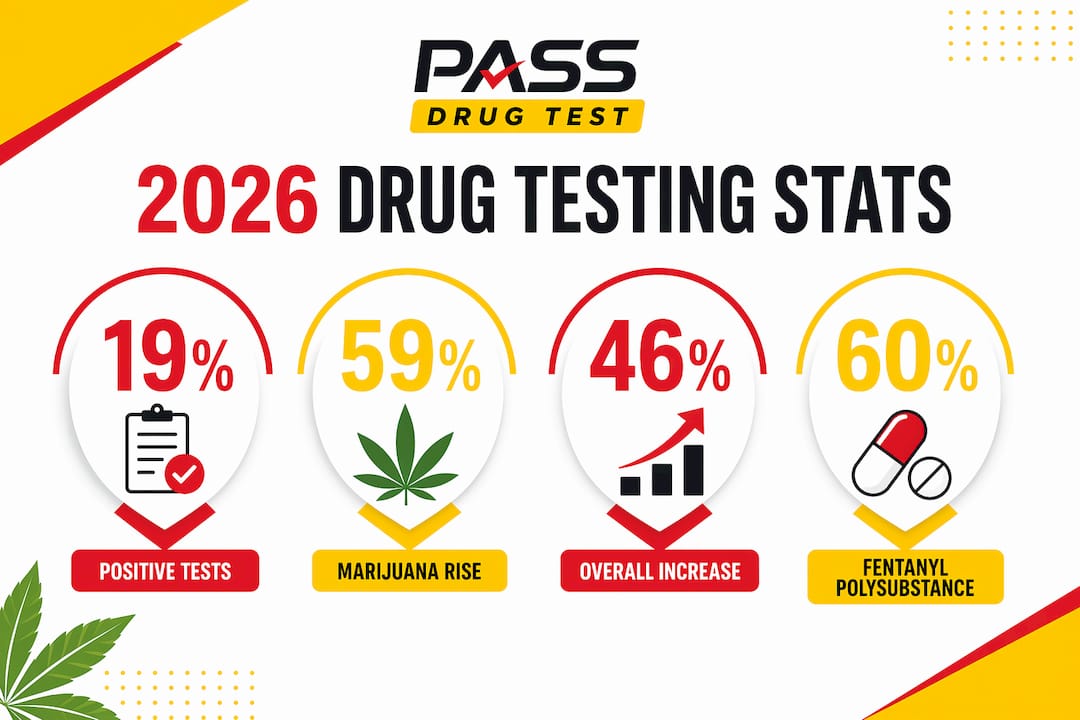
Fentanyl is the second critical trend. 60% of fentanyl-positive specimens also contained other substances in 2024. Polysubstance use complicates both detection and impairment assessment, because standard panels were not designed to flag multiple simultaneous substances at clinically meaningful thresholds.
| Substance | Testing method | Detection window | Key 2026 trend |
|---|---|---|---|
| Marijuana | Hair | ~90 days | Positivity up 58.9% since 2020 |
| Fentanyl | Urine / oral fluid | 1–4 days | 707% higher in random vs. pre-employment |
| Amphetamines | Urine | 2–4 days | Steady; synthetic variants emerging |
| Cocaine | Hair | ~90 days | Stable positivity; polysubstance overlap |
Industry differences are significant. Construction and transportation show higher overall positivity rates than healthcare and finance, partly because of physical job demands and the availability of opioids in injury-prone environments. Healthcare workers show lower overall positivity but higher rates of prescription drug misuse when detected. Retail and warehouse sectors show elevated marijuana positivity, consistent with the national trend.
What testing technologies are shaping the future of employer screening?
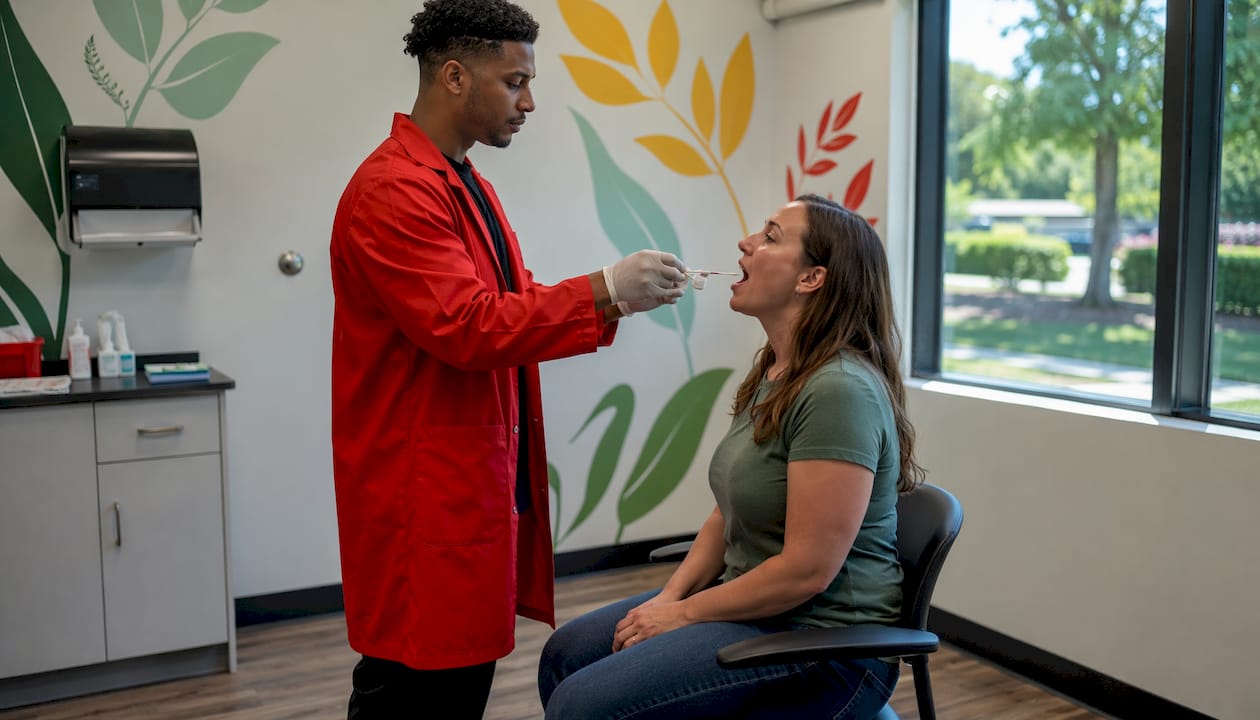
Oral fluid testing adoption increased over 40% from 2023 to 2026. The method is less invasive than urine collection, harder to adulterate, and better suited for detecting very recent use, making it the preferred choice for post-accident and reasonable suspicion scenarios. The main barrier to wider federal use remains lab certification, not technology readiness.
Hair follicle testing is the most reliable method for identifying chronic substance use. You can learn more about hair follicle test policies and how they are evolving in 2026. Hair analysis captures a 90-day use history that urine and oral fluid tests cannot match. For employers in safety-sensitive industries, hair testing provides a fundamentally different picture of workforce risk than a urine screen taken on a single day.
Mobile, on-site analytical platforms now enable rapid multi-substance detection without sending specimens to a central lab. These platforms address the core weakness of traditional binary tests, which return only a positive or negative result without identifying the specific substance or concentration. Real-time, multi-substance identification is particularly valuable when synthetic opioids and novel psychoactive substances are involved, because standard immunoassay panels often miss them entirely.
Key technology shifts to monitor:
- Oral fluid testing growing rapidly for post-accident and reasonable suspicion use cases.
- Hair analysis providing 90-day detection windows for chronic use patterns.
- Mobile on-site platforms delivering real-time, multi-substance results at the collection site.
- Expanded immunoassay panels now including fentanyl, norfentanyl, and synthetic opioid markers.
Pro Tip: If your program relies solely on urine testing, add hair analysis for pre-employment screening in safety-sensitive roles. The 90-day window catches patterns that a single urine test will miss.
How should employers update their drug testing policies for 2026?
The shift from binary positive/negative results toward impairment-based assessments is the most consequential policy change HR teams face right now. A positive marijuana test no longer automatically justifies termination in states with off-duty use protections. What does justify action is documented, observable impairment at work.
Here is a practical framework for updating your program:
- Audit your current panel. Confirm that fentanyl and norfentanyl are included. If your provider has not updated your panel since july 2025, request the change immediately.
- Map your state exposure. List every state where you employ workers and identify which states restrict adverse action for off-duty marijuana use. Build a policy matrix that applies the correct standard in each jurisdiction.
- Train supervisors on impairment documentation. Supervisors trained to document specific signs such as lack of coordination, erratic behavior, and cognitive lapses create a legally defensible record. A positive test alone is increasingly insufficient.
- Add random testing to your program. Pre-employment testing alone misses post-hire substance use. Fentanyl positivity being 707% higher in random tests than pre-employment screens proves this point clearly.
- Integrate an employee assistance program. As impairment-based policies replace automatic termination, employees need a referral pathway for treatment. An EAP also reduces legal exposure when adverse action is challenged.
- Set a policy review schedule. Regulatory changes in 2025 and 2026 have been frequent. A twice-yearly review cycle, tied to federal rulemaking calendars, keeps your program compliant.
Pro Tip: Document every supervisor observation with specific, observable behaviors and timestamps. Vague notes like “seemed off” will not hold up in a disability rights challenge. Specific notes like “unable to complete safety checklist, dropped equipment twice at 9:15 AM” will.
The drug testing market itself remains strong despite legalization pressures. 72% of drug testing providers report solid sales in 2026, with 44% seeing increased sales. That data point tells you that most employers are adapting their programs rather than abandoning them.
Key Takeaways
Employer drug testing in 2026 requires expanded panels, impairment-based policies, and state-specific compliance frameworks to remain legally defensible and operationally effective.
| Point | Details |
|---|---|
| Fentanyl panel expansion | Add fentanyl and norfentanyl to all testing panels; federal mandate took effect july 2025. |
| Marijuana policy complexity | State protections for off-duty use require jurisdiction-specific policy matrices, not a single national standard. |
| Hair testing advantage | Hair analysis detects chronic use over 90 days, catching patterns that urine screens miss entirely. |
| Impairment documentation | Train supervisors to record specific, observable behaviors to support legally defensible adverse action. |
| Random testing priority | Fentanyl positivity is 707% higher in random tests than pre-employment screens, making random programs non-negotiable. |
The policy gap most HR teams are not talking about
The conversation in HR circles focuses heavily on marijuana legalization and what it means for testing authority. That is the right conversation, but it is missing a harder problem. Most employers have not updated their supervisor training in years. They have new testing panels, new state laws, and new technology, but the person making the call on reasonable suspicion is still working from a training deck built in 2019.
I have seen this play out in real situations. A supervisor notices clear signs of impairment but hesitates to act because the employee is a strong performer and the supervisor is not confident in the documentation process. The result is inaction, a workplace incident, and a legal exposure that a 30-minute updated training session would have prevented. The technology and the regulations are ahead of the human systems that execute them.
The other gap is the assumption that pre-employment testing is sufficient. It is not. It never was, but the fentanyl data makes that clearer than ever. A worker who tests clean on a monday pre-employment screen can develop a serious substance use problem within months. Random testing, post-accident testing, and reasonable suspicion testing are the mechanisms that catch ongoing risk. If your program is front-loaded at hiring and light on everything after, you are managing liability on paper rather than managing actual safety.
The employers who will navigate 2026 well are the ones treating drug testing as a continuous safety program rather than a hiring checkbox. That means updated panels, trained supervisors, state-specific policies, and a review cycle that keeps pace with federal rulemaking. None of that is complicated. It just requires consistent attention.
— MIchael
Passdrugtest resources for navigating hair drug tests
If you are an individual preparing for a hair follicle drug test in 2026, the stakes are real. Hair testing is growing, detection windows are long, and employers in safety-sensitive industries are not backing away from it. Passdrugtest carries a full range of drug test detox products designed specifically for people facing this situation.
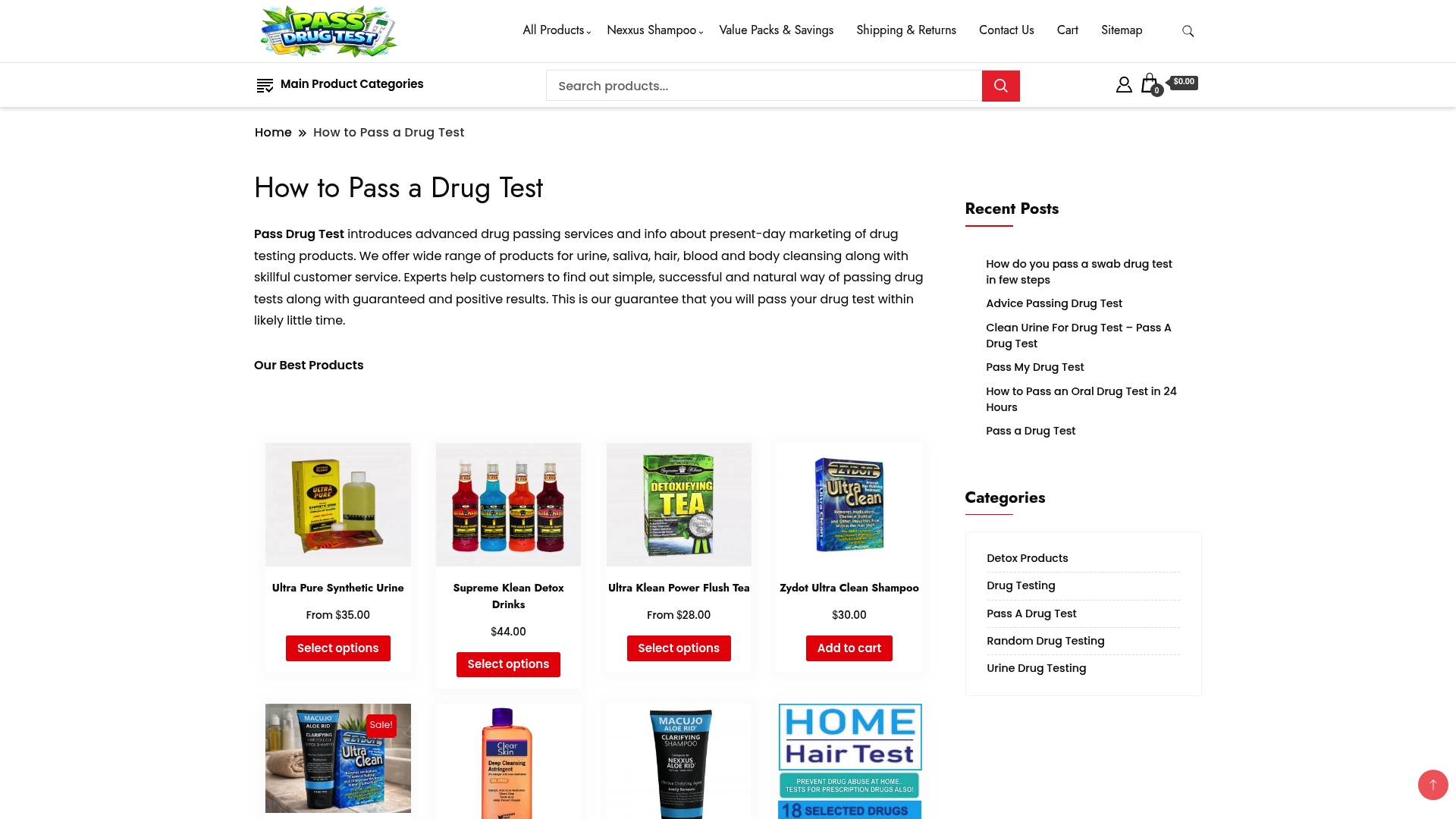
The Macujo Aloe Rid Shampoo, available at Passdrugtest, is the flagship product for hair follicle test preparation. Mike’s Macujo Method is widely recognized as the most effective approach to passing a hair follicle drug test, and the Macujo Aloe Rid Shampoo is the core product the method requires. If you want to understand exactly what works and why, Passdrugtest’s guide to hair follicle drug test shampoo walks you through every step with clear, proven instructions.
FAQ
What new substances were added to federal drug testing panels in 2025?
Fentanyl and norfentanyl were added to mandatory federal workplace testing panels effective july 7, 2025. DOT alignment with this expansion is expected to follow.
Does marijuana rescheduling to Schedule III eliminate employer testing rights?
No. Rescheduling to Schedule III does not remove employer authority to test for marijuana or take adverse action. State laws vary, and some states restrict adverse action for off-duty use, but federal contractors and safety-sensitive employers retain full testing rights.
Why is random drug testing more effective than pre-employment screening alone?
Fentanyl positivity is 707% higher in random tests than in pre-employment screens, proving that one-time hiring tests miss ongoing substance use. Random testing is the primary mechanism for detecting post-hire drug use.
What is the detection window for hair follicle drug testing?
Hair follicle testing detects drug metabolites deposited in the hair shaft over approximately 90 days. This window is significantly longer than urine testing, which typically detects marijuana use within 3–30 days depending on frequency of use.
How should HR teams handle marijuana positives in states with off-duty use protections?
HR teams should shift toward impairment-based assessments that document specific, observable behaviors at work rather than relying solely on a positive test result. Supervisor training and detailed behavior documentation are the legally defensible foundation for adverse action in these states.