


A negative hair follicle drug test result means no drug metabolites were detected in your hair sample. A positive result means drug metabolites were found, confirming exposure within the detection window. Explaining negative vs positive hair test outcomes goes beyond a simple pass or fail. The biology of how drugs bind to hair, the lab methods used by facilities like Psychemedics and SAMHSA-certified labs, and variables like hair color and cosmetic treatments all shape what your result actually means. This guide breaks down both outcomes with the precision you need to understand your situation.
How do hair follicle drug tests work and detect drug metabolites?
Hair follicle testing works because drugs and their metabolites enter the bloodstream after use and get incorporated into the hair shaft as it grows inside the follicle. This process creates a permanent, biological record of drug exposure. Understanding how hair tests work is the foundation for interpreting any result you receive.
The process follows a clear sequence:
-
Sample collection. A collector cuts 100–120 strands from the posterior crown of your scalp, close to the root. That specific location and quantity are required to produce a reliable sample for both screening and confirmation testing.
-
Detection window. Hair grows about 1 cm per month, so a standard 1.5-inch sample covers roughly 90 days of history. This makes hair testing far more revealing than urine or oral fluid tests, which only detect recent use.
-
Lab washing and screening. The lab washes the sample to remove surface contamination, then runs an initial immunoassay screen. This step flags samples that may contain drug metabolites above the screening cutoff.
-
Confirmation testing. Any screen-positive sample goes through a second, more precise test using GC-MS (gas chromatography-mass spectrometry) or LC-MS/MS. This two-step process significantly reduces false positives before any result is reported.
The internal structure of hair makes it a uniquely reliable testing medium. Drug metabolites embed within the keratin matrix, creating what Psychemedics describes as a tamper-resistant timeline of drug exposure. You can learn more about this process in detail at Passdrugtest’s guide on how metabolites stay in hair.
Pro Tip: Ask the collection site for documentation of your sample’s chain of custody. This record is your first line of defense if you ever need to contest a result.

What does a negative hair test result really mean?
A negative result on a hair drug test means the lab found no drug metabolites at or above the established cutoff levels in your sample. That is the official definition, and it is the result most people want. But the full picture of what a negative result means is more nuanced.
Several factors can produce a negative result beyond simply not using drugs:
- Below-threshold use. Infrequent or very light use may produce metabolite levels too low to trigger a positive at the confirmation cutoff. The test does not detect every trace amount.
- Hair type and growth rate. Interpreting hair drug test results requires accounting for variability in hair growth rates and texture. Slower growth means a 1.5-inch sample may cover more than 90 days, potentially diluting metabolite concentration.
- Insufficient sample. If the collector cannot gather enough hair from the scalp, the test may be reported as inconclusive rather than negative. An inconclusive result is not the same as a clean result.
- Recent use only. Drugs used within the last 5–7 days typically have not yet grown out from the scalp into the testable portion of the shaft. A negative result does not rule out very recent use.
- Cosmetic treatments. While bleaching and dyeing affect the hair surface, they do not reliably eliminate internal metabolites. A negative after heavy cosmetic treatment may reflect reduced metabolite levels rather than true absence.
A negative result is a good outcome, but it reflects the test’s detection thresholds as much as it reflects your actual history. Proper sample collection and certified lab standards are what give a negative result its credibility.
Pro Tip: If you receive a negative result but used substances within the past week, understand that a retest in 10–14 days could potentially yield a different outcome depending on your usage level.
What does a positive hair test result indicate?
A positive hair test result confirms that drug metabolites were detected in your hair sample above both the screening and confirmation cutoffs. This is not a borderline finding. A confirmed positive means the lab ran two separate tests and both exceeded the required thresholds. That said, several biological and procedural factors affect how a positive result should be interpreted.
“A confirmed positive result does not automatically mean impairment or current use. It reflects drug exposure within the detection window, and context matters significantly in how that result is applied.” — Passdrugtest
Key factors that shape positive result interpretation include:
- Hair color and melanin. Darker hair contains more melanin, which binds to drug metabolites more readily than lighter hair. This means a person with dark hair may show higher metabolite concentrations than someone with lighter hair who used the same amount. Reputable labs adjust for this variable.
- Cosmetic treatments. Dyeing, bleaching, and chemical relaxers affect the hair surface but do not erase the internal metabolite record. Labs account for this in their protocols.
- External contamination. Passive exposure to drug smoke or skin contact can theoretically deposit metabolites on hair. The lab washing step is specifically designed to remove surface contamination and distinguish external exposure from true ingestion.
- Prescription medications. Certain legal prescriptions can trigger a positive for controlled substances. This is where the Medical Review Officer (MRO) becomes critical.
The MRO reviews every confirmed positive before results are reported to an employer or court. The MRO contacts you to verify whether a valid prescription explains the finding. If you have a prescription and disclose it promptly, the MRO can reclassify the result. Failure to disclose before the MRO finalizes the report can make a confirmed positive permanent, even when a valid prescription exists.
How to interpret hair drug test results: cutoffs, timelines, and next steps
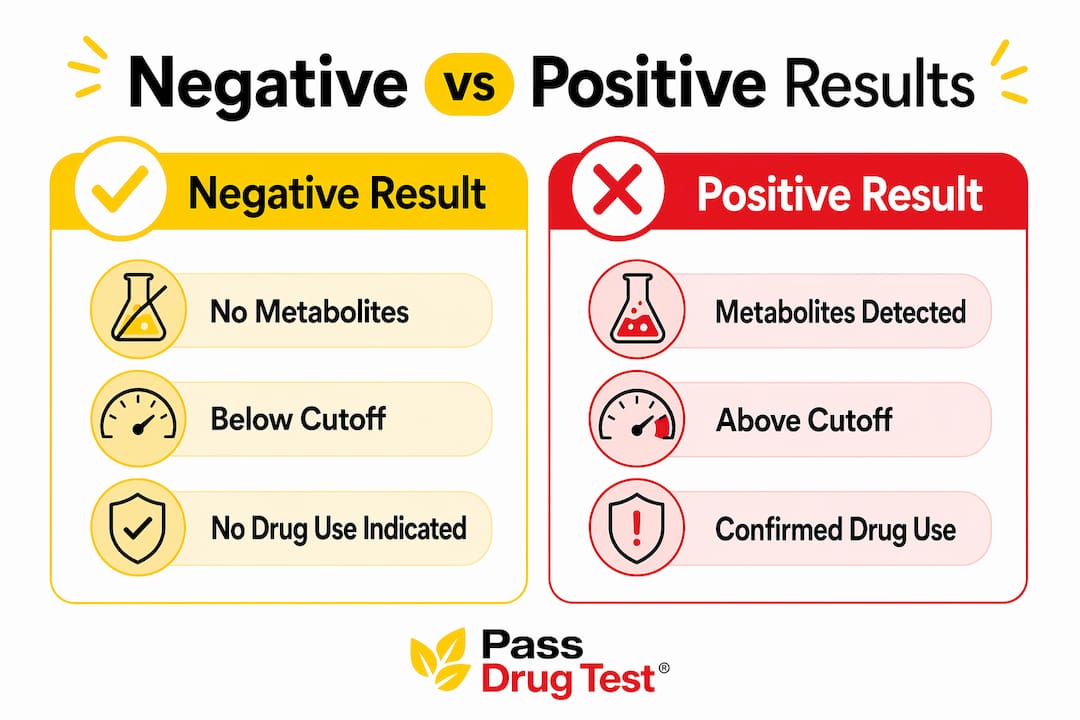
Hair test interpretation depends on understanding two specific numbers: the screening cutoff and the confirmation cutoff. These are measured in picograms per milligram (pg/mg) of hair, not parts per trillion as sometimes reported. A sample must exceed the screening cutoff to advance to confirmation, and then exceed the confirmation cutoff to be reported as positive.
| Stage | Method | Purpose |
|---|---|---|
| Initial screening | Immunoassay (ELISA) | Flags potential positives quickly |
| Confirmation | GC-MS or LC-MS/MS | Verifies and quantifies metabolites precisely |
| MRO review | Medical evaluation | Validates or reclassifies confirmed positives |
| Final report | Written result | Delivered to employer, court, or requesting party |
Segmental testing adds another layer of detail. Labs can divide the hair sample into segments representing different time periods, giving a rough timeline of drug use across the 90-day window. This is used in legal and forensic cases to determine when use occurred, not just whether it occurred.
If your result comes back positive and you believe it is inaccurate, you have options. Chain-of-custody breaks, improper sample labeling, or insufficient sample amounts are all valid grounds to request a retest or challenge the result legally. Document everything from the collection appointment forward.
Pro Tip: Request a split sample test at the time of collection if it is available. A split sample allows a second certified lab to independently confirm or dispute the original result.
If you want a deeper breakdown of cutoff thresholds and what they mean for your specific situation, Passdrugtest’s guide on decoding hair test results covers the numbers in plain language.
Key Takeaways
A hair follicle drug test result is only as meaningful as the biological, procedural, and contextual factors behind it. Understanding both outcomes gives you the knowledge to respond effectively.
| Point | Details |
|---|---|
| Negative result definition | No drug metabolites were detected at or above the lab’s confirmation cutoff levels. |
| Positive result definition | Drug metabolites were confirmed present by both screening and GC-MS or LC-MS/MS confirmation. |
| 90-day detection window | A standard 1.5-inch hair sample covers approximately 90 days of drug exposure history. |
| MRO review protects you | Disclose valid prescriptions to the MRO before final reporting to avoid a permanent positive classification. |
| Procedural errors matter | Chain-of-custody failures or insufficient sample collection are legitimate grounds to contest a result. |
What I’ve learned from years of watching people misread their results
I’ve seen two mistakes made repeatedly by people facing hair drug tests. The first is assuming a negative result means they are completely in the clear with no risk going forward. The second is assuming a positive result is the end of the road with no recourse available.
Neither assumption is correct. A negative result reflects what the lab detected above a specific threshold on a specific day. It does not mean the test could not have gone differently with a different sample or a different lab. Biological variables like hair growth rate, melanin content, and cosmetic treatment history all play a real role in the outcome. Misinterpretation risks are genuine, and legal professionals have documented cases where courts accepted positive results without adequate expert review.
On the positive side, a confirmed positive is not automatically final. The MRO process exists precisely to catch legitimate prescription cases and procedural errors. I have seen people lose jobs over positives that a timely prescription disclosure would have resolved. Do not wait to be contacted. If you have a prescription for anything that could flag positive, reach out to the MRO the moment you know a test is being processed.
The most underused protection in this entire process is the chain-of-custody documentation. Most people never ask for it. That paperwork is your evidence if anything went wrong during collection, transport, or lab handling. Keep a copy of everything.
— MIchael
Ready to take control before your next hair drug test?
If you are facing an upcoming hair follicle drug test and want to give yourself the best possible chance at a clean result, the right preparation matters. Passdrugtest carries proven detox products specifically designed for hair drug testing, including the Macujo Aloe Rid Shampoo, which is the flagship product recommended for use with Mike’s Macujo Method. This method is widely recognized as the most effective approach for passing a hair follicle drug test when used correctly and consistently before your test date.
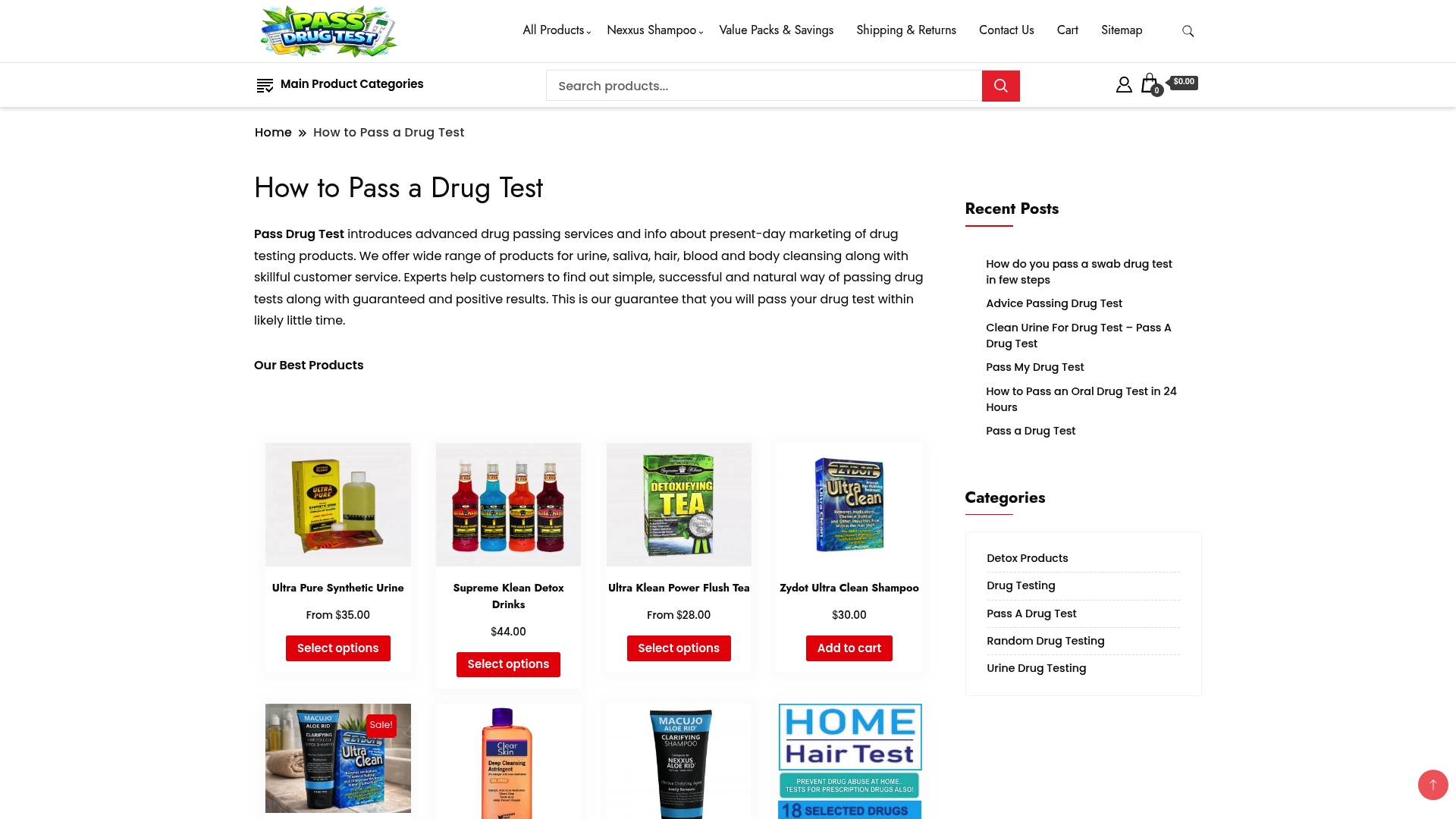
Browse the full range of hair drug test detox products at Passdrugtest, or go straight to the Macujo Aloe Rid Shampoo product page to get started. You can also explore the complete hair follicle test passing guide for step-by-step strategies.
FAQ
What is the difference between a negative and positive hair test?
A negative hair test means no drug metabolites were detected above the lab’s cutoff levels. A positive result means drug metabolites were confirmed present through both screening and confirmation testing.
How far back does a hair follicle drug test detect drug use?
A standard 1.5-inch hair sample covers approximately 90 days of drug exposure history, since hair grows about 1 cm per month.
Can cosmetic treatments like bleaching cause a negative result?
Bleaching and dyeing affect the hair surface but do not erase metabolites embedded in the internal keratin structure. Labs account for cosmetic treatment in their protocols, so treated hair can still produce a positive result.
What should I do if I get a positive hair test result?
Contact the Medical Review Officer immediately and disclose any valid prescriptions before the result is finalized. You can also request documentation of the chain of custody to check for procedural errors that could be grounds for a retest.
Can a hair test produce a false positive?
Yes. External contamination, certain prescription medications, and melanin-related metabolite uptake in darker hair can all contribute to a positive reading. The two-step confirmation process using GC-MS or LC-MS/MS is designed to reduce false positives, and the MRO review adds a final verification layer before results are reported.