
Hair drug tests are designed to detect metabolites produced by your body’s own metabolism, not drug residues deposited on the hair surface from the air around you. That distinction is the core of why secondhand smoke can affect hair tests in theory but rarely causes a confirmed positive in practice. Labs use metabolite-specific cutoffs and rigorous wash protocols that separate external contamination from true ingestion. Understanding how this works gives you a clear picture of your actual risk and what, if anything, you need to do before your test.
Why secondhand smoke can affect hair tests: the science explained
Hair follicle testing works by analyzing a 1.5-inch segment of hair, which represents roughly 90 days of growth. Drugs enter hair through three pathways: the bloodstream after ingestion, sweat and sebum secreted from the scalp, and direct external contact with drug particles in the environment. Secondhand smoke falls into that third category. It deposits parent compounds, such as THC itself, onto the hair surface rather than the metabolites your liver creates when you actually consume a substance.
The critical compound labs look for is THC-COOH, a metabolite produced only by liver metabolism. THC-COOH forms exclusively through ingestion, not surface contact, which is why environmental smoke exposure generally does not trigger a confirmed positive. Labs set screening cutoffs at 1 pg/mg and confirmation cutoffs between 0.05 and 0.3 pg/mg for THC metabolites. Those thresholds are calibrated to catch actual drug use, not trace residues from the air.
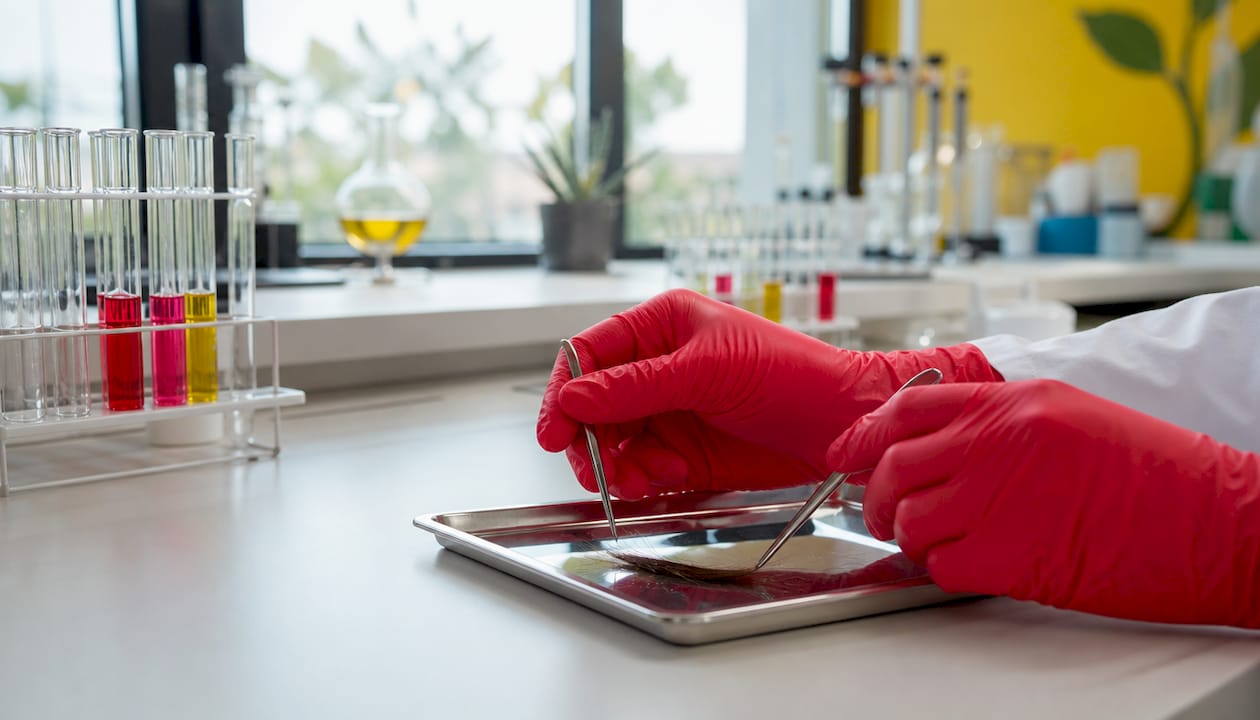
Accredited labs also run a two-step testing process. The first step uses immunoassay screening to flag potential positives. The second step uses GC-MS or LC-MS confirmation, which identifies metabolites exclusive to ingestion rather than surface drug residue. A positive screening result is not a failed test. It only becomes a confirmed positive after the metabolite confirmation step clears.
Here is how the three drug incorporation pathways compare in terms of testing risk:
- Bloodstream (ingestion): Produces metabolites like THC-COOH that bind inside the hair shaft. This is the primary target of all confirmed positive results.
- Sweat and sebum: Can carry both parent compounds and low levels of metabolites to the hair surface. Relevant for heavy, chronic users.
- External contact (secondhand smoke): Deposits parent compounds on the outer hair surface only. Wash protocols remove most of this residue before analysis.
Nicotine behaves differently from THC in this context. Nicotine metabolites like cotinine can be detected in hair for 1–3 months, and heavy passive tobacco smoke exposure can produce low cotinine levels in non-smokers. That risk does not translate to marijuana testing, where the metabolite THC-COOH requires actual consumption to appear.
Can secondhand smoke realistically cause a positive hair drug test?
The realistic risk from secondhand marijuana smoke is low for most people. Typical exposure levels from casual environmental contact fall well below the lab confirmation cutoffs for THC metabolites. Rigorous wash protocols in accredited labs are specifically designed to remove external drug contaminants from hair samples before analysis begins.
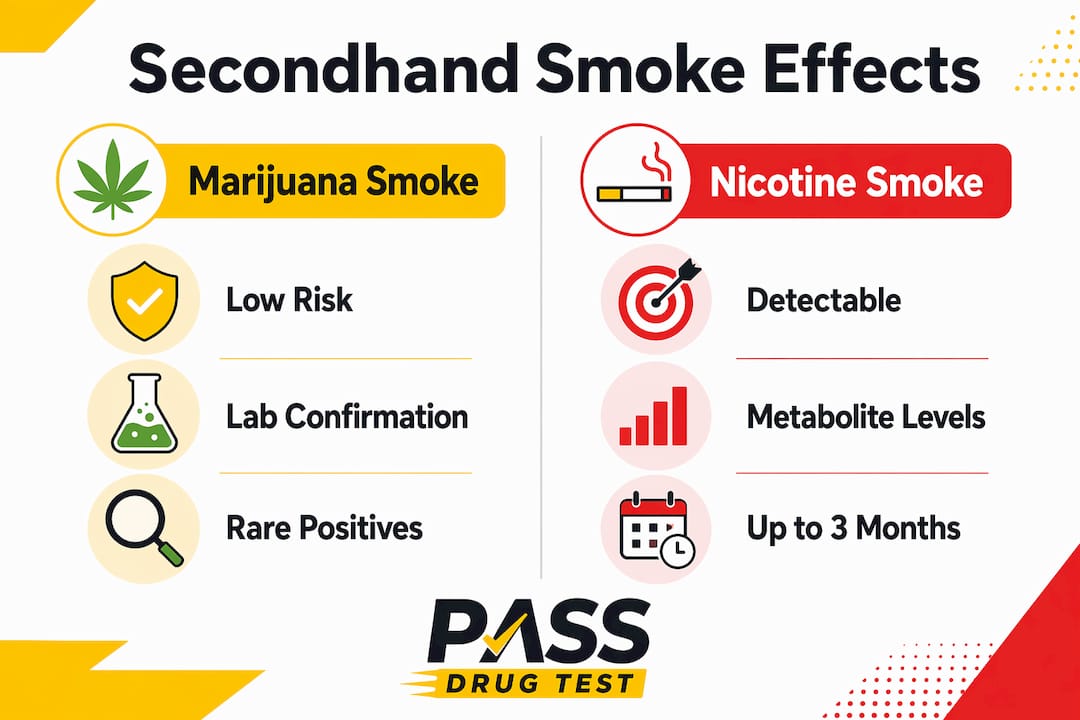
Studies examining passive cannabis exposure show that only prolonged, unventilated, heavy exposure, such as sitting in a hotboxed car repeatedly over weeks, creates any measurable risk of surface contamination reaching detectable levels. Even then, the confirmation step targets metabolites, not parent compounds. The contamination defense is scientifically challenging because labs anticipate environmental exposure and use metabolite-specific tests plus wash protocols to counter contamination claims.
Key factors that determine your actual risk level:
- Exposure intensity: Occasional outdoor or ventilated exposure carries negligible risk. Repeated, enclosed, heavy smoke exposure raises it slightly.
- Metabolite vs. parent compound: Labs confirm positives using metabolites only. Surface THC without THC-COOH does not produce a confirmed positive.
- Nicotine vs. marijuana: Cotinine from secondhand tobacco smoke can appear at low levels in non-smokers’ hair. Marijuana metabolites require ingestion.
- Lab accreditation: Accredited labs following SAMHSA or equivalent standards use two-step confirmation. Unaccredited testing carries higher false positive risk.
Light or one-time cannabis users have roughly a 15% chance of a positive hair test result due to metabolite levels falling below lab cutoffs. That figure illustrates how sensitive the thresholds are, and why secondhand smoke alone, which produces no metabolites at all, is an even lower risk.
What else can affect hair test results?
External contamination from smoke is only one factor that influences hair drug testing outcomes. Hair treatments create a separate and often underappreciated variable. Bleaching, dyeing, and chemical straightening can reduce drug metabolite concentrations by 40–80%, which sounds helpful but actually complicates test interpretation. Labs account for this, and treated hair may trigger additional scrutiny rather than a clean result.
Drug residue on the hair surface can survive some washing, particularly if the hair is coarse or porous. However, labs analyze the wash solution itself as a separate step in contested cases. Washing solution analysis can provide supporting evidence that distinguishes external contamination from systemic drug use, though it requires expert toxicologist involvement and is costly. This process is not standard in routine testing but becomes relevant if you formally challenge a result.
How hair treatments compare in their effect on test results
| Treatment | Effect on metabolite levels | Lab response |
|---|---|---|
| Bleaching | Reduces by 40–80% | May flag for additional review |
| Dyeing | Moderate reduction | Generally noted but not disqualifying |
| Chemical straightening | Variable reduction | Treated hair documented in chain of custody |
| No treatment | Baseline metabolite levels | Standard interpretation applies |
Common misconceptions also affect how people prepare. Many people believe that drinking large amounts of water, exercising heavily, or using generic clarifying shampoos will clear drug metabolites from hair. None of these methods remove metabolites from inside the hair shaft. Labs test for metabolite signatures embedded in the cortex of the hair, not compounds sitting on the surface.
Pro Tip: If you believe environmental exposure has contaminated your hair sample, request that the lab analyze the wash solution separately. This is a recognized forensic procedure that can support a contamination defense, but act quickly because chain-of-custody timelines are strict.
How to prepare for a hair drug test after secondhand smoke exposure
Abstinence is the only guaranteed method for a negative hair drug test result. The 90-day detection window means that any drug you consumed in the past three months may appear in your hair sample. No home remedy, exercise routine, or over-the-counter product removes metabolites from inside the hair shaft with certainty.
That said, if your concern is specifically secondhand smoke exposure rather than personal use, your risk profile is genuinely low. The steps below address both scenarios practically.
- Stop all drug exposure immediately. New hair growth after your last exposure will be clean. The longer you abstain before the test, the smaller the contaminated portion of your hair sample.
- Avoid enclosed smoke environments. If you are concerned about surface contamination, stay out of hotboxed or heavily smoked spaces in the weeks before your test.
- Use a proven detox shampoo. For people with actual prior use, a specialized detox shampoo like the Macujo Aloe Rid Shampoo is the most effective product available for opening the hair cuticle and removing embedded metabolites. Generic clarifying shampoos do not reach the cortex where metabolites are stored.
- Follow a structured protocol. The Macujo Method, developed by Mike Macujo, is widely recognized as the most effective hair detox strategy for passing a hair follicle drug test. It combines specific products in a precise sequence to maximize metabolite removal from the hair shaft.
- Document your exposure history. If you genuinely were exposed to secondhand smoke and have no personal use history, keep a written record of where and when the exposure occurred. This supports any contamination defense if needed.
Pro Tip: Start your detox shampoo routine as early as possible before your test date. The Macujo Method requires multiple wash sessions over several days to be effective. A single wash the night before will not produce the same results.
For people who only experienced secondhand smoke exposure, the most practical step is confirming that the lab uses a two-step confirmation process. Accredited lab testing with GC-MS or LC-MS confirmation makes a false positive from environmental smoke exposure extremely unlikely.
Key Takeaways
Hair drug tests target metabolites produced only through ingestion, which means secondhand smoke exposure alone almost never causes a confirmed positive under accredited lab protocols.
| Point | Details |
|---|---|
| Metabolites, not surface residue | Labs confirm positives using THC-COOH, which forms only via ingestion, not environmental smoke contact. |
| Two-step lab confirmation | Immunoassay screening plus GC-MS or LC-MS confirmation eliminates most false positives from contamination. |
| Nicotine differs from THC | Cotinine from passive tobacco smoke can appear in hair; THC metabolites from secondhand marijuana smoke cannot. |
| Hair treatments complicate results | Bleaching reduces metabolite levels by 40–80% but may trigger additional lab scrutiny rather than a clean pass. |
| Abstinence is the only guarantee | No detox method removes metabolites with certainty; the 90-day window requires early, consistent preparation. |
My take on secondhand smoke and hair test accuracy
Working with people who face hair drug tests, I see the same fear come up constantly: “I was around smokers. Will that show up?” The honest answer is almost certainly no, and the science backs that up clearly. Labs have anticipated this exact concern for years. The two-step confirmation process and wash protocols exist precisely because forensic scientists know that hair picks up environmental residue.
What I find more concerning is when people focus entirely on the contamination question and ignore their actual exposure history. If you consumed cannabis in the past 90 days, secondhand smoke is not your problem. The metabolites from your own use are. Spending energy on a contamination defense when you have real metabolites in your hair is a losing strategy.
The other thing I want to be direct about: hair treatments like bleaching do reduce metabolite levels, but they are not a reliable pass strategy on their own. Labs see treated hair regularly and adjust their interpretation accordingly. The only preparation that consistently works for people with actual prior use is a structured detox protocol using a proven product, started well before the test date.
If your concern is genuinely limited to secondhand smoke, take a breath. The forensic standards in place in 2026 make a false positive from passive exposure extremely rare. Focus your energy on confirming the lab uses accredited two-step testing, and you are in a strong position.
— MIchael
Passdrugtest has the products you need before your test
Facing a hair drug test is stressful, and you deserve clear answers and proven products, not guesswork. Passdrugtest offers a full range of hair detox products trusted by people preparing for hair follicle tests, including the Macujo Aloe Rid Shampoo, the top-rated shampoo for opening the hair cuticle and clearing embedded metabolites.
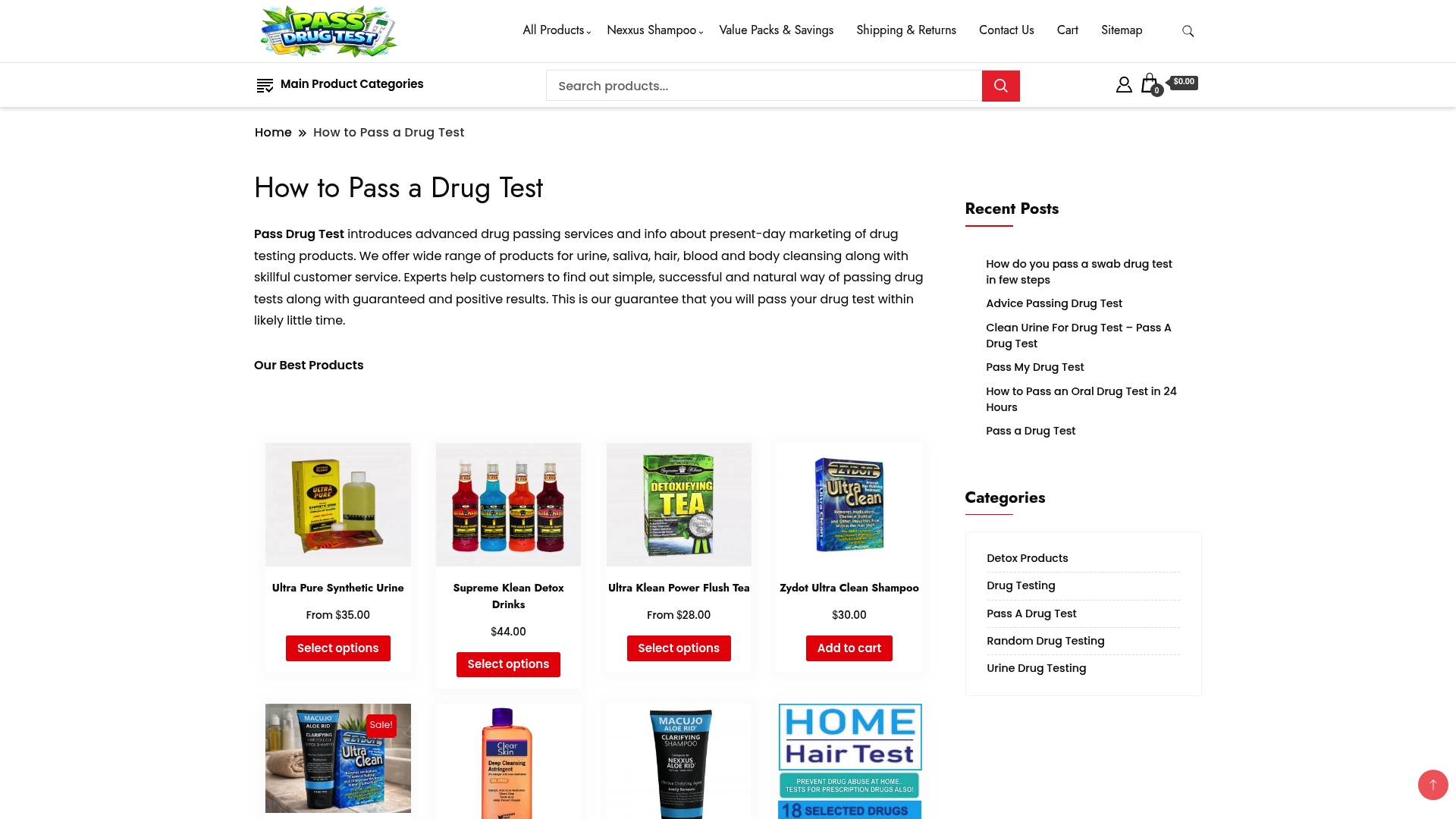
Whether you are following the Macujo Method or looking for a complete hair follicle shampoo solution, Passdrugtest has the products and guidance to support your preparation. Every product is selected for proven effectiveness, and the site includes detailed guides so you know exactly what you are doing and why. Start your preparation as early as possible for the best results.
FAQ
Does secondhand marijuana smoke cause a positive hair test?
Secondhand marijuana smoke does not typically cause a confirmed positive hair drug test. Labs use two-step confirmation targeting THC-COOH, a metabolite produced only through ingestion, which environmental smoke does not generate.
What is the detection window for hair drug tests?
Hair drug tests cover approximately 90 days of drug use history, based on the standard 1.5-inch hair sample collected from the scalp. Any substance consumed within that window may be detectable.
Can nicotine from secondhand smoke show up in a hair test?
Yes. Nicotine metabolites like cotinine can appear in hair for 1–3 months and may reach low detectable levels from heavy passive tobacco smoke exposure, unlike THC metabolites which require direct consumption.
Do hair treatments like bleaching help you pass a hair drug test?
Bleaching can reduce metabolite concentrations by 40–80%, but labs account for treated hair and may apply additional scrutiny. Bleaching alone is not a reliable strategy for passing a confirmed hair drug test.
What is the most effective way to prepare for a hair follicle drug test?
Abstinence throughout the 90-day detection window is the only guaranteed method. For people with prior use, a structured detox protocol using a proven hair detox shampoo started well before the test date offers the best available preparation.