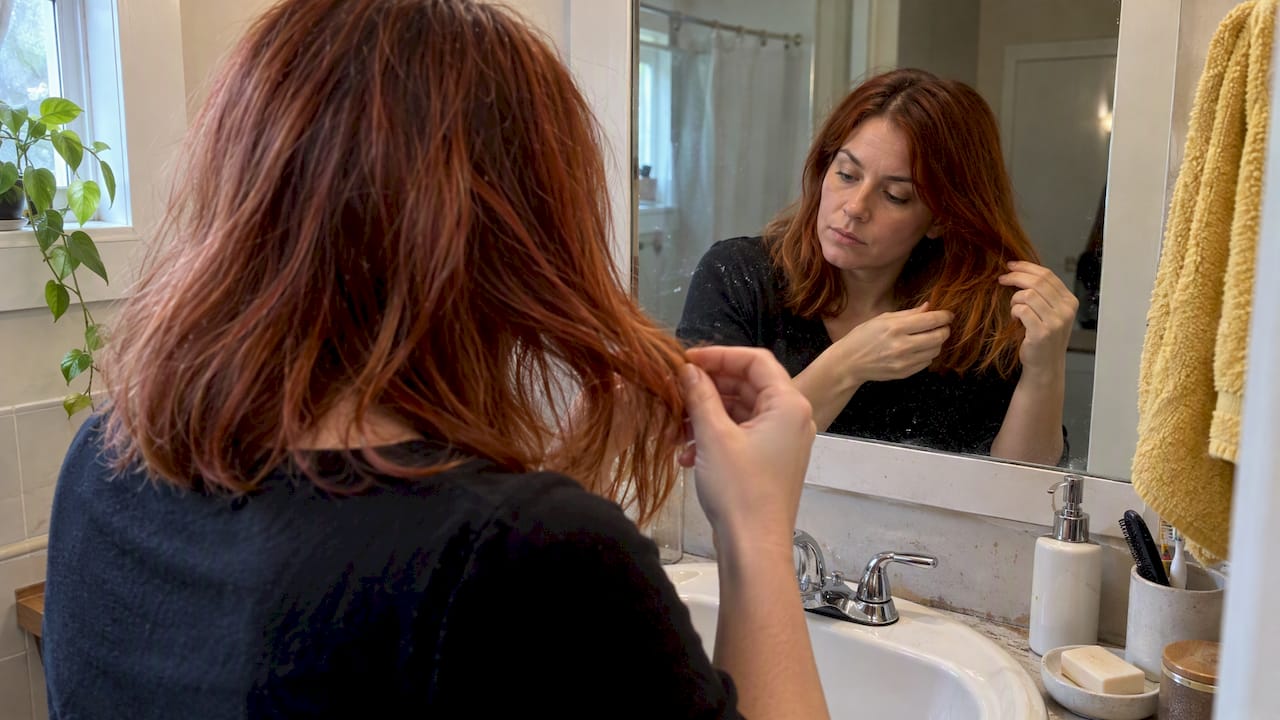

Yes, the Macujo method can be used on color-treated hair, but dyed, highlighted, or bleached hair responds less predictably and demands a gentler version of the protocol. Your next move is simple: patch test first, follow the adapted steps below, protect your scalp at every stage, and if the stakes are high, pair this approach with a backup plan like a urine or saliva test where that option exists. We walk you through exactly how to adjust the process so you get the best shot without wrecking your hair in the process.
TL;DR:
- Bleached or double processed hair is more porous and fragile; limit acid contact to one or two minutes and detergent use to one to three minutes.
- Patch test the acid rinse and shampoo 24 to 48 hours beforehand, and stop for persistent redness, stinging, root breakage, sores, or burning.
- Rather than running full cycles daily, alternate treatment with rinses without detergent; do not repeat detergent the same day or condition before the schedule ends.
- Research found up to 90% lower cocaine and 60% lower THC concentrations in controlled tests, yet population data showed no consistent decrease in positive results.
- For repeatedly bleached or chemically straightened hair, choose a slower, alternated schedule and consider urine or saliva testing as a backup if available.
Table of Contents
- What the Macujo Method Does to Hair and How Color Treatments Change That
- Step-by-Step Macujo Protocol for Color-Treated Hair
- What the Research Says About Dyeing, Bleaching, and Drug Detection
- Protecting Your Hair and Scalp During an Intensive Wash Protocol
- Choosing the Right Products and Knowing When to Ask for Help
- Weighing Damage Against Detection Odds on Treated Hair
- How We Support Your Macujo Method Protocol
- FAQ
- Sources
What the Macujo Method Does to Hair and How Color Treatments Change That
The Macujo method works by combining an acidic rinse with a detergent wash to force the hair cuticle open and strip out drug metabolites that have bonded to the hair shaft. Vinegar or a similar acid lowers the pH and softens the outer cuticle layer, then a small amount of a strong detergent, usually paired with an Aloe Rid-style detox shampoo, works its way into the cortex where metabolites are lodged.
Color-treated hair starts from a different baseline. Bleach and permanent dye already open the cuticle and increase porosity, which means the hair is more absorbent but also more fragile going into a protocol that relies on repeated chemical exposure. Several factors shape how this plays out for you:
- Porosity: Bleached or highlighted hair soaks up the acid and detergent faster, which can speed up metabolite removal but also raises the risk of protein loss.
- Melanin content: Hair color affects how metabolites bind, since darker, more melanin-rich hair tends to retain drugs at higher concentrations than lighter hair.
- Treatment history: Hair that has been bleached, double-processed, or chemically straightened is already weakened, so it tolerates fewer aggressive cycles.
- Timeline: How recently you colored your hair and how many cycles you run before testing both affect the balance between detox and damage.
None of this means the method fails on treated hair. It means the margin for error is smaller, and the steps need to flex around what your hair can actually handle.
Step-by-Step Macujo Protocol for Color-Treated Hair
This sequence follows the same core logic as the standard Macujo method steps, with adjustments built in for dyed, highlighted, or bleached hair.
- Patch test 24 to 48 hours before starting. Apply a small amount of the acid rinse and detox shampoo to a hidden section of hair and scalp, then check for redness or stinging before committing to a full cycle.
- Inspect your hair’s treatment history. Note whether you have permanent color, highlights, or bleach, and how recently it was applied. Heavily bleached hair needs shorter exposure times at every step.
- Apply the acid rinse first, but shorten the soak. Where standard guidance calls for several minutes, fragile or color-treated hair should get closer to one to two minutes to loosen the cuticle without stripping pigment.
- Work in the detox shampoo. Massage a Macujo Aloe Rid Shampoo through the hair and scalp for several minutes, focusing on the roots where recent growth carries the most relevant window for a hair follicle test.
- Add a dime-sized amount of liquid detergent. Lather briefly, no more than one to three minutes, rinse thoroughly, and resist the urge to repeat this step the same day.
- Rinse completely and let hair air dry. Avoid heat styling immediately after a cycle, since heat compounds the stress already placed on the cuticle.
- Space out repeat cycles. Where some protocols call for daily repetition over 10 to 14 days, color-treated hair often does better alternating a full cycle with a lighter, detergent-free rinse day to reduce cumulative damage.
- Hold off on conditioner until the full schedule is finished. Introducing conditioner mid-protocol can coat the hair shaft and interfere with the next acid and detergent pass.
- Do not re-dye or chemically process hair until the protocol is complete and hair has had time to recover. Adding new chemical stress on top of an active detox cycle compounds breakage risk.
Pro Tip: Keep a simple log of which days you run a full cycle versus a lighter rinse. It makes it easier to spot patterns if your scalp starts reacting and helps you avoid overdoing it on fragile, color-treated strands.
Watch for clear stop signs: persistent redness, stinging that does not fade within a few minutes, or visible hair breakage at the root. If any of these show up, pause the protocol, give your scalp a day or two to recover, and review the scalp burn prevention guidance before resuming at a lighter intensity.
What the Research Says About Dyeing, Bleaching, and Drug Detection
Forensic studies give a mixed but useful picture of how cosmetic treatments interact with drug detection in hair. A controlled analytical review found that treatment protocols similar to the acid, detergent, and bleach sequence used in Macujo-style washing produced treatment-induced decreases in analyte concentrations of up to roughly 90% for cocaine and around 60% for THC, with treated samples often appearing visually indistinguishable from untreated hair during routine lab processing.
A controlled forensic experiment found that cosmetic treatment sequences reduced detectable drug concentrations by up to about 90% for cocaine and 60% for THC in treated hair compared to untreated controls, according to the analytical forensics review. That is a meaningful reduction, but it is not the same as a guaranteed negative result.
Population-level data complicates the picture further. A large study of colored hair and drug detection looking at roughly 10,000 authentic hair samples found that dyed or bleached hair often showed lower drug concentrations at the high end of the range, but did not show a consistent drop in positivity rates at standard forensic cutoffs across the board. Separately, epidemiology research on a nightclub sample found that people who reported dyed hair actually had higher odds of any detection for cocaine and MDMA in multivariable models, a reminder that real-world outcomes vary by drug class and individual chemistry.
A few practical takeaways follow from this:
- Oxidative bleaching under alkaline conditions is the most consistently effective cosmetic process at lowering many analytes, because it degrades the drug molecules and damages the sites where they bind.
- Effects differ sharply by drug class: stimulants like cocaine show larger reductions in controlled studies than some other substances.
- In-vitro lab experiments do not always match what happens in real life, where hair history, product use, and timing vary widely.
- No study supports treating color as a reliable shortcut to a guaranteed pass.
Protecting Your Hair and Scalp During an Intensive Wash Protocol
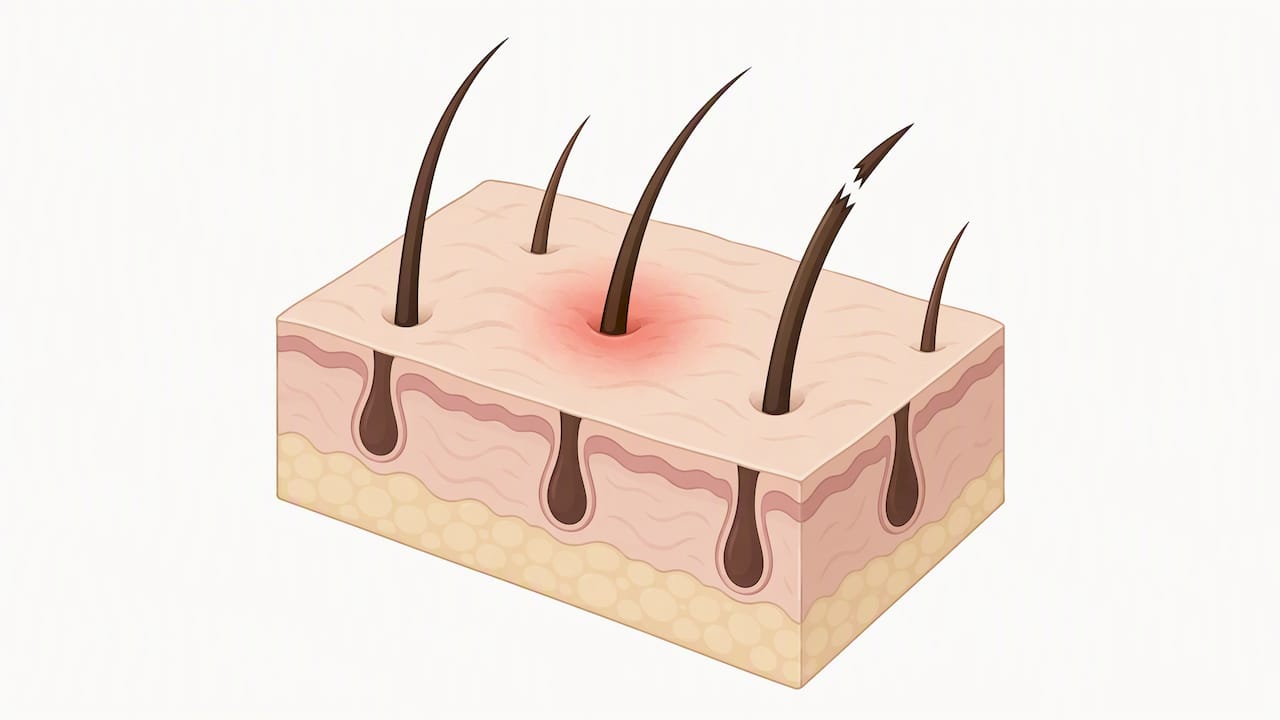
Running an acid and detergent cycle on top of existing color treatment puts real stress on both your hair and your scalp. Expect some combination of color fade, dryness, split ends, or mild scalp irritation, especially if you push through multiple cycles too quickly.
A few adjustments keep that damage manageable:
- Use only a dime-sized amount of detergent per cycle, never more, and never substitute a stronger industrial cleaner.
- Shorten acid soak times for hair that has been bleached or double-processed within the last few months.
- Alternate full cycles with lighter, detergent-free rinse days instead of running the full protocol every day.
- Save deep conditioning for after the protocol is finished, since mid-cycle conditioner can block the next treatment from working.
- Skip any additional chemical processing, including root touch-ups or relaxers, until your hair has had time to recover.
Pro Tip: If your scalp stings for more than a few minutes after a rinse, stop immediately and rinse with cool water. A short pause protects your results far more than pushing through discomfort.
If you notice open sores, significant hair loss at the root, or burning that does not settle within minutes of rinsing, stop the protocol and consult a healthcare provider or a professional stylist experienced with chemically treated hair before continuing.
Choosing the Right Products and Knowing When to Ask for Help
The protocol depends on using the right products in the right amounts, not on improvising with whatever is in your shower. A dedicated detox shampoo formulated to penetrate the cortex matters more than a generic clarifying shampoo, and household detergent should stay limited to small, controlled amounts rather than a full-strength wash.
For color-treated hair specifically, we point readers toward:
- The Macujo Aloe Rid Shampoo, formulated to work through the cuticle-opening steps of the protocol.
- The combined Macujo Aloe Rid Shampoo and Zydot Ultra Clean Treatment for readers who want a same-day treatment alongside the longer wash schedule.
- The 10 to 14 day instruction set, which lays out timing and safety notes step by step.
- The scalp burn prevention page for anyone noticing irritation partway through.
If your hair has been through multiple rounds of bleach or chemical straightening, or if you are unsure how it will respond, reach out to our support team before starting, or talk to a stylist who understands chemically treated hair before running a full cycle.
Weighing Damage Against Detection Odds on Treated Hair
The honest tradeoff here is this: the more aggressive you run the protocol, the better your odds against metabolite detection, but the worse the damage to the color and structure of already treated hair. For lightly highlighted or semi-permanent color, a full adapted cycle is usually worth attempting. For heavily bleached or double-processed hair, we lean toward a slower, alternated schedule and realistic expectations rather than cramming every step into a tight window.
When the test matters enormously and your hair is fragile, consider whether a saliva or urine verification route is available to you alongside the hair protocol, rather than relying on hair alone. Treat every outcome as probable, not promised, and build your timeline with enough days to adjust if your scalp reacts.
— MIchael
How We Support Your Macujo Method Protocol
Getting the Macujo method right on color-treated hair comes down to using a shampoo built for the job and following a timing schedule that respects what your hair has already been through. We built our Macujo Aloe Rid Shampoo around that exact protocol, paired it with clear instructions, and backed it with support hours that run from 9am to midnight daily.
Here is what you get when you order from us:
- Access to the Macujo Aloe Rid Shampoo and the combined Zydot Ultra Clean treatment for a same-day backup option.
- Step-by-step timing and safety instructions written specifically for the Macujo protocol.
- Confidential, secure delivery and support hours built around real testing deadlines, not business hours alone.
Check sizing and shipping details, then head to our hair drug testing products to get the shampoo and instructions you need before your test date.
FAQ
What are people saying about the Macujo Aloe Rid shampoo?
Community discussion around the Macujo method and its paired detox shampoo centers on strict adherence to timing and product amounts, since skipping steps or rushing the schedule is the most common complaint. We recommend following the posted instructions exactly rather than shortening the wash cycle to save time.
What can throw off a hair follicle drug test?
Environmental exposure, hair treatment history, and even how recently hair was washed before collection can all affect test results. Dyeing or bleaching can lower detectable concentrations for some drugs in controlled studies, but a large population study found no consistent drop in positivity rates across the board, so treatment alone is not a reliable throw-off.
What happens if you use clarifying shampoo on color treated hair?
A standard clarifying shampoo strips buildup and some color pigment but is not formulated to penetrate the cortex the way a dedicated detox shampoo is. On color-treated hair, a clarifying shampoo alone fades color faster without delivering the deeper metabolite removal that a protocol like Macujo targets.
Can you pass a hair follicle test with hair dye?
Hair dye alone does not guarantee a pass. Forensic data shows bleaching and dyeing can reduce concentrations for some drugs, with one controlled study reporting substantial reductions for cocaine and THC, but other research found higher detection odds for dyed hair in certain real-world samples, so results vary by drug type and individual.
Sources
- Analytical forensics review (treatment-induced decreases in analyte concentrations)
- Epidemiology study of hair color, dyeing, and detection of cocaine/MDMA