
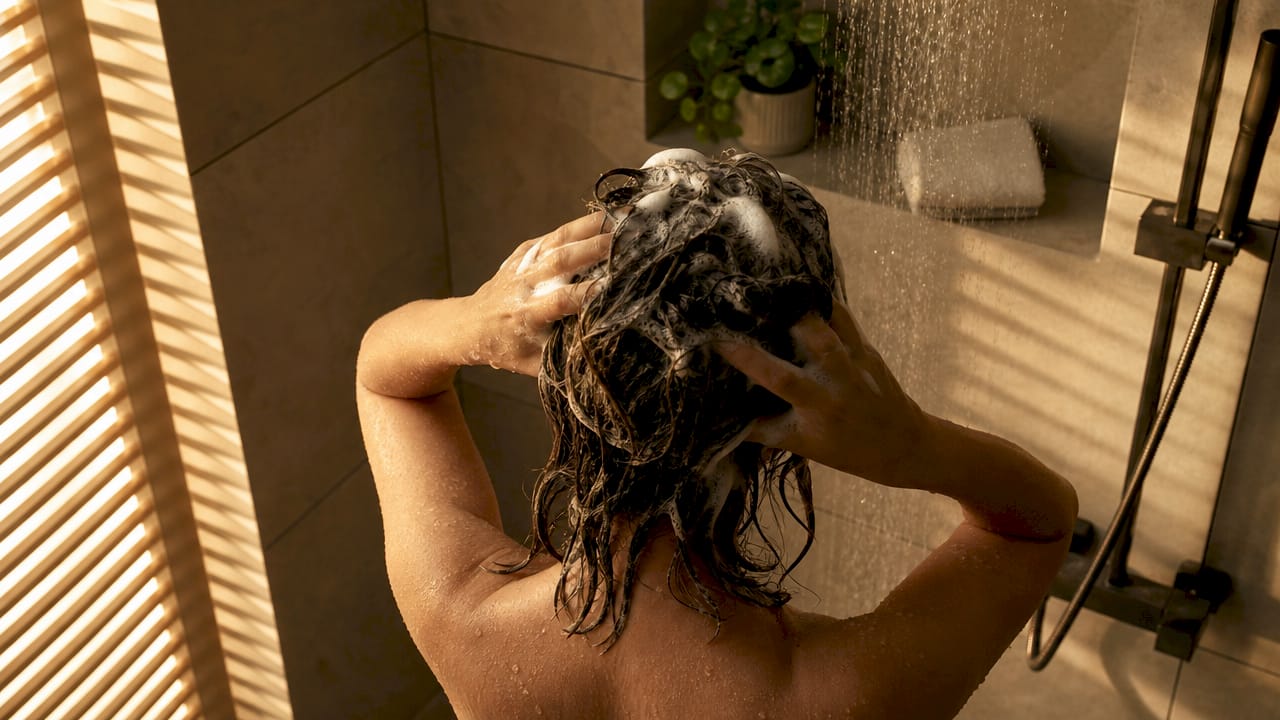

Detox shampoo effectiveness is defined by measurable changes in how your scalp and hair behave after washing, including longer-lasting cleanliness, restored texture, and improved product absorption. These signs of detox shampoo effectiveness appear in two phases: initial indicators within 7–14 days, and full results within 3–4 weeks. If you are preparing for a hair follicle drug test, understanding these indicators tells you whether your detox regimen is actually working. The core signs include normalized scalp oil production, natural shine returning without styling products, and conditioners absorbing into the hair shaft rather than sitting on the surface.
1. How does detox shampoo work to clear hair?
Detox shampoos remove drug metabolite buildup by combining chelating agents, surfactants, and clarifying compounds that penetrate the hair shaft. Standard shampoos clean the surface. Detox formulations go deeper, targeting mineral deposits, product residue, and the chemical layers that trap toxins inside the hair structure.
Approximately 85% of the US lives in hard water areas. That means calcium and magnesium deposits are actively dulling your hair and masking its true condition before you even factor in drug metabolite buildup.

High-performance formulations include activated charcoal, salicylic acid, and chelating agents to dissolve deposits that standard detergents miss. Chelating agents specifically target metal ions bonded inside the hair shaft, which surfactants alone cannot reach. This dual action is what separates a true detox shampoo from a regular clarifying product.
Quality formulations also include conditioning agents to prevent overstripping. Deep cleansing without moisture protection leaves hair brittle and damaged, which is counterproductive when you need your hair in good condition for testing.
- Chelating agents bind to calcium, magnesium, and other metal ions inside the hair shaft and lift them out during rinsing
- Activated charcoal absorbs oil-based residues and product buildup from the scalp surface
- Salicylic acid exfoliates the scalp and breaks down waxy product layers that trap metabolites
- Conditioning compounds restore moisture balance after deep cleansing to prevent structural damage
Pro Tip: Apply your detox shampoo twice per wash session. The first application breaks down heavy buildup. The second application delivers the actual deep cleanse.
2. What are the signs that detox shampoo is working?
The clearest indicators of shampoo effectiveness show up in your hair’s behavior between washes, not just immediately after rinsing. When detox is working, your scalp stays clean noticeably longer than before you started.
True effectiveness shows when products absorb into your hair rather than sitting on the surface. This is the single most reliable sign. If your conditioner used to slide off your hair and now it actually soaks in, buildup is being removed.
Here are the key signs to track in order of reliability:
- Hair stays clean longer between washes. Your scalp remains fresh for one to two additional days compared to your pre-detox baseline. This signals that sebum production is normalizing and residue is no longer accelerating oil buildup.
- Conditioners and treatments absorb properly. Products stop sitting on top of the hair shaft and begin penetrating it. This is the most objective sign that surface and internal buildup has cleared.
- Hair feels lighter. Product-laden hair has a weighted, dense feel. As detox progresses, that heaviness lifts and hair moves more freely.
- Natural shine returns. Mineral deposits and product layers create a dull, flat appearance. When they clear, light reflects off the hair cuticle naturally without any styling product needed.
- Scalp itchiness or mild flaking appears early on. This is a recalibration sign, not a failure sign. Scalp itchiness during detox often reflects a microbial and buildup reset rather than dryness or irritation.
- Color-treated hair looks brighter. Mineral and product deposits mute color. Their removal reveals the actual tone of your dye job, making color appear more vivid.
- Hair volume increases. Buildup weighs strands down and clumps them together. Cleaner hair has more separation and lift at the roots.
Pro Tip: Take a photo of your hair on day one of your detox regimen. Compare it at day 14. Visual documentation removes the guesswork and gives you a concrete reference point.
3. How long does it take to see full detox shampoo results?
Initial results appear within 7–14 days; full benefits typically emerge within 3–4 weeks. This timeline reflects the three distinct phases your scalp and hair move through during a detox cycle.
Scalp oil production may temporarily increase during the first week as sebaceous glands adjust to the removal of buildup they had been compensating for. This is normal. It does not mean the shampoo is failing. For a deeper look at how sebum affects your detox results, the role of sebum in hair detox is worth understanding before you start.
| Phase | Timeline | What You Notice |
|---|---|---|
| Initial cleansing | Days 1–7 | Low foam on first wash, possible scalp oiliness, mild itchiness |
| Adjustment | Days 7–14 | Hair feels lighter, products begin absorbing, oiliness decreases |
| Full transformation | Weeks 3–4 | Natural shine restored, volume improved, scalp stays clean longer |
Hair type and degree of buildup affect how quickly you move through these phases. People with fine hair or low buildup often see results closer to the two-week mark. People with thick hair or years of hard water exposure may need the full four weeks. Shampoo formulation quality also matters significantly. Formulas with chelating agents targeting metal buildup inside the hair shaft produce faster, more thorough results than basic clarifying products.
For a detailed breakdown of THC hair detox timelines specific to drug test preparation, Passdrugtest has published current data covering what actually works in 2026.
4. Common misconceptions about detox shampoo signs
Several normal detox reactions get misread as product failure. Knowing the difference prevents you from abandoning a regimen that is actually working.
- Low foam on the first wash is normal. The first wash produces little to no lather because heavy buildup absorbs the surfactants before they can foam. The second wash in the same session is when effective lathering and deep cleansing occur. Lack of foam means the shampoo is doing its job, not failing.
- The “squeaky clean” feeling is not the goal. That sensation signals the removal of synthetic coatings, but it is not the endpoint. True success is restored scalp balance and consistent hair behavior over several days, not a single post-wash sensation.
- Initial dryness and rough texture are transitional. As protective product layers strip away, hair may feel drier or coarser for a few days. This resolves as the scalp recalibrates its natural oil production.
- Scalp oiliness in week one is recalibration, not failure. Sebaceous glands have been overproducing to compensate for buildup. Once that buildup clears, glands need time to normalize output.
- Color fading indicates effective detox. Detox shampoo can fade color-treated hair because it strips deposits from the cuticle layer. This is a sign the shampoo is penetrating deeply, which is exactly what you need for drug test preparation. Wait at least one week after coloring before using a detox shampoo.
- Overuse causes real damage. Excessive detox shampoo use strips protective oils and causes brittleness. Stick to the recommended frequency. More washes do not mean faster or better results.
For a full breakdown of hair detox myths that trip up people preparing for drug tests, Passdrugtest covers the most common errors in detail.
5. How to complement detox shampoo for best results
Detox shampoo works best as part of a structured hair care routine, not as a standalone product. What you do between washes directly affects how effective each detox session is.
- Apply a gentle conditioner immediately after every detox wash. Deep cleansing removes protective oils along with buildup. Conditioning restores moisture and prevents the brittleness that comes from repeated clarifying treatments. For guidance on post-detox hair care, Passdrugtest has a dedicated restoration guide.
- Avoid silicone-based products during your detox cycle. Silicones coat the hair shaft and create exactly the kind of buildup you are trying to remove. Using them between detox washes undoes your progress.
- Maintain proper scalp pH. Detox shampoos can temporarily disrupt the scalp’s natural acid mantle. Using a pH-balanced conditioner or toner after washing supports faster recalibration. The pH balance in hair detox matters more than most people realize.
- Use dry shampoo sparingly during the oily adjustment phase. If your scalp feels oily in week one, a light dry shampoo manages appearance without adding heavy product buildup.
- Limit detox shampoo use to once every 2–4 weeks under normal circumstances. For drug test preparation with a tight deadline, follow the specific protocol recommended for your product.
- Consider the Macujo method for advanced preparation. The Macujo method, developed by Mike Macujo, is widely regarded as the most effective approach to passing a hair follicle drug test. It combines multiple cleansing agents in a specific sequence to penetrate the hair cortex and remove drug metabolites more thoroughly than detox shampoo alone. Passdrugtest covers the full Macujo method protocol for anyone who needs maximum results.
Pro Tip: Rinse your hair with cool water after conditioning. Cool water seals the hair cuticle, which locks in moisture and gives you the natural shine that signals a successful detox.
Key Takeaways
Detox shampoo effectiveness is confirmed when hair stays clean longer, products absorb properly, and natural shine returns without styling aids, typically within 3–4 weeks of consistent use.
| Point | Details |
|---|---|
| Initial signs appear early | Expect lighter hair feel and reduced oiliness within 7–14 days of starting detox washes. |
| Product absorption is the key indicator | Conditioners soaking into the hair shaft rather than sitting on top confirms buildup removal. |
| Low foam signals progress | Little lather on the first wash means surfactants are absorbing heavy residue, not failing. |
| Overuse causes damage | Limit detox shampoo to once every 2–4 weeks to avoid stripping protective oils and causing brittleness. |
| Complement with conditioning | Apply a gentle conditioner after every detox wash to restore moisture and protect hair structure. |
What I have learned from watching people go through hair detox
After years of working with people preparing for hair follicle drug tests, the pattern I see most often is this: people quit too early. They hit the oily, itchy, low-foam phase in week one and assume the product is not working. That phase is the proof it is working.
The signs that actually matter are not dramatic. They are quiet. Hair that stays clean for an extra day. A conditioner that finally absorbs instead of sliding off. A natural shine that shows up without any product. These are the real indicators of shampoo effectiveness, and they build gradually over three to four weeks.
I have also seen people overdo it. They use detox shampoo every other day thinking more is better. The result is brittle, damaged hair that looks worse than when they started. The science is clear: optimal frequency is once every 2–4 weeks for maintenance, with a structured protocol for test preparation.
My honest recommendation is to choose a formulation with chelating agents, follow the protocol exactly, condition after every wash, and give the process the full four weeks before judging results. Patience and consistency produce the outcomes you need.
— MIchael
Passdrugtest has the products built for this
Facing a hair follicle drug test is stressful. Having the right products makes the process manageable and gives you a real chance at a clean result.
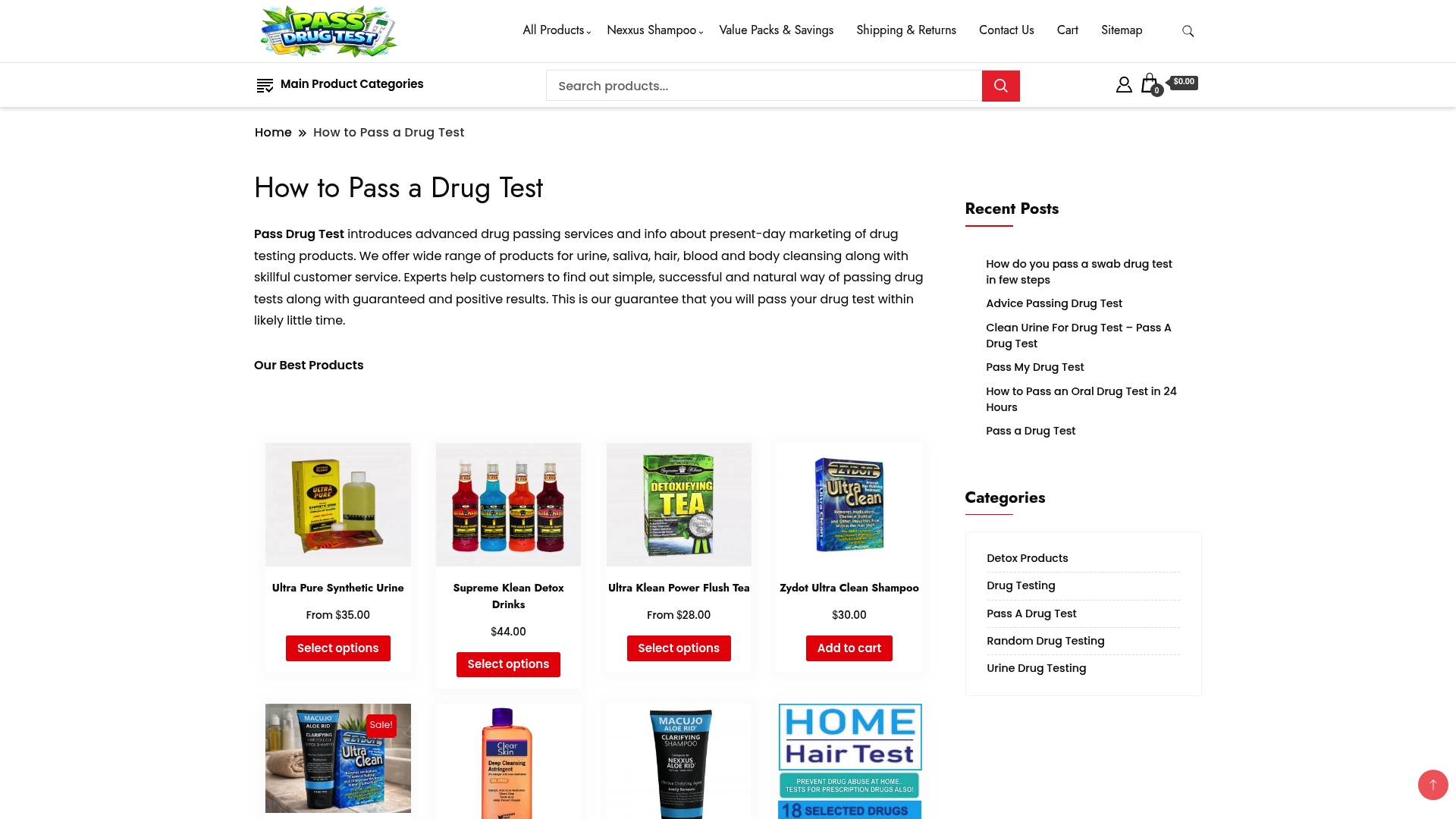
Passdrugtest carries a full range of drug test detox products formulated specifically for hair cleansing and drug test preparation. The flagship Macujo Aloe Rid Shampoo is the most trusted chelating detox shampoo for hair follicle test prep, developed to work with the Macujo method protocol. If you want the complete treatment, the Macujo Aloe Rid plus Zydot Ultra Clean bundle covers every phase of the cleansing process. Browse the full hair follicle drug test shampoo category to find the right fit for your timeline and hair type.
FAQ
How do I know if my detox shampoo is actually working?
The clearest sign is that your hair stays clean longer between washes and conditioners absorb into the hair shaft instead of sitting on the surface. These changes typically appear within 7–14 days of consistent use.
Is low foam during the first wash a sign the shampoo is not working?
Low foam on the first wash is normal and expected. Heavy buildup absorbs the surfactants before they can lather, so the second wash in the same session is where the actual deep cleansing happens.
Can detox shampoo damage my hair if I use it too often?
Yes. Overuse strips protective oils and causes dryness and brittleness. For general maintenance, limit use to once every 2–4 weeks and always follow with a conditioning treatment.
Why does my scalp feel oilier after starting a detox shampoo?
Temporary oiliness in the first week reflects sebaceous gland recalibration. Once the buildup that was suppressing normal oil production clears, glands temporarily overproduce before settling into a balanced output.
Will detox shampoo fade my color-treated hair?
Detox shampoo can fade color because it strips deposits from the cuticle layer. Wait at least one week after coloring before using a detox shampoo, and expect some color change as a normal side effect of effective deep cleansing.