

The Jerry G Method can lower detectable THC metabolites in hair for some people, but it will not reliably beat a lab-confirmed hair follicle test and it comes with a real risk of chemical burns and hair breakage. The technique works best, if it works at all, for recent or light cannabis use. For chronic, heavy users, the odds drop sharply because there’s simply more metabolite embedded in the hair shaft to begin with.
Here’s the honest framing before you commit to a bottle of bleach: this is a chemical stripping process, not a guaranteed fix. Studies on cosmetic hair treatments show real reductions in metabolite concentration under lab conditions, but confirmatory testing (the second-stage test labs run after a positive screen) is sensitive enough to still catch residual THC-COOH in many cases.
- Best case scenario: light, recent use, and a test scheduled with enough lead time to complete the full routine and let your scalp recover.
- Worst case scenario: heavy chronic use, dark or previously damaged hair, and a test scheduled within 24 to 48 hours.
- Non-negotiable caution: repeated bleaching over a short window can chemically burn your scalp and visibly damage hair, which some labs flag as tampering.
Quick fact: Peer-reviewed research on cosmetic hair treatments has measured metabolite reductions of roughly 40% to 80% after a single bleaching, but the same body of research stops well short of calling it a reliable way to pass a confirmatory lab test.
Key Takeaways
The Jerry G Method can reduce detectable THC metabolites in hair through bleaching and dyeing, but confirmatory lab testing and heavy usage history can still produce a positive result.
| Point | Details |
|---|---|
| Effectiveness is conditional | Works best for light or recent use; heavy chronic use faces much lower odds of success. |
| Confirmatory testing is the real hurdle | GC-MS/LC-MS/MS confirmation catches trace metabolites that a screening test alone might miss. |
| Damage is not optional | Bleach and ammonia-based dye reliably increase hair porosity, breakage, and scalp burn risk. |
| Macujo is the lower-risk alternative | The Macujo Method skips bleach and relies on repeated acidic washes, causing far less cosmetic damage. |
| Timing changes your options | Ten or more days out allows a full routine; under 48 hours limits you to baking soda paste or a detox wash. |
Table of Contents
- What Is the Jerry G Method and How Is It Supposed to Work?
- How Do You Actually Do the Jerry G Method Step by Step?
- Does the Jerry G Method Actually Work on a Lab Test?
- What Are the Health and Cosmetic Risks of the Jerry G Method?
- Jerry G vs. Macujo: Which Method Should You Choose?
- When Should You Start and What Should You Do on Test Day?
- Why Trust This Guide on the Jerry G Method?
- Is the Jerry G Method Legal, and Are There Ethical Concerns?
- What Myths About the Jerry G Method Should You Ignore?
- How Do You Care for Your Hair After the Jerry G Method?
- What Other Methods Can Improve Your Odds of Passing a Drug Test?
- What Do Real Users Say About the Jerry G Method?
- An Editorial Take on the Jerry G Method’s Real Place in Detox Strategy
- Frequently Asked Questions About the Jerry G Method
- Sources
What Is the Jerry G Method and How Is It Supposed to Work?
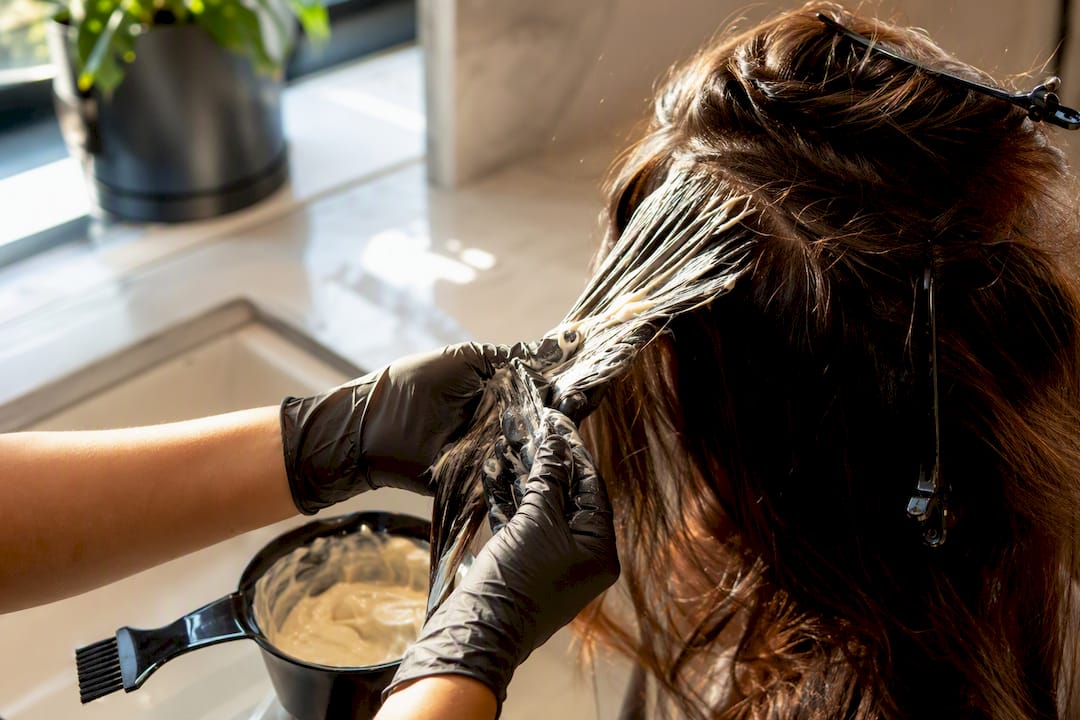
The Jerry G Method is a community-developed hair detox technique built around a blunt idea: if you strip and re-dye the hair shaft aggressively enough, you strip out some of the drug metabolites lodged inside it along with the natural pigment. It combines bleaching, an ammonia-based permanent hair dye, dish soap washes, and a detox shampoo, usually applied in that order over one long session or a couple of rounds.
To understand why anyone tries this, it helps to know where THC metabolites actually sit. They aren’t just coating the outside of your hair. During growth, drug metabolites travel through the bloodstream and become bound inside the hair shaft, largely through interaction with melanin, the pigment protein that gives hair its color. That’s also why hair testing has such a long lookback window compared to urine or saliva. Once THC-COOH is incorporated into the shaft, it stays there as the hair grows out, which is why hair tests can detect use going back roughly 90 days.
Bleach and ammonia-based dye are the active agents here for a reason. Bleach oxidizes melanin and swells the hair cuticle, the outer layer of overlapping cells that normally protects the shaft. Ammonia in permanent dye pushes that cuticle open even further, and the combination is what theoretically lets some metabolites leach out during subsequent washing.
- Bleach oxidizes and breaks down melanin, the same pigment that binds metabolites.
- Ammonia-based dye swells the cuticle, creating more surface access to the cortex underneath.
- Detox shampoos and dish soap washes attempt to flush loosened metabolites out through the opened cuticle.
- Surface-only detox shampoos, used without the bleach and dye step, mostly clean residue off the hair’s exterior and don’t reach metabolites bound deeper in the shaft.
That last point matters. A shampoo alone, no matter how it’s marketed, isn’t doing the same chemical work as an oxidizing agent. This is precisely why the Jerry G Method leans on harsher chemistry than a wash-only routine, and it’s also exactly why the risk profile is so much higher.
How Do You Actually Do the Jerry G Method Step by Step?
This is the exact sequence most guides describe, along with the safety checkpoints that get skipped far too often. Read the whole thing before you buy a single product.
Materials checklist:
- A box or salon-strength bleach kit (powder bleach plus 20 or 30 volume developer)
- A permanent, ammonia-containing hair dye, ideally darker than your natural color to help mask damage
- Dish soap (a strong degreasing brand, not a moisturizing formula)
- Baking soda for a test-day paste
- A detox shampoo formulated for chemical hair treatments
- Latex or nitrile gloves, a timer, an old towel, and a well-ventilated bathroom
The step-by-step procedure:
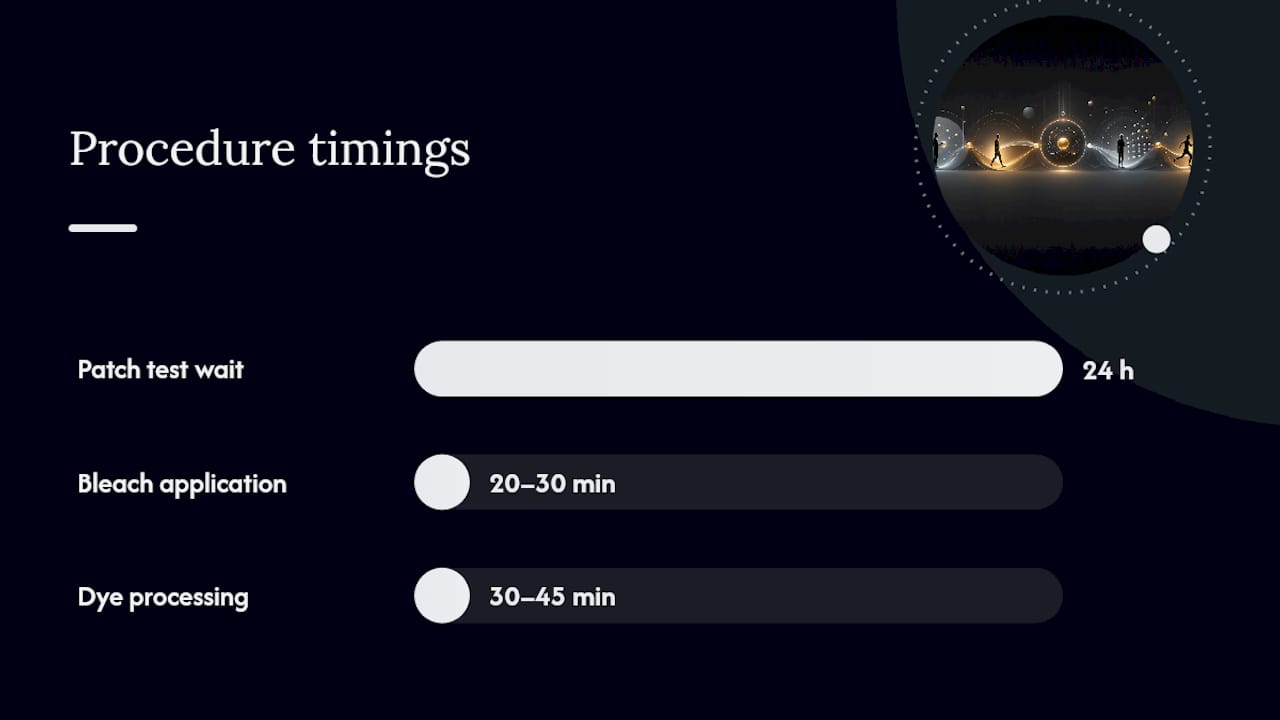
- Patch test first. Apply a small amount of bleach to a hidden section of scalp and hair, and wait 24 hours to check for burning, redness, or unusual sensitivity before doing anything else.
- Apply the bleach. Mix according to the box instructions and work it through dry, unwashed hair, focusing on the scalp area where metabolite concentration in new growth tends to be highest.
- Time it carefully. Leave the bleach on for the manufacturer’s maximum recommended time, usually 20 to 30 minutes, and never extend it past that window hoping for better results. Longer does not mean safer or more effective; it just means more scalp damage.
- Rinse thoroughly. Use lukewarm water until it runs clear, then towel dry gently rather than rubbing.
- Apply the ammonia-based dye. Follow the box timing, typically 30 to 45 minutes, and avoid combining leftover bleach residue with the dye in the same sitting.
- Rinse and wash. Rinse the dye out, then do an initial wash with the degreasing dish soap to strip conditioning agents the dye leaves behind.
- Run the detox shampoo cycle. Wash with a detox shampoo formulated for this purpose, massaging into the scalp for several minutes, then rinse.
- Repeat washes over several days if time allows. Many people run the dish soap and detox shampoo combination daily for the days leading up to the test rather than relying on one session.
- On test day, use a baking soda paste or a final detox shampoo wash. Mix baking soda with a small amount of water into a paste, work it through damp hair for a few minutes, then rinse and follow with a last detox shampoo wash.
- Check your scalp before you leave the house. Look for redness, cracking, or open irritation; if you see any, cover it and be ready to explain a recent hair treatment if asked.
Never mix leftover bleach with dye or with the dish soap step in the same container. Combining chemicals unpredictably increases fume exposure and burn risk. If your scalp starts stinging or burning during application, rinse immediately with cool water; don’t try to push through a burn to “finish the job.”
Pro Tip: If you’ve never bleached your own hair before, do the patch test the day before your actual routine, not the same day. Some reactions take a few hours to show up, and finding that out at 2 a.m. before a 7 a.m. test is the worst possible time.
Some people run a single aggressive round; others repeat the bleach and dye cycle two or three times over a week, believing more rounds mean more metabolite loss. What repetition reliably delivers is more cumulative damage. Each additional bleaching pass strips more melanin and weakens the shaft further, and there’s no solid evidence that a second or third round meaningfully outperforms one careful round done correctly.
Does the Jerry G Method Actually Work on a Lab Test?
The honest answer sits in a gray zone that most forums don’t want to admit. Controlled studies on cosmetic hair treatments have measured metabolite reductions of roughly 40% to 80% after a single bleaching session, which sounds dramatic until you consider how these studies were run: small sample sizes, controlled lab conditions, and often a single analyte measured in isolation. Real-world hair, real-world usage histories, and real-world lab cutoffs don’t always behave the same way.
Understanding what a lab actually does with your sample matters here. Most testing facilities run a two-stage process. The first stage is an ELISA screen, an immunoassay that flags samples likely to be positive. Anything that screens positive moves to a confirmatory test, typically GC-MS or LC-MS/MS, mass spectrometry techniques sensitive enough to detect trace concentrations that a screening test alone might miss. That confirmatory step is exactly why a 60% reduction in metabolite concentration doesn’t automatically translate into a negative result. If the original concentration was high enough, even a heavily reduced sample can still clear the lab’s cutoff threshold.
A single bleaching pass can meaningfully lower measurable THC-COOH in hair, but the same body of research that documents that reduction stops well short of calling it a reliable path to a negative confirmatory result.
Several variables swing the outcome hard in either direction. Darker, more melanin-rich hair binds more metabolite to begin with, so it often needs harsher treatment to see comparable reductions. Porosity, meaning how open or damaged the cuticle already is, affects how much a wash can actually pull out. Usage history, especially daily or near-daily use, means a much higher starting concentration than someone who used cannabis a handful of times in the testing window. And every lab sets its own cutoff level, so the same treated hair sample could pass at one facility and fail at another. Drug incorporation into hair depends on blood concentration during growth, melanin binding, and cosmetic history, which is exactly why two people running the identical Jerry G routine can get two completely different outcomes.
What Are the Health and Cosmetic Risks of the Jerry G Method?
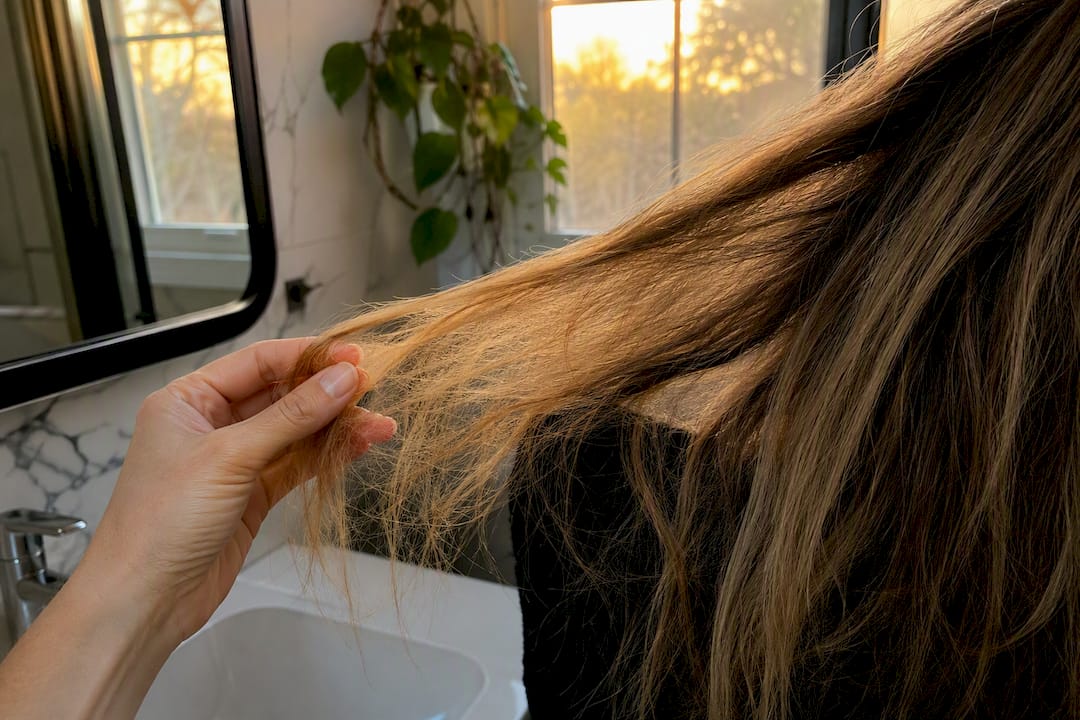
The chemistry that makes this method plausible is the same chemistry that damages your hair and, in worse cases, your scalp. Bleach oxidizes the proteins that give hair its structure and strength, while stripping melanin at the same time. That combination increases porosity, meaning your hair holds less moisture and snaps more easily, and it’s the reason repeated bleaching sessions leave hair feeling like straw within a matter of weeks.
Scalp injury is the more urgent concern on test day. Bleach and ammonia-based dye left on too long, or applied to skin that’s already irritated, can cause genuine chemical burns, not just discomfort. Watch for:
- Redness that spreads or intensifies rather than fading within an hour
- Open sores, cracking, or peeling skin
- Persistent burning that doesn’t ease after rinsing with cool water
If you see any of those signs, stop the routine, rinse thoroughly, and get medical attention rather than pushing forward for the sake of a test deadline.
There’s also a testing-specific risk that rarely gets mentioned: visibly over-processed hair, patchy color, or a scalp that looks freshly chemically treated can prompt a collector or lab to flag the sample for specimen integrity concerns, sometimes triggering a re-collection under closer observation.
Pro Tip: If you have a history of scalp psoriasis, eczema, or any chemical sensitivity, skip this method entirely. The bleach-and-ammonia combination is rough even on healthy skin, and a compromised scalp barrier makes a burn far more likely.
Skip the Jerry G Method altogether if you have extremely short hair (there’s not enough shaft to work with), any active scalp condition, or a known allergy to hair dye or bleach.
Jerry G vs. Macujo: Which Method Should You Choose?
Both methods aim at the same target, chemically opening the hair shaft to reduce embedded metabolites, but they get there through very different levels of aggression.
- Chemicals involved: Jerry G relies on bleach plus ammonia-based permanent dye, a strong oxidizing combination. The Macujo Method skips bleach entirely, instead using repeated acidic and surfactant-based washes, typically built around a clarifying shampoo like Aloe Rid combined with a vinegar or astringent step, then a Zydot-style final rinse.
- Aggressiveness: Jerry G is a one or two-round chemical overhaul. Macujo is a repeated, milder flushing process, often run daily over a week or more.
- Cosmetic damage: Jerry G’s bleaching step causes far more visible hair damage and color change. Macujo’s acidic wash cycle is comparatively gentler on hair structure.
- Best fit: Jerry G suits someone facing a very short timeline who’s willing to accept heavier damage for a shot at a bigger metabolite reduction. Macujo suits someone with more lead time who wants a lower-damage, repeatable routine.
Passdrugtest generally recommends the Macujo Method as the better first choice for most people, precisely because it doesn’t require bleaching your hair to the point of visible damage. Jerry G stays in the conversation mainly as a last-resort option when someone has very little time and has already accepted the cosmetic tradeoff.
When Should You Start and What Should You Do on Test Day?
Timing changes everything with this method, and rushing it is where most of the risk concentrates.
- Ten or more days out: This is the window that gives you room for a patch test, the full bleach-and-dye cycle, several days of follow-up detox washes, and time for your scalp to calm down before the actual test.
- Three to seven days out: Still workable, but skip the multi-day repeat washing and go straight to a single careful round followed by daily detox shampoo.
- Under 48 hours: Your realistic options shrink to a baking soda paste and detox shampoo wash immediately before the test; a fresh bleach job this close to test day adds visible damage risk without reliable added benefit.
On test day itself, avoid applying any new oils, conditioners, or leave-in treatments, since collectors sometimes note visible product residue. Bring identification and any documentation you were told to bring, and answer questions about recent hair treatments honestly rather than volunteering unnecessary detail.
If your timeline or hair length makes any version of this method impractical, cutting the hair shorter or requesting a body hair sample (where policy allows) are the realistic fallbacks, each with its own detection window and limitations covered in more detail in Passdrugtest’s guide to hair test detection windows.
Why Trust This Guide on the Jerry G Method?
Passdrugtest has spent years covering hair follicle detox methods, from aggressive DIY chemical routines to structured programs like Macujo, and the goal here is the same every time: give you the real mechanics and the real risk, not a sales pitch dressed up as advice.
For deeper background before you decide, these resources go further into the science behind why this method works the way it does:
- How drugs incorporate into the hair shaft and why treatment outcomes vary between people
- Federal hair testing guidelines that explain how labs actually process samples
- Detox shampoo options available on-site if you decide a milder, lower-damage routine fits your timeline better
Passdrugtest sells detox shampoos and kits, including Macujo Aloe Rid, and that’s disclosed plainly here: this guide covers the Jerry G Method on its own merits, risks included, whether or not you ever buy anything.
Is the Jerry G Method Legal, and Are There Ethical Concerns?
Using bleach and dye on your own hair isn’t illegal anywhere in the United States. Buying hair dye or a detox shampoo carries no legal exposure whatsoever; these are ordinary consumer cosmetic products sold at any drugstore. Where things get murkier is the intent behind the act, not the chemicals themselves.
Many hair follicle tests exist in employment or legal contexts (pre-employment screening, court-ordered testing, probation compliance) where attempting to defeat a required test can carry consequences separate from any drug law. If a sample is later flagged as tampered or chemically altered in a way that triggers a formal integrity review, some employers and testing programs treat that as a policy violation on its own, regardless of the underlying test result.
There’s also a straightforward ethical question worth sitting with: a hair follicle test exists to answer a specific question about recent drug use, and chemically manipulating the sample is designed to prevent an accurate answer. Whether that’s a personal choice you’re comfortable making is separate from whether it’s legal, and the two questions get conflated constantly in online discussions.
None of this is legal advice, and the specific consequences of a flagged or failed test depend entirely on the policy governing your situation, whether that’s an employer’s drug policy, a court order, or a licensing board’s requirements. Read whatever policy applies to you before assuming the stakes are purely medical.
What Myths About the Jerry G Method Should You Ignore?
The biggest myth is that bleaching automatically means passing. It doesn’t. Reduction in metabolite concentration is not the same as dropping below a lab’s cutoff, especially for someone with a heavy or long-term use history.
A second myth: more bleach or longer processing time equals better results. Chemistry doesn’t reward overkill here. Leaving bleach on past the recommended time increases scalp burn risk without proportionally increasing metabolite loss, and severely over-processed hair is more likely to draw attention during collection.
Third myth: detox shampoo alone can replicate what the bleach-and-dye step does. It can’t. A shampoo cleans the hair’s surface; it doesn’t oxidize melanin or open the cuticle the way bleach and ammonia-based dye do. Treat detox shampoo as a supporting step in this method, not a replacement for it.
Fourth myth: the Jerry G Method works the same for everyone. It doesn’t, because hair incorporation of drugs depends on melanin binding, growth rate, and usage history, all of which differ from person to person. Two people with identical routines can get opposite results.
Finally, some assume a single treatment “resets” hair back to a clean baseline. It doesn’t erase history; it chemically alters what’s measurable in the treated portion of the shaft, which is a very different thing from actually clearing metabolites from your system.
How Do You Care for Your Hair After the Jerry G Method?
Your hair needs real recovery time after a bleach-and-dye cycle, and skipping aftercare just compounds the damage you already accepted by doing this method.
Start with a deep conditioning treatment within a day or two of finishing the routine, ideally one built around protein and moisture repair rather than a light daily conditioner. Bleached, dyed hair has lost structural protein and needs it replaced, not just smoothed over.
Cut back on heat styling for at least a few weeks. Blow dryers, flat irons, and curling tools all add thermal stress to hair that’s already more porous and fragile than usual, and that combination is a fast track to visible breakage.
Watch your scalp for lingering sensitivity, dryness, or flaking in the days after treatment, and use a gentle, sulfate-free shampoo for regular washing once the detox period is over. Continuing to wash with harsh dish soap or detox formulas after the test is done just adds unnecessary strain.
If you’re planning to touch up color or reapply any chemical treatment later, wait at least four to six weeks to let the hair’s protein structure stabilize. Trimming split or badly damaged ends after the test is often the fastest way to make hair look healthy again, even if it means losing some length.
What Other Methods Can Improve Your Odds of Passing a Drug Test?
The Jerry G Method targets hair specifically, but plenty of people facing a drug test are dealing with urine or saliva screening instead, and those require completely different approaches. Urine tests typically use synthetic urine or timed abstinence combined with detox drink and cleansing product routines, while saliva tests have a much shorter detection window and respond better to abstinence and oral rinse products close to test time.
For hair tests specifically, the Macujo Method remains the more commonly recommended complementary or alternative approach, since it achieves a comparable goal, opening the cuticle and flushing metabolites, without requiring the bleach step that does most of the cosmetic damage in Jerry G. Some people even combine elements: a milder Macujo-style acidic wash cycle in the days leading up to a test, reserving a Jerry G-style bleach round only if the timeline is too short for anything gentler to work.
Whichever method you’re leaning toward, abstinence combined with time is still the only factor that reliably lowers your actual metabolite load rather than just changing what’s measurable on the surface. Chemical methods work at the margins; they don’t replace what time and reduced use accomplish on their own.
What Do Real Users Say About the Jerry G Method?
Online forums and detox communities are full of firsthand accounts of the Jerry G Method, and the honest pattern across them is inconsistency. Some users report negative results after a single careful bleach-and-dye round combined with daily detox washes in the days that followed. Others, particularly those with a longer or heavier use history, report failed tests despite following the same steps closely.
The recurring theme in failure reports isn’t usually a botched procedure. It’s usage history outpacing what the chemistry can offset, exactly what the underlying research on metabolite reduction would predict. A person who used cannabis occasionally over the testing window has a much lower starting concentration to work against than someone who used daily for months.
Damage complaints show up constantly too: burned scalps from leaving bleach on too long, brittle hair that broke off in clumps weeks later, and dye jobs that turned out patchy enough to draw questions at the testing site. These aren’t rare outlier stories; they’re a predictable consequence of the same oxidizing chemistry that makes the method plausible in the first place.
Treat forum success stories as anecdotes, not evidence. They’re useful for understanding what the experience actually involves, but they can’t tell you what will happen with your own hair, your own usage history, or the specific lab running your test.
An Editorial Take on the Jerry G Method’s Real Place in Detox Strategy
The research supports a narrow conclusion: bleaching and dyeing can measurably lower metabolite concentration, but that’s a long way from a guaranteed pass, and the conventional forum advice glosses over that gap constantly. What gets underweighted almost everywhere online is the confirmatory testing step. People fixate on percentage reductions from small studies without asking what a lab’s actual cutoff is, which is the number that decides everything.
Where the standard advice fails hardest is treating Jerry G as a default rather than a last resort. If you have more than a week before a test, a milder routine built around the Macujo Method achieves a similar goal with far less cosmetic damage. Jerry G earns its place only when time has already run out and the cosmetic tradeoff is one you’ve consciously accepted.
Prioritize the timeline question before the chemistry question. How much time you have should decide which method you even consider, not which one sounds more aggressive or more talked about online.
Frequently Asked Questions About the Jerry G Method
Does the Jerry G Method really remove THC from hair?
It doesn’t remove THC from your system; it chemically alters the hair shaft in an attempt to reduce measurable metabolite concentration in that specific sample. Studies show real reductions in some cases, but confirmatory lab testing can still detect residual metabolites, especially with heavy usage history.
How many times should you repeat the Jerry G Method before a test?
Most guides describe one thorough round followed by several days of detox shampoo washes. Repeating the bleach-and-dye cycle multiple times adds cumulative hair damage without reliable evidence of proportionally better results.
Is the Jerry G Method safe for damaged or previously bleached hair?
No. Hair that’s already porous or damaged from prior chemical treatment is more likely to break or suffer scalp irritation during this process. A patch test beforehand is the only way to gauge your risk.
How does the Jerry G Method compare to the Macujo Method for a hair follicle test?
Macujo relies on repeated acidic washes and skips the bleach step entirely, making it gentler on hair structure. Jerry G uses stronger oxidizing chemistry and carries more damage risk, but some consider it a faster option under a tight deadline.
Can a lab tell if you used the Jerry G Method?
Visibly over-processed hair, patchy color, or scalp irritation can prompt a collector to flag a sample for specimen integrity concerns, which sometimes leads to re-collection under closer observation.
What should you do if the Jerry G Method isn’t a good fit for your timeline?
Consider a milder Macujo-style routine if you have more lead time, or explore detox products designed for hair follicle tests built specifically to support the wash cycle this method depends on.
Sources
- Study on effects of cosmetic treatments on drug concentrations in hair (PubMed)
- PMC article on hair damage and chemical effects
- Book chapter on drug testing and hair incorporation (NCBI Bookshelf)