
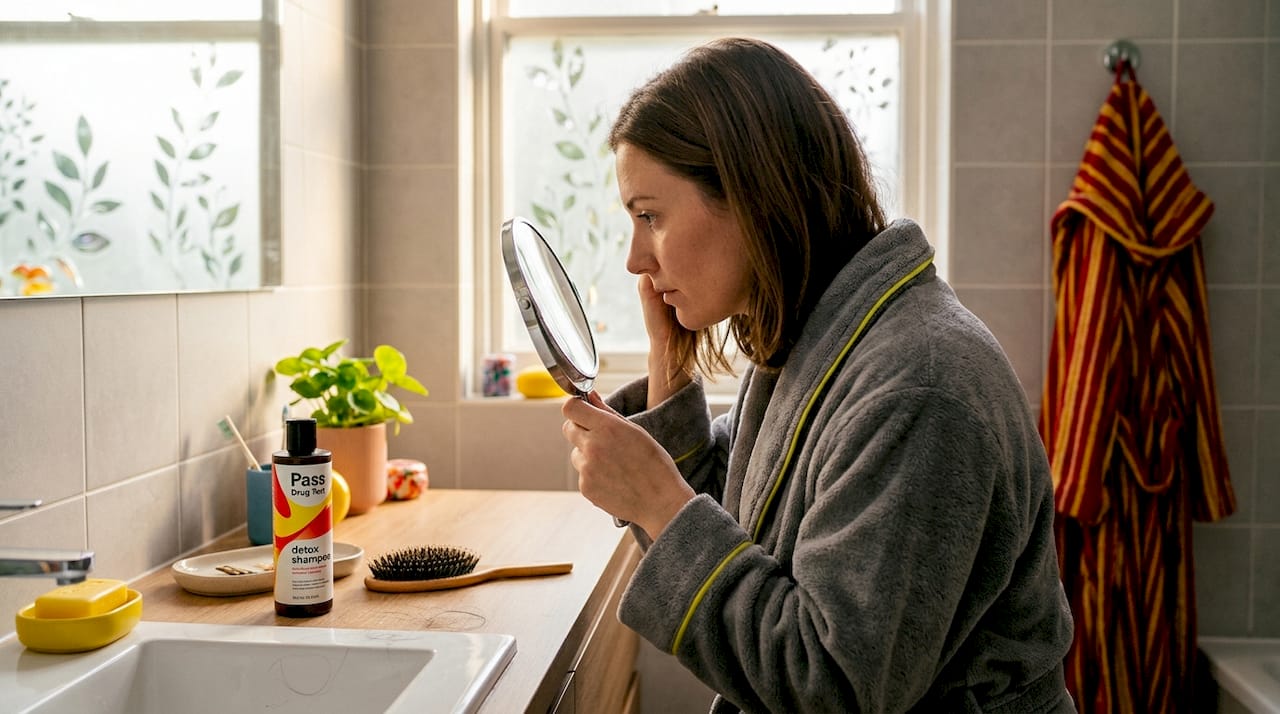

Masking marijuana in hair means attempting to reduce or hide THC metabolites embedded inside the hair shaft before a follicle drug test, and scientific evidence shows this is extremely difficult to achieve reliably. Hair follicle testing is the most accurate drug screening method used by U.S. employers, federal agencies, and courts today. Unlike urine or saliva tests, it captures a 90-day window of drug use that no shampoo or styling treatment can simply wash away. This article explains the biology behind why detection is so persistent, reviews which masking approaches have any real basis, and walks you through the most practical steps to prepare when a test is coming.
How does hair follicle drug testing for marijuana work?
Hair follicle testing detects THC metabolites that enter the hair shaft through the bloodstream, not from surface contact. When you consume marijuana, your body processes THC into metabolites. Those metabolites circulate in the blood and get deposited into the hair follicle as new hair grows. Once locked inside the cortex of the hair strand, they stay there permanently unless the hair is cut or chemically degraded.
The standard test uses roughly 1.5 inches of scalp hair, representing approximately 90 days of growth. Hair grows about 0.5 inches per month, so that proximal segment closest to the scalp reflects your most recent three months of use. This detection window is what makes hair testing so much harder to beat than a urine test, which typically clears in days to weeks.
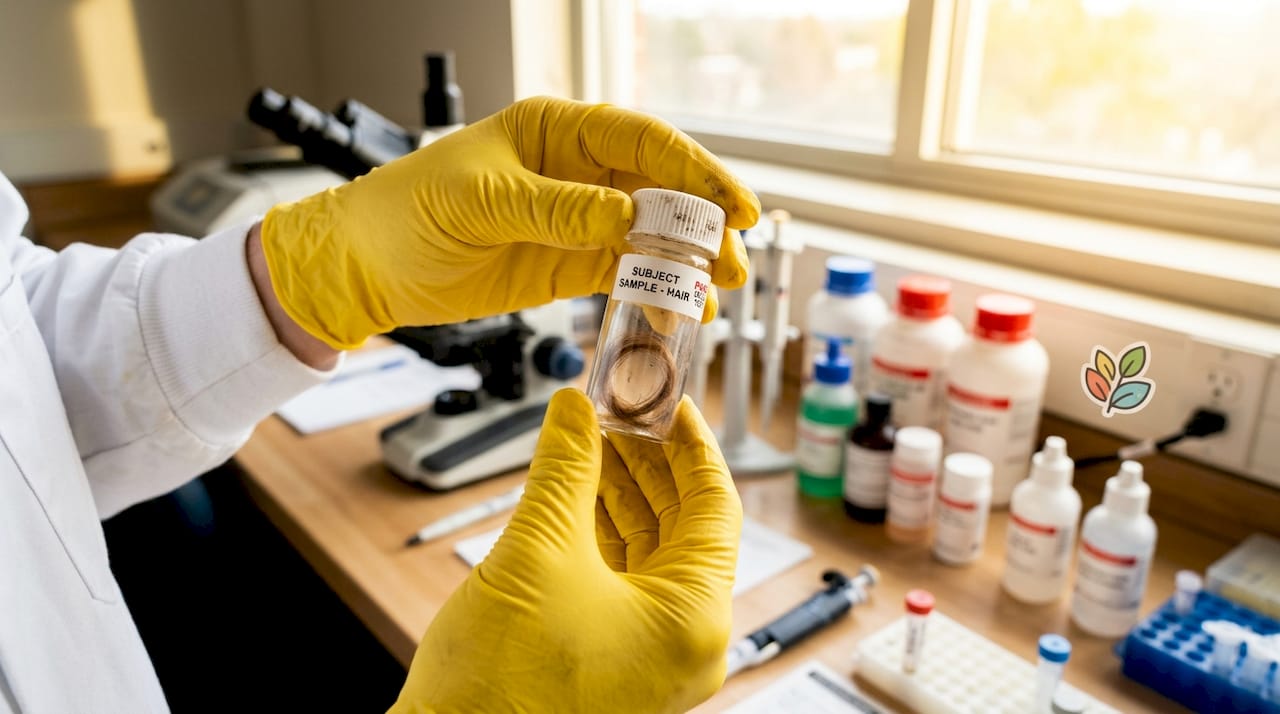
Labs do not simply test the raw hair strand. They first wash the sample to remove any surface residue, then analyze the wash solution separately. High drug levels in the wash but low levels in the hair indicate external contamination rather than ingestion. This two-step process is specifically designed to prevent people from claiming second-hand smoke or accidental contact as a defense.
Key facts about how hair follicle tests work:
- THC metabolites are deposited via the bloodstream, not from touching or smelling marijuana
- The test window covers approximately 90 days of use
- Labs analyze both the hair strand and the wash solution
- Detection thresholds are confirmed using immunoassay screening followed by GC-MS confirmation
- THC metabolite levels are measured at very low concentrations, making the test highly sensitive
Understanding this biology is the foundation for everything else in this article. If you do not understand where the metabolites live, you cannot realistically evaluate any masking strategy.
What common masking methods are used and do they really work?
Most people searching for ways to mask weed in hair encounter the same short list of strategies: bleaching, dyeing, detox shampoos, shaving, and chemical washes. Here is an honest comparison of what each one actually does.
| Method | What it does | Evidence of effectiveness | Key risk |
|---|---|---|---|
| Bleaching or dyeing | Damages hair cuticle, may leach some metabolites | Reduces metabolites 30 to 60% but does not eliminate them | Lab detects cosmetic damage; unreliable alone |
| Detox shampoos | Chelating agents attempt to penetrate the shaft | Lack peer-reviewed proof of reliable efficacy | Mixed user results; no independent validation |
| Shaving the head | Removes testable hair entirely | Avoids scalp sample but labs may test body hair | Raises immediate suspicion; sample rejection |
| Chemical washes | Act on hair surface | Surface-level only; cannot reach internal metabolites | Minimal impact on embedded THC |
| Abstinence plus time | Stops new metabolite incorporation | Only method with clear biological logic | Requires 90 or more days of clean growth |
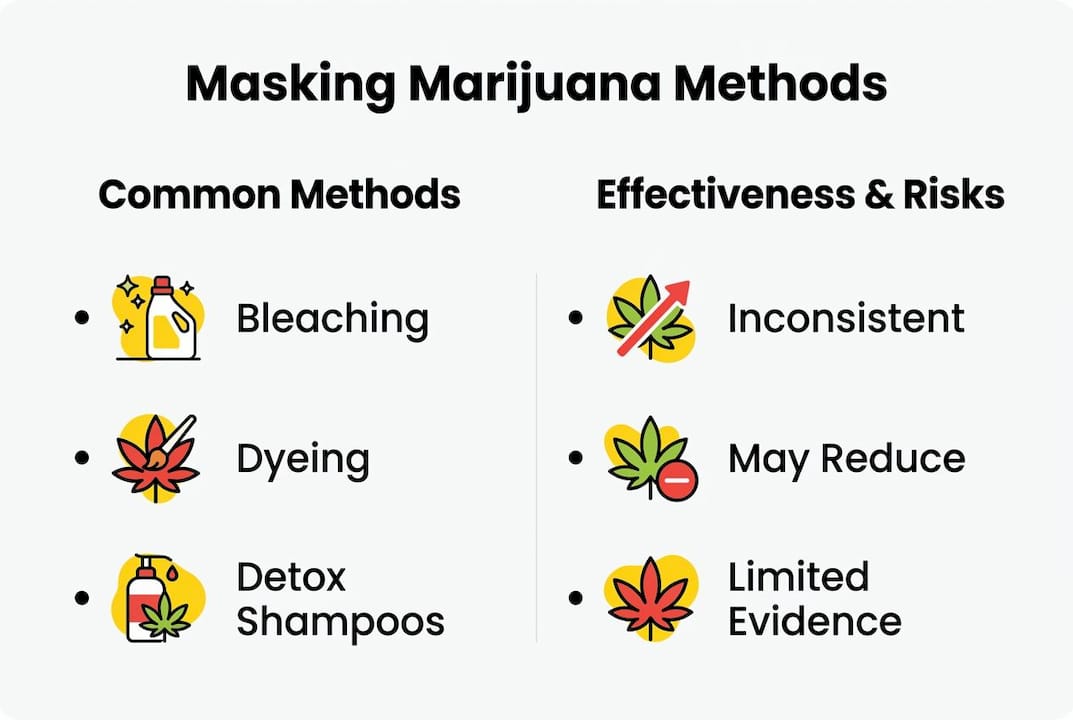
Bleaching is the most studied cosmetic approach. It can reduce metabolite concentrations, but the reduction is inconsistent. Cosmetic treatments alter hair texture in ways labs can detect, and a damaged sample may trigger additional scrutiny rather than a clean result. The reduction also varies by hair color, treatment intensity, and the specific drug metabolite being tested.
Detox shampoos marketed for hair follicle tests, including products containing EDTA and other chelating agents, claim to penetrate the hair cortex and bind to metabolites. The science behind penetration enhancers is real, but independent peer-reviewed studies confirming that these products produce negative results at lab-grade thresholds do not exist. That does not mean they offer zero benefit, but it does mean you cannot rely on them alone.
Pro Tip: If you use a detox shampoo as part of your preparation, pair it with abstinence and timing rather than treating it as a standalone fix. No single product can substitute for stopping use and allowing clean hair to grow.
Shaving your head is the most drastic option and the one most likely to backfire. Labs are trained to handle this scenario. They will collect body hair from the arms, legs, or underarms instead, and body hair can reflect an even longer detection window than scalp hair.
How to realistically prepare when facing a marijuana hair follicle test
Realistic preparation starts with accepting what the science says: no method guarantees a negative result if metabolites are already embedded in your hair. What you can do is take every step available to reduce your risk and give yourself the best possible position going into the test.
-
Stop using marijuana immediately. New metabolites stop being deposited into hair as soon as you stop consuming. New hair growth reflects use starting about one week before sample collection, so every day of abstinence matters from the moment you know a test is coming.
-
Calculate your 90-day window. The test covers the 1.5 inches of hair closest to your scalp. If you have been abstinent for 90 or more days, the new growth in that proximal segment should be clean. Track your abstinence date carefully and understand where you stand relative to the test date.
-
Avoid external contamination. Second-hand marijuana smoke and certain hair products can deposit trace THC on the hair surface. While labs test wash solutions to differentiate surface exposure from ingestion, you do not want any additional variables in your sample. Avoid environments where marijuana is being smoked.
-
Trim old hair cautiously. If your hair is long, the distal ends contain older growth that may reflect past use beyond the 90-day window. Trimming or cutting your hair over time naturally removes older contaminated segments, though the test only uses the proximal 1.5 inches anyway.
-
Use cosmetic treatments with realistic expectations. Bleaching or using a specialized detox shampoo may offer marginal reduction in metabolite concentration. Use these as supplementary steps, not primary strategies. Understand that labs can detect cosmetically treated hair.
-
Consider a pre-test hair drug test kit. At-home hair test kits let you screen your own sample before the official test. This gives you real data on where you stand rather than guessing.
Pro Tip: The Macujo Method, which combines specific cleansing agents with a dedicated detox shampoo like Macujo Aloe Rid, is one of the most referenced multi-step protocols among people preparing for hair follicle tests. It works by opening the hair cuticle to allow deeper cleansing. Results vary, but it remains the most structured approach available outside of abstinence alone.
Common mistakes and myths about masking marijuana in hair
The internet is full of confident claims about quick fixes for hair drug tests. Most of them are wrong, and some of them can make your situation worse.
-
Myth: Washing your hair repeatedly removes drug history. Cosmetic changes do not erase embedded drug metabolites. Metabolites are locked inside the hair cortex, not sitting on the surface. No amount of shampooing reaches them.
-
Myth: Dyeing your hair will fool the lab. Hair dye opens the cuticle and may leach a portion of metabolites, but the reduction is partial and inconsistent. Labs also analyze wash solutions separately from the hair strand, so cosmetic treatment does not create a clean result.
-
Myth: Vinegar, baking soda, or other home remedies work. These DIY approaches have no credible scientific support for removing embedded THC metabolites. They may affect the hair surface but cannot penetrate the cortex where metabolites are stored.
-
Myth: If you only used marijuana once or twice, you will not test positive. Frequency of use matters, but even occasional use can produce detectable metabolite levels depending on potency, individual metabolism, and the sensitivity of the lab’s threshold.
-
Risk: Excessive chemical treatment raises red flags. Heavily bleached or chemically damaged hair is visible to lab technicians. Some labs note sample quality and may flag unusual treatment patterns, which can prompt additional scrutiny rather than a clean pass.
Understanding why hair holds metabolites internally is the single most important thing you can do before spending money on any product or protocol. If you skip this step, you are making decisions based on marketing rather than biology.
Key takeaways
Masking marijuana in hair requires understanding that THC metabolites are embedded inside the hair shaft via the bloodstream, and no surface treatment reliably eliminates them at lab-grade detection thresholds.
| Point | Details |
|---|---|
| Metabolites are internal | THC enters hair through the bloodstream, not surface contact, making washing ineffective alone. |
| 90-day detection window | Labs test 1.5 inches of scalp hair, covering roughly three months of marijuana use. |
| Bleaching reduces, not eliminates | Chemical treatments may cut metabolite levels by 30 to 60% but cannot guarantee a negative result. |
| Abstinence is the only reliable strategy | Stopping use and allowing 90 or more days of clean growth is the only biologically sound approach. |
| Labs detect cosmetic treatment | Wash solution analysis and hair texture assessment mean labs can identify masking attempts. |
My honest assessment after years in this space
I have spent years working in the drug test preparation space, and the question I hear most often is some version of: “Is there a product that will definitely work?” My honest answer is that no product, used alone, can guarantee a negative result on a hair follicle test if you have been using marijuana regularly in the past 90 days. The science behind hair testing is genuinely impressive, and anyone who tells you otherwise is either misinformed or selling something without disclosing the full picture.
What I have seen work, consistently, is a combination of things: real abstinence, enough time, and a structured cleansing protocol used correctly. The Macujo Method with a quality Aloe Rid shampoo is the most credible multi-step approach I know of, and Passdrugtest carries the products you need to do it properly. But I want to be clear: it works best when paired with abstinence, not as a substitute for it.
The other thing I would stress is this. If you have a legitimate prescription for a medication that might affect your results, disclose it to the medical review officer before the test. That is not a weakness. It is the correct process, and it protects you legally. Hair testing is accurate enough that trying to hide a prescription medication is more likely to create problems than solve them.
My advice is to be honest with yourself about your timeline, use every tool available to you in a realistic way, and do not waste money on products that promise the impossible. Informed preparation beats wishful thinking every time.
— Michael
Prepare with the right products from Passdrugtest
If you are facing a hair follicle drug test and want to give yourself the best possible preparation, Passdrugtest has the products and guidance to support a structured approach. The Macujo Aloe Rid Shampoo is the flagship product for a reason. It is formulated to work as part of the Macujo Method, opening the hair cuticle to allow deeper cleansing over multiple treatment sessions. Pair it with Zydot Ultra Clean on test day for a complete protocol.
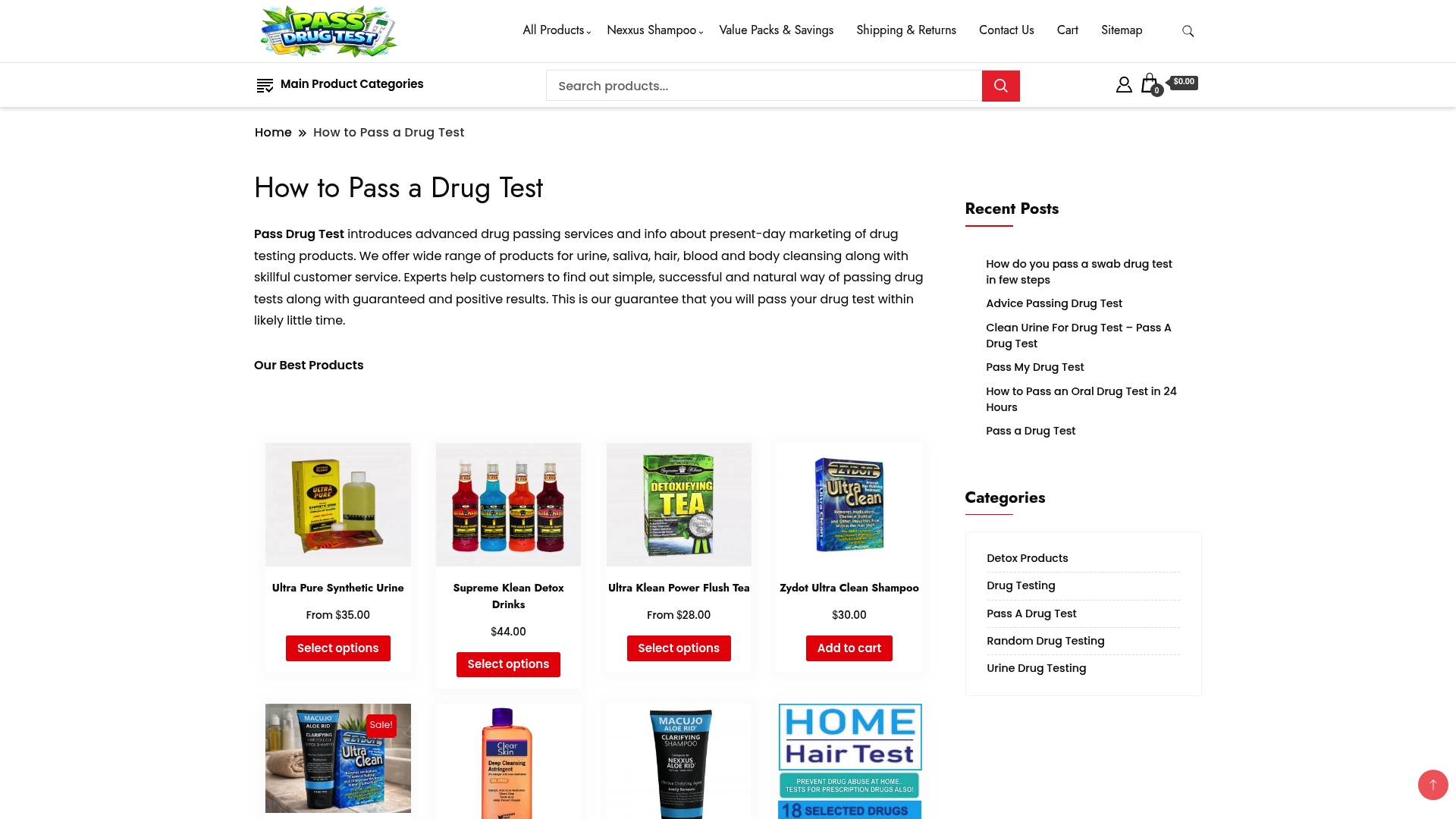
Passdrugtest also offers whole body cleansing products and a full range of detox products designed specifically for marijuana users. Browse the full selection, read the product guides, and reach out to customer support if you need help choosing the right combination for your situation and timeline.
FAQ
How far back does a hair follicle test detect marijuana?
A hair follicle test covers approximately 90 days of marijuana use, based on 1.5 inches of scalp hair growing at roughly 0.5 inches per month.
Can detox shampoos remove THC from hair?
Detox shampoos containing chelating agents may reduce metabolite levels marginally, but no peer-reviewed evidence confirms they produce reliable negative results at lab-grade thresholds when used alone.
Does bleaching hair help pass a hair drug test?
Bleaching can reduce THC metabolite concentrations by an estimated 30 to 60%, but it does not eliminate them and labs can detect cosmetically damaged hair, making it an unreliable standalone strategy.
Will shaving my head help me avoid a hair drug test?
Shaving your scalp removes the primary sample, but labs will collect body hair from arms, legs, or underarms instead, and body hair can reflect an even longer detection window.
What is the most effective way to prepare for a hair follicle test?
Complete abstinence combined with 90 or more days of clean hair growth is the only biologically sound strategy. A structured cleansing protocol like the Macujo Method, used alongside abstinence, offers the most credible supplementary support available.