
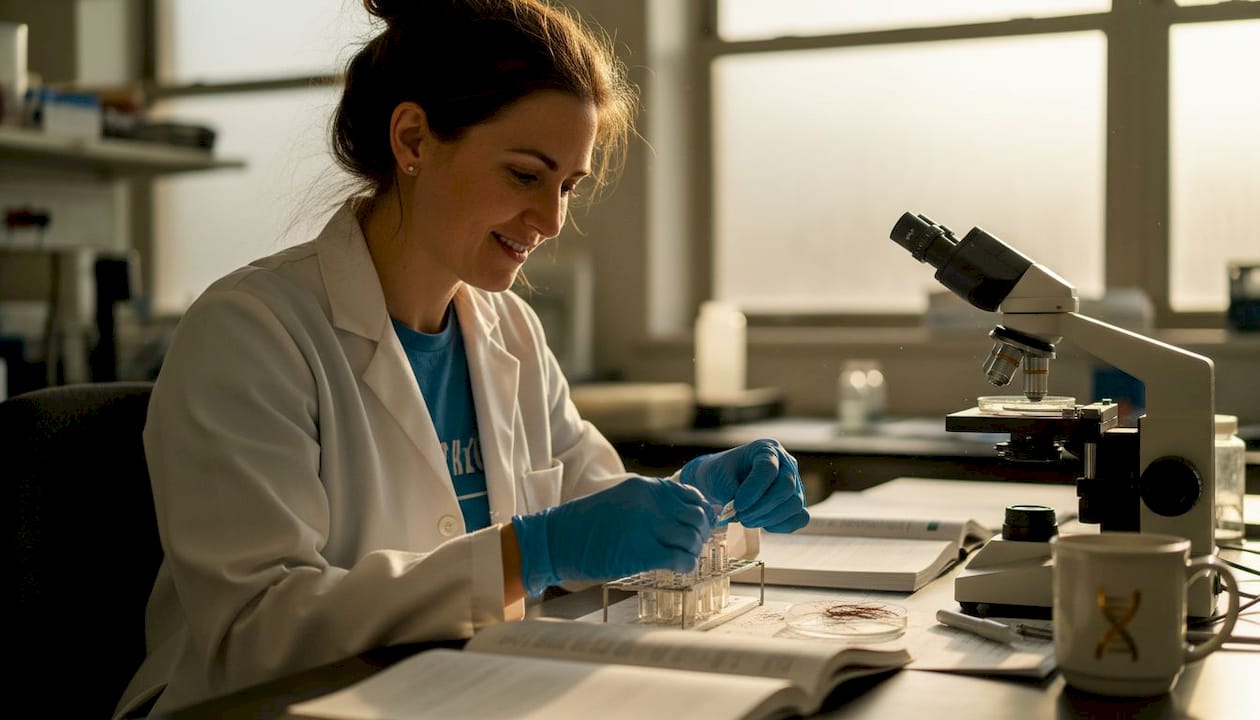

Millions of THC users assume that synthetic urine is a universal solution for any drug test they face. That assumption can be costly. Hair follicle tests and urine tests are built on entirely different science, and what defeats one will do absolutely nothing against the other. If you are facing a hair test specifically, understanding this difference is not optional — it is the foundation of every decision you make. This article breaks down exactly how each test works, where synthetic urine fits in, and what realistic options exist for hair follicle testing so you can move forward with a clear, informed plan.
Table of Contents
- How hair follicle and urine drug tests actually work
- Synthetic urine: When and why it works (and when it doesn’t)
- Can detox shampoos or cleansing methods reliably beat hair tests?
- Factors that influence your hair test results
- The uncomfortable truth: Why most shortcut methods fail hair tests
- Next steps: Find the right detox products for your needs
- Frequently asked questions
Key Takeaways
| Point | Details |
|---|---|
| Hair tests are toughest | Hair follicle drug tests detect THC for far longer than urine tests and are difficult to defeat with products. |
| Synthetic urine is test-specific | Synthetic urine only works for unsupervised urine tests and is useless for hair testing scenarios. |
| Detox methods have limits | No detox shampoo or cleansing routine can guarantee a pass on a hair drug test and can risk detection for tampering. |
| Know your risks | Factors like use frequency, hair type, and lab protocols shape your odds more than products or hacks. |
| Consider safe solutions | If you’re facing testing, prioritize evidence-based detox products and informed strategies over gimmicks. |
How hair follicle and urine drug tests actually work
With that context in mind, let’s break down how these test types function differently.
When you consume THC, your body processes it into metabolites. Those metabolites travel through your bloodstream and eventually exit through urine, saliva, and sweat. That is how urine tests catch recent drug use. Hair testing works on a completely different mechanism. As blood circulates through your scalp, THC metabolites get deposited into the hair follicle and become physically embedded in the growing hair shaft. Once locked in there, they stay.
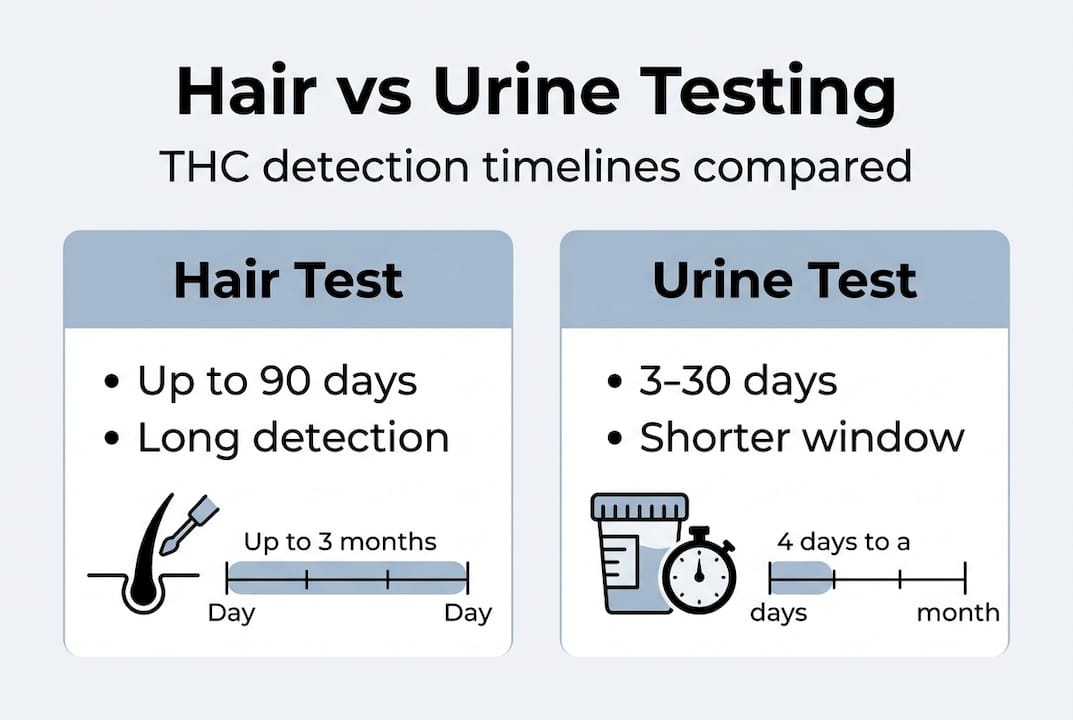
Hair follicle tests detect THC metabolites for up to 90 days, while urine typically detects recent use from 3 to 30 or more days depending on how often you use. That gap is enormous from a practical standpoint. A single weekend session might clear your urine within a few days, but that same session could still show up in a hair test three months later.
Labs don’t just glance at a hair sample and make a call. They use immunoassay screening and GC-MS confirmation to identify and verify specific drug metabolites with a high degree of accuracy. Urine tests also use immunoassay screening, but the confirmation thresholds and the sample matrix are entirely different. Standard cutoff values for THC in hair are set at 1 pg/mg, while urine cutoffs are typically measured at 50 ng/mL for initial screening. These are fundamentally different biological environments.
You can get a solid grounding in hair drug testing basics before making any decisions. Knowing the marijuana drug test facts for both test types keeps you from wasting time on strategies that simply don’t apply to your situation.
| Test type | Detection window | Sample used | Confirmation method |
|---|---|---|---|
| Urine | 3 to 30+ days | Urine sample | Immunoassay + GC-MS |
| Hair follicle | Up to 90 days | 1.5 inches of hair | Immunoassay + LC-MS/MS |
“Hair testing creates a long-term record of drug exposure that urine simply cannot replicate. It is one of the most persistent biological markers available to employers and courts.”
Synthetic urine: When and why it works (and when it doesn’t)
With hair and urine test mechanics clear, synthetic urine’s appeal makes sense for some, but not all, screening methods.
Synthetic urine mimics real urine chemistry and is formulated with the correct pH range, creatinine levels, specific gravity, and urea content that standard urine validity tests look for. When used properly in an unsupervised urine collection setting, it can pass those validity checks and produce a negative result on a standard panel test.
Here is where synthetic urine performs well:
- Unsupervised urine collections where no one observes you providing the sample
- Pre-employment urine screens at standard collection facilities
- Random workplace urine tests when the collection is not directly observed
- Urine panels that do not include advanced specimen validity testing
But the risks are very real. Advanced detection methods, state bans, and observed collections catch a significant number of substitution attempts. Some states have made using synthetic urine a criminal offense. Labs also continue to update their validity testing protocols, which means a product that passed two years ago may not pass today’s screens.
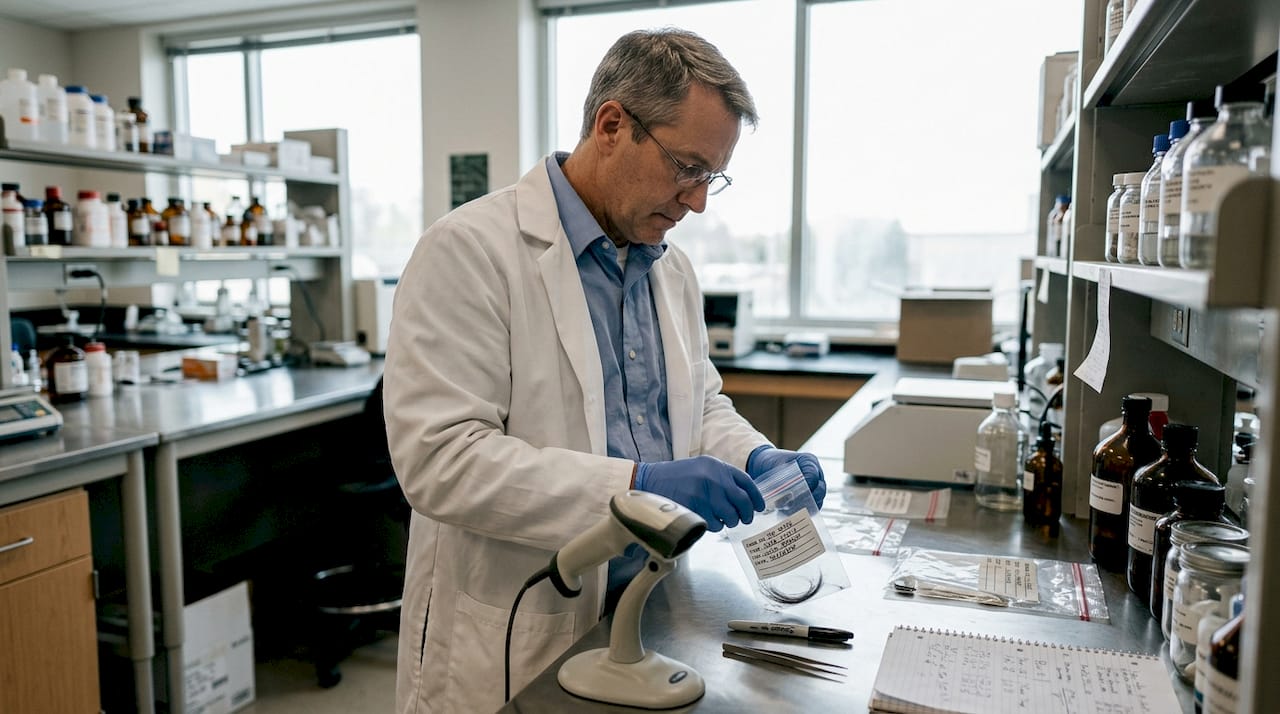
The critical point you need to understand is this: synthetic urine is completely irrelevant for hair follicle tests. A hair test requires a physical hair sample cut from your head or body. There is no liquid substitute that addresses that requirement. Bringing synthetic urine to a hair test collection does nothing. If a hair test is what you are facing, you need to look at targeted solutions like products for clean urine only if a urine component is also part of your screening, and focus your primary strategy elsewhere.
Pro Tip: Before selecting any product, confirm whether your test is observed or unobserved, and check your state’s laws on synthetic urine. Those two factors change everything about which approach makes sense.
For more guidance on THC detox for urine tests, there are solid resources available that cover current product quality and testing protocols.
Can detox shampoos or cleansing methods reliably beat hair tests?
Since synthetic urine isn’t relevant for hair samples, many turn to detox shampoos, so how effective are they in reality?
The honest answer is that the evidence is mixed, and labs are increasingly aware of hair tampering. The Macujo method is the most widely discussed hair cleansing regimen among THC users. It involves multiple steps using specific products to strip the outer layer of the hair shaft and attempt to reach the cortex where THC metabolites are embedded. Here is a simplified overview of the typical process:
- Stop all THC use immediately
- Wet hair and apply a salicylic acid treatment
- Work Aloe Rid detox shampoo through the hair thoroughly
- Apply Clean and Clear with salicylic acid and leave it in
- Rinse and follow with Tide liquid detergent
- Repeat this cycle multiple times in the days before your test
The goal is to open the hair cuticle and remove as much metabolite buildup as possible. Understanding detox shampoo ingredients helps you evaluate which products are worth using in this process.
Here is the uncomfortable part: no peer-reviewed evidence confirms that Macujo or detox shampoos reliably remove THC metabolites from hair in a way that consistently produces a negative lab result. Anecdotal reports are plentiful, but labs are specifically trained to flag hair samples that show signs of chemical damage or manipulation.
| Method | Cost | Effort | Evidence level | Lab detection risk |
|---|---|---|---|---|
| Macujo method | Moderate to high | High | Anecdotal | Medium to high |
| Detox shampoo alone | Low to moderate | Low | Minimal | Low to medium |
| Abstinence | None | Requires time | Strongest | None |
Expert consensus in forensic testing consistently points to abstinence as the most reliable approach. For people with time before a test and minimal recent use, a combination of abstinence and a quality hair cleansing strategy may be the most practical path. Review the best drug test shampoo options carefully for quality and ingredient transparency. You can also read more about the Macujo method details to understand the full protocol before committing to it.
Key stat: Abstinence for at least 90 days before a hair test remains the only method with consistent, documented reliability across forensic literature.
Factors that influence your hair test results
But how much do your personal habits and genetics really matter when facing a hair test?
Quite a bit, actually. Not everyone metabolizes or stores THC the same way, and several personal factors shift your actual risk level significantly.
- Hair color and melanin content: Melanin-rich, darker hair retains more THC metabolites than lighter or chemically treated hair, which means your natural hair color genuinely affects how much metabolite accumulates
- Use frequency and recency: Single or light use shows about 39% sensitivity in hair testing, meaning a one-time user faces meaningfully lower detection odds than a daily user
- Body hair vs scalp hair: If you shave your head thinking that prevents a hair test, labs will simply use body hair from your arms, legs, or chest. You cannot shave your way out of a hair test
- Body fat percentage: THC is fat-soluble, so users with higher body fat may metabolize and re-release THC into the bloodstream over a longer period, potentially extending the detection window
- Rate of hair growth: The standard 1.5-inch sample represents approximately 90 days of growth, but if your hair grows faster or slower than average, the actual time window tested shifts accordingly
Reviewing your situation with information on passing with different hair types gives you a more accurate picture than general advice. Understanding hair test passing tips specific to your usage history helps you avoid over-reacting or under-preparing. You can also look into how long THC stays in hair based on use patterns.
Pro Tip: Assess your own use frequency and hair type honestly before choosing a strategy. A light, infrequent user faces a very different risk profile than someone who uses daily.
The uncomfortable truth: Why most shortcut methods fail hair tests
Recognizing what influences outcomes helps, but what about all the supposed miracle methods and viral success stories?
Here is what the research and lab professionals consistently say: abstinence is the only reliable approach for hair testing, and detox products lack hard scientific evidence to support their effectiveness. That is not a comfortable message, but it is the honest one.
Most viral success stories come from people who either had minimal recent exposure, grew out enough clean hair before testing, or whose labs didn’t flag hair damage. They credit the shampoo. In reality, multiple variables influenced their result. This is not to say that a quality detox shampoo has zero value, but it is to say that treating it as a guaranteed solution is a mistake labs are very familiar with.
What should you actually do? Assess your hair test evidence honestly. If you have a tight test window and heavy recent use, no product currently on the market can reliably overcome that. If you are a light user with three or more weeks before testing, a targeted cleansing regimen combined with abstinence gives you a more realistic chance. The worst outcomes we see come from people who bought every product available, did no honest self-assessment, and walked in expecting a miracle.
Next steps: Find the right detox products for your needs
If you still need support navigating your specific test scenario, turn to vetted solutions below.
Whether you are dealing with a urine screen or a hair follicle test, having the right product matters. Our drug test detox products are selected for quality, transparency, and proven formulations that align with what the science actually supports.
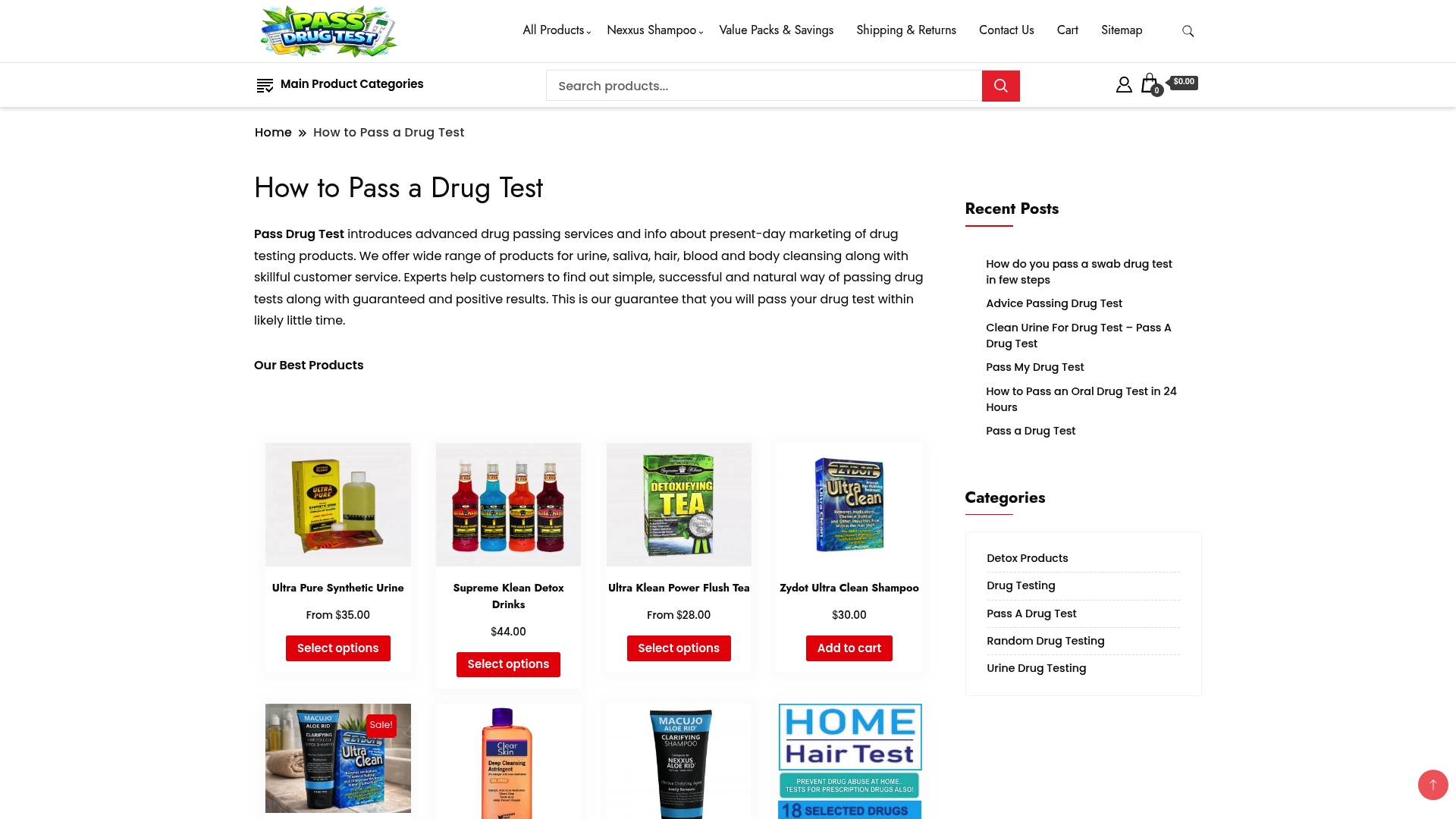
For hair testing specifically, our hair detox shampoo selection includes the Macujo Aloe Rid shampoo, which is the most trusted name in hair cleansing for THC users. For urine test scenarios, browse our clean urine solutions for reliable, current options. Take the time to understand your test type first, then choose the product that matches your actual situation.
Frequently asked questions
Can synthetic urine help pass a hair follicle drug test?
No. Synthetic urine is irrelevant for hair testing since a hair test requires a physical hair sample, not a urine sample. It only helps with urine-based drug screens.
Do any detox shampoos guarantee a pass on a hair drug test?
No detox shampoo can guarantee a negative result. Peer-reviewed support is lacking for these products, and labs are trained to identify hair samples that show signs of chemical tampering.
How long does THC stay detectable in hair compared to urine?
Hair tests detect THC for up to 90 days, while urine detection ranges from 3 to 30 or more days depending on frequency of use. The gap between these two windows is significant.
Does shaving my head prevent a hair drug test?
No. If scalp hair is unavailable, labs collect body hair from other areas of the body, so shaving your head does not prevent a positive result.