

Facing a hair follicle drug test as a THC user puts you in one of the most stressful situations imaginable. Unlike urine tests, which clear up within days or weeks, hair tests can expose 90 days of use with a single strand of hair. The stakes are real, whether it’s a new job offer, a custody matter, or a legal requirement. This guide walks you through exactly how labs detect THC in hair, what materials you need, how to execute the Macujo Method properly, and how to handle tricky edge cases so you can walk into that test as prepared as possible.
Table of Contents
- How hair follicle drug tests detect THC
- What you need: Materials and safety checklist
- Step-by-step: Applying the Macujo Method (and variants)
- Troubleshooting, edge cases, and what labs really look for
- Our take: The reality of hair detox and passing THC drug tests
- Shop proven detox solutions for THC hair tests
- Frequently asked questions
Key Takeaways
| Point | Details |
|---|---|
| Hair tests are highly sensitive | Hair follicle drug tests can detect THC use up to 90 days, requiring careful detox and preparation. |
| Macujo Method protocol | A multi-step approach and repeat cycles give the best chance for passing, especially when using products like Aloe Rid and Zydot. |
| Safety is critical | Always patch test detox products, use proper safety gear, and consult a doctor if you experience irritation. |
| Edge cases matter | Recent use, body hair, and cosmetic treatments all affect test outcomes—know what labs actually look for. |
| No method is foolproof | Expert opinion and research show that no detox method is guaranteed, but diligent preparation improves your odds. |
How hair follicle drug tests detect THC
Understanding what you’re up against is the first step toward beating it. Hair follicle tests don’t look for THC itself. They target THC-COOH, the primary metabolite your body produces after processing THC. When THC-COOH circulates in your bloodstream, it gets deposited into the hair shaft as hair grows. That metabolite stays locked inside the hair structure until it’s chemically extracted in a lab.
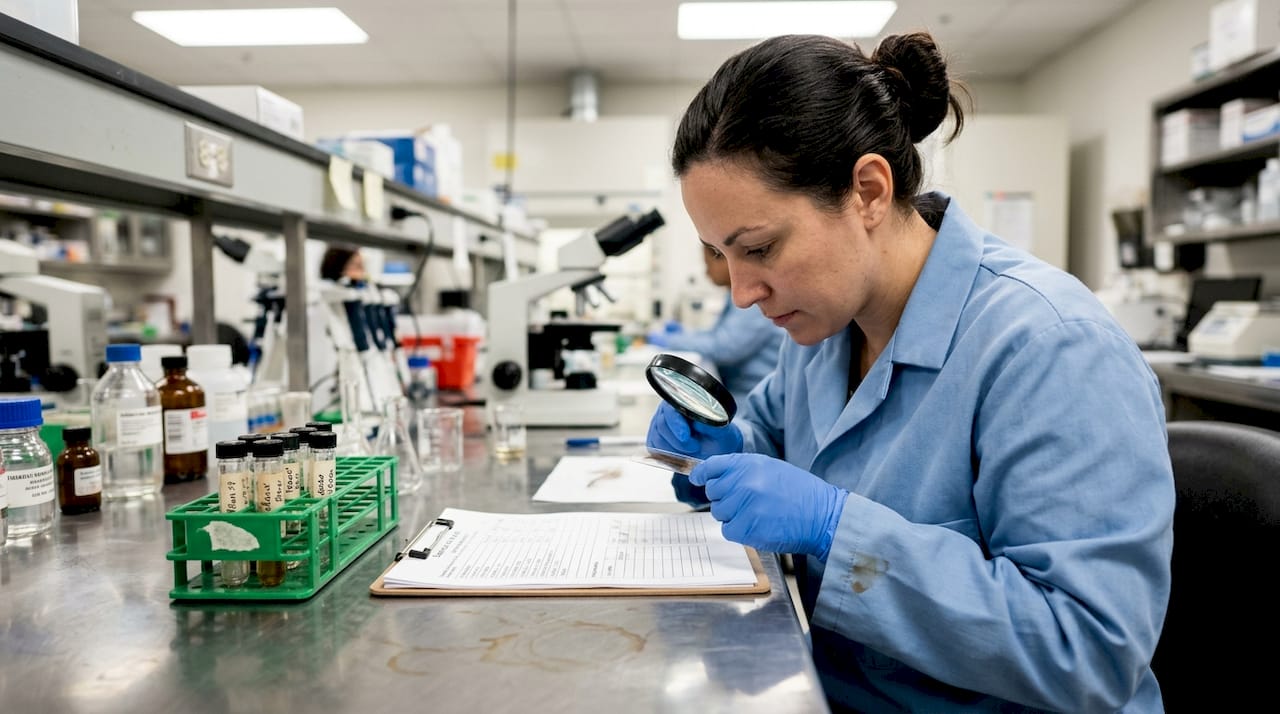
According to how to pass a hair follicle drug test, THC metabolites embedded in the hair shaft are typically analyzed using the 1.5 inches of hair closest to the scalp, which corresponds to roughly 90 days of growth. That means if you smoked regularly three months ago, it could still show up today.
The sensitivity of these tests is what makes them so formidable. Standard cutoffs in hair tests sit at approximately 1 pg/mg for screening and 0.1 to 0.3 pg/mg for confirmation, which is extraordinarily low. Even occasional users who think they’re safe often get caught out by this level of precision.
Here’s a quick summary of the key detection parameters:
| Parameter | Detail |
|---|---|
| Target compound | THC-COOH (metabolite) |
| Hair segment analyzed | 1.5 inches from scalp |
| Detection window | Up to 90 days |
| Screening cutoff | ~1 pg/mg |
| Confirmation cutoff | ~0.1 to 0.3 pg/mg |
| Body hair window | Can exceed 12 months |
A few important factors influence your personal risk level:
- Frequency of use. Daily users deposit far more metabolites into each strand than occasional users. THC levels in hair spike with consistent, heavy use and are harder to bring below cutoff thresholds.
- Hair growth rate. Scalp hair grows roughly 0.5 inches per month, which is why the 1.5-inch standard translates to 90 days. Slower growth means older use is captured in that same segment.
- Body hair. If you have little to no scalp hair, labs can collect body or facial hair. The drug test detection window for body hair is significantly longer, potentially capturing use from over a year ago because body hair grows much more slowly.
- Metabolism and body fat. THC is fat-soluble, so users with higher body fat may metabolize and clear THC-COOH more slowly, leading to greater deposition in hair.
Understanding this science matters because it directly shapes which preparation strategy you need and how many detox cycles are realistic for your situation.
What you need: Materials and safety checklist
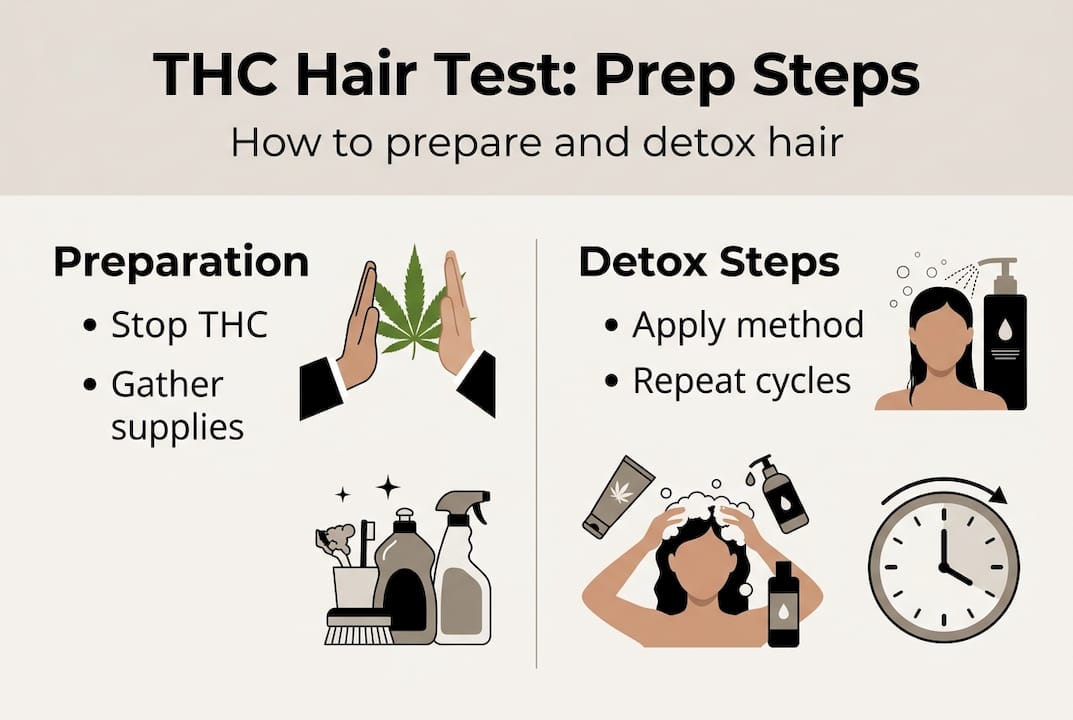
With test mechanics clear, you need the right tools and safety prep before starting any detox method. Gathering everything in advance prevents you from cutting corners mid-process, which is one of the most common mistakes people make.
Here’s what the full Macujo regimen requires:
| Product | Role in the process |
|---|---|
| Old Style Aloe Toxin Rid Shampoo | Deep cuticle cleansing, metabolite removal |
| Zydot Ultra Clean | Final-day surface and cortex cleanse |
| Clean & Clear Morning Burst | Salicylic acid astringent to open cuticles |
| White vinegar | Acid soak to break down buildup |
| Tide original liquid detergent | Surfactant to strip residues |
| Baking soda (Mike’s variant) | Alkaline paste for additional pH disruption |
| Latex gloves | Protect your hands from chemical exposure |
| Safety goggles | Protect eyes during application |
| Petroleum jelly | Protect the hairline and ears |
| Timer | Ensure accurate soak and massage times |
Safety preparation is just as critical as the products themselves. As cautioned by researchers, you should always patch test products on a small area of skin first, stop immediately if you experience burning, and consult a doctor if you have a history of skin conditions. These aren’t optional steps. The combination of acid, alkaline agents, and detergents is aggressive by design, and skipping safety precautions can cause scalp damage, chemical burns, or hair breakage that leaves you in worse shape before your test.
Safety warning: Never mix white vinegar and baking soda directly on your scalp at the same time. Use them in separate cycles to avoid rapid pH reactions that can irritate or burn sensitive skin. Follow each rinse step thoroughly before moving to the next agent.
For those preparing for workplace screening, check out our guide on hair detox for job applicants to understand how to time your regimen around notice periods and testing schedules. Also, if you’re sourcing the clear skin astringent used in the method, make sure you use the original Clean & Clear Morning Burst formula, as newer variations may not contain the same concentration of salicylic acid.
Pro Tip: Buy at least double the supplies you think you’ll need before you start. Running out of Old Style Aloe Toxin Rid on day four and scrambling to reorder could compromise your entire timeline. Stock up early and store everything in a cool, dry location.
Step-by-step: Applying the Macujo Method (and variants)
Once equipped, here’s how to execute the Macujo regimen for best results, plus key tweaks and safety reminders. This is where preparation turns into action.
The Macujo Method hair detox guide outlines the core process as follows:
- Stop using THC immediately. No new metabolites should enter your system while you detox. Every new exposure resets the clock.
- Wet your hair with warm water. Warm water helps open the cuticle slightly before the chemical agents go to work.
- Apply white vinegar. Saturate your hair and scalp thoroughly. The acid begins breaking down the outer cuticle layer and loosening embedded residues.
- Add Clean & Clear Morning Burst over the vinegar. Do not rinse the vinegar first. Let both sit together on your hair for 30 minutes, covered loosely with a shower cap. The salicylic acid in the astringent continues to open the cuticle.
- Rinse with warm water.
- Apply Old Style Aloe Toxin Rid Shampoo. Massage deeply into the scalp and hair shaft for a minimum of 10 to 15 minutes per application. This is not the time to rush. The shampoo’s advanced formula is specifically designed to reach and remove drug metabolites from inside the hair shaft.
- Apply Tide liquid detergent. Work a small amount through the hair for an additional few minutes to strip any remaining surface residues. Rinse thoroughly.
- Condition if needed to manage hair damage between cycles, but avoid heavy conditioning products that may re-seal the cuticle.
According to detailed protocol guidance, repeating this cycle 3 to 10 or more times over 5 to 10 days before your test is recommended, with heavier users requiring more cycles. On the actual test day, use Zydot Ultra Clean as your finishing wash for a final deep cleanse of the cortex and surface layers.
Mike’s Macujo variant adds a baking soda paste step after the vinegar and astringent soak. You apply the paste to the hair and scalp for an additional 5 to 10 minutes before the shampoo step. This creates an extra alkaline pH phase that further disrupts the cuticle. Mike’s variant claims over 90% anecdotal success for heavy THC users when executed correctly with enough cycles.
For the hair detox steps to truly work, the massage technique matters enormously. Use your fingertips, not nails, and work in circular motions from root to tip. Focus extra time on the 1.5-inch root zone since that is what labs analyze. Rushing the massage step is the number one mistake that reduces effectiveness.
Pro Tip: Schedule your first cycle immediately after stopping THC use, and try to complete at least 7 cycles for moderate use or 10 or more for heavy daily use. Always wear gloves and goggles during every single session, and apply petroleum jelly to your hairline and ears before applying the astringent and vinegar to protect surrounding skin.
Heavy users should also review additional passing hair drug test strategies to understand how cycle count affects success probability.
Troubleshooting, edge cases, and what labs really look for
Even well-executed protocols can run into unexpected issues. Here’s how to deal with them and what labs really screen for.
Some of the most common mistakes include:
- Continuing THC use during the detox window, which adds fresh metabolites to new growth.
- Using the wrong Clean & Clear formula that lacks salicylic acid.
- Not massaging Old Style Aloe Toxin Rid long enough per session (less than 10 minutes reduces effectiveness substantially).
- Skipping the Tide step, which is a critical surfactant layer that strips residues the shampoo alone can’t remove.
- Using conditioner or heavy styling products between cycles, which can reseal the cuticle and lock residues back in.
Regarding edge cases, recent evidence on detection windows confirms that use within 5 to 10 days before a test is typically undetectable in hair because metabolites haven’t fully incorporated into hair growth yet. However, don’t rely on this as a strategy since labs also screen for urine or saliva in some multi-panel situations.
Expert note: Bleaching or dyeing hair before a test can meaningfully reduce metabolite concentrations by damaging the hair shaft and degrading some of the stored THC-COOH. However, this approach does not eliminate metabolites entirely and should be combined with, not used instead of, a proper detox regimen.
Body hair is a significant edge case worth knowing about. If a collector determines your scalp hair is too short or unavailable, they can collect underarm, leg, chest, or facial hair. These hairs grow much more slowly and may contain metabolites from well beyond the 90-day scalp window. The Macujo Method can be adapted for body hair, but the anatomy of body hair follicles makes complete detoxification significantly harder.
Regarding secondhand smoke, this is a common concern that turns out to be largely unfounded. Secondhand smoke exposure is unlikely to produce a positive hair test result because hair is washed prior to lab analysis, removing most surface contamination. The real risk comes from metabolites deposited from within your bloodstream, not external contact.
Laboratories also test for tampering. They check the sample’s physical integrity, look for evidence of chemical adulteration, and may flag hair that appears severely damaged as inconsistent with normal hair health. This is why the Macujo Method’s effectiveness depends on doing multiple measured cycles rather than using one very aggressive treatment that destroys the hair structure. For a thorough breakdown of what passes scientific scrutiny, read our guide on lab hair testing myths.
Our take: The reality of hair detox and passing THC drug tests
We’ve reviewed hundreds of community reports and the available science behind hair detox methods. Our honest perspective is this: the Macujo Method and Mike’s variant are the most consistently effective preparation strategies available to THC users facing hair tests. But “most effective” does not mean “guaranteed.”
The mechanics of the method, which rely on pH disruption and surfactants to break open the cuticle and remove embedded residues, are genuinely sound. They can reduce metabolite concentrations significantly. But metabolites embedded deep in the hair cortex may remain below the surface even after multiple treatments, particularly for heavy daily users with high body-fat levels and slow metabolism.
The community-reported success rates are encouraging, especially for moderate users who complete seven or more cycles. But every person’s hair structure, usage history, and metabolic rate is different. Treating the Macujo Method as a guaranteed solution rather than a preparation strategy is where people get into trouble. Disciplined execution, adequate cycle count, full cessation of THC use, and proper product selection are what move the needle. Shortcuts do not. Explore the full range of hair drug testing strategies to find the combination that fits your specific situation and timeline.
Shop proven detox solutions for THC hair tests
If you’re ready to take action, using the right products is non-negotiable. Our store carries the complete lineup you need for a proper Macujo regimen, including the Old Style Aloe Toxin Rid Shampoo, the most trusted hair drug test shampoo available, alongside Zydot Ultra Clean for your test-day finish.
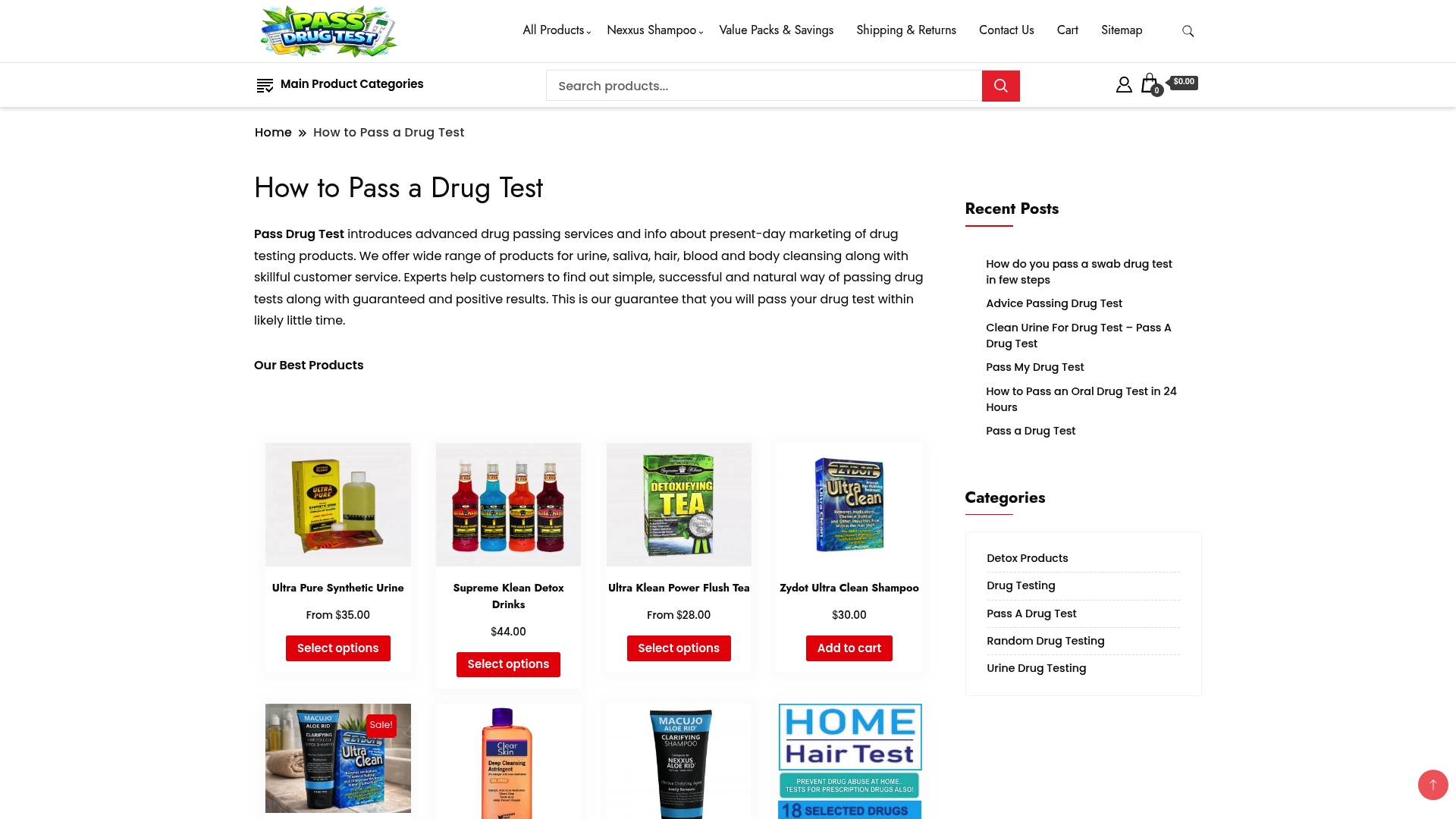
Browse our full selection of drug test detox products to get everything you need in one place. The Aloe Rid shampoo is our flagship product for good reason: it’s formulated specifically for breaking down drug metabolites in the hair shaft, making it the backbone of both the classic Macujo and Mike’s variant. Order with confidence and give yourself the best possible chance heading into your test.
Frequently asked questions
How long does THC remain detectable in hair?
THC is detectable for up to 90 days in the 1.5-inch scalp hair segment analyzed by labs. Body hair can hold detectable metabolites for significantly longer periods due to slower growth rates.
Is the Macujo Method safe for all users?
Safety varies by individual skin sensitivity, so you should always patch test first and stop immediately if burning occurs. Consult a healthcare provider before starting if you have any history of scalp or skin conditions.
Can secondhand smoke cause a positive hair drug test?
Secondhand smoke is very unlikely to cause a positive result because labs wash the hair sample before analysis, removing external surface deposits. The real concern is metabolites deposited internally through your bloodstream.
Does bleaching or dyeing hair help pass the test?
Bleaching or dyeing can reduce metabolite levels in the hair shaft but will not eliminate them entirely. It works best as a supplemental step alongside a full detox regimen, not as a standalone strategy.
Are home drug test kits reliable for hair?
Home kits are useful for benchmarking your progress but cannot replace certified lab analysis for employment or legal purposes. Use them as a rough gauge, not a definitive clearance.