
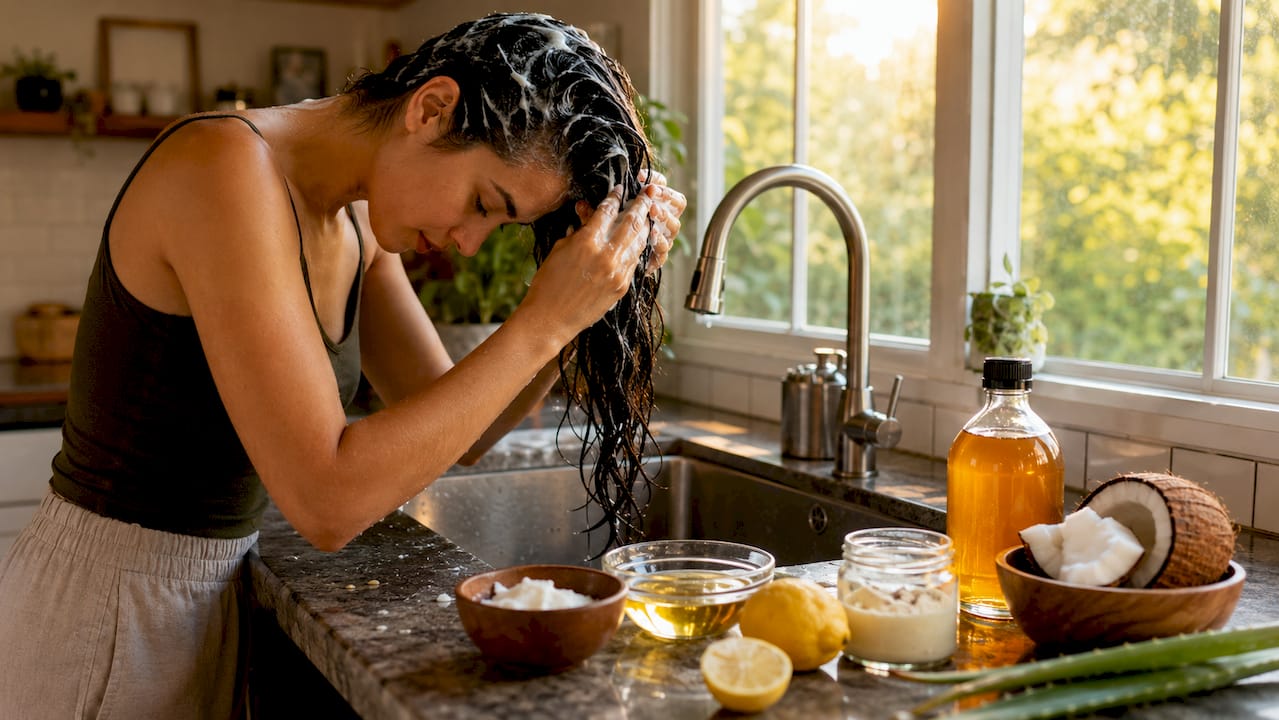

Detox shampoo is defined as a chemically formulated cleanser designed to penetrate the hair cortex and remove drug metabolites embedded in the hair shaft. When you are facing a hair follicle drug test, the choice between detox shampoo vs home remedies is not a matter of preference. It is a matter of chemistry. Products like Old Style Aloe Toxin Rid and Zydot Ultra Clean use penetrating agents that reach inside the hair structure. Vinegar, baking soda, and lemon juice do not. Understanding why that difference exists will help you make the right call before your test date.
How do detox shampoos remove drug metabolites vs home remedies?
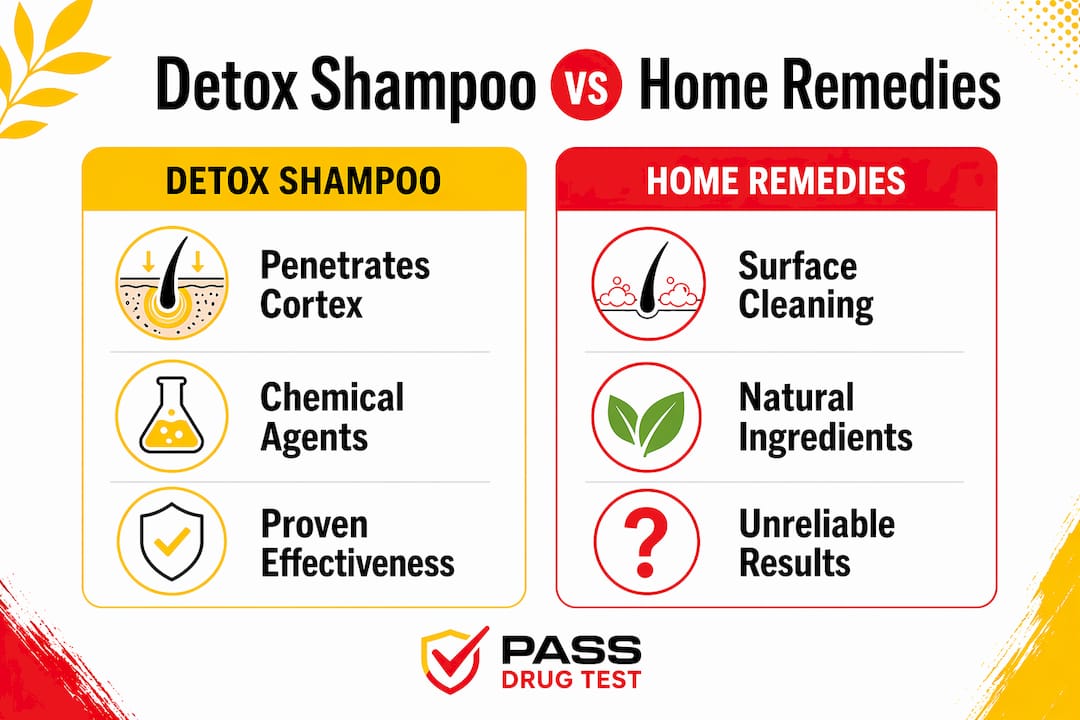
Professional-grade detox shampoos work because of specific chemical agents that home remedies simply do not contain. Penetrating agents like propylene glycol and chelating agents such as EDTA are the active ingredients that make the difference. Propylene glycol opens the hair cuticle, allowing the formula to reach the cortex. EDTA then binds to drug metabolites so they can be rinsed away.
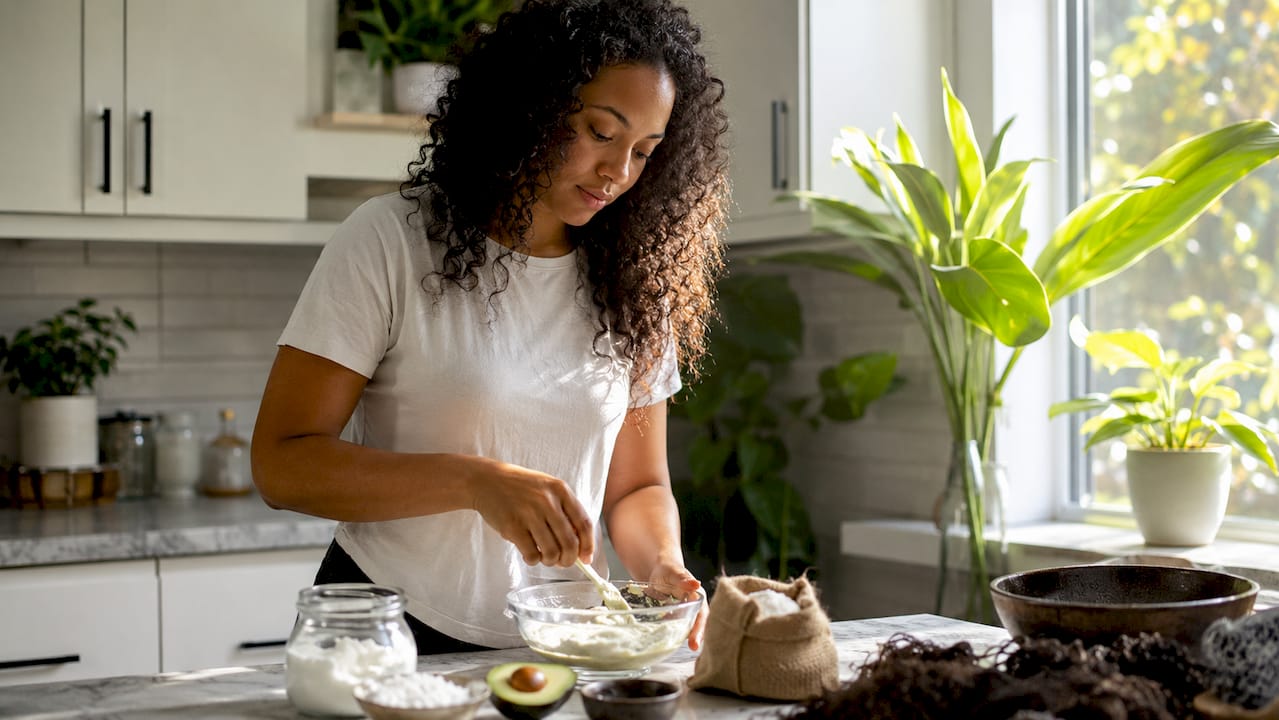
Home remedies for hair like apple cider vinegar, baking soda, and lemon juice operate only on the outer cuticle layer. Vinegar and baking soda act on the hair surface and lack the chemical capacity to reach the cortex where drug residues are actually stored. This is not a minor limitation. Drug metabolites from THC, cocaine, and opioids are embedded deep inside the hair shaft, not sitting on the surface.
The table below shows the key differences in ingredients and their effects:
| Factor | Detox Shampoo (e.g., Old Style Aloe Toxin Rid) | Home Remedies (Vinegar, Baking Soda) |
|---|---|---|
| Penetration depth | Reaches inner hair cortex | Surface of hair cuticle only |
| Active agents | Propylene glycol, EDTA, SLS | Acetic acid, sodium bicarbonate |
| Drug metabolite removal | Proven effective with multi-day use | No evidence of effectiveness |
| Hair damage risk | Low to moderate with proper use | High with repeated application |
| Recommended for drug tests | Yes | No |
Scientific consensus confirms that home remedies are surface-level cleansers only and consistently fail to remove drug traces for testing purposes. That consensus is not based on one study. It reflects the basic chemistry of how hair is structured and what it takes to access the cortex.
Pro Tip: If you see a DIY hair detox treatment online that claims to use kitchen ingredients, check whether it mentions propylene glycol or EDTA. If it does not, it cannot reach the cortex where metabolites live.
Detox shampoo vs clarifying shampoo: what is the difference?
Many people confuse detox shampoos with clarifying shampoos, and that confusion can cost you a test. Clarifying shampoos remove heavy product buildup, oils, hard water minerals, and silicone residue using stronger surfactants. Detox shampoos take a gentler approach, focusing on environmental impurities and scalp health rather than stripping everything away.
For hair drug test preparation, neither a standard clarifying shampoo nor a cosmetic detox shampoo is sufficient on its own. Quick Fix Synthetic experts note that cosmetic detox shampoos remove environmental pollutants but lack the aggressive multi-step action needed for drug testing. You need a product specifically formulated for metabolite removal, not just one that cleans well.
Here is a direct comparison to clarify the distinctions:
| Feature | Clarifying Shampoo | Detox Shampoo (Cosmetic) | Drug Test Detox Shampoo |
|---|---|---|---|
| Primary purpose | Remove buildup and oils | Environmental toxin removal | Drug metabolite removal |
| Surfactant strength | High | Moderate | High with penetrating agents |
| Effect on natural oils | Strips aggressively | Preserves more | Strips, requires conditioning |
| Frequency of use | Every 2–4 weeks | Weekly to monthly | Multi-day protocol |
| Effective for drug tests | No | No | Yes, with proper protocol |
Key points to keep in mind when choosing between these product types:
- Clarifying shampoos are useful for pre-treatment to remove product buildup before starting a detox protocol.
- Standard detox shampoos sold at drugstores are not formulated to remove drug metabolites.
- Only specialized products with cortex-penetrating chemistry are proven effective for hair follicle testing.
- Detox shampoos should be used no more than once every 2–4 weeks for general scalp health, but drug test protocols require more intensive short-term use followed by conditioning.
What are the real risks of relying on home remedies?
Relying on home remedies for a hair drug test does not just risk a failed test. It can also damage your hair and scalp before you even get there. Dermatologist Dr. Iris Rubin warns that improper chemical or home remedies can damage scalp and hair without removing drug metabolites effectively. Repeated application of acidic or alkaline household substances strips the hair’s protective layer and irritates the scalp.
Many online sources conflate hair health remedies with drug metabolite removal, which is misleading and causes ineffective detox attempts. A post claiming that rosemary oil or coconut oil will cleanse your hair for a drug test is not based on any credible chemistry. These ingredients benefit scalp health. They do not touch drug metabolites.
Common risks of DIY hair detox treatments include:
- Scalp burns and irritation from undiluted vinegar or baking soda paste applied repeatedly.
- Brittle, broken hair from over-stripping the cuticle without proper conditioning.
- False confidence leading to no backup plan before a test.
- Wasted time on a multi-day home remedy regimen that cannot work at the cortex level.
Pro Tip: If you have already tried a home remedy and your test is still days away, switch to a proven detox shampoo protocol immediately. Time spent on ineffective methods is time lost from a regimen that actually works.
Single-use or day-of washes are equally unreliable. Using only day-of-use detox shampoos or surface masking products provides a temporary layer but does not remove metabolites and increases the risk of test failure. The chemistry requires repeated exposure over multiple days to work through the cortex.
What does an effective detox shampoo protocol look like?
An effective protocol for passing a hair follicle drug test is built on repetition, the right products, and proper timing. Effective hair detox protocols involve a multi-day regimen with repetitive washing and a final cleanse on test day to remove embedded metabolites. A single wash, no matter how strong the product, is not enough.
Here is a practical step-by-step framework used by people preparing for hair drug tests in the U.S.:
- Start as early as possible. Begin your protocol at least 7–10 days before your test date. The more time you have, the more washes you can complete.
- Pre-treat with a clarifying shampoo. Use a clarifying shampoo on day one to strip product buildup and open the cuticle for deeper penetration in subsequent washes.
- Apply your specialized detox shampoo daily. Products like Old Style Aloe Toxin Rid, available through Passdrugtest, are designed for repeated use during this window. Follow the product instructions for lather time and rinse.
- Follow every wash with a conditioner. Conditioning after detox use is mandatory to restore moisture and prevent breakage from repeated oil stripping.
- Avoid recontamination. Do not use drugs during your detox window. Wash pillowcases, hats, and anything that contacts your hair regularly.
- Complete a final treatment on test day. Use Zydot Ultra Clean as your last wash before the test. This product is formulated as a final-stage purifier to address any remaining surface and near-cortex residue.
- Check the hair detox checklist before you leave. A structured checklist prevents last-minute mistakes that could compromise your preparation.
The Macujo Method follows this same multi-day logic and adds additional steps using specific products in sequence. You can review the full Macujo protocol for a detailed breakdown of each step and product combination.
Key takeaways
Specialized detox shampoos with cortex-penetrating agents like propylene glycol and EDTA are the only proven method for removing drug metabolites from hair before a follicle drug test.
| Point | Details |
|---|---|
| Home remedies fail at the cortex | Vinegar and baking soda clean the surface only and cannot remove embedded drug metabolites. |
| Chemical agents are required | Effective detox shampoos contain propylene glycol and EDTA to reach and bind metabolites inside the hair shaft. |
| Multi-day protocols are non-negotiable | Single or day-of washes do not remove metabolites; a 7–10 day regimen is the minimum effective approach. |
| Conditioning protects your hair | Every detox wash must be followed by conditioning to prevent dryness and breakage during the protocol. |
| Clarifying shampoos are not substitutes | Standard clarifying or cosmetic detox shampoos lack the chemistry needed for drug test preparation. |
Why i tell everyone to stop trusting kitchen cabinets for this
I have seen a lot of people come to Passdrugtest after spending a week on a baking soda and vinegar routine, convinced they had done everything right. They had not. They had cleaned the outside of their hair very thoroughly and done nothing about the metabolites locked inside the cortex.
The appeal of natural hair detox options is understandable. They feel safer, cheaper, and more in your control. But the hair follicle test does not care how natural your approach was. It detects what is inside the hair shaft, and no amount of apple cider vinegar changes what is in there.
What I have found actually works is a combination of the right chemistry, enough time, and consistency. Old Style Aloe Toxin Rid is not popular because of marketing. It is popular because it contains the agents that do the actual work. Zydot Ultra Clean earns its place as a final-day wash because it adds a second layer of action right before the test. These are not interchangeable with DIY hair detox treatments.
The other thing I want to be direct about: the timeline matters as much as the product. Starting a protocol two days before your test with the best shampoo on the market is still a weak position. Starting ten days out with a consistent daily regimen puts you in a genuinely strong position. If you are reading this and your test is soon, get started today. Every day counts.
— MIchael
Get the right products for your hair drug test prep
Passdrugtest carries the detox shampoos and treatment kits that are actually formulated for hair follicle drug test preparation, not just general hair care.
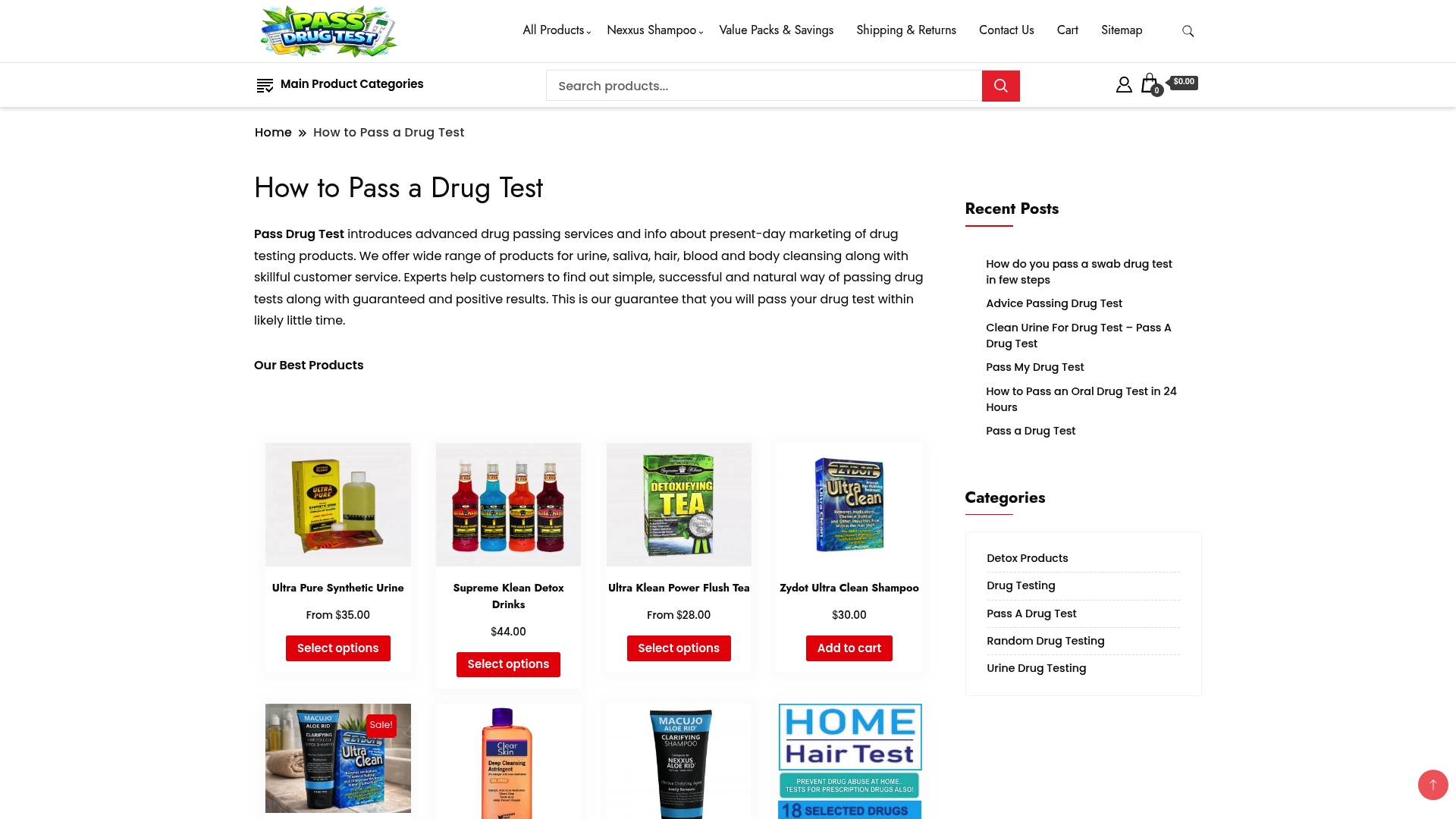
The flagship product is the Macujo Aloe Rid Shampoo, which contains the propylene glycol and penetrating agents required for a real cortex-level cleanse. For a complete final-day treatment, the Macujo Aloe Rid plus Zydot Ultra Clean bundle gives you both stages of the protocol in one order. You can browse the full range of hair drug testing products to find the right combination for your timeline and situation. Every product on the site is selected for proven effectiveness, not just general hair health.
FAQ
Can vinegar or baking soda remove drug metabolites from hair?
No. Vinegar and baking soda are surface-level cleansers that cannot penetrate the hair cortex where drug metabolites are stored, making them ineffective for passing a hair drug test.
How long does a detox shampoo protocol take to work?
An effective protocol requires at least 7–10 days of repeated washing with a specialized detox shampoo. Single-use or day-of treatments are not sufficient to remove embedded metabolites.
Is detox shampoo effective for all drug types?
Specialized detox shampoos formulated with propylene glycol and EDTA are designed to target a range of drug metabolites, including THC, opioids, and cocaine residues stored in the hair cortex.
What is the difference between a detox shampoo and a clarifying shampoo?
Clarifying shampoos remove surface buildup and oils using strong surfactants, while drug test detox shampoos use penetrating agents to reach and remove metabolites from inside the hair shaft.
Do i need to condition my hair after using a detox shampoo?
Yes. Detox shampoos strip natural oils during the cleansing process, so conditioning after every wash is required to maintain hair health throughout the protocol.