
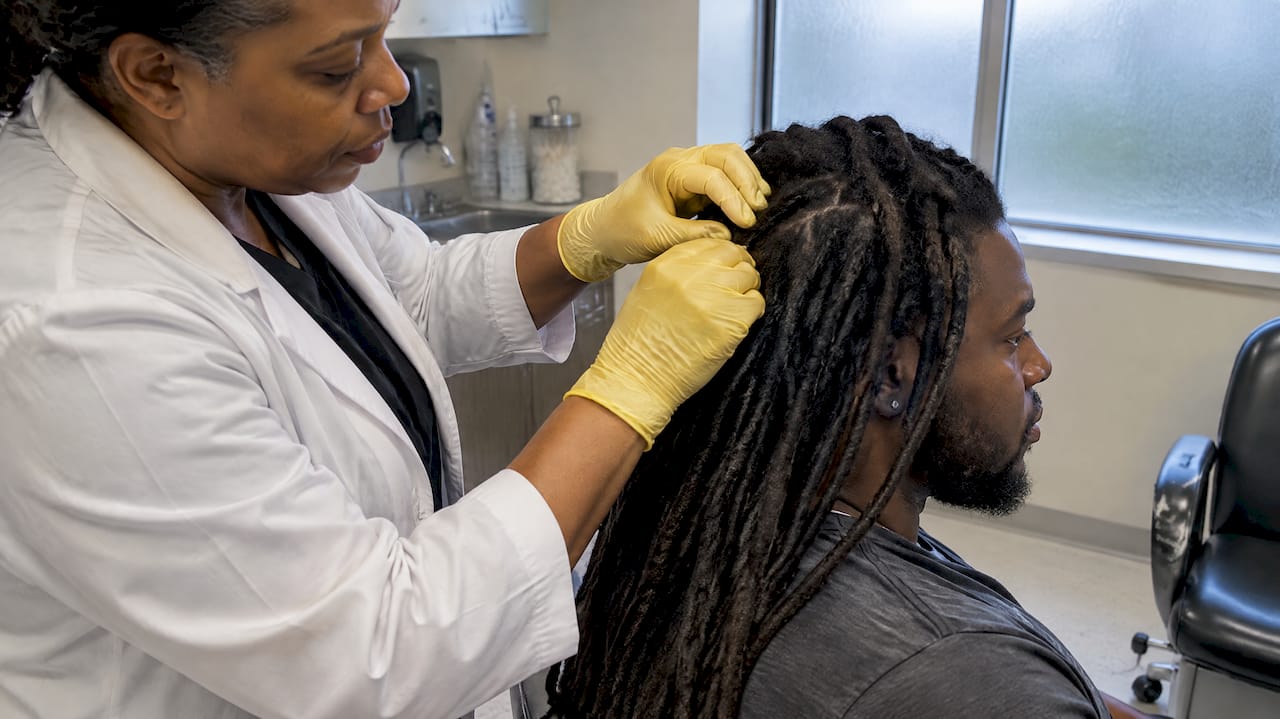

Dreadlocks do not block detection, and they do not make a hair follicle test harder to pass than any other hair type. What decides the outcome is the length of the segment a lab tests, how long ago you last used, and whether your hair has been chemically treated. If a test is coming up, the first move is confirming the test type and timeline, since that determines whether any preparation window even exists.
TL;DR:
- Hair length, last use timing, and chemical treatments influence drug test results more than dreadlock style itself.
- The standard testing window covers roughly the past 90 days, focusing on the proximal 3.9 centimeters of hair.
- Cosmetic treatments like bleaching can reduce detectable drug levels by up to 80 to 90 percent, but do not guarantee a clean result.
- DIY detox methods, including the Macujo technique, cannot reliably eliminate all drug traces across all hair types or classes.
- Proper sample collection near the scalp, accurate timeline disclosure, and waiting beyond the detection window are the most effective strategies.
Table of Contents
- How hair drug tests work: incorporation, growth, and confirmation
- Detection window and dreadlocks: estimating what gets tested
- Collection procedure and sample requirements for dreadlocks
- Factors that change results for dreadlocked hair
- What the evidence shows about detox shampoos, home treatments, and the Macujo method
- Practical preparation for a scheduled test: steps and risks
- What to expect at collection with dreadlocks
- Publisher perspective: what we sell and what we don’t know
- Where our Macujo Aloe Rid products fit into your plan
- FAQ
- Sources
How hair drug tests work: incorporation, growth, and confirmation
Once a substance enters the bloodstream, metabolites travel to the hair follicle and become trapped in the keratin as the strand forms. New hair needs about two weeks to grow long enough to reach the scalp surface and be collected, which is why a test taken the day after use will not show up in hair the way it can in blood or urine.
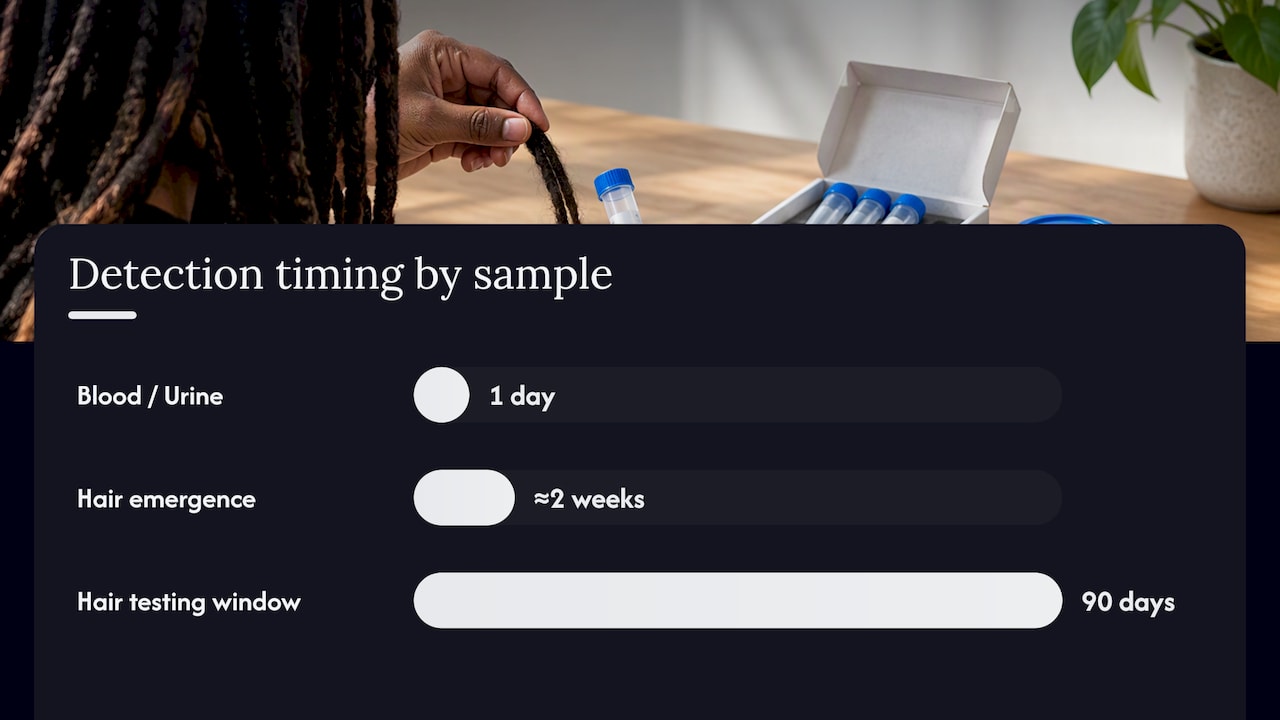
Standard practice tests the proximal 3.9 centimeters (about 1.5 inches) of scalp hair, representing roughly a 90-day window of use. Labs can also cut a single strand into one-centimeter sections for segmental analysis, mapping drug exposure month by month rather than averaging it across the whole sample.
Results move through two stages:
- An initial immunoassay screens for the presence of drug classes at a set cutoff.
- A positive screen triggers confirmatory testing using GC-MS or LC-MS/MS, methods sensitive enough to quantify trace amounts and distinguish specific compounds.
- Labs also check metabolite ratios against raw drug concentrations to separate systemic ingestion from surface contamination.
Labs prefer samples with the root end clearly marked because the growth-timeline math only works when the cut end representing the most recent hair is correctly identified. Get that alignment wrong and the whole 90-day window shifts, which is one reason collectors are trained to tie off the root end before cutting.
Detection window and dreadlocks: estimating what gets tested
Hair grows at roughly one centimeter per month, so you can estimate your own exposure window just by measuring. Four centimeters of new growth above the scalp represents about four months of history; a dreadlock with two inches of undyed new growth is carrying roughly two months of record, regardless of how long the lock itself has existed.
- Measure the new growth from scalp to any visible color change, retwist line, or texture shift.
- Divide that length by one centimeter per month to estimate how many months are represented.
- Remember that labs generally only need the proximal 3.9 centimeters, so hair further down the dread rarely factors into the result.
- If locks are thick or matted, expect the collector to part the lock near the scalp rather than cut the entire rope.
- If a lock cannot be separated cleanly, some labs request additional strands from a different area of the scalp to reach the needed sample size.
Extensions, loc tips, and recent retwists complicate the picture because they mix hair of different ages and sometimes different origins into a single lock. If any portion of your hair is not your own growth, say so before collection and, where possible, bring documentation from a stylist describing when extensions were added or which sections were retwisted. That paperwork will not change a lab result, but it gives the collector a basis for noting which hair is natural when they select the sample.
Interlocking and crochet methods, which braid hair tightly against the scalp, can make it harder for a collector to reach bare root sections cleanly. If your locks are interlocked close to the skin, ask the collector in advance whether they need you to separate a section yourself or whether they have a preferred technique for parting tight locks without damaging them.
Collection procedure and sample requirements for dreadlocks
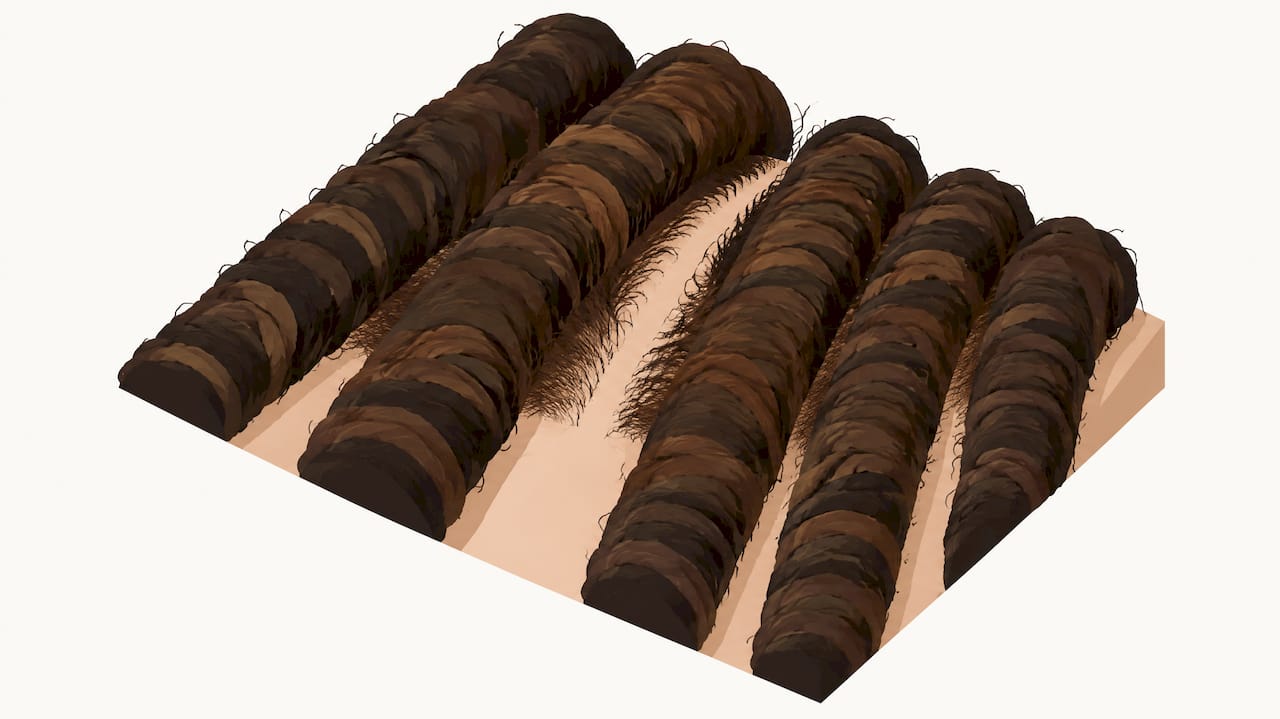
Collectors typically need about 100 to 120 strands, roughly the thickness of a standard pencil, cut as close to the scalp as the hair allows. With dreadlocks, that usually means separating a thin section of one or two locks near the crown rather than cutting across an entire mature rope.
- If head hair is too short or absent, collectors may substitute body hair, though body hair grows more slowly and unevenly, so the 90-day estimate becomes less precise.
- Samples are generally wrapped in aluminum foil rather than sealed in plastic, since foil protects the root alignment and avoids moisture buildup that can affect storage.
- The root end is identified and marked before cutting so the lab can orient the segment correctly during analysis.
- Collection is observed to preserve chain of custody, meaning a technician watches the cut but does not need to touch your scalp invasively.
If you have a medical or cultural concern about hair cutting, most programs allow you to raise it with the collector or your employer’s occupational health contact before the appointment. That conversation will not exempt you from testing, but it can clarify what alternatives, such as body hair collection, are actually available under the specific program’s rules.
Factors that change results for dreadlocked hair
Hair pigmentation has a documented effect on how much of certain drugs get bound into the strand. Peer-reviewed research notes that darker, more pigmented hair tends to bind higher concentrations of several drug classes than lighter hair does, a pattern tied to melanin content rather than hair texture itself. This has fueled scientific debate about fairness across different hair types, and it means two people with identical use patterns can show different concentrations purely because of pigmentation.
Cosmetic treatments change the picture further. Bleaching, repeated dyeing, and aggressive cleaning routines have been shown to lower measured drug concentrations, sometimes substantially.
One controlled study found aggressive bleaching and chemical treatments reduced certain drug analytes by up to 80 to 90 percent, though THC was less consistently reduced than stimulants like cocaine or amphetamines in the same experiments. That inconsistency matters: a treatment that nearly erases one drug class from a sample may barely touch another.
- External contamination, such as secondhand smoke exposure, is distinguished from actual use through metabolite-to-parent ratios like the BE/COC ratio used for cocaine analysis.
- Labs flag visibly treated hair and sometimes request a confirmatory urine test when bleaching or dye is suspected of altering results.
- Repeated harsh treatment damages the hair shaft itself, which can make segmental analysis less reliable even when it does lower analyte levels.
None of this means a quick dye job defeats a confirmatory lab process. It means the chemistry is variable enough that labs build in checks specifically because cosmetic manipulation is common.
What the evidence shows about detox shampoos, home treatments, and the Macujo method
Laboratory studies on commercially available cleaning products paint a mixed picture. One controlled study found certain shampoos and treatments reduced measured THC concentrations in hair, with mean reductions ranging from about 52 percent for one product to 65 percent for another, though outcomes varied by sample and were not universally reliable. A separate line of research on homemade and multi-step regimens found some aggressive combinations, including bleaching and baking-soda-based procedures, cut analyte levels by 70 to 90 percent in certain tests, while damaging the hair shaft in the process.
Pro Tip: Treat any percentage reduction reported in a study as a lab average, not a personal guarantee, since hair condition, drug history, and dose all shift the actual result.
Within that uncertainty, one approach shows up across user communities more than any other. The Macujo method, developed by Mike Macujo, is widely reported by people preparing for hair follicle tests as the most talked-about do-it-yourself detox strategy, and it typically centers on a sequence that includes Macujo Aloe Rid Shampoo applied in a specific order with other household and cosmetic ingredients. We present it here as a commonly reported approach, not as a scientifically verified guarantee: peer-reviewed research treats internet cleansing recipes as inconsistent, with effects that depend heavily on how aggressively and how recently they are applied.
A few points stand out from the available research:
- No published study found a home method that reliably produces a negative result across all drug classes and all hair types.
- THC has proven harder to reduce consistently than cocaine or amphetamine metabolites in several of the same experiments.
- Repeated aggressive washing and bleaching damage keratin structure, which can complicate segmental analysis even when it lowers concentrations.
- Confirmatory testing with GC-MS or LC-MS/MS is sensitive enough that residual analytes sometimes remain detectable even after heavy treatment.
The honest takeaway is that no DIY method, including the most popular one, is guaranteed to defeat a confirmatory lab process. Readers considering a commercial option can find more detail on how these products are formulated and applied through our review of detox shampoo and home remedy options.
Practical preparation for a scheduled test: steps and risks
The most reliable variable in any hair test is time. If your last use falls outside the segment a lab actually tests, that history will not show up, regardless of which products you use.
- If you have weeks of notice, stop use immediately and let new, unexposed hair grow past the roughly 90-day window labs typically check.
- For short-notice tests, focus on gentle, non-damaging hygiene rather than a last-minute aggressive chemical regimen that a lab can flag as unusual treatment.
- If you choose a commercial detox product, follow its instructions exactly and keep a simple record of when you used it, since timing affects how any treatment interacts with hair that is already growing out.
- If you have essentially no notice, consider disclosing relevant medical or prescription information to the collector, and ask whether an alternative specimen such as urine or oral fluid is permitted under your specific program.
Pro Tip: A documented timeline of when you stopped use and when you applied any product is more useful to you than the product itself if a result is ever questioned.
Repeated harsh bleaching or chemical stripping in the days before a test can visibly alter hair in ways a trained collector may note, and it does not guarantee a clean result. Readers weighing a product-based approach against a longer abstinence window can compare both paths in more detail through our guide to what actually works for hair detox. If a legal or employment consequence is riding on the outcome, a brief conversation with an occupational health advisor or employment attorney before the appointment is worth more than any shampoo.
What to expect at collection with dreadlocks
At the appointment, a trained collector separates a small section of hair, typically near the crown, ties off the root end, and cuts close to the scalp. With dreadlocks, this usually means parting a thin strand from within a lock rather than cutting the entire rope, and the collector may need to repeat the process if the first cut does not yield enough strands.
Questions worth asking before the cut happens:
- How much of the sample will represent recent growth versus older hair further down the lock.
- Whether an alternate collection site, such as body hair, is available if head hair proves difficult to access.
- How treated or recently colored sections will be noted in the paperwork.
If a result comes back unexpected, you can request details on the confirmatory method used, the chain-of-custody record, and contact information for the lab’s interpreting scientist. Bringing a stylist’s note describing extensions, retwists, or chemical services performed in the relevant window can help clarify which hair was tested, even though it cannot change a completed lab analysis.
Publisher perspective: what we sell and what we don’t know
We write this guide as Passdrugtest, a retailer of detox products including Macujo Aloe Rid Shampoo, detox drinks, and testing kits, so our commercial interest in this topic is direct rather than incidental. We believe that disclosure matters more than any single product claim.
The honest limitation across this entire field is variability: hair differs by person, drug history differs by case, and no peer-reviewed study we have cited found a method that works the same way for everyone. We’d rather you know that going in than oversell certainty we cannot back up.
— MIchael
Where our Macujo Aloe Rid products fit into your plan
If you decide a commercial product is part of your plan, we carry the Macujo Aloe Rid Shampoo, the same product most often referenced in Macujo method discussions, alongside full detox kits built around it.

We stock these products for people who want a documented, repeatable routine rather than an improvised one, and we are upfront that no shampoo guarantees a negative result once hair reaches a confirmatory lab. What we can offer is clear instructions, consistent formulation, and customer support available from 9 AM to midnight daily if you have questions about timing or application before your test. Review the full Macujo Aloe Rid Shampoo listing and detox kit options on our product and detox catalog to see what fits your timeline and hair condition.
FAQ
How to pass a hair follicle test in 2026?
No method guarantees passing a hair follicle test, since labs use sensitive confirmatory assays like GC-MS and LC-MS/MS that can detect trace analytes even after treatment. The most reliable factor remains time: stopping use long enough that your last exposure falls outside the roughly 90-day tested segment reduces the chance of detection more than any shampoo or home remedy.
Can you drug test hair?
Yes, hair drug testing is a standard, widely used method that detects drug metabolites incorporated into the hair shaft as it grows. It typically examines the proximal 3.9 centimeters of scalp hair, which represents roughly three months of history rather than a single use.
How many hairs do they take for a drug test?
Collectors generally need about 100 to 120 strands, roughly the thickness of a pencil, cut close to the scalp. With dreadlocks, this usually means separating a thin section from within one or two locks rather than cutting an entire mature rope.
How far back do hair follicle tests go?
Standard hair tests look back about 90 days by testing the proximal 1.5 inches (3.9 centimeters) of hair closest to the scalp. Hair further down the strand, including most of a mature dreadlock, generally falls outside that tested window unless a lab specifically requests segmental analysis further down the hair.
Sources
- Hair Drug Testing — LabCorp
- A review of bioanalytical techniques for evaluation of cannabis in human hair — PMC
- Hair analysis: Assessment of homemade hair treatment effects on drug concentrations in the keratin matrix — Wiley Online Library
- Analysis of Cocaine Analytes in Human Hair — NIJ/RTI report