

Bleach is defined as a chemical oxidant that degrades hair proteins and reduces detectable drug metabolite concentrations by 40–80%, but it does not eliminate them. The role of bleach in hair testing is frequently misunderstood. Many people believe one bleach treatment erases their drug history before a hair follicle test. The reality is more complicated. Drug metabolites, including THC-COOH, are embedded inside the keratin matrix of the hair shaft during growth. Bleach damages the outer structure but cannot fully extract what is locked inside. Understanding this distinction is the first step toward making smart, informed decisions about your test preparation.
How does bleach chemically affect hair and drug metabolites?
Bleach causes two primary types of damage to hair: protein carbonylation and lipid peroxidation. These processes break down the keratin structure that gives hair its strength and integrity. The result is hair that is more porous, more fragile, and physically weaker than untreated hair.
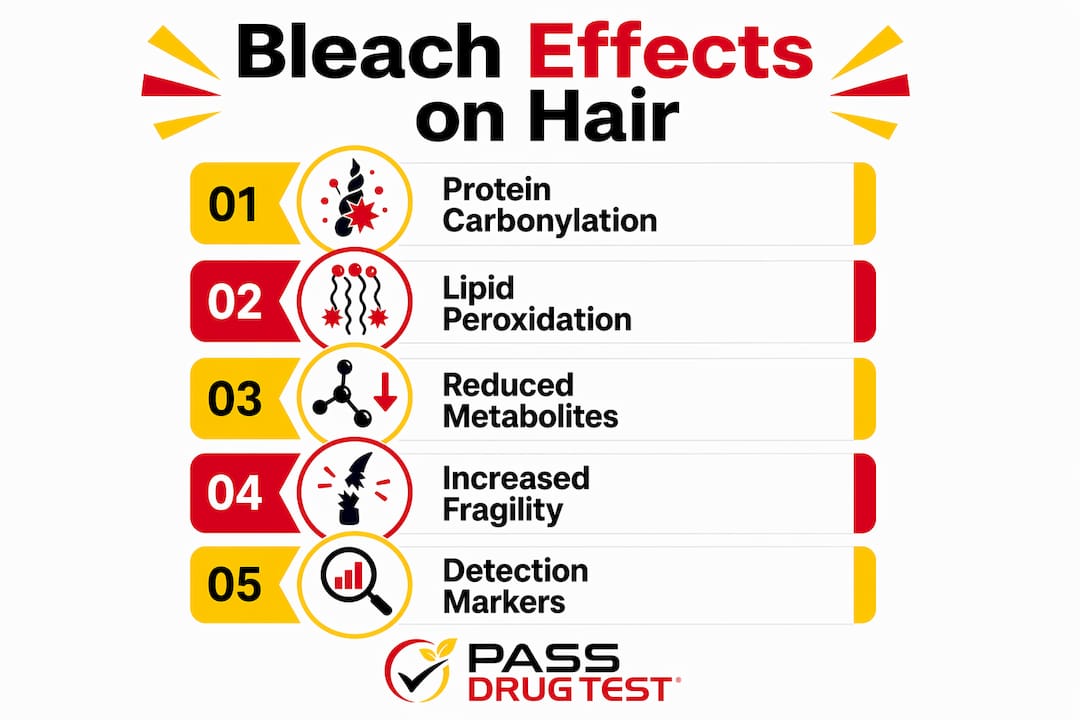
This structural damage does reduce drug metabolite concentrations. Bleaching reduces THC, THC-COOH, and cocaine levels measurably, with the strongest impact seen among all cosmetic coloring treatments. However, bleach also complicates test interpretation by increasing levels of benzoylecgonine (BZE), a cocaine metabolite, which can actually make detection more complex rather than simpler.
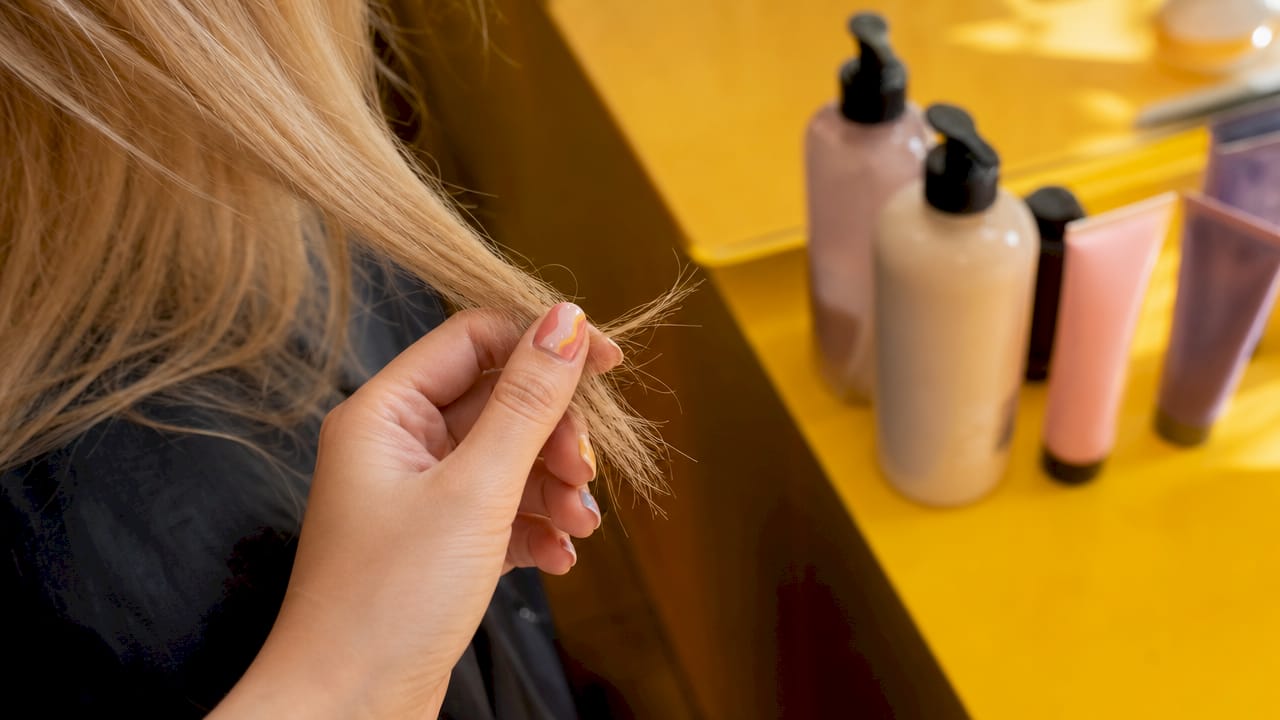
The physical changes are significant and measurable. Research shows bleach increases combing force by 46.6% due to oxidative stress, melanin degradation, and mechanical weakening. That level of damage is visible to trained lab technicians under microscopy. The hair shaft becomes a record not just of your drug use, but of your chemical treatment history as well.
Short-chain aldehydes produced by bleach-induced lipid peroxidation serve as measurable markers of oxidative hair damage. Labs can use these markers to confirm that a sample has been chemically treated. You cannot hide the bleach treatment itself.
Pro Tip: If your hair feels gummy when wet, breaks easily, or has lost its elasticity, those are signs of severe bleach damage. A lab technician will notice the same physical signs during sample processing.
Why bleaching does not reliably allow passing a hair drug test
Bleaching cannot guarantee a negative result for habitual users. Efficacy of bleach is insufficient for passing in people with regular drug consumption because the metabolite reduction, while real, rarely drops concentrations below established lab cutoff thresholds.
The standard cutoff for THC-COOH in hair testing is 1 picogram per milligram of hair. A habitual cannabis user may have concentrations many times above that threshold. Even an 80% reduction leaves enough residual metabolite to trigger a positive result. For infrequent users, the math may work differently, but the outcome is still unpredictable.
Several factors determine whether bleaching changes your test result:
- Frequency of use. Daily or near-daily users carry far higher baseline metabolite concentrations. A 40–80% reduction still leaves detectable levels.
- Number of bleach applications. Multiple treatments increase damage and may reduce concentrations further, but they also increase the chance of sample rejection.
- Time since last use. Hair grows approximately 1 centimeter per month. Recent use is embedded in the newest growth closest to the scalp.
- Specific drug tested. Bleach has the strongest impact on cannabinoid and cocaine metabolites, but the reduction is still not reliable enough to guarantee a negative.
- Lab detection limits. Laboratories adjust their cutoffs and protocols based on sample condition, including visible chemical damage.
Multiple bleaching attempts create a compounding problem. Each treatment increases hair fragility and raises red flags for lab technicians. Severely damaged samples can be flagged for retesting or rejected entirely, which does not help your situation. The chemical effect of bleach on drug metabolites is real. The practical outcome for passing a test is not reliable.
How do laboratories detect and handle bleached hair samples?
Labs do not simply test raw hair. They follow a structured process designed to separate external contamination from internal drug incorporation. Here is how that process works:
- Sample washing. Labs wash hair samples thoroughly before analysis to remove oils, sweat, and any surface contaminants. Drug markers inside the hair shaft remain unaffected by this washing step because they are embedded in the keratin matrix, not sitting on the surface.
- Visual and microscopic inspection. Technicians examine samples for signs of chemical processing. Bleached hair shows distinct structural changes, including increased porosity and altered pigmentation, that are visible under a microscope.
- Adjusted detection protocols. Labs compensate for cosmetic processing by applying standardized washing and interpretation protocols. These are designed to minimize false negatives caused by metabolite reduction from chemical treatments.
- Sample integrity assessment. Severely damaged hair triggers retesting requests. If a sample is too degraded to produce a reliable result, the lab may request a new sample or flag the result for review.
- Quantitative analysis. Labs use enzyme-linked immunosorbent assay (ELISA) for initial screening and gas chromatography-mass spectrometry (GC-MS) or liquid chromatography-mass spectrometry (LC-MS) for confirmation. These methods detect metabolites at very low concentrations, even in damaged hair.
Experienced technicians flag chemically processed hair and apply adjusted protocols to reduce both false negatives and false positives. The system is built to account for exactly the kind of interference bleaching creates.
Pro Tip: Labs look for consistency between hair color, texture, and metabolite concentration. If your hair is heavily bleached but metabolite levels are still elevated, that inconsistency itself becomes a data point for the technician.
Common misconceptions about bleach and practical alternatives
The most persistent myth is that one bleach treatment erases your drug history. It does not. Hair dye and bleach reduce drug metabolite presence but the drugs remain embedded and detectable in the hair shaft. The reduction is measurable, but it is not erasure.
Here is a direct comparison of common bleach myths versus the actual facts:
| Myth | Fact |
|---|---|
| One bleach treatment clears all drug history | Bleach reduces metabolites by 40–80% but does not eliminate them |
| Bleached hair cannot be tested accurately | Labs adjust protocols specifically for chemically treated samples |
| Multiple bleach sessions guarantee a negative result | Multiple sessions increase damage and risk sample rejection |
| Regular shampoos work as well as bleach | Superficial shampoos do not penetrate the hair shaft to remove embedded metabolites |
| Bleach affects all drugs equally | Bleach impacts cannabinoids and cocaine most strongly, with inconsistent effects on other substances |
The hair detox for THC requires a more thorough approach than surface-level chemical treatment. The Macujo method, developed by Mike Macujo, is widely recognized as the most effective method to pass a hair follicle drug test. It combines multiple agents, including a salicylic acid-based shampoo, vinegar, and the Macujo Aloe Rid Shampoo, to open the hair cuticle and flush metabolites from the cortex. This multi-step process targets the interior of the hair shaft rather than just the surface.
Timing also matters. The hair drug test detection window is typically 90 days. Stopping drug use as early as possible before your test date reduces the concentration of new metabolites entering the hair shaft. Combining abstinence with a proven detox protocol gives you the best realistic chance of a clean result.
Key Takeaways
Bleach reduces drug metabolite concentrations in hair by 40–80% but cannot eliminate embedded markers, making it an unreliable standalone method for passing a hair follicle drug test.
| Point | Details |
|---|---|
| Bleach reduces, not removes | Metabolite concentrations drop 40–80% but rarely fall below lab cutoff thresholds for habitual users. |
| Labs detect bleached samples | Technicians use microscopy and adjusted protocols to identify and account for chemically treated hair. |
| Habitual users face higher risk | Higher baseline concentrations mean even an 80% reduction leaves detectable metabolite levels. |
| Multiple bleach sessions backfire | Repeated treatments increase hair damage and raise the chance of sample rejection or retesting. |
| Proven methods outperform bleach | The Macujo method targets the hair shaft interior and delivers more reliable results than bleach alone. |
Why I stopped recommending bleach as a test prep strategy
I have spent years reviewing the forensic science behind hair drug testing, and the bleach question comes up constantly. People want it to work because it is cheap, fast, and available at any drugstore. I understand that. But the data is clear, and I have seen too many people rely on bleach and walk into a test unprepared.
The part that surprises most people is not that bleach fails. It is that bleach can actually make your situation worse. When a lab technician sees severely damaged hair, that is a signal. It does not automatically mean a positive result, but it does mean your sample gets extra scrutiny. You have essentially told the lab that you tried to alter your hair. That is not a position you want to be in.
What I have found actually works is combining abstinence with a method that targets the interior of the hair shaft. The Macujo method does this. Bleach does not. The difference is not subtle. One approach works on the surface. The other works where the metabolites actually live.
My honest advice: stop treating bleach as a detox strategy and start treating it as what it is, a cosmetic product with limited and unpredictable effects on drug metabolites. If you are serious about passing, use a proven hair detox approach that is backed by real-world results and forensic understanding.
— MIchael
Passdrugtest has the products you need for real test prep
If you are preparing for a hair follicle drug test, bleach is not your answer. Passdrugtest carries the products that are actually designed for this situation, including the Macujo Aloe Rid Shampoo, which is the cornerstone of the Macujo method and the most trusted detox shampoo for hair follicle testing.
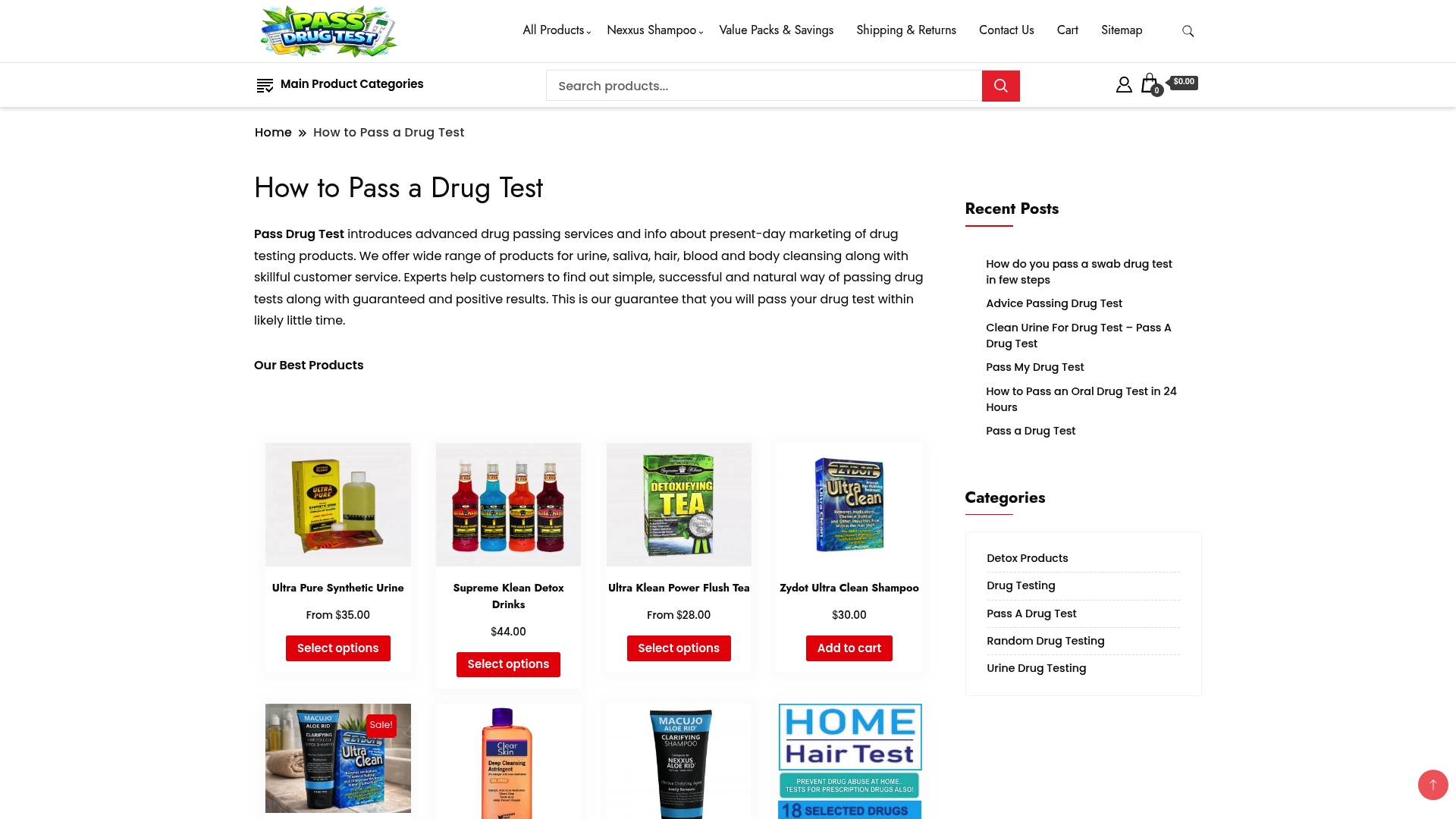
The full range of drug test detox products at Passdrugtest includes whole body cleansing options, combination kits, and single-use shampoos for every preparation timeline. Whether your test is days away or weeks out, there is a protocol that fits your situation. Passdrugtest also offers whole body cleansing programs for people who want to address THC from every angle, not just hair. Every product is chosen for proven effectiveness, not marketing claims.
FAQ
Does bleach remove THC from hair completely?
Bleach reduces THC-COOH concentrations by 40–80% but does not remove the metabolite completely. Habitual users typically retain enough residual metabolite to test positive even after bleaching.
Can labs tell if hair has been bleached before testing?
Yes. Lab technicians identify bleached hair through microscopic inspection and physical markers like increased porosity and altered pigmentation. Labs adjust their protocols specifically for chemically treated samples to maintain accuracy.
How does bleach affect hair follicle testing for THC specifically?
Bleach has the strongest impact on cannabinoid metabolites among all cosmetic treatments, but the reduction is still insufficient to guarantee a negative result for regular cannabis users. The metabolites remain embedded in the keratin matrix regardless of surface treatment.
What is more effective than bleach for passing a hair drug test?
The Macujo method is widely recognized as the most effective approach for passing a hair follicle drug test. It uses multiple agents to open the hair cuticle and flush metabolites from the cortex, targeting the interior of the shaft where drug markers are stored.
Does washing hair with regular shampoo help before a drug test?
Regular shampoos do not penetrate the hair shaft and have no meaningful effect on embedded drug metabolites. Superficial cosmetic treatments cannot reach the keratin matrix where THC-COOH and other markers are stored.