


Sebum is a natural oily substance produced by the scalp’s sebaceous glands that protects hair, retains moisture, and maintains scalp balance. Understanding the role of sebum in hair detox matters more than most people realize, especially if you are preparing for a hair follicle drug test. Sebum is not just grease. It is a complex lipid film that shields your hair from environmental damage, regulates scalp pH, and directly affects how well any detox method penetrates the hair shaft. Passdrugtest has seen firsthand how ignoring sebum science leads to failed detox attempts.
How sebum benefits hair health and scalp balance
Sebum is the scalp’s built-in conditioning system. Adults produce between 650 and 700 mg of sebum daily across the scalp surface. That volume keeps hair flexible, hydrated, and resistant to breakage.
The benefits of sebum for hair go well beyond moisture. Sebum contains free fatty acids, including oleic and palmitoleic acids, that maintain a slightly acidic scalp pH and actively inhibit pathogenic bacteria. A balanced scalp pH sits around 4.5 to 5.5, which keeps harmful microbes in check without disrupting the natural microbiome.
Sebum also protects against UV radiation and environmental pollutants by forming a thin lipid barrier over the cuticle. This barrier reduces protein loss from the hair shaft and keeps the cuticle lying flat, which is what gives healthy hair its natural shine. Shine is actually a result of properly distributed sebum and aligned hair fibers, not excess oil.
- Sebum coats the cuticle and prevents moisture from escaping the hair shaft.
- Free fatty acids in sebum create an antimicrobial environment on the scalp.
- Sebum distribution along the hair length improves flexibility and reduces static.
- A healthy sebum film reduces friction between hair strands, limiting mechanical damage.
Pro Tip: Brush your hair from root to tip with a natural bristle brush daily. Brushing physically moves sebum from the scalp down the hair shaft, improving hydration and shine without any product.
What happens when sebum accumulates or oxidizes?

Sebum becomes a problem when it oxidizes or builds up faster than it is cleared. Oxidized sebum produces cytotoxic byproducts that stress and damage hair follicle cells. This is not a cosmetic issue. It is a biological one.
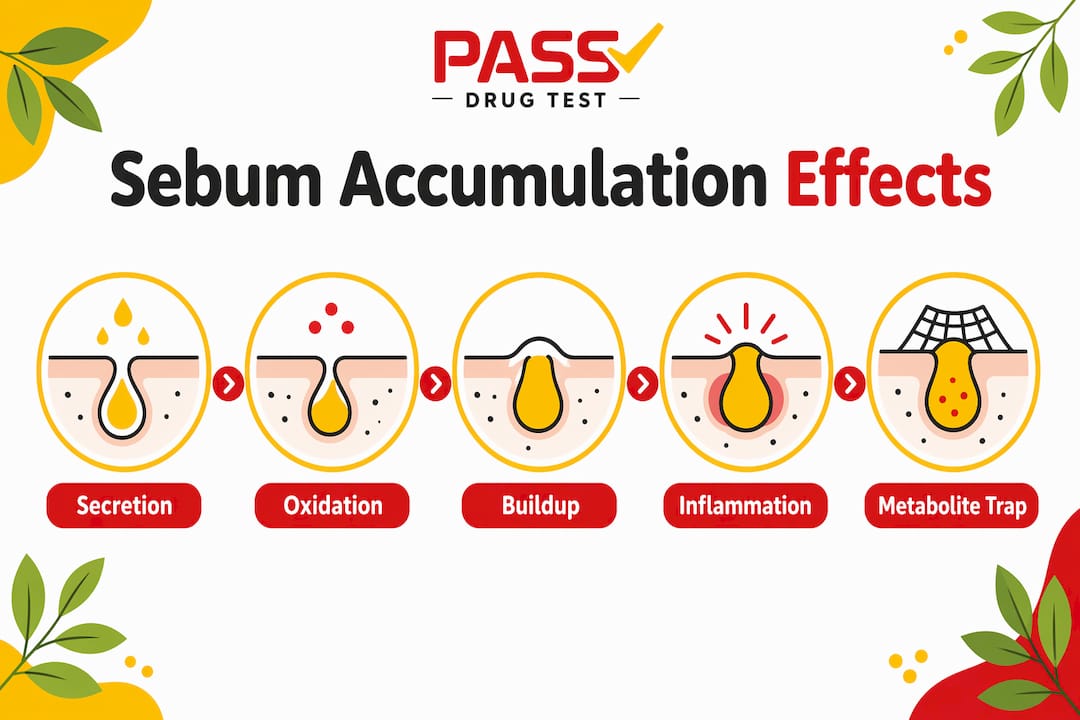
The specific mechanism involves squalene, a major component of sebum. When squalene oxidizes, it generates squalene oxide, which triggers hyperkeratosis inside the follicular canal. Hyperkeratosis means the follicle lining thickens abnormally, narrowing the canal and trapping debris, dead skin cells, and drug metabolites inside. The result is a hardened sebum matrix that standard shampoos cannot dissolve.
| Problem | Cause | Effect on hair |
|---|---|---|
| Oxidized sebum | UV exposure, pollution, delayed cleansing | Cytotoxic byproducts damage follicle cells |
| Hardened sebum matrix | Chronic buildup without oil-soluble cleansing | Follicular canal blockage, trapped debris |
| Reactive hyperseborrhea | Over-cleansing that strips the lipid barrier | Compensatory overproduction of sebum |
| Scalp inflammation | Blocked follicles and microbial imbalance | Hair thinning, disrupted growth cycles |
The inflammatory response triggered by blocked follicles compounds the damage. Chronic inflammation around the follicle disrupts the hair growth cycle, pushing more follicles into the resting phase prematurely. This is why sebum quality matters more than sebum quantity. A scalp producing moderate amounts of fresh, well-distributed sebum is far healthier than one producing less but allowing it to oxidize and harden.
Pro Tip: Avoid leaving dry shampoo or styling products on your scalp for more than 24 hours. These products accelerate sebum oxidation by trapping heat and pollutants against the scalp surface.
Effective methods for detoxifying hair by managing sebum buildup
Effective scalp detox targets oxidized and hardened sebum without stripping the scalp’s protective lipid layer entirely. The goal is selective removal, not total elimination.
Step-by-step sebum detox routine
- Apply a pre-shampoo oil treatment. Use jojoba or grapeseed oil and massage it into the scalp for 10 to 15 minutes before washing. These lightweight oils are chemically similar to sebum, which allows them to penetrate and soften hardened deposits without disrupting the scalp barrier.
- Use a salicylic acid scalp treatment. Salicylic acid at concentrations of 0.5 to 2% dissolves oxidized sebum that water-based shampoos cannot reach. It is oil-soluble, meaning it penetrates the follicular canal directly and breaks down the hardened sebum matrix from within.
- Exfoliate gently. Use a soft scalp brush or exfoliating scrub once per week to physically clear the follicular openings. Avoid aggressive scrubbing, which damages the scalp barrier and triggers reactive overproduction.
- Shampoo with a targeted formula. Follow the oil treatment and exfoliation with a clarifying or detox shampoo designed to lift loosened deposits. Rinse thoroughly with lukewarm water, not hot, since heat stimulates sebaceous gland activity.
- Condition mid-lengths and ends only. Applying conditioner to the scalp adds lipid load back to an area you just cleared. Keep conditioning products away from the roots.
Hair texture and length affect how sebum moves. Straight hair allows sebum to travel down the shaft quickly, while curly or coily hair slows that movement significantly. People with curly hair often have drier ends and more scalp buildup simultaneously, which means they need oil treatments more than they need frequent shampooing.
- Avoid sulfate-heavy shampoos used daily. They strip sebum too aggressively and trigger compensatory overproduction.
- Wash frequency should match your sebum production rate, not a fixed schedule.
- Scalp massages during washing increase circulation and help loosen deposits mechanically.
- Rinse with cool water at the end of each wash to close the cuticle and reduce sebum secretion post-wash.
How sebum management affects hair follicle drug test detox
Sebum plays a direct role in hair follicle drug test outcomes. Sebum can trap drug metabolites around the follicle, and removing oxidized sebum improves the effectiveness of any detox protocol. This is not a minor detail. It is the reason why generic shampoos fail where targeted detox methods succeed.
Drug metabolites like THC-COOH are lipophilic, meaning they bind to fatty substances. Sebum is a fatty substance. When sebum oxidizes and hardens inside the follicular canal, it creates a physical and chemical barrier that locks metabolites in place. Standard water-based shampoos cannot penetrate this barrier. That is why oil-soluble cleansing agents are a non-negotiable part of any serious hair follicle detox protocol.
Balancing sebum removal with scalp health also reduces the risk of triggering reactive hyperseborrhea during a detox period. If you over-strip the scalp in the days before a test, your sebaceous glands respond by producing more oil, which can redeposit metabolites back into the follicular environment. Controlled, targeted cleansing avoids this cycle.
- Clear oxidized sebum first using oil-soluble agents before applying a detox shampoo.
- Do not use aggressive clarifying shampoos daily in the week before a test.
- Combine scalp exfoliation with a proven detox formula for maximum follicle access.
- The Macujo method, developed by Mike Macujo, is widely recognized as the most effective strategy for passing a hair follicle drug test. It works precisely because it addresses sebum buildup, cuticle opening, and metabolite removal in a structured sequence.
- Follow any detox routine with a post-detox hair care plan to restore scalp balance and prevent rebound oiliness.
Key Takeaways
Sebum management is the foundation of effective hair detox because oxidized sebum traps drug metabolites and blocks the follicular access that detox products need to work.
| Point | Details |
|---|---|
| Sebum is protective, not just oily | Fresh sebum maintains scalp pH, hydration, and antimicrobial defense. |
| Oxidized sebum causes real damage | Cytotoxic byproducts from oxidized sebum stress follicle cells and block canals. |
| Oil-soluble agents are required | Salicylic acid at 0.5–2% dissolves hardened sebum that water-based shampoos cannot reach. |
| Over-cleansing backfires | Stripping the scalp triggers reactive overproduction, worsening buildup. |
| Sebum traps drug metabolites | Removing oxidized sebum is a critical step in any hair follicle drug test detox. |
Sebum is misunderstood, and that misunderstanding costs people
I have reviewed a lot of detox routines over the years, and the most common mistake is treating sebum as the enemy. People scrub their scalps raw, wash twice a day, and wonder why their hair gets oilier and their detox results stay inconsistent. The answer is always the same: they disrupted the sebum cycle instead of working with it.
The scalp is a self-regulating system. When you strip it aggressively, it compensates. When you work with its natural rhythm, targeted cleansing actually reaches the follicle. The detox products that work are the ones formulated to penetrate the sebum layer, not just sit on top of it.
My honest advice: start your detox routine by softening sebum buildup with a pre-shampoo oil treatment, then follow with a formula designed to reach the follicular canal. Do not skip the oil step because it feels counterintuitive. That step is what makes everything else work. Check the hair detox checklist at Passdrugtest if you want a structured plan that accounts for sebum at every stage.
— MIchael
Passdrugtest products designed for sebum-aware detox
Facing a hair follicle drug test is stressful, and the science of sebum shows why generic shampoos are not enough. You need products formulated to penetrate oxidized sebum, reach the follicular canal, and remove trapped metabolites without triggering rebound oiliness.
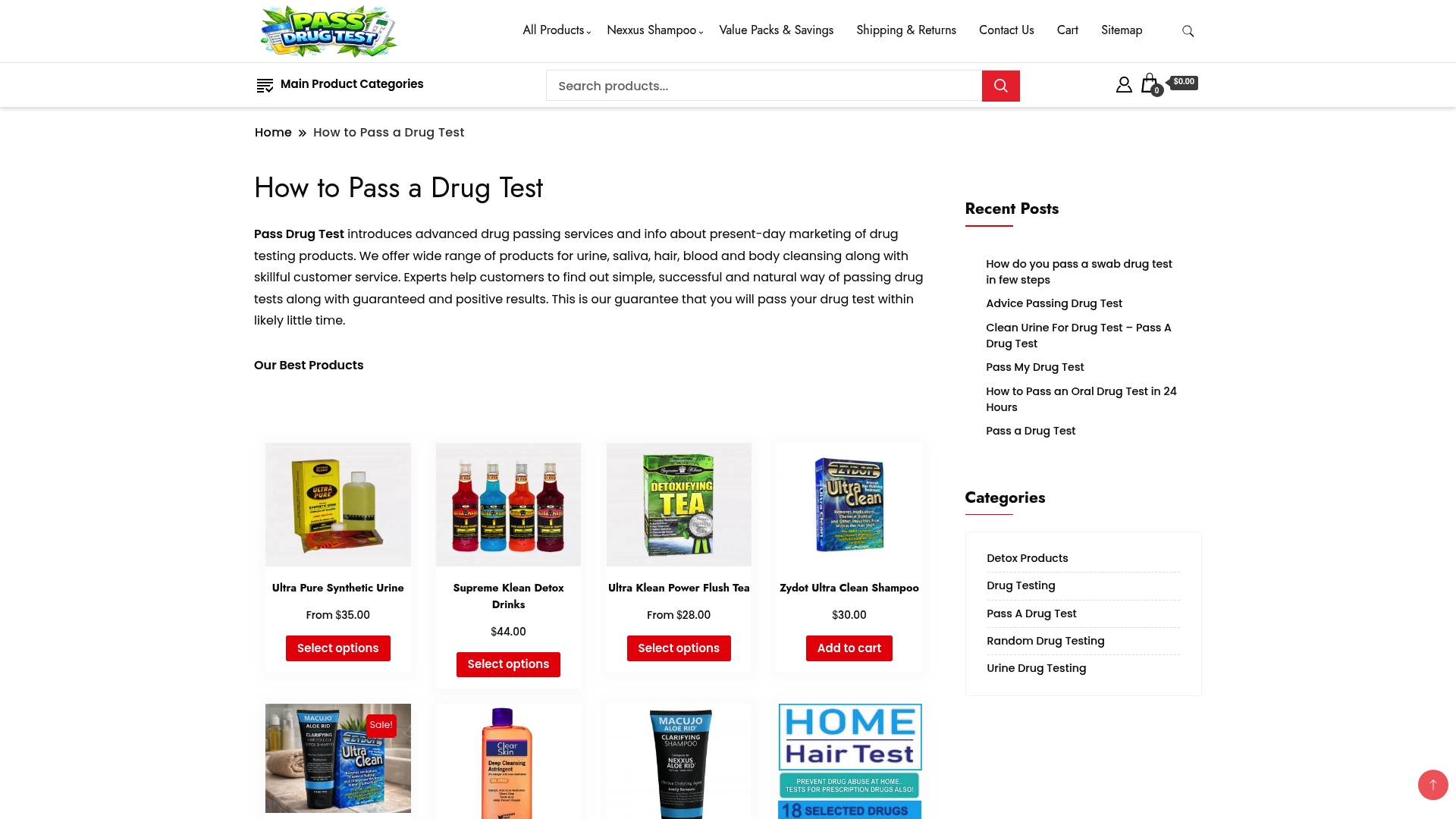
Passdrugtest carries the Macujo Aloe Rid Shampoo, the flagship product used in the Macujo method and proven to work where standard shampoos fail. For a complete protocol, the Macujo Aloe Rid plus Zydot Ultra Clean combination delivers a two-stage cleanse that addresses both deep follicular buildup and surface residue. Browse the full range of drug test detox products at Passdrugtest to find the right solution for your timeline and hair type.
FAQ
What is the role of sebum in hair detox?
Sebum acts as both a protective barrier and a potential trap for drug metabolites. Removing oxidized, hardened sebum is a critical step in any effective hair follicle detox protocol.
Does sebum cleanse hair naturally?
Sebum does not cleanse hair in the way shampoo does. It protects and moisturizes the hair shaft, but it does not remove drug metabolites or external pollutants on its own.
Can too much sebum affect a hair drug test result?
Yes. Excess or oxidized sebum traps lipophilic drug metabolites like THC-COOH inside the follicular canal, making them harder to remove and more likely to appear in a hair follicle drug test.
How does salicylic acid help with scalp sebum detox?
Salicylic acid at concentrations of 0.5 to 2% is oil-soluble, which allows it to penetrate the follicular canal and dissolve hardened sebum deposits that water-based shampoos cannot reach.
Will over-washing my scalp before a drug test help?
No. Aggressive daily washing strips the scalp’s lipid barrier and triggers reactive hyperseborrhea, causing the sebaceous glands to produce more oil and potentially redepositing metabolites into the follicular environment.