
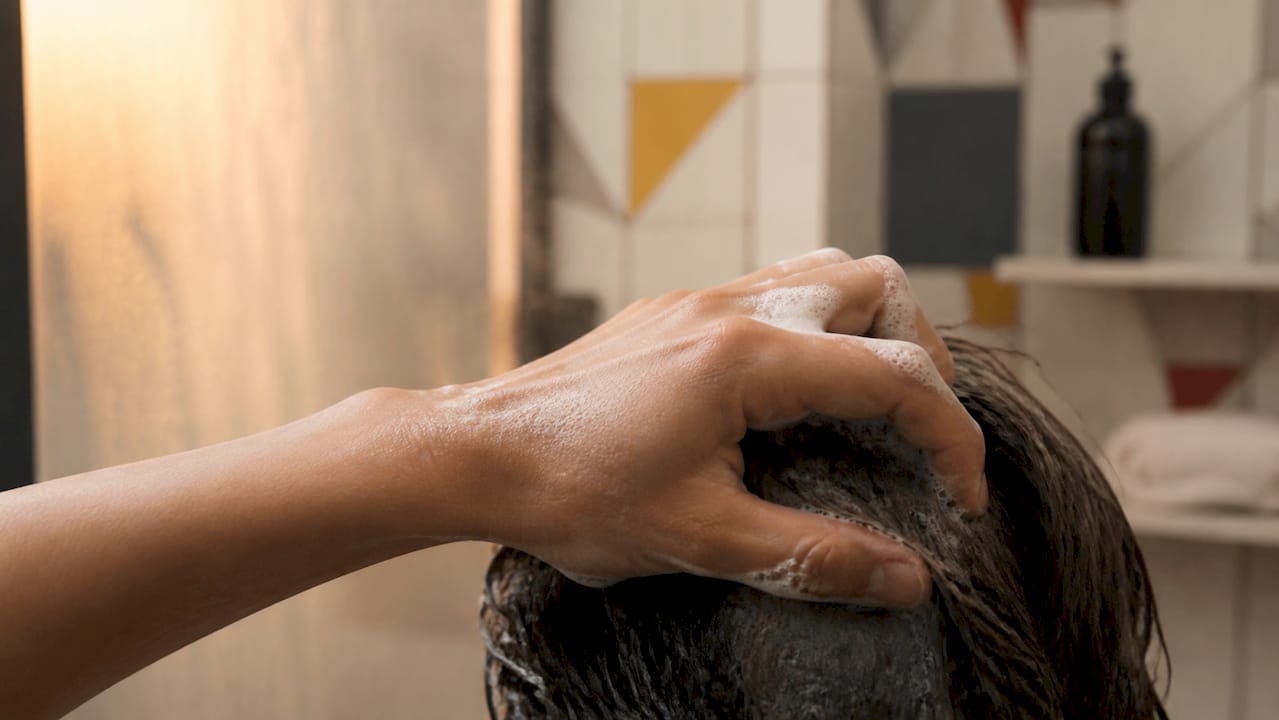

No proven safe method removes all traces of drugs from blood, urine, hair, or sweat within 24 hours. That is the honest starting point. The best way to clean out your system for a drug test is not a drink, a pill, or a home remedy. It is abstinence combined with enough time for your body to metabolize and excrete drug metabolites through its normal biological processes. Everything else is either a dilution strategy, a masking attempt, or a product that labs are specifically trained to detect.
Here is what the evidence actually supports:
- Abstinence + time is the only method consistently backed by toxicology research for producing a genuine negative result.
- Dilution strategies (detox drinks, water loading) can temporarily lower metabolite concentration but trigger specimen validity checks at the lab.
- Adulteration and substitution carry serious legal and employment consequences when detected, and labs run specific assays to catch them.
- Hair tests have a detection window of approximately 90 days and are the hardest to address with any method.
Minimum realistic windows before a urine test vary widely; casual cannabis users may clear metabolites in roughly a few days, while heavy daily users require significantly longer abstinence periods. Hair tests require approximately 90 days of abstinence for new growth to replace the tested segment.
Pro Tip: Extreme measures carry real health risks. Drinking excessive water to dilute urine can cause hyponatremia (dangerously low sodium), and high-dose niacin has been linked to liver injury. Neither is worth the risk.

Key Takeaways
Abstinence combined with adequate time is the only method consistently supported by toxicology research for producing a genuine negative drug test result.
| Point | Details |
|---|---|
| Time and abstinence are essential | No supplement or drink reliably clears metabolites faster than your body’s natural elimination process. |
| Detection windows vary widely | Urine tests detect cannabis for 3–several weeks; hair tests cover approximately 90 days regardless of method. |
| Labs detect tampering reliably | Specimen validity checks (creatinine, specific gravity, pH, temperature) flag dilution and adulteration before the drug panel runs. |
| Confirmatory testing is your right | A positive immunoassay screen can be challenged with GC-MS or LC-MS/MS confirmation through the MRO process. |
| Passdrugtest carries hair and urine products | The Macujo Aloe Rid Shampoo and home test kits are available for readers preparing for hair or urine tests. |
Table of Contents
- Which tests detect what: detection windows by drug and sample type
- Common methods people try to flush drugs from their system
- How labs detect cheating: specimen validity testing and confirmatory methods
- What the science actually says about drug elimination
- How to realistically prepare for a urine drug test
- Hair-follicle testing: what you need to know and how to approach it
- What to do if your test comes back invalid or positive
- An honest look at ethics, harm reduction, and realistic planning
- Passdrugtest carries the products most people are looking for
- Sources
Which tests detect what: detection windows by drug and sample type
Understanding drug testing methods and their detection windows is the foundation of any realistic preparation plan. Windows vary significantly by sample type, drug, and individual metabolism.
Sources: American Addiction Centers, MSD Manual, PMC clinical reviews.
Why do windows vary so much? Three factors drive most of the difference:
- Half-life: THC’s active metabolite, THC-COOH, has a half-life of 20+ hours in casual users and much longer in heavy users because it accumulates in fat tissue (lipophilicity). Methamphetamine, by contrast, is water-soluble and clears faster.
- Chronic vs. single use: A single cannabis session may clear urine in 3 days. Daily use for months can extend that window to 6 weeks or longer.
- Individual factors: Age, body fat percentage, hydration, liver function, kidney function, and genetics all affect how quickly your body processes and excretes metabolites.
Hair tests are in a category of their own. Metabolites are incorporated into the hair shaft as it grows, and standard collection covers approximately 1.5 inches of hair, representing roughly 90 days of growth. No amount of time-based planning shortens that window once the metabolites are already in the shaft.
Common methods people try to flush drugs from their system
People facing an upcoming test try a wide range of approaches. Here is what each one actually does, and where it falls short.
- Detox drinks: Commercial beverages marketed to flush drugs from your system. They work primarily through dilution, adding vitamin B2 or B12 to restore urine color, and sometimes creatine to partially offset low creatinine readings. Labs check all of these markers.
- Herbal detox pills: Products containing diuretics, herbs, or fiber blends. The mechanism is the same as detox drinks: increased urination temporarily lowers metabolite concentration. No herbal compound has been shown to accelerate the liver’s metabolic processing of drug metabolites.
- High-volume water loading: Drinking large amounts of water in the hours before a test to dilute urine. This can push metabolite concentrations below cutoff thresholds temporarily, but it also drops creatinine and specific gravity below normal ranges, flagging the sample as dilute.
- Creatine and vitamin B masking: Taking creatine supplements and B vitamins before a test to restore the markers that dilution disrupts. This is the “masking” layer added on top of water loading. Labs have adapted their cutoffs and panels accordingly.
- Synthetic urine: A premixed solution designed to mimic the chemical profile of real urine. Temperature, pH, creatinine, and uric acid must all fall within normal ranges. Supervised collections make this approach extremely difficult to execute.
- Substitution: Bringing a clean sample from another person. Same challenges as synthetic urine, plus the added legal risk of fraud in many jurisdictions.
- Chemical adulterants: Substances added directly to a urine sample (bleach, vinegar, commercial products) to destroy or mask metabolites. Labs run specific adulterant assays and detect these reliably.
- Hair-cleansing protocols: Multi-step wash routines using clarifying shampoos, astringents, and specialized detox shampoos designed to strip metabolites from the hair shaft. Evidence is largely anecdotal, but these are the most-discussed approaches for hair tests.
- Shaving: Removing all body hair to prevent collection. Labs will typically reschedule the test and note the evasion, which is often treated the same as a refusal.
For a deeper look at common detox methods and how they compare, Passdrugtest covers the full breakdown.
How labs detect cheating: specimen validity testing and confirmatory methods
Modern drug testing labs do not just screen for drugs. They screen the sample itself before the drug panel even runs. Understanding this process explains why so many “tricks” fail.
- Temperature check: Urine must arrive between 90°F and 100°F. Samples outside this range are immediately flagged as substituted or adulterated.
- Creatinine: Normal urine has typical ranges for creatinine, specific gravity, and pH; values outside expected ranges can indicate dilution or adulteration.
- Oxidant/bleach assays: Detect the presence of common adulterants like nitrites, chromates, and bleach.
- Surfactant screens: Catch soap or detergent added to the sample.
Specimen integrity checks combined with specialized adulterant assays allow labs to identify adulterated or diluted specimens before the drug panel is even analyzed. When a sample fails validity testing, the result is typically reported as “invalid” or “substituted.”
The consequences of an invalid specimen are serious. In most regulated workplace testing programs governed by Department of Transportation (DOT) guidelines, an adulterated or substituted specimen is treated the same as a verified positive result. The donor may be referred to a Medical Review Officer (MRO) and, in safety-sensitive positions, removed from duty. In legal or probationary settings, the consequences can be more severe.
When a sample does test positive on the initial immunoassay screen, confirmatory testing follows using gas chromatography-mass spectrometry (GC-MS) or liquid chromatography-tandem mass spectrometry (LC-MS/MS). These methods are highly specific and can distinguish between structurally similar compounds, ruling out false positives from cross-reactive foods or medications.
What the science actually says about drug elimination
Drug elimination is governed by ADME: absorption, distribution, metabolism, and excretion. Metabolic pathways and renal excretion determine how long metabolites remain detectable, and no supplement or drink changes these biological processes in any meaningful way.
Here is what the pharmacokinetics actually show:
- Phase I and Phase II liver metabolism convert drug molecules into water-soluble metabolites. This is primarily enzyme-driven (CYP450 system) and cannot be meaningfully accelerated by hydration, exercise, or supplements.
- Renal excretion clears water-soluble metabolites through urine. Increasing urine output speeds excretion slightly, but the rate-limiting step is hepatic metabolism, not kidney filtration.
- Lipophilic drugs (especially THC) accumulate in fat tissue and release slowly over time. Exercise can temporarily mobilize fat-stored metabolites back into circulation, which may actually raise urinary THC-COOH concentrations in the short term.
- Genetics affect CYP450 enzyme activity. Some people are fast metabolizers; others process certain drugs much more slowly.
Detox drinks and kits are unregulated, not substitutes for medical detox, and lack strong evidence for reliably passing standard drug tests. The NIH’s National Center for Complementary and Integrative Health states plainly that general detox regimens may support subjective wellbeing but are not evidence-based methods for accelerating elimination of forensic drug metabolites.
Two popular home remedies deserve specific warnings:
- High-dose niacin: Widely circulated as a way to speed THC clearance. Niacin at high doses has no proven effect on drug clearance and can cause serious side effects including liver injury, flushing, and gastrointestinal damage.
- Extreme water loading: Drinking several liters of water in a short window can cause hyponatremia, a dangerous drop in blood sodium that can lead to seizures or death in severe cases.
The MSD Manual’s drug testing guidance confirms that most OTC detox drinks work through temporary urine dilution plus vitamin B dyes, and that labs check creatinine and specific gravity specifically to detect this approach.
How to realistically prepare for a urine drug test
The most effective preparation plan for a urine test is built around abstinence and time. Here is a practical, time-based approach.
- Stop using immediately. Every additional day of use extends your detection window. For cannabis, even a single use after a period of abstinence can reset the clock.
- Check your medications and diet. Certain prescription drugs (some antihistamines, quinolones, and NSAIDs) can cross-react on immunoassay screens. Poppy seeds can produce opiate readings. Hemp-derived CBD products may contain trace THC. Inform your clinician or MRO in advance if you take any of these.
- Hydrate consistently, not excessively. Drink normal amounts of water throughout the day. Consistent hydration supports kidney function without triggering dilution flags.
- Weeks out: consider a home immunoassay test. OTC urine drug test strips (available at most pharmacies) use the same immunoassay technology as initial lab screens. Testing yourself at home gives you a realistic read on where you stand. These tests have cutoff thresholds and do not confirm by GC-MS, so a faint line is still a negative on the immunoassay, but treat it as a borderline result.
- Days before: avoid unfamiliar supplements. Some herbal products contain compounds that cross-react on drug panels. Stick to what you know.
- Hours before: do not over-hydrate. A creatinine reading below 20 mg/dL will flag your sample as dilute and likely trigger a supervised retest. Drink a normal amount of water, not a gallon.
- If you are dependent, see a clinician. Abrupt cessation of certain substances (alcohol, benzodiazepines, opioids) can be medically dangerous. A clinician can supervise a safe taper and, if relevant, document a legitimate prescription.
Pro Tip: If you receive a dilute result and are asked to retest under supervision, do not attempt to re-dilute. A second dilute result in a supervised setting is typically treated as a refusal in DOT-regulated programs.
For lifestyle changes that support detox during your abstinence period, Passdrugtest has a practical guide covering hydration, sleep, and nutrition.
Hair-follicle testing: what you need to know and how to approach it
Hair tests have the longest detection window of any standard drug test, approximately 90 days, and they are the hardest to address reliably. Understanding why helps you plan honestly.
When you use a drug, metabolites circulate in the bloodstream and are incorporated into the hair shaft as it grows. Standard collection takes approximately 1.5 inches of hair from the crown of the head, representing roughly 90 days of growth at the average rate of about 0.5 inches per month. No amount of time-based planning shortens that window once metabolites are already embedded in the shaft.
Several factors affect how much metabolite ends up in hair:
- Hair color: Melanin binds some drug metabolites more readily, so darker hair may show higher concentrations.
- Cosmetic treatments: Bleaching, perming, and chemical straightening can partially degrade metabolites in the shaft, though not reliably enough to guarantee a negative result.
- Hair growth rate: Slower growth means the 1.5-inch segment covers a longer time period.
Macujo-style approaches
Macujo-style hair-cleansing protocols are the most widely discussed method for attempting to pass a hair follicle drug test. These multi-step routines combine repeated washes with clarifying shampoos, astringents, and specialized detox shampoos to attempt to strip metabolites from the hair shaft. Evidence for their effectiveness is largely anecdotal, and results vary considerably based on drug type, frequency of use, and hair characteristics.

The Macujo Aloe Rid Shampoo is one of the most commonly referenced products in these protocols. It is formulated to penetrate the hair shaft and help remove chemical buildup, and it is the flagship product carried by Passdrugtest. For readers exploring detox tips for heavy users facing a hair test, Passdrugtest covers what the protocol involves and which products are used at each step.
Pro Tip: Avoid products that are not specifically formulated for hair detox use. Some DIY recipes circulating online involve household chemicals that can cause scalp burns or permanent hair damage without any meaningful improvement in test outcomes. Stick to products designed for this purpose and follow the instructions carefully.
A note on shaving: removing all body hair to avoid collection is almost always flagged. Testing facilities note the evasion, and in most regulated programs this is treated the same as a refusal. It is not a viable strategy.
For a full breakdown of products to avoid for hair drug testing, Passdrugtest has a dedicated guide.
What to do if your test comes back invalid or positive
A positive or invalid result is not necessarily the end of the road. Here is what to do immediately.
- Request confirmatory testing. An initial immunoassay screen is not a final result. You have the right to request GC-MS or LC-MS/MS confirmation on the original sample. Confirmatory testing is far more specific and rules out false positives from cross-reactive substances.
- Document your prescriptions and OTC medications. Contact the Medical Review Officer (MRO) assigned to your test. The MRO’s role is specifically to review positive results in the context of legitimate medical explanations. Bring documentation of any prescription, OTC medication, or supplement you were taking.
- Check for cross-reactive foods or products. Hemp-derived CBD, poppy seeds, and certain antihistamines are documented sources of false positives on immunoassay screens. These are addressable through the MRO process.
- Seek legal or HR support if needed. In employment settings, you generally have a window to contest a result before any adverse action is taken. An employment attorney or your company’s Employee Assistance Program (EAP) can advise on your rights and timeline.
- If dependence is a factor, seek medical help. A positive result can be the starting point for a conversation with a clinician about treatment options. SAMHSA’s National Helpline (1-800-662-4357) provides free, confidential referrals to treatment programs across the United States.
An honest look at ethics, harm reduction, and realistic planning
There is a real tension in this topic that most articles avoid naming directly. People facing drug tests are often in stressful situations, and the internet is full of products and methods that promise more than the science supports. The honest position is this: the only method that reliably produces a genuine negative result is not using drugs and giving your body enough time to clear them.
That said, harm reduction matters. If you are going to attempt any preparation strategy, the safest versions are the ones that do not involve ingesting unregulated chemicals, extreme water loading, or substances with documented toxicity risks. Knowing what labs actually check, and what the consequences of a failed validity test are, puts you in a better position than guessing.
Tampering with a drug test carries real legal risk. In federally regulated testing programs, adulteration or substitution is a federal offense. In legal or probationary settings, a tampered sample can result in consequences far worse than a positive result. That context is worth weighing honestly before choosing a strategy.
Passdrugtest’s role is to provide products and information for people navigating this process. The educational intent behind this guide is to help you make informed decisions, not to oversell what any product can do.
Passdrugtest carries the products most people are looking for
If you have read this far, you know that hair follicle tests require a different approach than urine tests, and that the products you choose matter. Passdrugtest carries the Macujo Aloe Rid Shampoo, the most widely referenced shampoo in hair-cleansing protocols, along with a full range of drug test detox products for urine, saliva, and hair testing.
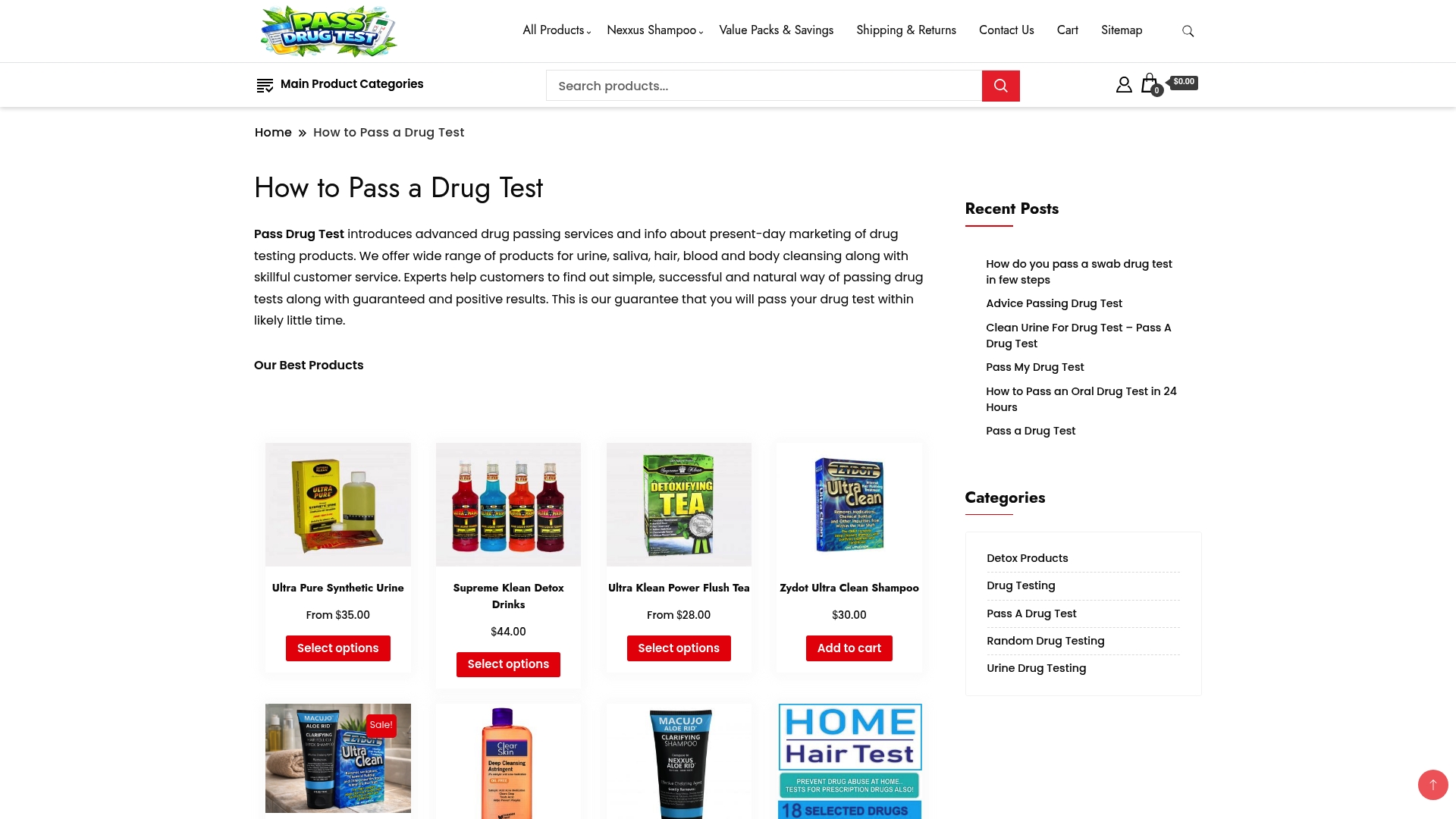
No product guarantees a negative result, and results vary based on drug type, frequency of use, and individual metabolism. What Passdrugtest offers is access to the products that experienced users rely on, paired with honest guidance on how to use them safely. Home drug test kits are also available so you can check your own status before the official test. Browse the full product range at Passdrugtest and find what fits your situation.
Sources
- How to Cleanse Your Body of Drugs in 24 Hours | Zinnia Health
- Drug elimination and pharmacokinetics (NCBI Bookshelf)
- Beating Drug Tests by Ingesting Detoxifying Agents or Adulterating Urine in vitro: Are These Practices Effective? – Europe PMC
- Objective testing – urine and other drug tests (PMC article)
- How Long Do Drugs Stay In Your System? (American Addiction Centers)
- Niacin (Mayo Clinic)
- Detoxes and cleanses: What you need to know | NCCIH
This article is general information, not a substitute for advice from a qualified doctor. Consult a qualified healthcare professional about your own circumstances before acting on anything here.