
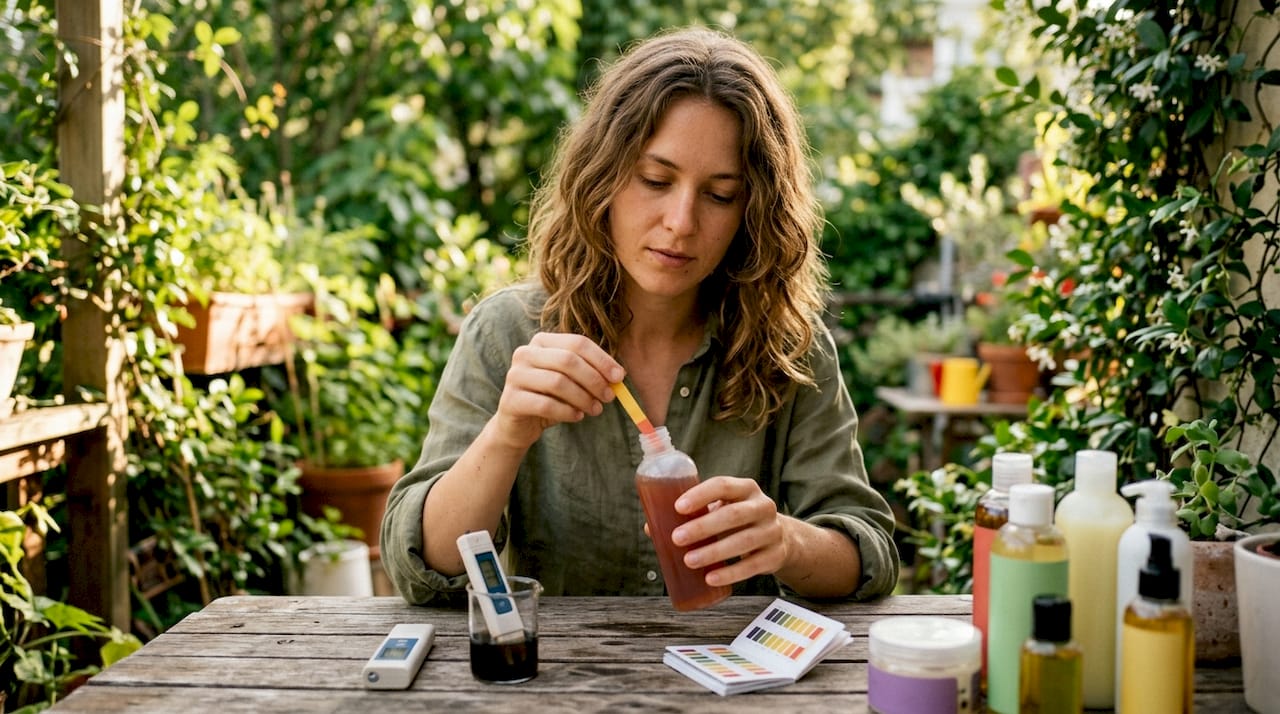

The role of pH balance in hair detox is defined by one principle: your scalp and hair cuticle function best in an acidic environment with a pH of 4.5–5.5. When detox products push outside that range, they lift the cuticle, strip protective proteins, and disrupt the scalp’s natural defense barrier. Brands like Redken, Viori, and Garnier have built entire product lines around this science, yet most people preparing for a hair detox treatment never check the pH of what they are applying. Getting this wrong does not just damage your hair. It can undermine the entire detox process before it starts.
How does pH balance affect hair structure during detox?
pH balance directly controls whether your hair cuticle stays flat and sealed or lifts open and becomes vulnerable. The cuticle is the outermost layer of each hair strand. When the pH stays within the natural acidic range of 4.5–5.5, the cuticle lies flat, locking in moisture and protein. When pH rises above 7, the cuticle edges separate, creating friction, frizz, and structural weakness.
The damage from alkaline products is measurable. Shampoos above pH 7 cause up to 23% more protein loss compared to pH-balanced shampoos within 12 weeks. That is nearly a quarter of your hair’s structural protein gone from product choice alone. During a detox treatment, when you are already applying active cleansing agents to remove drug metabolites and buildup, that vulnerability is amplified.
Alkaline products at pH 8–10 cause cuticle swelling and lifting, increased friction between strands, and accelerated protein loss that reduces shine and tensile strength over time. The result is hair that feels rough, tangles easily, and breaks under normal styling. For anyone preparing for a hair follicle drug test, this matters beyond cosmetics. Damaged, porous hair can affect how toxins are distributed and retained in the shaft, complicating the detox outcome.
Pro Tip: Check the pH of every shampoo or treatment you plan to use before starting a detox. A product labeled “clarifying” or “deep cleansing” is not automatically safe. Many of these products sit at pH 7 or higher.
| Product pH | Cuticle effect | Protein impact |
|---|---|---|
| 4.5–5.5 (acidic) | Cuticle stays flat and sealed | Minimal protein loss |
| 6.0–7.0 (near neutral) | Slight cuticle lifting | Moderate protein loss |
| 8.0–10.0 (alkaline) | Significant cuticle swelling | Up to 23% protein loss over 12 weeks |
Why does scalp pH matter for microbiome health during detox?
The scalp’s acid mantle is a thin, slightly acidic film that sits on the skin surface at approximately pH 5.5. This barrier regulates natural oils and prevents fungal and bacterial infections from taking hold. During a detox treatment, this barrier is the first thing disrupted by high-pH products.
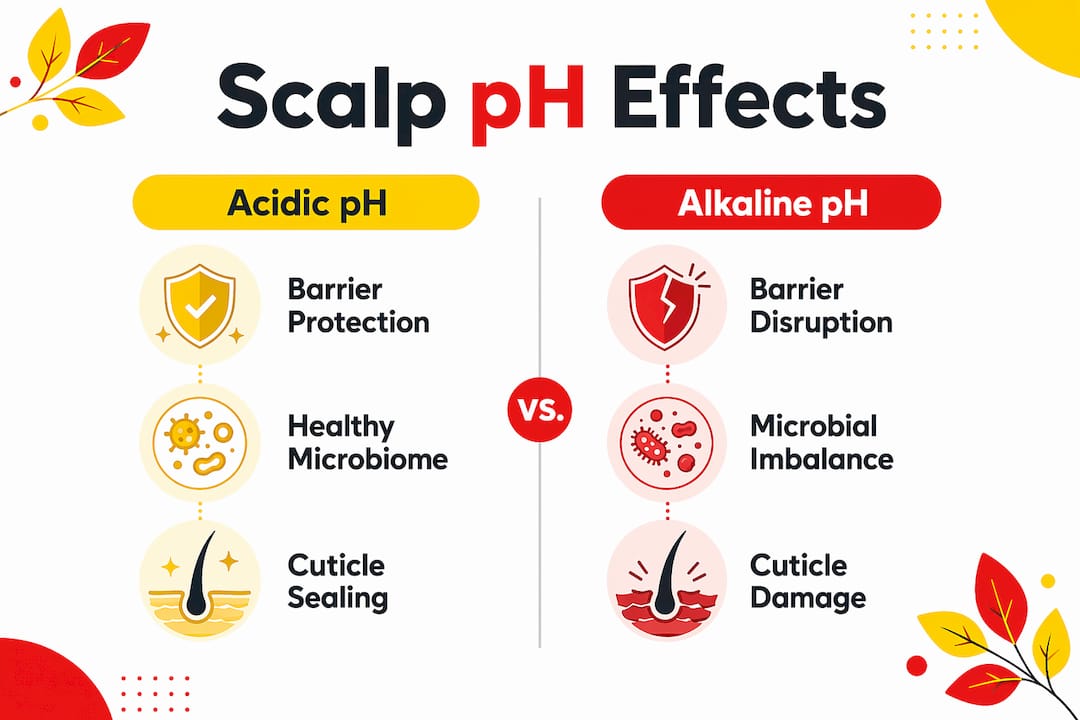
Maintaining scalp pH below 5.5 reduces Malassezia yeast colonization by 40%, which directly lowers the risk of dandruff and seborrheic dermatitis. Malassezia is the yeast most commonly linked to scalp flaking and irritation. When pH rises, this yeast thrives, and the symptoms that follow, including itching, redness, and flaking, are signs that your scalp microbiome is out of balance.
The consequences of disrupting the acid mantle during detox include:
- Itching and inflammation: An alkaline scalp environment triggers immune responses in the skin, causing persistent itching that can last days after a single treatment.
- Dandruff and flaking: Elevated pH allows Malassezia to colonize faster, producing the fatty acids that irritate scalp skin and cause visible flaking.
- Seborrheic dermatitis flares: People with a history of this condition are especially vulnerable to pH disruption during aggressive detox protocols.
- Weakened barrier function: Once the acid mantle is compromised, the scalp becomes more permeable, absorbing more of whatever product you apply next.
- Rebound oil production: A disrupted barrier signals the scalp to produce more sebum, leaving hair greasier within days of a detox treatment.
Choosing pH-balanced detox products that respect the acid mantle is not optional. It is the difference between a detox that resets your scalp and one that leaves it worse than before.
What are the most common pH mistakes in hair detox?
The biggest misconception about hair detox is that stronger means more effective. Many people reach for the most aggressive clarifying shampoo they can find, assuming a higher-pH, more alkaline formula will strip more buildup. True hair detox is a gentle, pH-balanced reset, not a chemical assault. Alkaline products remove buildup, but they also remove the protective proteins and lipids your hair needs to stay intact.
A second widespread error is confusing systemic detox with scalp detox. Hair detox does not affect systemic body pH. It is strictly a topical process affecting the scalp skin and hair surface. No shampoo changes your blood chemistry or organ function. Understanding this distinction helps you evaluate product claims more critically and avoid products marketed on false premises.
The third mistake is over-cleansing. Experts recommend limiting deep-cleansing detox treatments to twice per week. Going beyond that strips the acid mantle faster than it can recover. The scalp then overproduces oil as a rebound response, which ironically makes hair look greasier and feel heavier within days.
Here are the most common pH-related detox mistakes, ranked by frequency:
- Using anti-residue shampoos with pH above 7. These products are marketed as clarifying but cause measurable cuticle damage with repeated use.
- Skipping pH testing entirely. Labels claiming “pH balanced” are often inaccurate. The only way to verify is to test the product yourself.
- Detoxing daily before a hair follicle drug test. More treatments do not equal faster results. They equal a damaged scalp barrier and compromised hair structure.
- Mixing high-pH and low-pH products in the same session. Alternating alkaline and acidic products without understanding the sequence causes unpredictable cuticle behavior.
- Assuming natural or organic products are automatically pH safe. Apple cider vinegar, for example, has a pH of approximately 2.5, which is too acidic for regular scalp use.
Pro Tip: If your scalp feels tight, itchy, or overly dry after a detox treatment, that is a sign the product was too alkaline. Switch to a shampoo formulated at pH 4.5–5.5 and give your scalp at least 48 hours to recover before the next treatment.
How to apply pH knowledge practically during hair detox
The most reliable way to verify a product’s pH is to use pH test strips, which cost approximately $3–$5 and are available at most pharmacies. Dip a strip into a small amount of diluted shampoo and compare the color result to the chart. This takes under a minute and tells you exactly what you are putting on your scalp.
When selecting detox shampoos and treatments, apply these criteria:
- Target the 4.5–5.5 pH range. Products in this range clean effectively without lifting the cuticle or disrupting the acid mantle.
- Choose chelating shampoos formulated at acidic pH. Chelating agents bind to mineral deposits and product buildup, removing them without requiring an alkaline formula. These are the most effective detoxifying hair products for people with hard water exposure or heavy product use.
- Avoid anti-residue shampoos with pH above 7. These are common in drugstores and are often the first product people reach for before a hair follicle drug test. They cause more harm than benefit.
- Read ingredient lists for sodium lauryl sulfate (SLS) at high concentrations. SLS is a surfactant that raises effective pH and increases cuticle disruption, especially in formulas not buffered to an acidic range.
- Follow each detox treatment with an acidic conditioner or rinse. Products with citric acid or lactic acid help reseal the cuticle and restore the scalp’s acid mantle after cleansing.
Post-detox scalp care is as important as the treatment itself. After any detox session, apply a leave-in conditioner or scalp serum formulated at pH 4.5–5.0. This closes the cuticle, reduces moisture loss, and helps the acid mantle recover faster. Limit heat styling for at least 24 hours after a detox treatment, since heat raises the effective pH at the hair surface and prolongs cuticle vulnerability.
| Product type | Typical pH | Recommended for detox? |
|---|---|---|
| Chelating shampoo (acidic formula) | 4.5–5.5 | Yes. Best choice for buildup removal. |
| Standard clarifying shampoo | 6.5–8.0 | No. Causes cuticle lifting. |
| Anti-residue shampoo | 7.0–9.0 | No. High protein loss risk. |
| Acidic conditioner or rinse | 3.5–4.5 | Yes. Use after every detox wash. |
| Apple cider vinegar rinse (undiluted) | 2.5–3.0 | No. Too acidic for regular use. |
Key Takeaways
Maintaining a scalp and hair pH of 4.5–5.5 is the single most important factor in a safe, effective hair detox treatment.
| Point | Details |
|---|---|
| Natural hair pH range | Healthy hair and scalp function best at pH 4.5–5.5; products outside this range cause structural damage. |
| Alkaline product risk | Shampoos above pH 7 can cause up to 23% more protein loss within 12 weeks of regular use. |
| Scalp microbiome protection | Keeping scalp pH below 5.5 reduces Malassezia yeast colonization by 40%, preventing dandruff and irritation. |
| Detox frequency limit | Deep-cleansing treatments should not exceed twice per week to protect the acid mantle and prevent rebound oil production. |
| Verify with pH strips | pH test strips costing $3–$5 are the only reliable way to confirm a product’s actual pH before use. |
pH balance is the part most people skip entirely
I have reviewed a lot of detox protocols over the years, and the pattern is consistent. People spend significant time and money on the right products, follow the steps carefully, and still end up with a damaged scalp and compromised results. In almost every case, pH was the variable they never checked.
The uncomfortable truth is that the hair detox category is full of products that market themselves as clarifying or deep-cleansing while sitting at a pH that actively harms the hair structure. The word “detox” on a label does not mean the product is formulated correctly. It means the marketing team knew what search terms to target.
What I have found actually works is treating pH verification as a non-negotiable first step, not an afterthought. Before you commit to any detox routine, test every product in the sequence. If anything reads above 6.0, replace it. The detox myths around aggressive cleansing being more effective are persistent, but the science is clear. Gentle, acidic formulas remove buildup without sacrificing the structural integrity your hair needs to recover.
Scalp recovery timelines also matter more than most guides acknowledge. After a high-pH exposure, the acid mantle can take 48–72 hours to normalize. Stacking treatments before that window closes compounds the damage. Patience between sessions is not weakness. It is the correct protocol.
— MIchael
Proven pH-balanced detox products from Passdrugtest
Passdrugtest carries a curated selection of hair drug testing products formulated to work effectively without destroying your scalp’s acid mantle. These are not generic clarifying shampoos. They are products built specifically for people who need real results from their detox treatment.
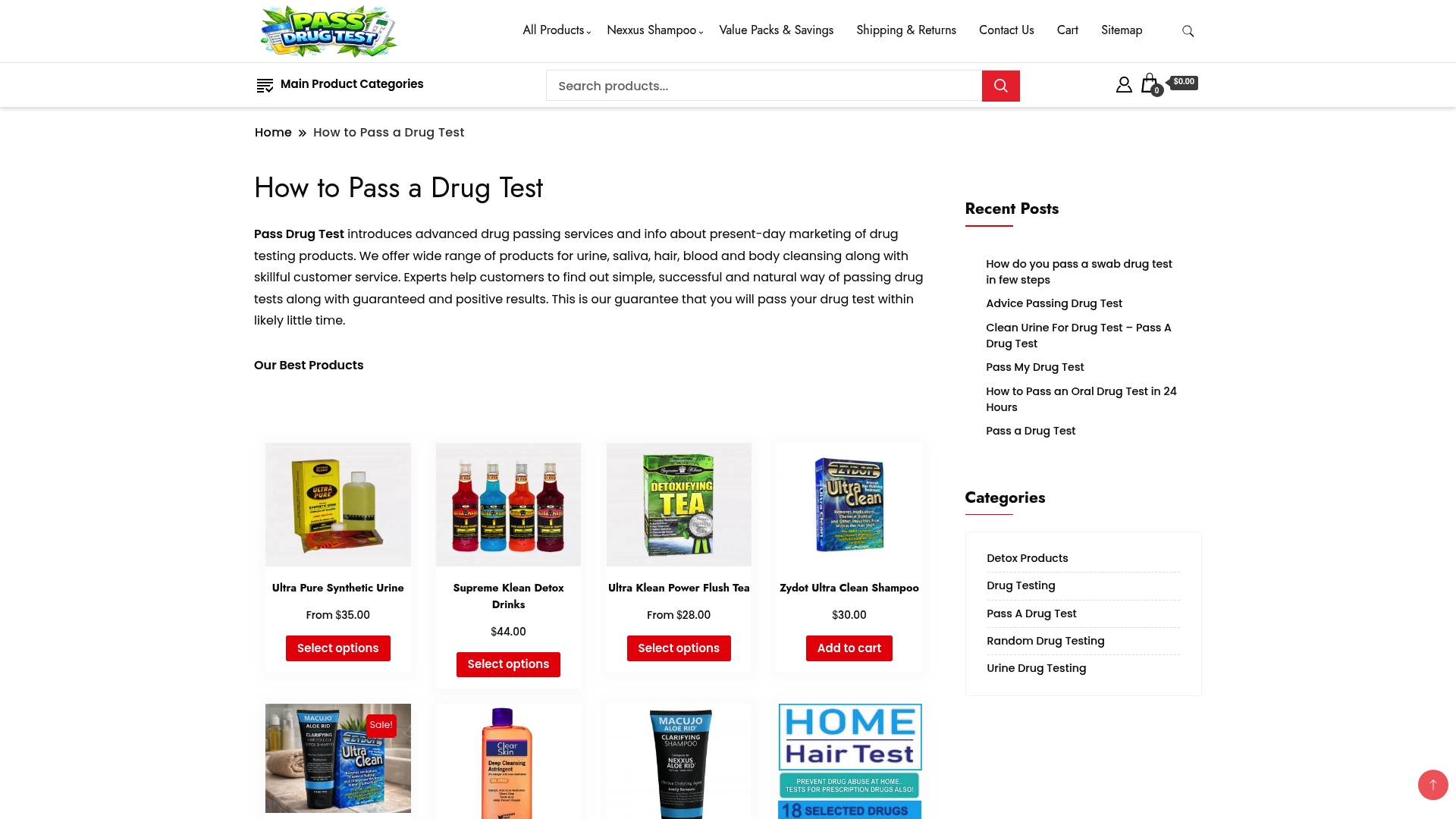
The Macujo Aloe Rid Shampoo is the flagship product at Passdrugtest and the top-rated choice for the Macujo method, which remains the most proven approach to passing a hair follicle drug test. It is formulated to penetrate the hair shaft and remove drug metabolites while respecting the structural needs of your hair. Pair it with Zydot Ultra Clean for a complete, pH-conscious detox protocol that gives you the best possible outcome before your test.
FAQ
What is the ideal pH range for hair detox products?
The ideal pH range for hair detox products is 4.5–5.5. Products in this range clean effectively while keeping the cuticle sealed and the scalp’s acid mantle intact.
Does hair detox change your body’s pH levels?
Hair detox does not affect systemic body pH. It is a topical treatment that affects only the scalp skin and hair surface, with no impact on blood chemistry or organ function.
How often should you do a hair detox treatment?
Experts recommend limiting deep-cleansing detox treatments to twice per week. Exceeding that frequency strips the acid mantle and triggers rebound oil production, worsening scalp health over time.
How can you tell if a shampoo is pH balanced?
Use pH test strips, available for approximately $3–$5 at most pharmacies, to verify a product’s actual pH. Labels claiming “pH balanced” are often inaccurate, and testing is the only reliable confirmation.
Can alkaline shampoos permanently damage hair during detox?
Repeated use of alkaline shampoos at pH 8–10 causes cumulative cuticle damage and protein loss that weakens hair over time. Switching to pH-balanced detox shampoos stops further damage and allows the cuticle to recover.