
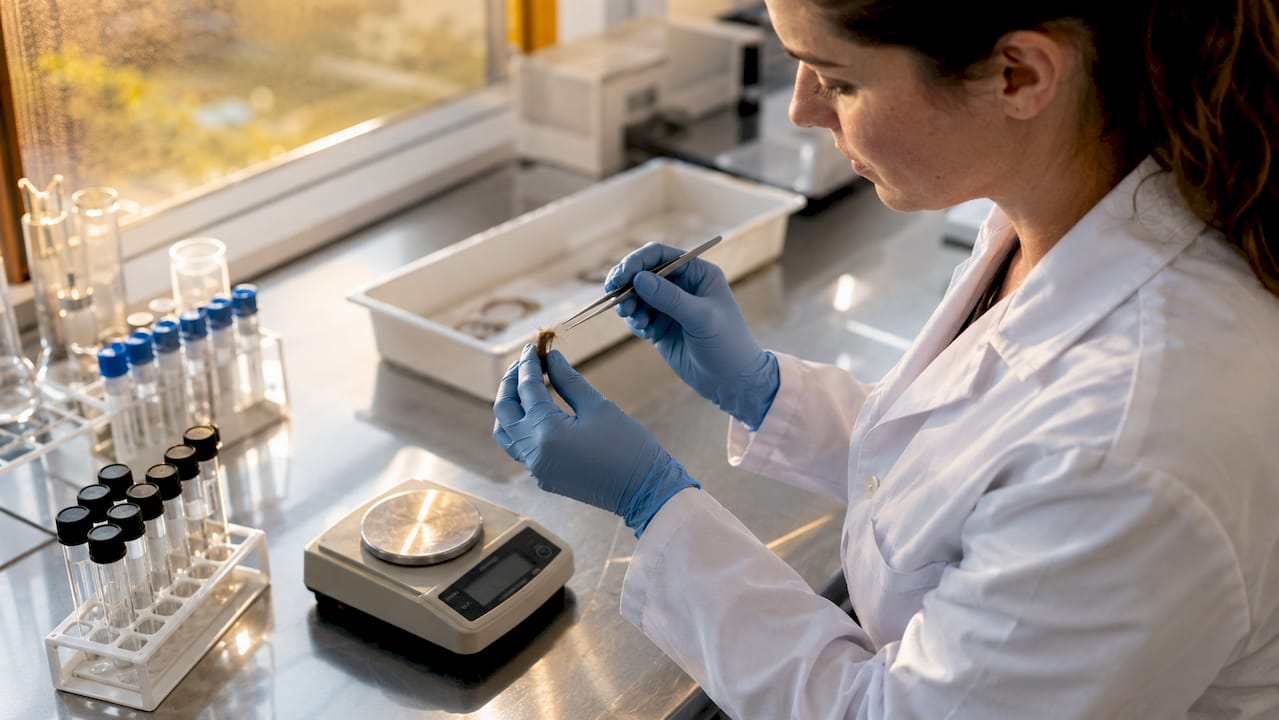

Hair follicle drug testing is defined as a method that analyzes drug metabolites embedded in the hair shaft over a period of roughly 90 days. The role of lifestyle factors in hair tests is real but often misunderstood. Diet, cosmetic treatments, stress, and personal habits can influence your hair’s condition and metabolite concentrations, but they do not reliably erase drug presence from a sample. Understanding exactly what lifestyle can and cannot do gives you a clearer picture of what you are actually facing before your test.
How hair biology and growth patterns influence drug test results
Hair grows at approximately 1 cm per month, which means a standard 1.5-inch sample collected by labs like Psychemedics represents roughly 90 days of exposure history. That timeline is approximate, not exact. Individual variation in growth rate, hair density, and follicle health all shift the calendar slightly.
Hair pigmentation is one of the most significant biological variables in testing. Darker hair binds substantially more drug metabolites than lighter hair due to melanin content. One study found that black hair absorbs roughly 15 times more morphine than ginger hair. That difference raises legitimate questions about consistency in results across people with different hair colors.
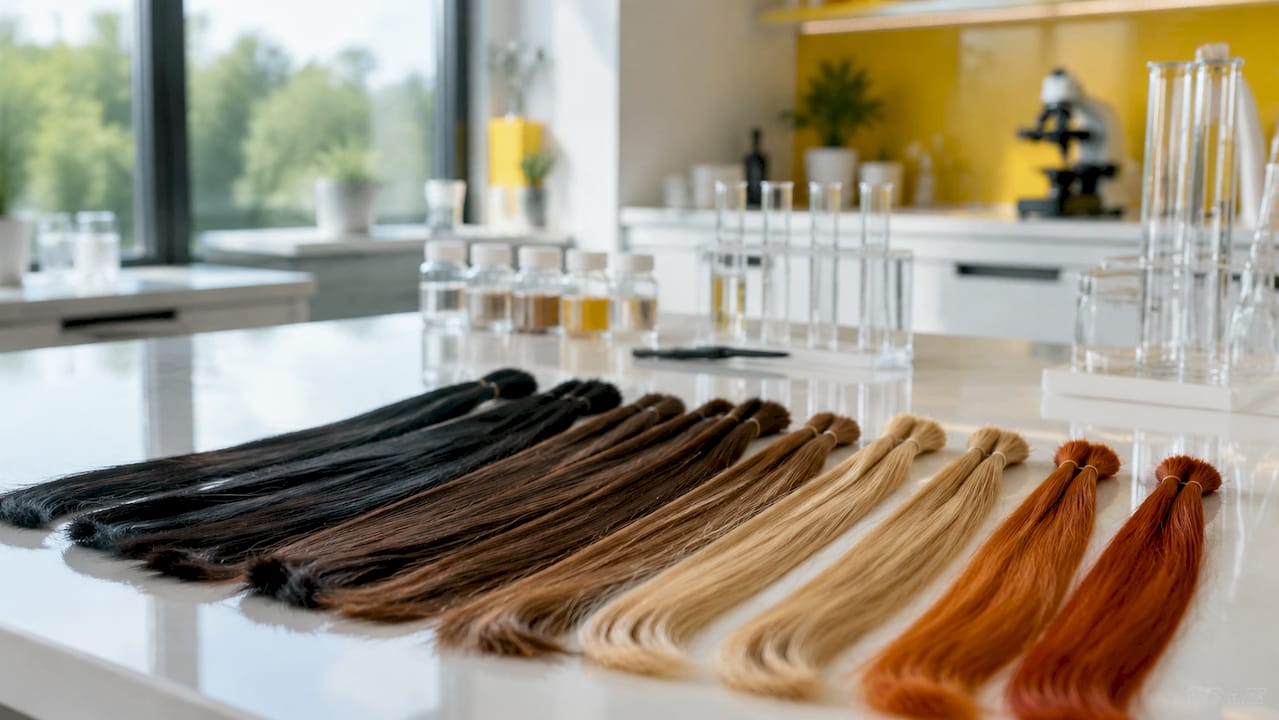
Individual metabolism influences how many metabolites reach the follicle through the bloodstream, but hair characteristics like melanin content and growth patterns have a greater effect on final concentrations than metabolism speed alone. Scalp hair is the standard collection site, but body hair grows more slowly and can reflect a longer exposure window. Labs typically prefer scalp hair for its more predictable growth rate.
| Hair type | Melanin level | Relative metabolite absorption |
|---|---|---|
| Black hair | Very high | Highest absorption |
| Dark brown hair | High | High absorption |
| Light brown hair | Moderate | Moderate absorption |
| Blonde hair | Low | Lower absorption |
| Red/ginger hair | Minimal | Lowest absorption |
Pro Tip: If you have naturally light or chemically lightened hair, your test results may show lower metabolite concentrations than someone with darker hair who used the same substance at the same frequency. Labs account for this, but it is worth knowing.
How do cosmetic treatments affect hair drug test accuracy?
Cosmetic treatments like dyeing and bleaching reduce drug metabolite concentrations in hair by approximately 30–60%. Bleaching tends to have the steeper impact. However, drug presence almost always remains detectable above standard cutoff thresholds, so treatment alone does not produce a clean result.
Washing and styling do not remove embedded metabolites. Once a drug metabolite is incorporated into the hair shaft through the bloodstream, it is locked into the cortex of the strand. Shampoo, conditioner, and heat styling tools work on the outer cuticle layer, not the cortex where metabolites reside. Psychemedics and other certified labs confirm this distinction clearly.
Labs address external contamination through a decontamination wash performed before analysis. This lab washing step removes surface residues from environmental exposure, ensuring results reflect metabolites that entered the hair through the bloodstream rather than from outside contact. That process is a standard part of certified hair drug testing protocol.
Laboratories also flag chemically altered hair samples during analysis. Chemical damage affects specimen integrity, and analysts adjust their interpretation accordingly. This means severe bleaching or dyeing does not simply lower your numbers without notice. The lab sees the damage and factors it in.
- Dyeing reduces metabolite levels but rarely below detection cutoffs
- Bleaching has a stronger effect than dyeing but still leaves detectable traces
- Washing and styling have no meaningful effect on embedded metabolites
- Labs decontaminate samples to separate external residue from bloodstream-derived metabolites
- Chemically damaged hair is flagged, and interpretation is adjusted
Pro Tip: Lab reports often note chemical damage to the hair sample. If your report includes that notation, it signals to reviewers that your hair was treated, which can actually draw more scrutiny to borderline results rather than less.
What is the real role of lifestyle factors in hair tests?
Diet, alcohol consumption, smoking, and physical activity do not directly alter drug metabolite levels in a hair drug test. A 2026 study conducted in Northern Italy found that BMI and perceived stress correlate with hair cortisol concentrations, but most lifestyle factors including smoking and hair washing frequency showed no significant effect on cortisol levels. That finding matters because hair cortisol tests and hair drug tests measure completely different things.
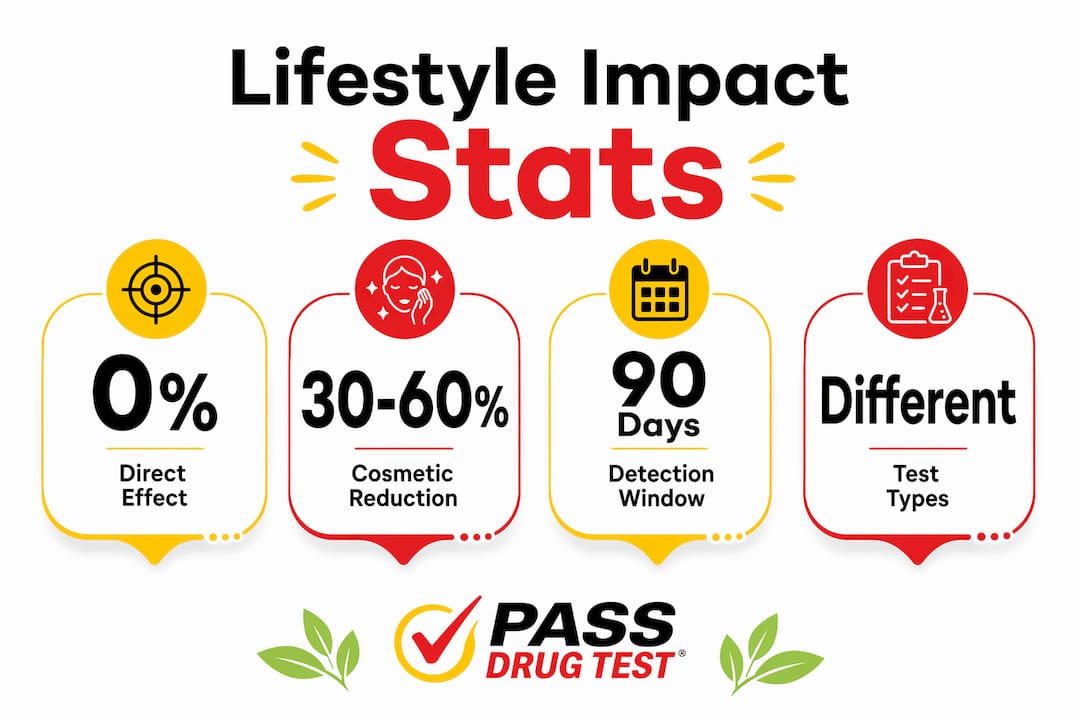
Lifestyle factors that affect hair cortisol analysis do not apply to hair drug testing. The two tests use different detection targets and different biological mechanisms. Assuming that what influences one test will influence the other is a common and costly mistake.
Timing is one lifestyle variable that genuinely matters for drug testing. Hair testing cannot detect very recent use within approximately 5–10 days because there is a lag of 3–7 days before metabolites grow above the scalp into the collectible portion of the strand. If you used a substance within that window, it may not appear in a standard scalp hair sample.
These lifestyle factors do not meaningfully affect hair drug test results:
- Diet and nutritional intake
- Hydration levels
- Alcohol consumption
- Tobacco smoking
- Exercise frequency
- Hair washing frequency
- Vitamin or supplement use
These factors do have some influence on hair drug test outcomes:
- Hair pigmentation (melanin content)
- Cosmetic treatments like bleaching or dyeing (partial reduction only)
- Timing of drug use relative to collection date
- Hair growth rate and individual biology
Understanding the hair drug test detection window is one of the most practical things you can do before your test date.
How do environmental factors interact with lifestyle in hair testing?
Environmental drug exposure is a recognized confounder in hair testing. Passive exposure to cannabis smoke, for example, can deposit trace amounts of drug residue on the hair surface. Labs address this through decontamination washing, but the interaction between environmental exposure and personal lifestyle habits can complicate interpretation in borderline cases.
External contamination affects people differently depending on their living environment, occupation, and hair care habits. Someone with porous, chemically treated hair may absorb more surface contamination than someone with a tighter cuticle structure. That difference can matter when results sit near the detection threshold.
Lab decontamination procedures are designed to remove surface residues so that results reflect true bloodstream-derived metabolite incorporation. However, no decontamination process is perfect, and external contamination remains a recognized variable in certified testing environments.
| Factor type | Example | Lab mitigation |
|---|---|---|
| Environmental exposure | Passive cannabis smoke | Decontamination wash before analysis |
| Lifestyle habit | Frequent hair washing | Minimal effect on embedded metabolites |
| Cosmetic treatment | Bleaching | Flagged; interpretation adjusted |
| Hair biology | High melanin content | Accounted for in result interpretation |
| Occupation | Working near drug use | Decontamination wash; borderline cases reviewed |
Key Takeaways
Lifestyle factors shape hair characteristics and can shift metabolite concentrations, but they do not reliably remove drug evidence from a hair follicle test.
| Point | Details |
|---|---|
| Biology matters most | Hair melanin content and growth rate affect metabolite levels more than diet or habits. |
| Cosmetic treatments reduce, not erase | Dyeing or bleaching cuts concentrations by 30–60% but rarely drops results below cutoffs. |
| Lifestyle habits have limited impact | Diet, hydration, smoking, and exercise do not meaningfully alter drug metabolite levels in hair. |
| Timing creates a blind spot | Drug use within 5–10 days of collection may not appear due to metabolite incorporation lag. |
| Labs flag altered samples | Chemically damaged hair is noted in lab reports, which can increase scrutiny on borderline results. |
My honest read on lifestyle and hair drug testing
I have spent years watching people put enormous faith in lifestyle changes as a way to clean up a hair drug test result. The reality is that the biology of how drug metabolites stay in hair makes most of those efforts ineffective. Drinking more water, eating clean, or switching shampoos does not reach the cortex of the hair shaft where metabolites are locked in.
The part that surprises most people is the melanin finding. If you have dark hair, your test results will likely show higher concentrations than a lighter-haired person who used the same substance the same number of times. That is not a flaw in your behavior. It is a biological reality that segmental hair analysis experts acknowledge openly. Concentration values should be read as relative trends, not exact dose records.
My advice is to stop overestimating what cosmetic treatments can do for you. Bleaching your hair before a test draws lab attention and rarely produces a clean result. The better use of your time is understanding the actual detection window and taking preparation seriously with proven methods. Honest awareness of your situation beats wishful thinking every time.
— MIchael
Proven hair detox options from Passdrugtest
Knowing how lifestyle affects your hair test is only part of the picture. The next step is taking action with products that are proven to work at the level where it counts: inside the hair shaft.
Passdrugtest carries the Macujo Aloe Rid Shampoo, the most trusted detox shampoo for hair follicle drug test preparation. It is the cornerstone product in Mike’s Macujo Method, widely recognized as the most effective approach to passing a hair follicle drug test. For a complete preparation plan, the full range of hair detox products at Passdrugtest gives you everything you need in one place. Lifestyle changes alone will not get you there. The right product used correctly will give you the best possible chance.
FAQ
Does diet affect hair follicle drug test results?
Diet does not meaningfully alter drug metabolite levels in a hair follicle drug test. Nutritional intake influences overall hair health but does not affect the metabolites embedded in the hair shaft from bloodstream exposure.
Can bleaching your hair make you pass a hair drug test?
Bleaching reduces drug metabolite concentrations by approximately 30–60%, but drug presence almost always remains detectable above standard lab cutoff thresholds. Labs also flag chemically damaged hair, which can increase scrutiny on borderline results.
How does stress affect hair test results?
Stress influences hair cortisol concentrations in cortisol-specific biomarker tests, but it does not affect drug metabolite levels in a standard hair drug test. The two tests measure entirely different substances.
What is the detection window for a hair drug test?
A standard hair drug test covers approximately 90 days of exposure history. Drug use within 5–10 days of sample collection may not appear because metabolites need 3–7 days to grow above the scalp into the collectible portion of the strand.
Does hair color affect drug test results?
Yes. Darker hair contains more melanin and absorbs significantly more drug metabolites than lighter hair. One study found black hair absorbs roughly 15 times more morphine than ginger hair, which means metabolite concentrations can vary substantially across individuals with different natural hair colors.