

Hair test loopholes are largely myths because drug metabolites embed inside the hair shaft itself, where no shampoo, bleach, or home remedy can reliably reach them. If you are a THC user facing an upcoming hair follicle drug test, understanding this biological reality is the most important thing you can do right now. The strategies marketed as hair test loopholes explained in online forums are almost universally ineffective against modern lab procedures. This article breaks down exactly why those methods fail, what genuine weaknesses exist in hair testing, and what science actually supports when it comes to passing.
Hair test loopholes explained: why the biology matters
Hair follicle testing works by analyzing drug metabolites that travel through your bloodstream and become permanently incorporated into the hair shaft as it grows. Hair grows approximately 0.5 inches per month, and standard tests analyze the 1.5 inches of hair closest to the scalp, covering roughly a 90-day detection window. That means any THC you consumed in the past three months is physically encoded inside your hair.
The metabolite that labs target is THC-COOH, a compound that proves drug ingestion rather than external contact. This distinction is critical. Because THC-COOH is produced only through internal metabolism, its presence inside the hair cortex cannot be explained away as accidental contamination. Labs also note that metabolites take 5 to 10 days after use to incorporate into the hair shaft and grow above the scalp line, which is the only genuine timing gap in the detection window.
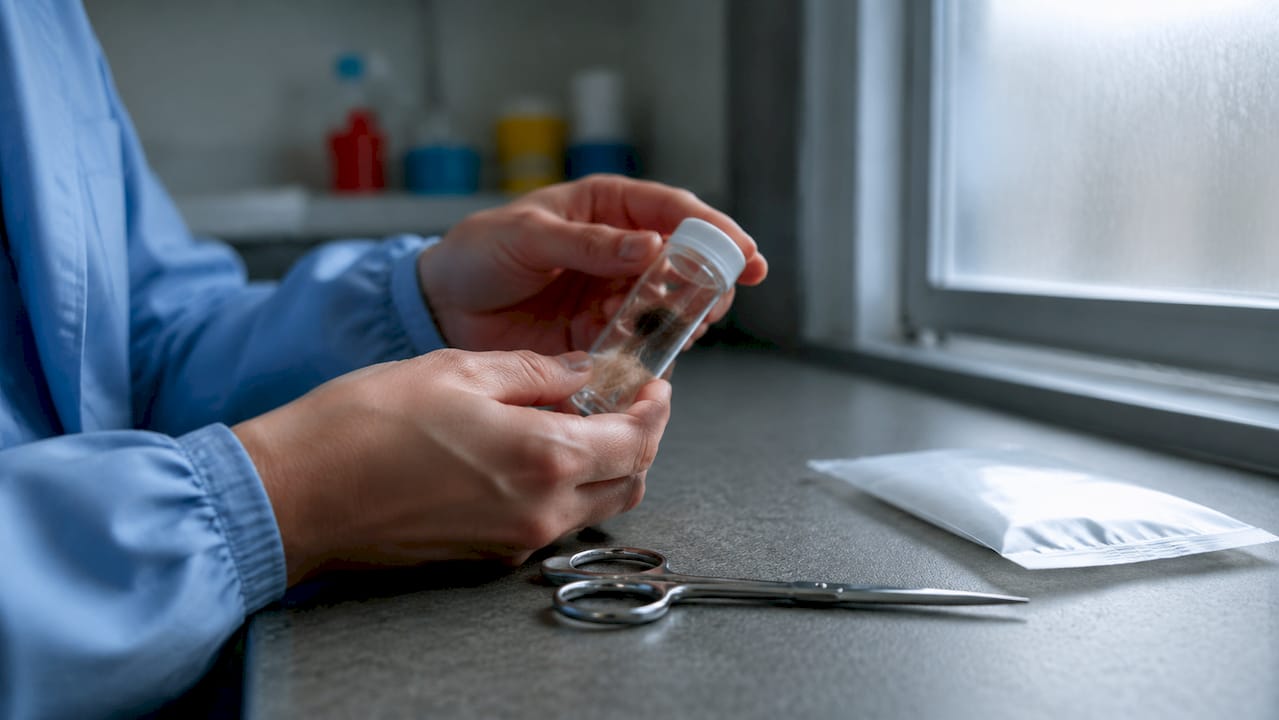
The sample itself is collected by cutting 100 to 120 strands close to the scalp from the posterior crown of your head. Labs target the hair shaft, not the follicle, despite the common name “hair follicle test.” This clarifies why follicle-focused products or scalp treatments miss the point entirely.
Pro Tip: If your test is scheduled within the next 5 to 10 days of your last use, that recent consumption may not yet appear in the testable hair segment. Beyond that window, abstinence is the only reliable factor you control.
| Hair growth rate | Detection window | Metabolite incorporation delay |
|---|---|---|
| 0.5 inches per month | 90 days (1.5 inches) | 5 to 10 days post-use |
Why common loopholes fail: shampoos, bleaching, and shaving
The most popular hair test loopholes circulating online fall into three categories: detox shampoos, chemical treatments like bleaching, and shaving your head. Each one fails for a specific, documented reason.
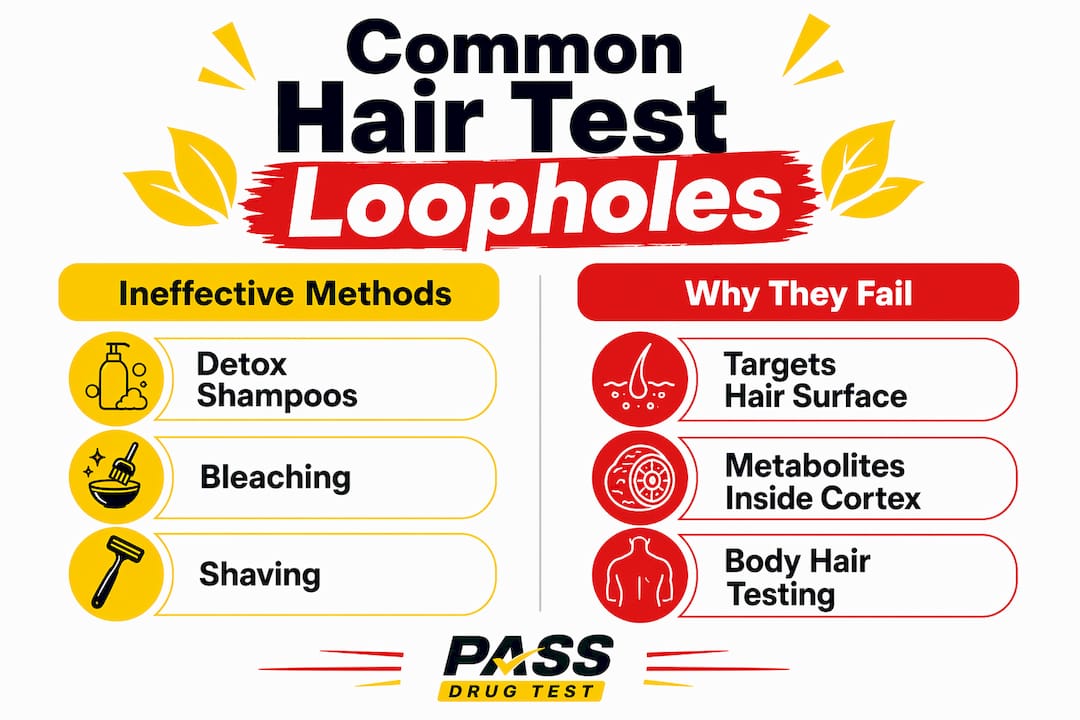
Detox shampoos and bleaching agents work on the outer cuticle of the hair shaft. Drug metabolites, however, are embedded in the inner cortex. No scientific evidence supports the claim that any over-the-counter product removes metabolites from this inner layer. Labs also perform mandatory washing procedures using methanol solvents and buffers for up to 18 hours before analysis, which eliminates any surface residue. Whatever a shampoo does to the outside of your hair is neutralized before the actual test begins.
Bleaching and aggressive chemical treatments carry an additional risk. Harsh chemical routines can damage the hair structure in ways that actually increase metabolite absorption or cause the sample to be flagged as adulterated. A flagged or rejected sample is treated the same as a failed test in most employment contexts.
Shaving your head is the most counterproductive strategy of all. When scalp hair is unavailable, collectors turn to body hair. Body hair testing extends detection windows unpredictably and is almost always disadvantageous for the person being tested. Body hair grows at different rates and retains metabolites for longer periods, meaning shaving your head can expose a much wider history of drug use than the standard 90-day scalp test would have.
Here is a direct comparison of the most common loophole attempts:
| Method | What it targets | Why it fails |
|---|---|---|
| Detox shampoos | Hair surface (cuticle) | Metabolites are in the inner cortex, not the surface |
| Bleaching or dyeing | Hair cuticle and pigment | Labs wash samples before testing; adulteration flags triggered |
| Shaving head | Removes scalp hair entirely | Triggers body hair collection with longer detection windows |
| Home remedies (vinegar, baking soda) | Hair surface chemistry | No effect on internal metabolite concentration |
Pro Tip: Chemically damaged hair is visually identifiable to lab technicians. If your hair shows signs of aggressive treatment right before a test, it raises flags that can lead to closer scrutiny or sample rejection.
You can find a more thorough breakdown of what works and what does not in this hair drug test guide from Passdrugtest.
What are the real weaknesses in hair drug testing?
Hair testing does have documented limitations, and understanding them honestly is more useful than chasing myths. These are not loopholes you can exploit on demand, but they are real factors that affect outcomes.
The most significant sensitivity gap involves occasional or light users. Hair tests may miss more than 50% of occasional cannabis users because metabolite concentrations in the hair shaft fall below detection thresholds. This is not a flaw you can manufacture, but it does mean that infrequent, low-dose use carries a meaningfully lower detection risk than daily use.
Hair color and melanin content also affect results. THC metabolites bind more readily to melanin, meaning darker hair tends to retain higher concentrations than lighter or gray hair. This variable is real but not something you can change before a test without triggering the adulteration concerns described above.
Environmental contamination is another documented concern, though labs have largely addressed it. Because labs test for THC-COOH specifically, which is only produced through internal metabolism, passive exposure to cannabis smoke does not produce a positive result. The THC screening cutoff is typically 1.0 pg/mg with confirmation at 0.1 pg/mg, calibrated precisely to distinguish ingestion from contact.
The legitimate procedural defense available to you involves Medical Review Officers and split-sample testing. If you have a valid prescription for a substance that triggered a positive result, a Medical Review Officer can verify that and override the flag. The right to request split-sample retesting is the only recognized procedural check in the system. If the B sample tests negative, the entire result can be cancelled. This is the one genuine procedural avenue worth knowing.
Effective strategies to pass a hair follicle drug test
Given everything above, the strategies that actually improve your odds are straightforward, even if they are not what most people want to hear.
-
Stop using THC immediately. Prolonged abstinence is the only reliable passing method confirmed by experts. New hair growth after your last use will be clean, and the 90-day window means that approximately 90 days of abstinence produces a fully clean sample.
-
Calculate your timeline precisely. Hair grows at 0.5 inches per month. If you know your last use date and your test date, you can estimate how much of the testable 1.5-inch segment contains metabolites. Use the hair drug test detection window resource from Passdrugtest to map this out accurately.
-
Document any legitimate prescriptions. If you take any prescribed medications that could appear on a drug panel, bring documentation to your Medical Review Officer. MROs verify legitimate medical use and can prevent a false positive from affecting your employment.
-
Avoid aggressive treatments before your test. Bleaching, harsh chemical shampoos, or any treatment that visibly damages your hair increases suspicion and can trigger adulteration flags. If you use a specialized detox shampoo as part of a preparation routine, use it as directed and avoid overdoing it.
-
Request split-sample retesting if you dispute a result. This is your legal right and the only procedural check built into the system. It is worth exercising if you believe a result is inaccurate.
Pro Tip: If you are a light or occasional THC user with more than 90 days before your test, your risk is already lower than you think. Focus on confirmed abstinence and accurate timeline tracking rather than expensive or risky treatments.
For THC-specific guidance, Passdrugtest has a detailed THC user’s passing guide that covers these strategies in depth.
Key takeaways
The most effective approach to hair drug testing is prolonged abstinence combined with accurate timeline tracking, because no surface treatment reliably removes metabolites from inside the hair shaft.
| Point | Details |
|---|---|
| Metabolites are internal | Drug metabolites embed in the inner cortex, beyond the reach of shampoos or bleach. |
| 90-day detection window | Standard tests cover 1.5 inches of hair, representing approximately three months of use. |
| Shaving backfires | Removing scalp hair triggers body hair collection, which extends detection windows unpredictably. |
| Light use has lower risk | Hair tests miss more than 50% of occasional users due to metabolite concentration thresholds. |
| Split-sample testing is legitimate | Requesting B-sample retesting is the only recognized procedural defense against a disputed result. |
What I’ve learned from years of watching people chase loopholes
I have seen the same pattern repeat itself more times than I can count. Someone has a test coming up in two weeks, they spend that entire time trying every shampoo, bleach kit, and home remedy they can find online, and they walk into the test more anxious than when they started. The tragedy is not just that those methods do not work. It is that the effort spent chasing them is effort not spent on the one thing that actually matters: stopping use and letting clean hair grow in.
The biology here is not complicated once you accept it. Metabolites are inside the hair. Labs wash the outside before they test. That combination makes surface treatments irrelevant by design. What I find most frustrating is how confidently misinformation spreads in this space, because people are scared and looking for hope. I get that. But false hope backed by a $60 shampoo is worse than no hope, because it delays the honest reckoning with your timeline.
The clients who come to Passdrugtest with the best outcomes are the ones who are honest about their use history, realistic about their timeline, and focused on what they can actually control. That means abstinence, accurate calculation of their detection window, and using preparation products as a supplement to a clean strategy rather than a substitute for one. The loophole you are looking for does not exist inside a bottle. It exists in the calendar between your last use and your test date.
— MIchael
Prepare smarter with Passdrugtest
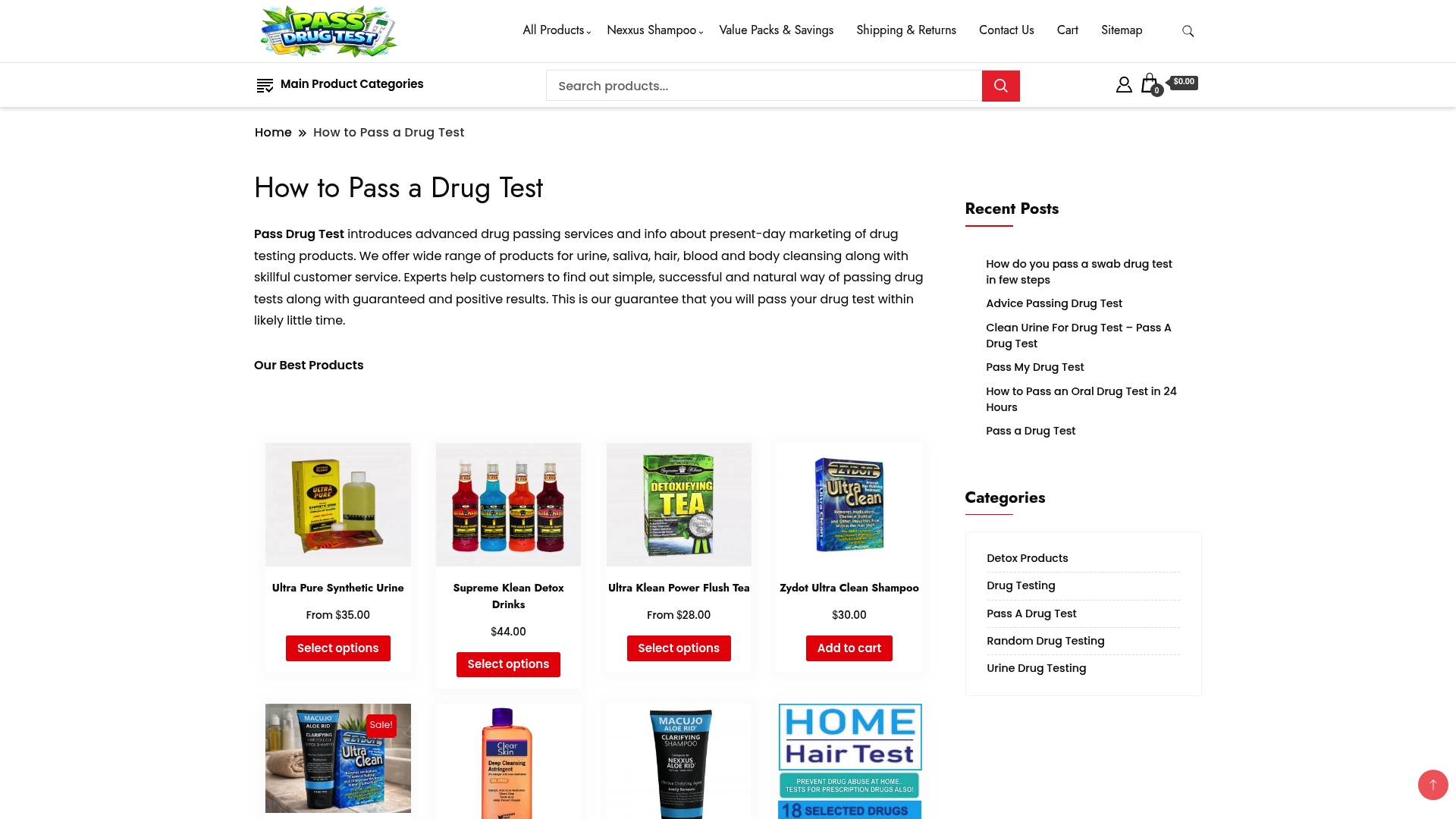
Facing a hair drug test is stressful, and Passdrugtest is here to help you prepare with proven products and honest guidance. Our flagship Macujo Aloe Rid Shampoo is the most trusted option in its class for supporting your hair preparation routine when used as part of a science-informed approach. No product replaces abstinence, but the right shampoo used correctly can support your preparation when timing is on your side. Browse our full range of hair detox shampoos and detox preparation products to find the right fit for your situation. If you need personalized guidance, our team is ready to help you build a plan that matches your timeline and history.
FAQ
Can detox shampoos remove THC from hair?
No. Detox shampoos work on the hair surface, but THC metabolites are embedded in the inner cortex of the hair shaft. Labs also wash samples with methanol solvents before testing, which neutralizes any surface treatment.
How long does THC stay detectable in a hair test?
Standard hair tests analyze 1.5 inches of hair closest to the scalp, covering approximately 90 days of use history. Hair grows about 0.5 inches per month, so use from more than three months ago typically falls outside the testable segment.
What happens if you shave your head before a hair test?
Collectors switch to body hair when scalp hair is unavailable. Body hair retains metabolites for longer and grows at unpredictable rates, which often extends the detection window well beyond 90 days.
Is there any legitimate way to dispute a hair test result?
Yes. You have the right to request split-sample retesting, where a second portion of your original sample is independently analyzed. If the B sample tests negative, the entire result can be cancelled. Medical Review Officers can also override results when a valid prescription explains a positive finding.
Do hair tests detect occasional THC use?
Not always. Research shows hair tests may miss more than 50% of occasional cannabis users because metabolite concentrations in the hair shaft fall below detection thresholds. Daily or heavy use produces concentrations that are far more reliably detected.