


If you have a recent expungement and an upcoming hair follicle drug screening, you may believe the hard part is already behind you. It is not. The connection between expungement and hair drug tests is one of the most misunderstood topics in pre-employment screening, and that misunderstanding costs people jobs every year. Expungement clears your legal record. It does not clear your hair. These are two completely separate systems, and knowing exactly how each one works gives you a real shot at handling both correctly.
Table of Contents
- Key Takeaways
- How hair follicle drug tests actually work
- What expungement does and does not change
- Myths that will cost you the job
- Strategies that actually work for passing hair drug tests
- How drug testing and expungement fit into employment screening
- My take on expungement and hair testing
- Get prepared with proven detox solutions
- FAQ
Key Takeaways
| Point | Details |
|---|---|
| Expungement does not affect hair tests | Clearing your legal record has zero impact on drug metabolites embedded in your hair shaft. |
| Hair tests detect 90 days of history | Labs analyze a 1.5-inch hair segment that reflects roughly three months of drug use. |
| Abstinence is the proven path | Sustained abstinence of approximately 100 days is the only science-backed way to test clean. |
| Detox shampoos alone are not enough | Surface-cleaning products do not remove metabolites embedded inside the hair shaft. |
| Know your legal rights too | If a test produces a disputed result, procedural challenges are often more effective than disputing biology. |
How hair follicle drug tests actually work
Understanding the biology here is not optional. It is the foundation of every decision you make about preparation.
When you consume drugs, your body metabolizes them and those metabolites enter your bloodstream. As your hair grows from the follicle, it absorbs compounds from the blood supply at the root. Those metabolites become physically locked inside the hair shaft as it grows outward. There is a short delay of about 5 to 7 days between drug use and detectable incorporation into the hair. After that window, the metabolites are not on the surface. They are inside the structure of the hair itself.
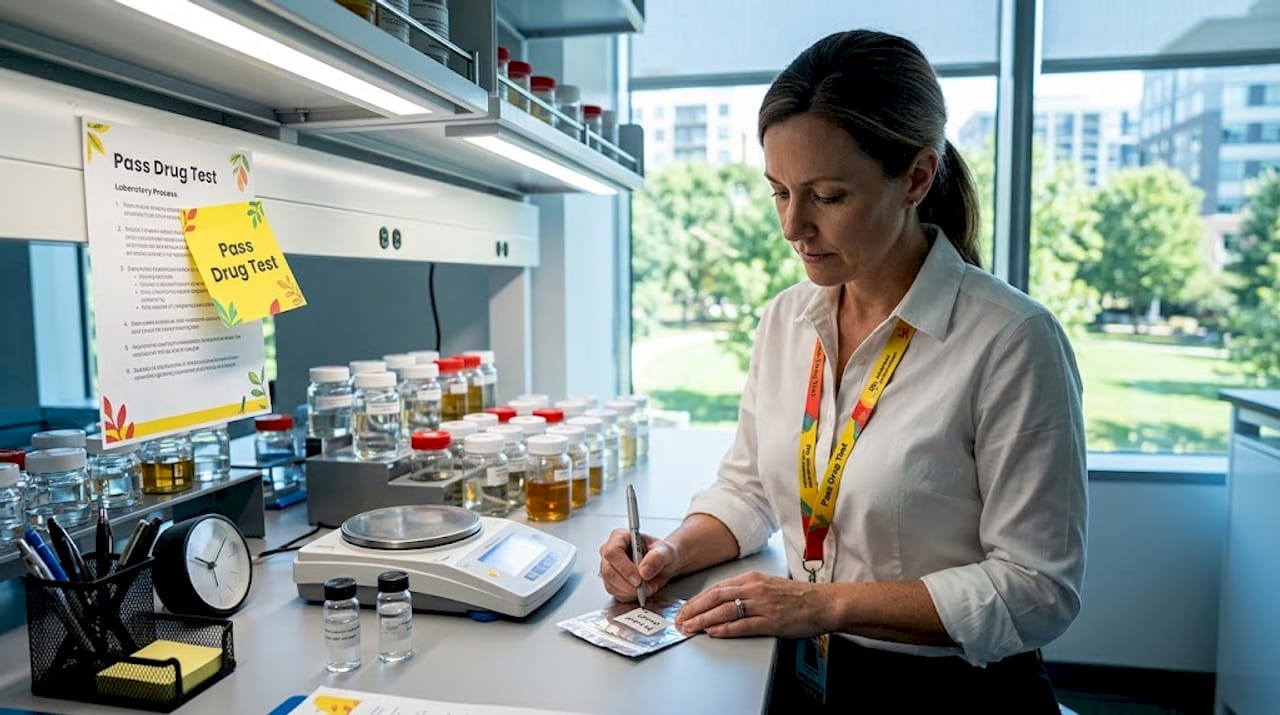
Standard hair follicle drug screening uses a 1.5-inch segment cut from as close to the scalp as possible. That length represents roughly 90 days of growth. Every drug use event within that period is potentially captured in that segment, at various points along the shaft depending on when it occurred.
Before any chemical analysis begins, the lab performs a decontamination wash using organic solvents. This step is designed to remove external residue from the hair surface, things like environmental exposure or passive contact. The critical point is that embedded metabolites remain completely unaffected by that wash. External contamination gets stripped away. Internal metabolites do not move.
Here is what that means practically:
- Drug metabolites are locked inside the hair shaft, not sitting on the surface
- Lab washing protocols are specifically designed to eliminate surface residue before testing begins
- The test result reflects actual ingestion, not accidental contact or environmental exposure
- Hair color, texture, and treatment history do not change what is embedded in the cortex of the strand
Pro Tip: Hair grows at an average rate of about half an inch per month. This means the segment closest to your scalp represents the most recent 30 days, while the tip of a 1.5-inch sample represents the oldest detectable period. Newer drug use shows up nearest the scalp.
What expungement does and does not change
Expungement is a legal process that seals or removes criminal records from public view. Depending on your jurisdiction, it can make arrests, charges, or convictions invisible to most employers and background check services. This is a significant legal protection, and it genuinely matters for employment opportunities.
However, the impact of drug tests on expungement is nonexistent. The reverse is equally true. Expungement does not touch the biology of your hair. A court order cannot instruct your hair follicles to release metabolites.
Here is what an expungement actually changes:
- Criminal records become sealed or inaccessible to routine background check inquiries
- Employers in most states cannot legally ask about expunged arrests or convictions
- The record no longer surfaces in standard consumer reporting agency searches
- In states with automatic Clean Slate laws, eligible records are sealed without requiring a petition
Over twenty states now have some form of automatic record sealing under Clean Slate legislation. This is a meaningful shift in how background checks function for job applicants. But here is the line that does not move: drug testing policies are governed separately from background check laws.
| What expungement affects | What expungement does not affect |
|---|---|
| Criminal record visibility in background checks | Drug metabolites present in your hair shaft |
| Employer access to arrest and conviction history | Hair follicle drug screening requirements |
| Legal obligation to disclose certain past offenses | Employer drug testing policies in any state |
| Eligibility for positions that exclude people with records | Positive test results from biological evidence |
The expungement process guide most people follow is written by lawyers focused on record clearance. Almost none of them address hair drug testing because it is simply outside their scope. That gap in information is exactly why so many people walk into a drug test feeling falsely confident after completing an expungement.
Myths that will cost you the job
The myths around beating a hair follicle drug test are widespread and surprisingly persistent. Let us go through the ones that matter most.
Shampoos and detox products will remove drug markers. This is the most common belief, and it is partly wrong in a critical way. Standard shampoos, clarifying washes, and most commercially available detox products only clean surface residues. They do not penetrate the hair cortex where metabolites are embedded. Bleaching and dyeing can degrade some metabolites slightly, but labs account for this and the reduction is typically insufficient to change a test outcome.
Trimming your hair eliminates the evidence. Trimming older hair affects which segment gets collected, but it cannot remove metabolites from the proximal segment closest to your scalp. That segment reflects your most recent months of use. If you used drugs within the past 90 days, trimming does not help.
Expungement protects you from a positive drug test. As established above, expungement affects records, not biology. Your hair does not know about your court filing. The two systems operate on completely different tracks.
“Timing and abstinence are the only practical levers to influence hair drug test outcomes, given the biology of hair growth and drug incorporation.” — Gary A. Cohen, M.D.
The pattern here is consistent. Most myths assume you can work around the biology with a product, a procedure, or a legal maneuver. The biology does not negotiate.
Strategies that actually work for passing hair drug tests
If you want to pass a hair follicle drug test, you need a realistic plan built on science, not shortcuts. Here is what the evidence actually supports.
-
Stop using drugs immediately. The moment you know a hair test is possible or likely, complete abstinence is your most powerful tool. Every day of abstinence brings you closer to drug-free hair growth replacing contaminated segments.
-
Calculate your timeline carefully. You need approximately 100 days of abstinence to clear a standard 90-day test window, accounting for the 5 to 10 day incorporation lag before new hair growth becomes drug-free. Mark that date on your calendar.
-
Track your hair growth. Hair grows about half an inch per month. After 100 days of abstinence, the 1.5 inches nearest your scalp should represent drug-free growth. Do not cut your hair during this period unless you are strategically managing older segments.
-
Consider timing when scheduling the test. If you have any control over test timing within an employment process, more time is always better. Even two additional weeks of abstinence reduces your margin of risk.
-
Use a specialized detox shampoo as part of a documented protocol. Certain advanced cleansing protocols, when combined with sufficient abstinence, are designed to open the hair cuticle and reach deeper layers than standard washing. Used alone they are insufficient. Used as part of a comprehensive approach with real abstinence behind them, they are worth including.
-
Know your legal rights if you get a positive result. The legal defensibility of hair tests depends on proper chain of custody, sample collection procedures, and documentation. If you believe a result is inaccurate, procedural challenges are often the strongest ground for dispute.
| Abstinence duration | Expected outcome |
|---|---|
| Under 30 days | High risk of positive result across the full test window |
| 30 to 60 days | Recent use still detectable in proximal segment |
| 60 to 90 days | Risk decreases but incorporation lag makes this period borderline |
| 90 to 100+ days | Best chance of clean result in the proximal 1.5-inch segment |
How drug testing and expungement fit into employment screening
These two systems, drug testing and background checks, operate side by side in employment screening but follow completely different rules. Understanding how they interact protects you from being blindsided.
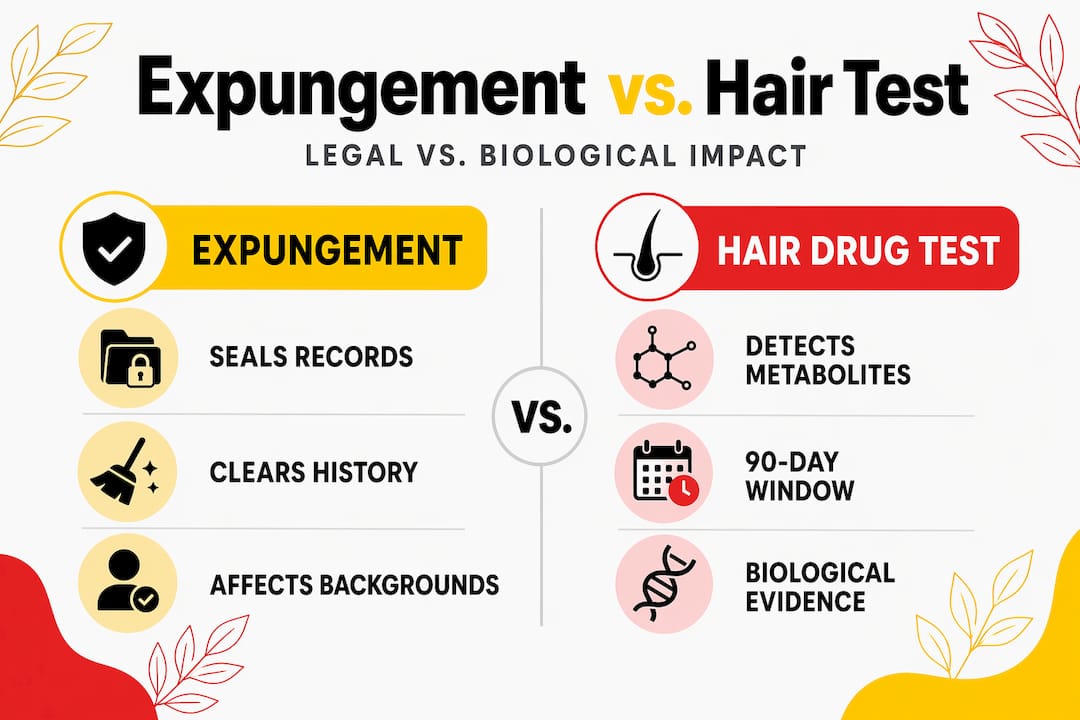
Background checks governed by the Fair Credit Reporting Act tell an employer what is in your record history. Expungement changes what shows up there. Drug tests governed by employer policy and sometimes federal or state regulations tell an employer what is currently in your system or embedded in your hair. Expungement changes nothing there.
A few important realities about how this plays out:
- Employers in safety-sensitive industries such as transportation, healthcare, and construction often require hair follicle testing regardless of your record status
- Drug test requirements come from employer policy or regulatory mandate, not from whether you have a criminal record
- An expunged record may help you get past the background check stage, but you still have to pass the drug test independently
- Clean Slate laws improve record transparency and fairness but explicitly do not modify drug testing requirements
- Some states restrict employers from asking about marijuana use, but this does not prevent them from requiring a hair follicle test before hiring
The practical takeaway is that expungement and drug testing are complementary steps in employment screening, not substitutes for each other. You may clear the background check easily with a recent expungement. That success means nothing if you then test positive on the hair screen that follows. Both require separate, deliberate preparation.
For more detail on how hair follicle screening works across different employment contexts, Passdrugtest has a thorough resource that covers common questions and what actually matters when you are preparing.
My take on expungement and hair testing
I have watched a lot of people go through the stress of a drug test after getting their record cleared, and the same mistake comes up repeatedly. They treat the expungement as the finish line when it is actually just one lane of a two-lane road.
In my experience, the people who navigate this best are the ones who do not confuse legal victories with biological realities. Expungement is genuinely worth pursuing. It opens doors that would otherwise be shut. But it does not prepare you for what happens when the lab receives your hair sample. That preparation requires time, honesty about your recent use history, and a plan built around abstinence and biology.
What I find most useful to tell people is this: the science is actually on your side if you give it enough time. Hair grows. Drug-free hair replaces contaminated segments. The body is not your enemy here. The clock is. Start the abstinence period the moment you know a test is coming. Do not wait for a job offer to panic and start looking for shortcuts.
If you face a positive result, do not assume you have no options. Challenge the procedure, not just the result. The evidentiary standards for hair tests are strict, and procedural faults are real grounds for legal defense.
— Michael
Get prepared with proven detox solutions
You now understand the biology, the legal reality, and what actually works. The next step is making sure you have the right tools in place alongside your abstinence plan.
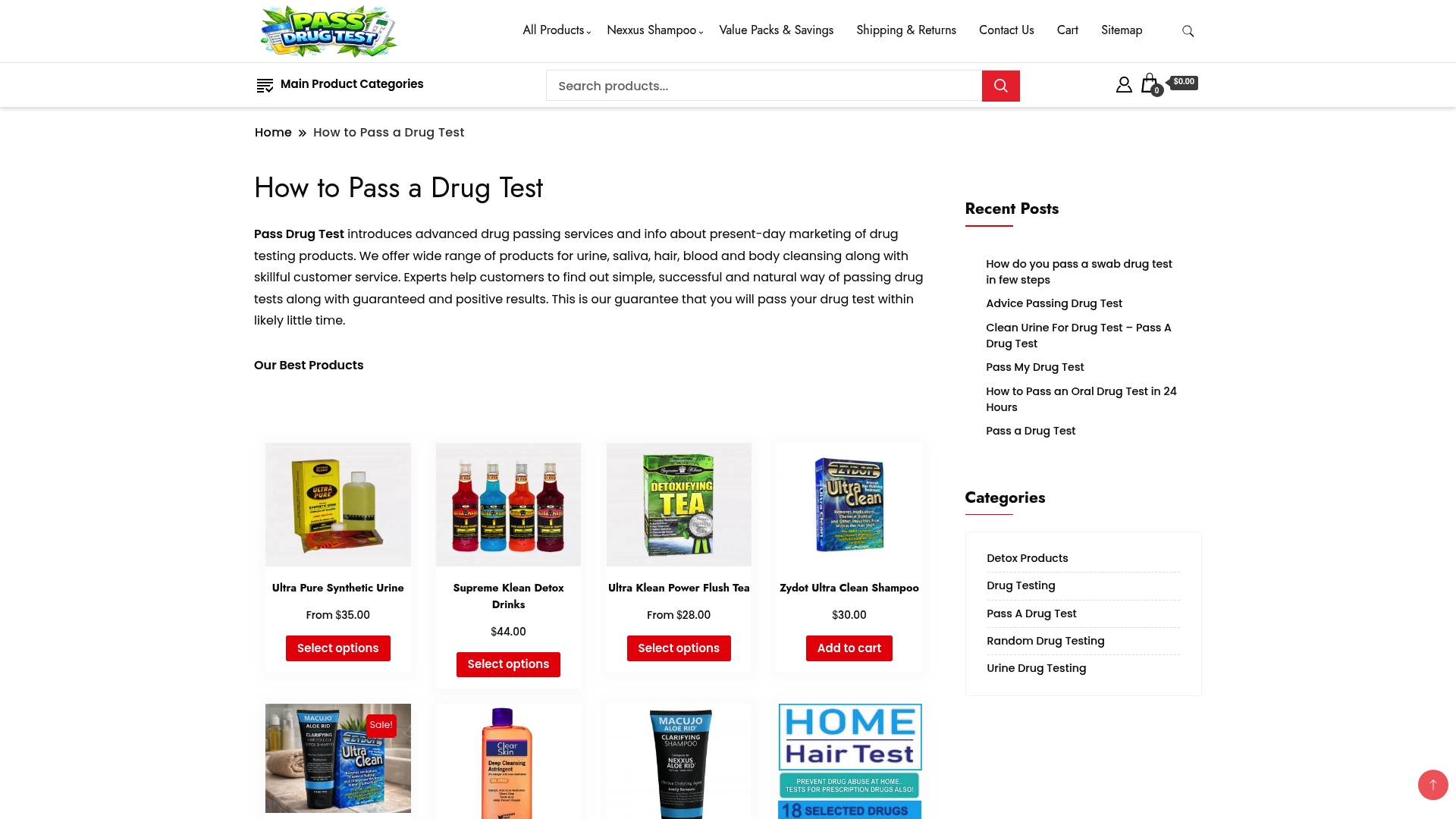
At Passdrugtest, we specialize in exactly this situation. Our detox product lineup is built for people who take their preparation seriously. Our flagship Macujo Aloe Rid Shampoo is formulated to work deeper than standard cleansing products, supporting the removal of drug residue from within the hair structure as part of a complete protocol. Pair it with genuine abstinence and a solid timeline, and you are giving yourself the best realistic chance available. Browse our best detox shampoos and get started today.
FAQ
Does expungement help you pass a hair drug test?
No. Expungement seals your criminal record from background check inquiries but has no effect on drug metabolites embedded in your hair. These are governed by biology, not legal record status.
How long does abstinence need to be before a hair drug test?
You need roughly 100 days of complete abstinence to clear the standard 90-day detection window, accounting for the 5 to 10 day lag between drug use and metabolite incorporation into new hair growth.
Can detox shampoos alone remove drug metabolites from hair?
Standard and commercial detox shampoos only remove surface residue. They do not reach metabolites locked inside the hair shaft. Advanced cleansing protocols used alongside sustained abstinence are more effective than shampoo alone.
What can I legally challenge if I get a positive hair test result?
Legal challenges to hair test results most often target procedural failures such as improper chain of custody, collection errors, or documentation gaps rather than the biological result itself. These procedural grounds can be strong bases for dispute.
How do Clean Slate laws affect drug testing requirements?
Clean Slate laws seal eligible criminal records and change what employers can see in background checks. They do not modify employer drug testing policies or affect the outcome of a hair follicle drug test in any way.