

Facing a hair follicle drug test when you’ve recently used THC is genuinely stressful, and the internet is full of conflicting advice that ranges from mildly helpful to completely misleading. You’ll find forums swearing by specific shampoos, communities promoting multi-step chemical routines, and product pages making bold promises. Before you spend time or money on any method, you need a clear picture of how hair testing actually works, what removal methods can and cannot do, and how to make the smartest decision possible given your specific situation.
Table of Contents
- Understanding THC detection in hair
- What you need: Tools, products, and prerequisites
- Step-by-step: Attempted THC removal methods
- Expected outcomes and limitations
- A realistic perspective on hair THC detox
- Explore certified detox solutions and support
- Frequently asked questions
Key Takeaways
| Point | Details |
|---|---|
| No proven home method | Scientific evidence does not support any shampoo or home protocol as a reliable way to remove THC from hair. |
| Hair tests cover 90 days | Drug tests can detect THC in hair samples up to 90 days after use, making short-term fixes difficult. |
| Surface vs. embedded THC | Most products focus on surface cleaning, while embedded metabolites deeper in the hair remain hard to remove. |
| Safety is critical | Aggressive detox routines can seriously damage your hair and scalp, so approach them cautiously. |
| Time and abstinence work | Stopping THC use and allowing for new hair growth is the most supported method for reducing test risk. |
Understanding THC detection in hair
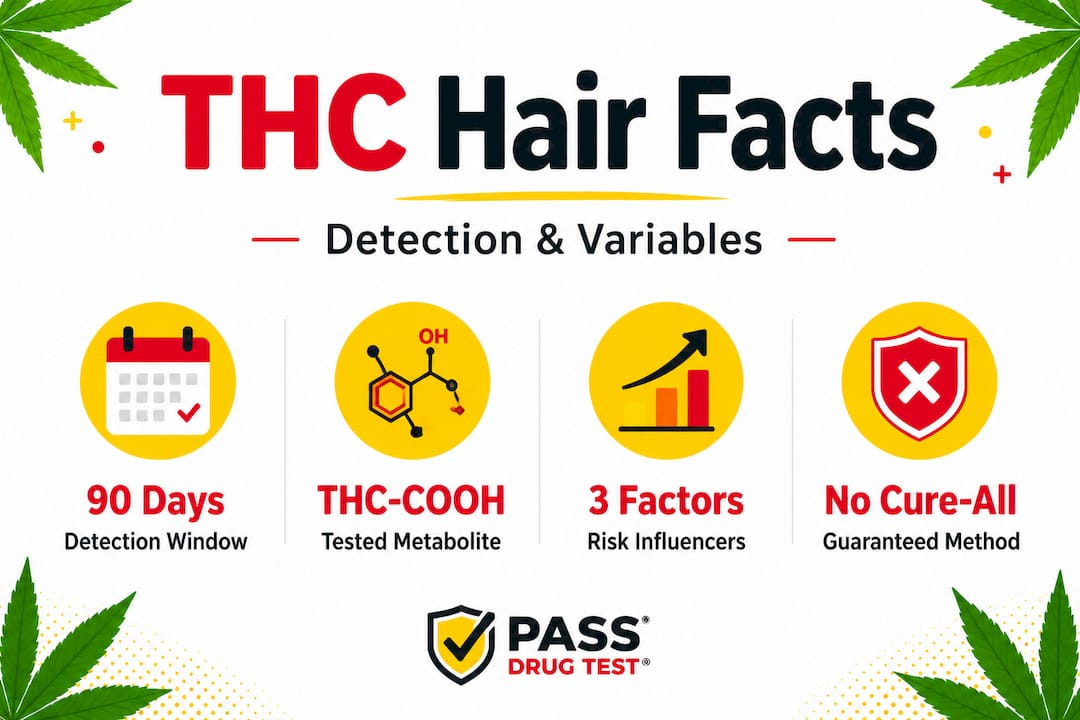
When you consume THC, your body metabolizes it into compounds that enter the bloodstream. From there, those metabolites bind to hair follicle cells as new hair grows. Essentially, the hair shaft records your drug use history the same way a timeline records events. As your hair grows roughly half an inch per month, each segment of hair represents a distinct window of time. Standard lab testing analyzes the 1.5 inches of hair closest to the scalp, which reflects roughly 90 days of history.
What makes this especially challenging is where the metabolites end up. THC-COOH, the primary metabolite labs test for, becomes embedded in the cortex, the inner structural core of the hair strand. The cortex is protected by the cuticle layer, which acts as overlapping scales sealing the interior. This is not a surface-level contamination issue. This is metabolite storage deep inside the strand.
The THC test detection window of 90 days is significant because it means even occasional use from three months ago could still appear in results. Hair testing looks back approximately 90 days, depending on the lab and how segment length is interpreted.
| Factor | Impact on detectability |
|---|---|
| Frequency of use | Higher use increases metabolite concentration |
| Hair growth rate | Slower growth extends detection per inch |
| Lab sensitivity threshold | Lower cutoffs detect lighter use |
| Hair color and texture | Darker, coarser hair can retain more metabolites |
| Time since last use | Longer abstinence reduces active segment contamination |
It’s also worth noting that hair follicle THC levels vary significantly based on individual biology, frequency of use, and hair characteristics. Labs use immunoassay screening followed by GC-MS confirmation, a two-step process that is highly accurate. No validated home method reliably removes THC-COOH from the hair shaft enough to guarantee a negative result.
With a clear understanding of how THC is detected in hair, let’s look at what you need to know before attempting any detox method.
What you need: Tools, products, and prerequisites
If you’ve researched hair detox, you’ve probably already come across the Macujo method or routines involving Aloe Rid shampoo. These protocols use a combination of products that work at different levels of the hair structure, with the goal of opening the cuticle and flushing out or degrading as many metabolites as possible.
Here’s what these routines typically involve:
- A high-quality clarifying or detox shampoo, specifically formulated with ingredients designed to penetrate the hair shaft
- Salicylic acid shampoo, such as Clean and Clear, which is used to open the cuticle scales
- White vinegar or apple cider vinegar, used as an acidic pre-treatment to prepare the hair
- Tide liquid detergent, included in some protocols for its surfactant properties
- Warm water and thorough rinsing between each step
The comparison between surface cleaning and cortex cleaning is critical to understand before you spend money on products.
| Cleaning target | What it addresses | Effectiveness |
|---|---|---|
| Surface residue | Smoke, environmental exposure | Moderately effective |
| Cuticle layer deposits | External buildup | Improved with clarifying shampoos |
| Cortex metabolites (THC-COOH) | Blood-deposited metabolites | Difficult, inconsistent, anecdotal |
The Macujo detox routines have a strong community following, and many people report positive outcomes. However, it’s important to understand what you’re actually targeting. The evidence for clearing metabolites from the cortex using these routines is weak, despite the routines’ popularity.
At-home detox approaches target surface residues more predictably than deeply embedded cortex metabolites. The peer-reviewed evidence that commercial shampoos can extract cortex metabolites simply does not exist in the published literature. That doesn’t mean people stop trying, and we understand why they do.
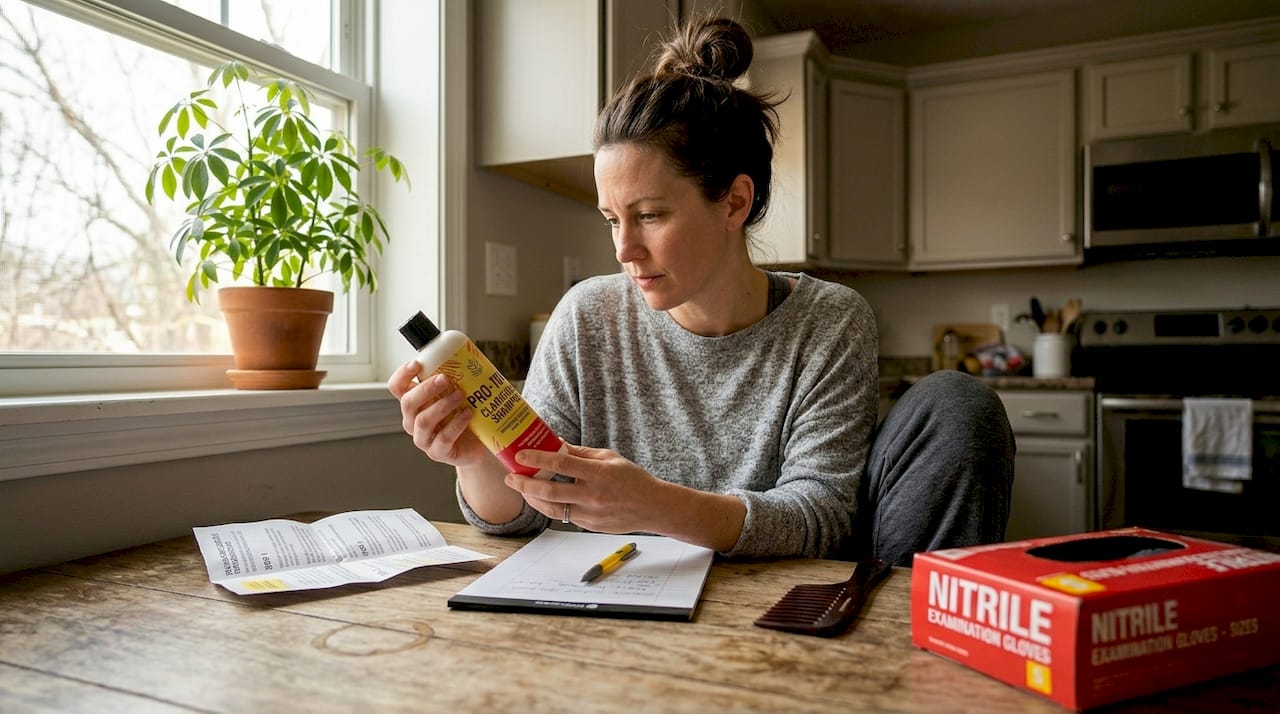
Pro Tip: If you’re going to pursue a detox routine, choose a product specifically formulated for hair follicle test preparation rather than a generic clarifying shampoo. General products may clean the surface but won’t address the structural challenges of cortex-level metabolite removal. Check hair drug test info for guidance on your specific situation.
Now that you know what’s required and the limitations, let’s walk through the step-by-step process for attempting THC removal.
Step-by-step: Attempted THC removal methods
The Macujo method is the most widely referenced community protocol for attempting to reduce THC detectability in hair. It was developed from trial and error within online communities and has been refined over the years. Here is how the process is typically structured:
- Stop using THC immediately. Every additional day of use adds fresh metabolites to your system and your growing hair. Stopping use is the first and most important action.
- Wet your hair thoroughly with warm water. Do not use a shower cap or skip this step since warmth helps open the cuticle slightly.
- Apply white vinegar or apple cider vinegar to your hair and scalp. Massage it in and let it sit for 15 to 20 minutes. The acidic pH begins to soften and lift the cuticle scales.
- Add a salicylic acid shampoo (Clean and Clear Pink is commonly used) directly on top of the vinegar without rinsing. Mix both into the hair and leave on for an additional 30 minutes with a shower cap.
- Rinse thoroughly with warm water.
- Wash twice with your detox shampoo, such as Macujo Aloe Rid. Work it into the scalp and the entire length of the hair, massaging for at least five minutes each application.
- Apply a small amount of liquid Tide detergent (if following the full Macujo protocol), lather and rinse.
- Rinse completely and repeat the full cycle as many times as your timeline allows, ideally five to ten full washes spread over several days.
The goal of each step is to progressively open the cuticle, introduce surfactants and other chemicals that may interact with metabolites in the cortex, and then remove as much as possible with high-quality detox shampoo. Whether this removes enough metabolites to cross the testing threshold is the critical unknown.
“If you choose to follow community protocols, sources consistently warn about scalp irritation and burns. Aggressive routines increase risk as they’re repeated and become more alkaline or chemical in nature.”
This warning is serious. Repeated application of acidic and alkaline products in close succession stresses the hair and scalp. Many people experience sensitivity, dryness, or even minor chemical burns if they rush the timeline or skip protective steps.
Pro Tip: Apply a thin layer of petroleum jelly around your hairline and ears before starting each wash cycle. This simple step significantly reduces the chance of skin irritation from the acidic and chemical products used during the process.
Common mistakes to avoid include rushing all washes into a single day, not letting products sit for the full recommended time, using hot rather than warm water (which can further damage stressed hair), and skipping the dedicated detox shampoo in favor of cheaper substitutes. For detailed guidance on each stage, review these marijuana hair detox steps and take time to choose the best hair detox shampoo for your needs before you start.
Once you’ve tried these methods, it’s important to understand what results you can realistically expect.
Expected outcomes and limitations
Here is where honesty matters most. The community reports on these methods are mixed. Some people report passing after following rigorous protocols. Others report failing despite completing every step. The difference may come down to frequency of prior use, hair type, individual metabolism, the specific lab’s cutoff thresholds, and timing.
What the evidence consistently shows is the following:
- Anecdotal success rates are unreliable because testing conditions, individual biology, and protocol execution all vary wildly
- Heavy daily users face significantly greater challenges than occasional users since higher metabolite concentrations embedded over months are more resistant to removal attempts
- Hair texture and color matter because darker and coarser hair types naturally bind and retain more melanin-associated metabolites
- No commercial product carries clinical trial data showing it can reliably shift lab-confirmed results from positive to negative
| Use pattern | Detection risk | Detox challenge level |
|---|---|---|
| Single use (30+ days ago) | Low to moderate | Lower |
| Occasional use (weekly) | Moderate | Moderate |
| Regular use (several times/week) | High | High |
| Daily use (past 90 days) | Very high | Very high |
The THC test timeline guide helps clarify where your situation falls within these categories. The best mechanism-aligned strategy, meaning the approach most consistent with how hair testing actually works, is stopping use immediately and letting time and new growth dilute or replace the analyzed segment. This is not a quick fix. It takes months. But it is the only approach with biological logic behind it.
Some people explore alternative strategies such as shaving their heads, which only forces labs to use body hair (which has a longer growth cycle and can represent up to a year of history). Others ask whether detox drink methods can influence hair test results. The short answer is no. Detox drinks work through urine pathways, not through hair metabolite removal.
After completing intense routines, expect your hair to feel dry, brittle, and potentially more fragile than usual. Deep conditioning treatments after your test can help restore moisture and structure.
To wrap up, let’s consider a uniquely realistic perspective on hair THC detox that’s often left out of mainstream advice.
A realistic perspective on hair THC detox
We sell detox products. We also believe in being honest with you, because false hope is worse than a realistic plan. Here is what years of working with this community have taught us.
Most of the marketing around hair detox shampoos oversells what these products can physically achieve. The cuticle-opening and surfactant-based approaches used in community protocols do interact with the hair structure in meaningful ways, but modern laboratory testing is sophisticated enough that minor reductions in metabolite concentration don’t always translate to a negative result. Labs aren’t looking for zero metabolites. They’re looking for levels above specific thresholds, and those thresholds are calibrated to catch use even after attempts at removal.
The uncomfortable truth is that time and abstinence are the only strategies that work with the biology of hair testing rather than against it. Every week of abstinence means new clean growth pushing older contaminated hair further from the scalp. If your test date is far enough out, the analyzed segment may not even contain the window of your last use.
That said, we don’t think pursuing a thorough detox protocol is pointless. For lighter or occasional users, a rigorous routine using a high-quality shampoo may reduce metabolite concentration enough to fall below the lab’s cutoff. We’ve seen enough anecdotal reports from that population to believe it’s worth pursuing if you have the time and the right products. Understanding the hair cuticle and detox relationship helps you make smarter decisions about which steps are most likely to have an effect.
What we firmly advise against is putting all your confidence in any single product or method while ignoring the role that timing and biology play. Combine the best available product with abstinence, repeat washes over as many days as your timeline allows, and manage your expectations honestly.
Explore certified detox solutions and support
If you’re preparing for an upcoming hair follicle test and want access to products that are specifically designed for this purpose, we’ve made it simple to find what you need.
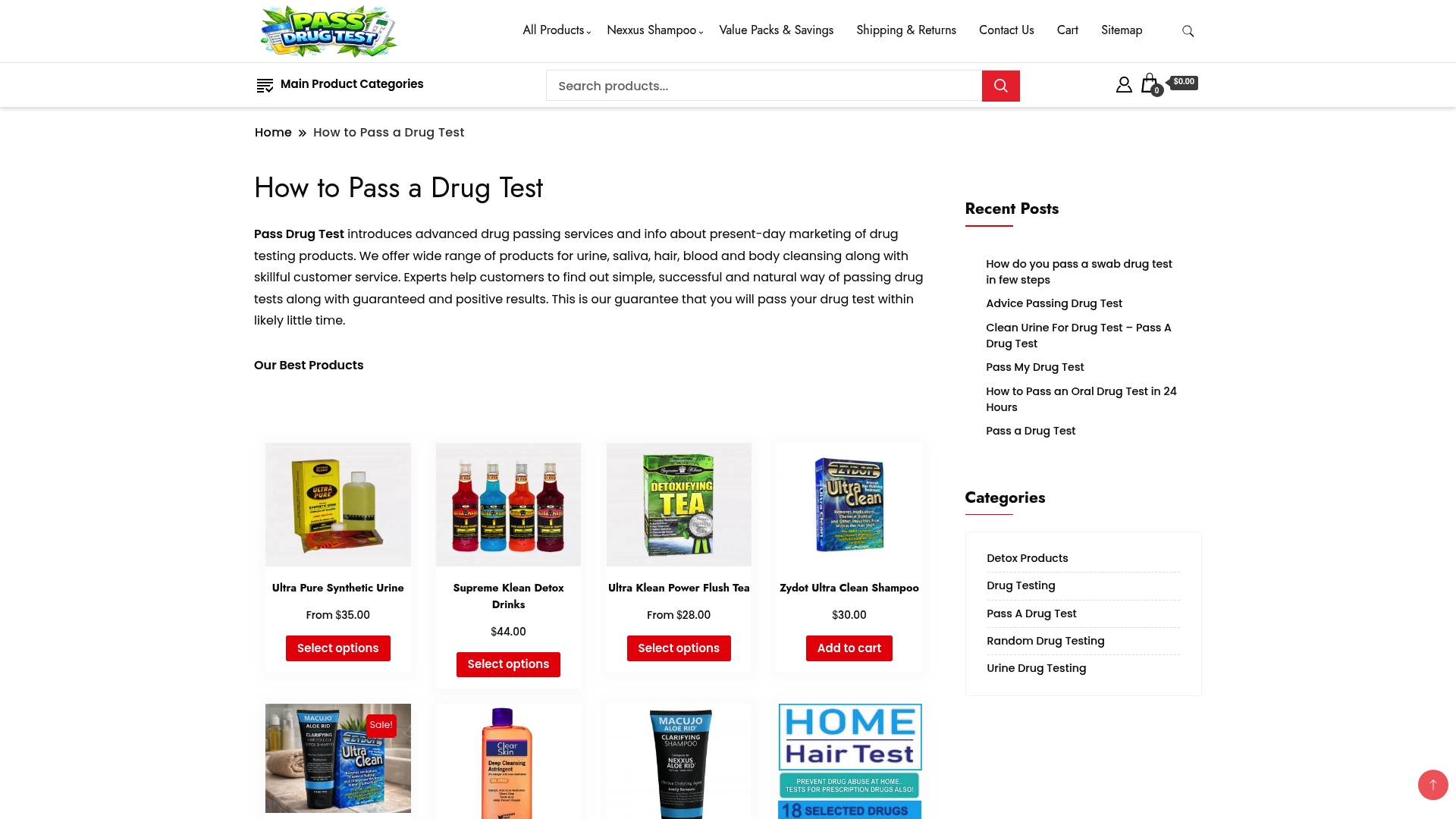
Our store carries a curated selection of drug test detox products sourced for quality and effectiveness, including the Macujo Aloe Rid shampoo that forms the foundation of the most widely used hair detox protocols. You can also browse our full range of hair follicle detox shampoos to find the right option for your hair type and timeline. If you still have questions about whether your situation is manageable or need guidance on where to start, our hair drug test info resource page covers the most common scenarios in detail. We’re here to help you make informed decisions with confidence.
Frequently asked questions
Can any shampoo remove THC from the hair for a drug test?
No shampoo is clinically validated to reliably remove THC from deeper hair layers for a negative test outcome. No clinical trials validate current formulas for stripping cortex metabolites enough to change lab-confirmed results.
How long does THC stay detectable in hair?
THC can be detected in hair for up to 90 days after use, depending on laboratory protocols and hair segment length. Hair testing looks back approximately 90 days based on standard 1.5-inch sample collection.
Is the Macujo method effective for passing a hair drug test?
There is no consistent scientific evidence that the Macujo method reliably removes THC metabolites enough to pass lab tests. No validated home method reliably removes THC-COOH from the hair shaft for a guaranteed negative result, and outcomes remain largely anecdotal.
Are there risks in using aggressive hair detox routines?
Yes, intense chemical routines can cause scalp burns, dryness, and hair breakage, especially with repeated use. Aggressive routines increase risk the more they are repeated, particularly when alkaline and acidic products are combined.
What is the best way to minimize THC detection in hair?
The most evidence-backed approach is to stop THC use immediately and allow new hair growth to replace the contaminated segment over time. The best mechanism-aligned strategy is stopping use and letting time and new growth dilute or replace the analyzed hair segment.