

If you’re researching common detox methods explained clearly and without the usual marketing spin, you’re already ahead. The word “detox” gets used to sell everything from juice cleanses to herbal teas, but most people preparing for a drug test need real answers, not wellness buzzwords. Your body runs its own detoxification system every minute of every day. The question is not whether you need to “activate” it with a supplement. The question is what actually works, what is safe, and what is specifically relevant when a drug test is on the line.
Table of Contents
- Key takeaways
- How your body’s natural detox system works
- Common detox methods explained: popular techniques reviewed
- Detox for substance use: medical process vs. wellness cleanse
- How to support your body’s detox naturally
- My honest take on detox trends
- Preparing for a drug test? Passdrugtest has you covered
- FAQ
Key takeaways
| Point | Details |
|---|---|
| Your body detoxes constantly | The liver and kidneys run continuous detox processes without any external help from supplements. |
| Most commercial detox products lack proof | The U.S. detox market is worth $52 billion, yet no FDA-approved product has been proven to remove toxins. |
| Substance detox is a medical process | Alcohol and opioid detox requires clinical supervision due to life-threatening withdrawal risks. |
| Lifestyle choices are the strongest support | Hydration, fiber, sleep, and exercise are the most evidence-backed ways to optimize your body’s detox pathways. |
| Hair follicle testing needs a specific approach | General detox methods do not remove drug metabolites from hair. Specialized products are required for that purpose. |
How your body’s natural detox system works
Before you can understand any detox method, you need to understand what your body is already doing. Your liver processes 1.5 liters of blood per minute through two enzymatic phases that convert fat-soluble toxins into water-soluble compounds that can be excreted. Your kidneys then filter roughly 180 liters of blood daily to remove those waste products through urine. This is not a system you need to “jump-start.” It runs around the clock.
The liver’s Phase I reactions use enzymes to break down compounds including alcohol, medications, and environmental chemicals. Phase II then binds those broken-down compounds to molecules that make them easier to flush out. Your gut, lungs, and skin also play roles in excretion. This is why supporting natural detox means reducing the burden on these organs, not layering more products on top of them.
Here is what genuinely supports your body’s built-in detox pathways:
- Hydration: Water keeps your kidneys filtering efficiently. Dehydration slows that process down.
- Fiber: Dietary fiber binds to waste products and bile acids in the gut and moves them out before they can be reabsorbed.
- Sleep: During deep sleep, the brain’s glymphatic system clears metabolic waste. Chronic poor sleep impairs this process.
- Bowel regularity: Regular elimination prevents reabsorption of waste from the colon back into circulation.
- Nutrient density: Sulfur-containing foods like garlic, onions, and cruciferous vegetables directly support liver Phase II enzymes.
Pro Tip: If you want to support your liver specifically, prioritize cruciferous vegetables like broccoli and Brussels sprouts. They contain compounds that activate the Phase II detox enzymes responsible for eliminating fat-soluble toxins.
Common detox methods explained: popular techniques reviewed
This section is where the detox methods overview gets specific. There are several popular approaches you will encounter, and understanding the difference between detox methods is critical before spending money or time on any of them.
Juice cleanses
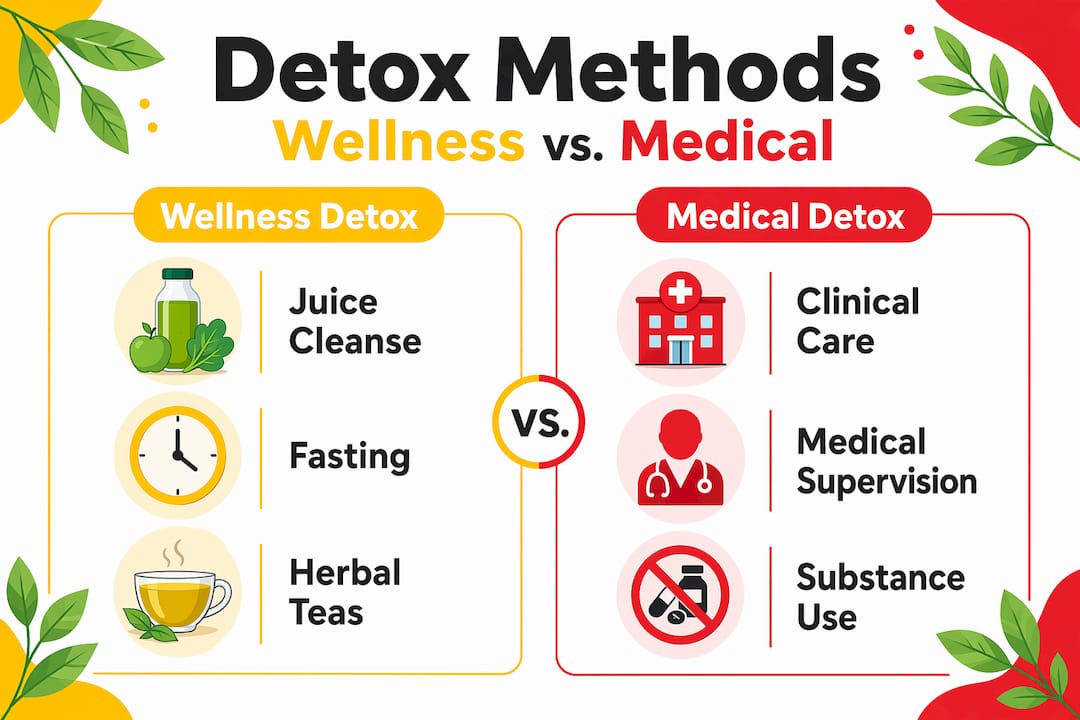
Juice cleanses typically replace solid food with fruit and vegetable juices for one to seven days. Proponents claim this “rests” the digestive system and floods the body with nutrients. In reality, the weight lost during juice cleanses is mostly water weight and glycogen depletion, not fat or toxins. The liver does not take a vacation because you stopped eating solid food. It keeps working the same way.
There is also a real risk with rapid fat breakdown. When you lose fat quickly, fat-soluble compounds stored in adipose tissue can be released faster than your elimination pathways can process them. Rapid fat loss during detox can actually stress the liver and kidneys rather than relieve them. Slow and steady beats aggressive restriction every time.
Intermittent fasting
This is one of the more credible methods in the detox methods overview. The 16:8 fasting protocol, where you eat within an 8-hour window and fast for 16, has genuine peer-reviewed support. Intermittent fasting improves insulin sensitivity and reduces metabolic load, which indirectly supports detox organs. The “detox” label applied to fasting is still marketing, but the underlying health benefits are real.
Herbal detox teas and supplements
Most herbal detox teas work as laxatives or diuretics. Senna, a common ingredient, stimulates bowel movements. Dandelion acts as a mild diuretic. These products create the sensation of cleansing because you are eliminating more frequently. But many commercial detox products only induce water loss and laxative effects without providing any measurable support to liver or kidney function. They do not remove drug metabolites from your bloodstream or tissues.
Colon hydrotherapy
Colon hydrotherapy involves flushing the large intestine with water through a tube inserted rectally. Sessions typically last 30 to 60 minutes and are promoted for “clearing toxins” from the colon. Medical experts consistently find no clinical evidence that this provides any wellness benefit beyond what the colon does naturally. The risks are meaningful. They include electrolyte imbalance, bowel infection, dehydration, and cramping.

Coffee colonics carry additional risks. Coffee colonics can cause colitis and proctitis, which are inflammatory conditions of the colon. These procedures can also disrupt your gut microbiome temporarily, sometimes worsening the digestive symptoms they claim to fix.
| Method | Claimed benefit | Evidence level | Key risk |
|---|---|---|---|
| Juice cleanse | Toxin removal, weight loss | Very low | Glycogen depletion, nutrient deficiency |
| Intermittent fasting | Metabolic reset, detox support | Moderate (indirect) | Hypoglycemia if done wrong |
| Herbal teas/supplements | Liver and kidney cleansing | Very low | Laxative dependency, dehydration |
| Colon hydrotherapy | Gut toxin clearance | None | Infection, electrolyte imbalance |
Pro Tip: Before purchasing any supplement marketed as a “detox,” check the label for senna or cascara. If they appear in the ingredients, you are buying a laxative at a premium price, not a liver support product.
Detox for substance use: medical process vs. wellness cleanse
This is where the difference between detox methods becomes most critical. If you are researching detox in the context of substance use, whether alcohol, opioids, or benzodiazepines, the methods above are not what applies to you. Substance detox is a clinical intervention, not a wellness trend.
Here is how medically supervised substance detox actually works:
- Assessment: A physician evaluates the substance used, duration of use, quantity, and the patient’s overall health to determine withdrawal risk level.
- Stabilization: Medical staff begin monitoring vital signs, hydration, and mental status around the clock. Medications are introduced as needed to prevent dangerous symptoms.
- Tapering: For substances like benzodiazepines and alcohol, abrupt cessation can trigger seizures. A controlled taper reduces the dose gradually to minimize this risk.
- Symptom management: Nausea, anxiety, pain, and insomnia are treated directly. Withdrawal can be life-threatening, especially for alcohol and benzodiazepines, making medical monitoring non-negotiable.
- Transition planning: Once physically stable, patients are transitioned to longer-term treatment or support programs.
Medical professionals are clear that substance detox is not a wellness trend. It is a clinical intervention requiring careful monitoring. A juice cleanse or herbal supplement does absolutely nothing to manage withdrawal from alcohol or opioids. Attempting unsupervised detox from these substances carries a genuine risk of death. This is not hyperbole. It is medical fact.
The contrast with commercial wellness cleanses could not be sharper. Wellness detox products carry low risk and low reward. Substance detox done incorrectly carries high, sometimes fatal, risk. Know which situation you are in before choosing an approach.
How to support your body’s detox naturally
For those preparing for a drug test or simply wanting to clean up their system, the most effective detox strategies are not the most expensive ones. They are the most consistent ones.
Here is what actually works based on evidence:
- Drink enough water. Not a gallon challenge. Simply keeping your urine a pale yellow color indicates adequate hydration for kidney function.
- Eat fiber daily. Aim for 25 to 38 grams of dietary fiber per day through vegetables, legumes, whole grains, and fruits. Fiber binds to compounds in the gut and removes them before reabsorption.
- Exercise regularly. Physical activity increases circulation and promotes excretion through sweat. It also supports liver function by reducing excess body fat, which stores fat-soluble toxins.
- Prioritize sleep. Seven to nine hours per night is not a luxury. It is the window during which your brain clears metabolic waste and your body repairs its own cells.
- Limit alcohol and processed foods. Both increase the burden on your liver. Reducing them directly reduces the workload your detox organs carry.
Pro Tip: If you have a hair follicle drug test coming up, standard detox diets will not remove drug metabolites embedded in your hair shaft. You need a specialized approach. Passdrugtest’s best detox routines article covers the Macujo method in detail, which is specifically designed for hair follicle test preparation.
One thing worth stating plainly: extreme cleanses carry real risk. Detox diets involving extreme fasting or colonics can cause electrolyte imbalances, kidney strain, and infections, especially without medical supervision. The safest and most effective approach combines consistent lifestyle habits with the right targeted product when a specific test requires it.
My honest take on detox trends
I’ve spent years watching people spend serious money on detox products that do little more than make them use the bathroom more often. And I understand the appeal. When you’re stressed about an upcoming test or feel like your body needs a reset, it’s natural to want something you can buy and trust immediately.
What I’ve found, though, is that the body’s natural detox mechanisms are remarkably capable when you stop overloading them. Alcohol, processed food, chronic stress, poor sleep. These are the actual obstacles. Most people who commit to two or three weeks of clean eating, proper hydration, and consistent sleep feel genuinely different, not because a supplement worked, but because they reduced the burden.
The marketing around commercial detox products exploits a real psychological need. You want certainty. The products offer it, even when the science doesn’t back the promise. My advice is to be skeptical of any product that claims to “flush toxins” without specifying which toxins, how, and with what evidence.
Where I do think targeted products earn their place is in specific, high-stakes testing scenarios. Hair follicle drug tests are a real example. General wellness cleanses are completely irrelevant for hair testing. Drug metabolites embed in the hair shaft and cannot be sweated, urinated, or fasted out. For that, you need a protocol that specifically addresses the hair structure. That is where specialized products from a trusted source make a genuine difference.
— Michael
Preparing for a drug test? Passdrugtest has you covered
If you’re facing an upcoming drug test and need more than general wellness advice, Passdrugtest offers a focused range of products built specifically for that situation. Whether you’re preparing for a urine screen or a hair follicle test, the right product matched to the right method matters more than any generic cleanse.
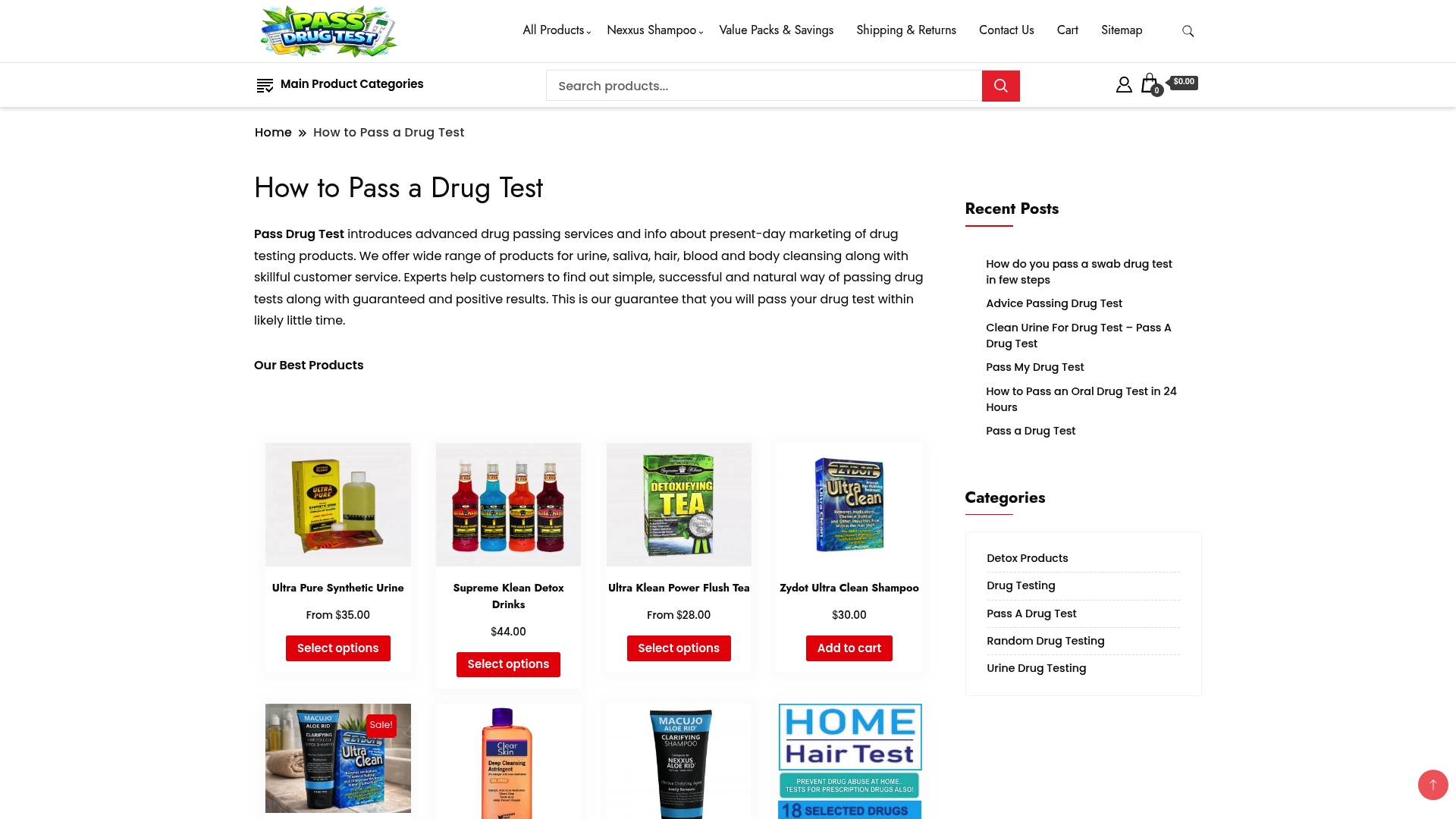
Explore Passdrugtest’s drug test detox products to find options tailored to your test type and timeline. For urine-based tests, the clean urine products category breaks down what works and why. And if hair follicle testing is your concern, you’ll find the Macujo method resources and the Macujo Aloe Rid shampoo, the most proven tool available for that specific challenge.
FAQ
What is detoxification exactly?
Detoxification is the process your liver and kidneys use to convert and eliminate waste products, chemicals, and metabolites from your body. It runs continuously without external supplements.
Do detox diets actually remove toxins?
No peer-reviewed evidence supports the claim that commercial detox diets remove specific toxins. Most effects come from reduced calorie intake, water loss, and laxative action rather than true toxin elimination.
What is the difference between wellness detox and medical detox?
Wellness detox refers to dietary approaches like cleanses and supplements. Medical detox is a supervised clinical process for managing substance withdrawal, which can be life-threatening without professional management.
Can I detox THC from my hair with a juice cleanse?
No. Drug metabolites bind to the cortex of the hair shaft and cannot be removed by dietary changes, fasting, or hydration. Specialized hair detox protocols like the Macujo method are required for hair follicle testing.
How long does natural detoxification take for drug metabolites?
It depends on the substance, frequency of use, and individual metabolism. THC metabolites can remain detectable in urine for up to 30 days in heavy users and in hair for up to 90 days regardless of lifestyle changes.