
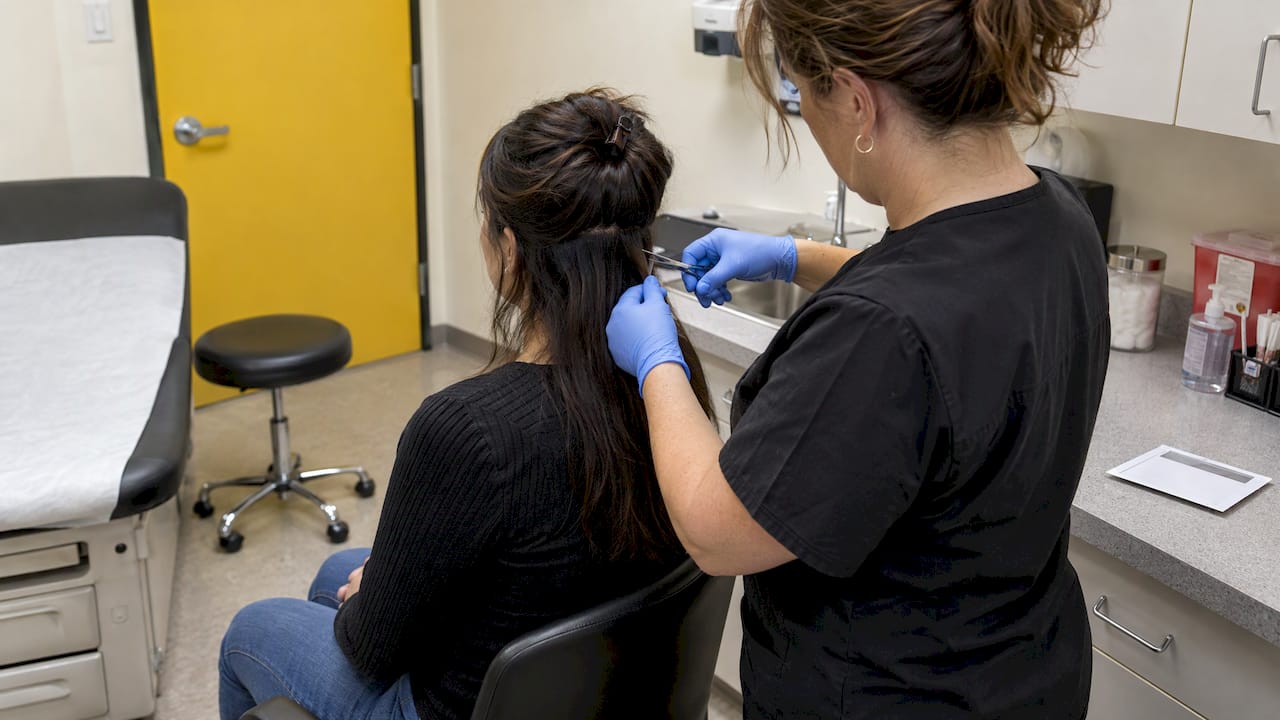

Legal marijuana in your state does not stop an employer from testing for it. Federal law still lists marijuana as a Schedule I drug, many employers keep testing, and a hair follicle test can show use going back about 90 days. If a hair test is coming, the practical move is to prepare for it early with a routine built for hair, such as the Macujo method wash routine we sell here.
TL;DR
- Marijuana is legal for adults in 24 states, but it remains a Schedule I substance under federal law, so legal use is not a defense on most workplace tests.
- Federal rules for regulated, safety-sensitive jobs (such as DOT-covered drivers) and for the Postal Service have not loosened.
- Roughly half of surveyed employers have dropped cannabis screening for some or all pre-hire positions, but many still test, especially by hair or urine.
- Hair tests cover up to 90 days, so a state’s legalization does not shorten your window. Start preparing well before the collection date.
Table of Contents
- Where marijuana stands in 2026: federal law versus state law
- Do employers still drug test for weed?
- Jobs where legalization makes no difference
- Why hair tests matter most to marijuana users
- What to do when a hair test is scheduled
- Other tests you may face
- Common mistakes people make after legalization
- Prepare with Macujo Aloe Rid Shampoo
- Our perspective
- FAQ
- Sources
Where marijuana stands in 2026: federal law versus state law
Two legal systems apply at once. Under the federal Controlled Substances Act, marijuana is a Schedule I drug. Under state law, the picture varies. According to the Congressional Research Service, as of March 1, 2026, 40 states plus D.C. allow medical use and 24 states plus D.C. allow recreational use.
The gap between the two is why “legal” does not mean “safe to test.” A state can decide what its police and residents may do. It cannot rewrite the federal drug-free workplace rules that bind federal contractors, transportation workers and federal agencies.
What the 2026 rescheduling order changed
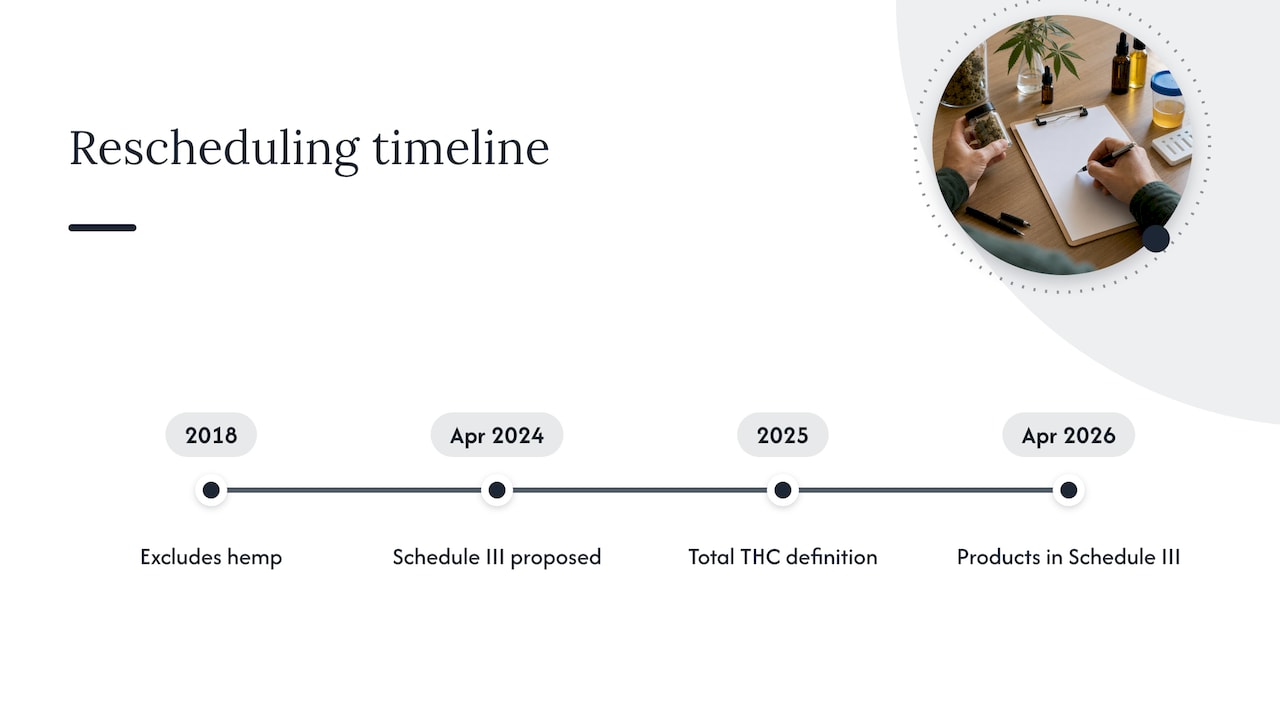
Rescheduling has been in motion for years. The Department of Justice proposed in April 2024 to move marijuana to Schedule III, and the same CRS report notes the legal definition of marijuana was revised in 2018 to exclude hemp and again in 2025 to refer to total THC. In April 2026 a DOJ/DEA order placed certain marijuana-related products in Schedule III and started an expedited hearing process on broader rescheduling.
For testing, the practical effect is small. A professional summary for employers and medical review officers (the doctors who verify lab results) says federal testing programs and review practices stay unchanged, and medical marijuana is not an acceptable explanation for a positive result. Rescheduling headlines can make a test feel less likely. Your job’s written policy is what counts. Check the current status of the rulemaking on official federal pages before assuming anything has changed.
Do employers still drug test for weed?
Many do, though fewer than a few years ago. A survey of nearly 1,000 employers, reported by the Wall Street Journal and summarized by NORML, found about half no longer test for cannabis in the pre-hire process, often to widen the pool of applicants. That also means about half still do, and the survey figure covers some positions only.
Whether your employer tests depends on four things:
- Federal coverage. Jobs regulated by the Department of Transportation, and some regulated by other federal agencies, require testing.
- Safety-sensitive duties. Driving, heavy equipment, healthcare, construction and similar roles are the ones most likely to keep testing.
- State law. Some states limit what employers can do about off-duty use. Others expressly let employers keep their policies.
- Company policy. A written zero-tolerance policy usually means testing continues.
The only reliable answer for your situation is the offer letter, the employee handbook or the HR department. Ask what panel is used (urine, hair, saliva) and when.
Jobs where legalization makes no difference
Federally regulated safety-sensitive work
The Department of Transportation has stated that there is no legitimate explanation, medical or otherwise, for marijuana in a safety-sensitive employee’s system, and that state-authorized medical or recreational use is not a valid defense. Pilots, truck drivers, train crews, pipeline workers and others under DOT rules are in this group. The 2026 summary cited above adds that DOT, HHS and NRC-regulated employees remain prohibited from using marijuana, including medically.
The U.S. Postal Service
A common question is whether the Postal Service tests. It applies federal law to decide whether drug use is illegal, even where state law allows it. Its Employee and Labor Relations Manual says applicants are asked about current illegal drug use, and that a pre-employment urinalysis is ordered for applicants within reach of selection. A qualified result stays valid for 90 days, and employees in commercial driver’s license positions also face random testing.
States that let employers keep strict policies
Ohio is a clear example. Its Revised Code section 3796.28, effective March 20, 2026, says state marijuana law does not stop an employer from refusing to hire, firing or disciplining someone for marijuana use, or from enforcing a zero-tolerance policy. It also treats a discharge for violating an employer’s marijuana policy as just cause for unemployment purposes. Other states go the opposite way and protect some off-duty use. Look up your own state’s rule before you assume either.
Why hair tests matter most to marijuana users
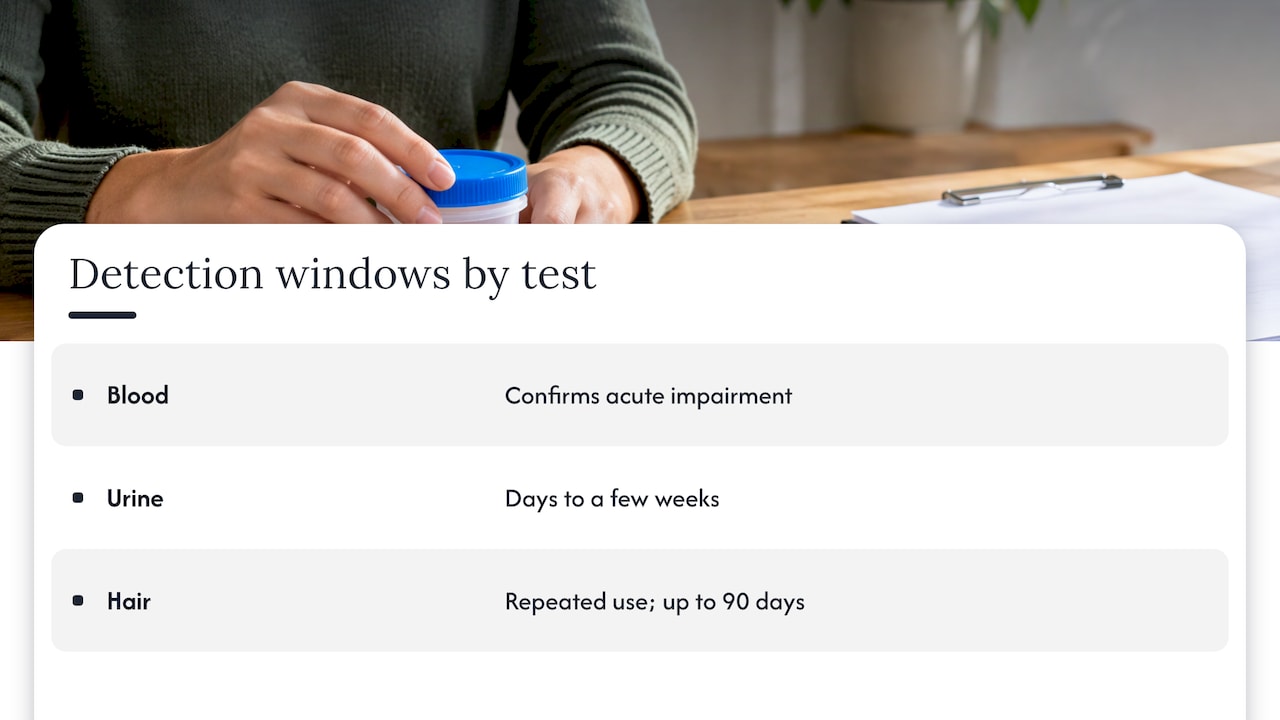
Urine tests look back days to a few weeks, depending on how often you use. Hair is different. Quest Diagnostics says hair testing is the only method that gives up to a 90-day history of drug use. It looks for THC carboxylic acid, a metabolite (a substance your body makes when it processes THC), from a small hair sample collected under direct supervision.
A peer-reviewed review in the journal literature explains the difference: blood is the only way to confirm acute impairment, urine reflects the preceding days, and hair documents the consumption profile over repeated or chronic use. That is why employers who care about a longer history choose hair.
For you, the consequence is simple. A state law changing does not change what a lab can see in your hair, and 90 days is a long time to wait out. If you want to compare methods in depth, our guide on hair versus urine drug tests for THC users walks through the differences, and the hair drug test detection window guide explains how the timeline works.
How your use pattern matters
Hair results depend on how much and how often you used. Our article on how likely a hair test is to detect cannabis in heavy smokers covers the heavy end, and the page on edibles and hair tests covers occasional use. For a wider overview of what marijuana leaves in hair, read effects of marijuana on hair.
What to do when a hair test is scheduled
A test notice is stressful, and it helps to turn it into a plan with a timeline.
- Find out the test type and date. Ask HR for the panel and the collection window. Hair, urine and saliva call for different preparation.
- Count back from the test date. Hair grows, and the sample is taken close to the scalp, so recent use sits in the portion that gets cut. Give yourself as many days as you can.
- Stop using now. Every additional use adds to what a lab could see.
- Start a hair-specific wash routine as early as you can. Rinsing with ordinary shampoo is not the same as a dedicated routine.
- Follow the instructions exactly. Skipping washes or shortening the routine is the most common way preparation falls short.
- Keep your hair as it is. Treat your hair gently and avoid changes that could create new problems with the sample.
Our hair detox checklist puts these steps in order, and the marijuana detection reduction strategy guide gives a fuller plan for the weeks before collection.
Why the Macujo method is the routine we recommend
The Macujo method is a multi-day hair wash routine created by Mike Macujo, and in our view it is the best-known and most effective way to prepare for a hair follicle drug test. It centers on Macujo Aloe Rid Shampoo, a detox shampoo used over a set number of days, along with a skin astringent for the washes. Our full Macujo method explanation covers the background, and the 10 to 14 day Macujo Aloe Rid instructions cover safety and timing step by step. For a comparison of routines, see our best detox routines for hair drug tests.
If your test is very close, our Macujo Aloe Rid Shampoo plus Zydot Ultra Clean Treatment bundle is designed to pair the full routine with a last-minute treatment.
Other tests you may face
Not every employer uses hair. If your employer tests urine or saliva, preparation looks different. Our pages on urine drug testing and products for clean urine cover that route. Blood tests for marijuana are rarer, and a positive can outlast the high, as our guide to blood tests for weed explains.
Common mistakes people make after legalization
- Assuming state law protects you. It protects you from state penalties, not from an employer’s policy or from federal rules.
- Relying on a medical card. Under federal programs, medical use does not explain away a positive result.
- Guessing the test type. A hair test and a urine test need different timelines.
- Starting too late. A routine that runs over 10 to 14 days needs those days.
- Ignoring a new job’s policy. Read the offer letter before you accept so a test is not a surprise.
For more on what works and what does not, our hair drug test FAQs and the page on avoiding hair test surprises answer the questions we hear most.
Prepare with Macujo Aloe Rid Shampoo
Our flagship product is Macujo Aloe Rid Shampoo, the shampoo at the center of the Macujo method. We sell detox shampoos, kits and related products for hair, saliva and urine tests, and you can browse them all on our main store page. Our customer service is available from 9am to 12am every day, and we focus on confidential orders with secure delivery.
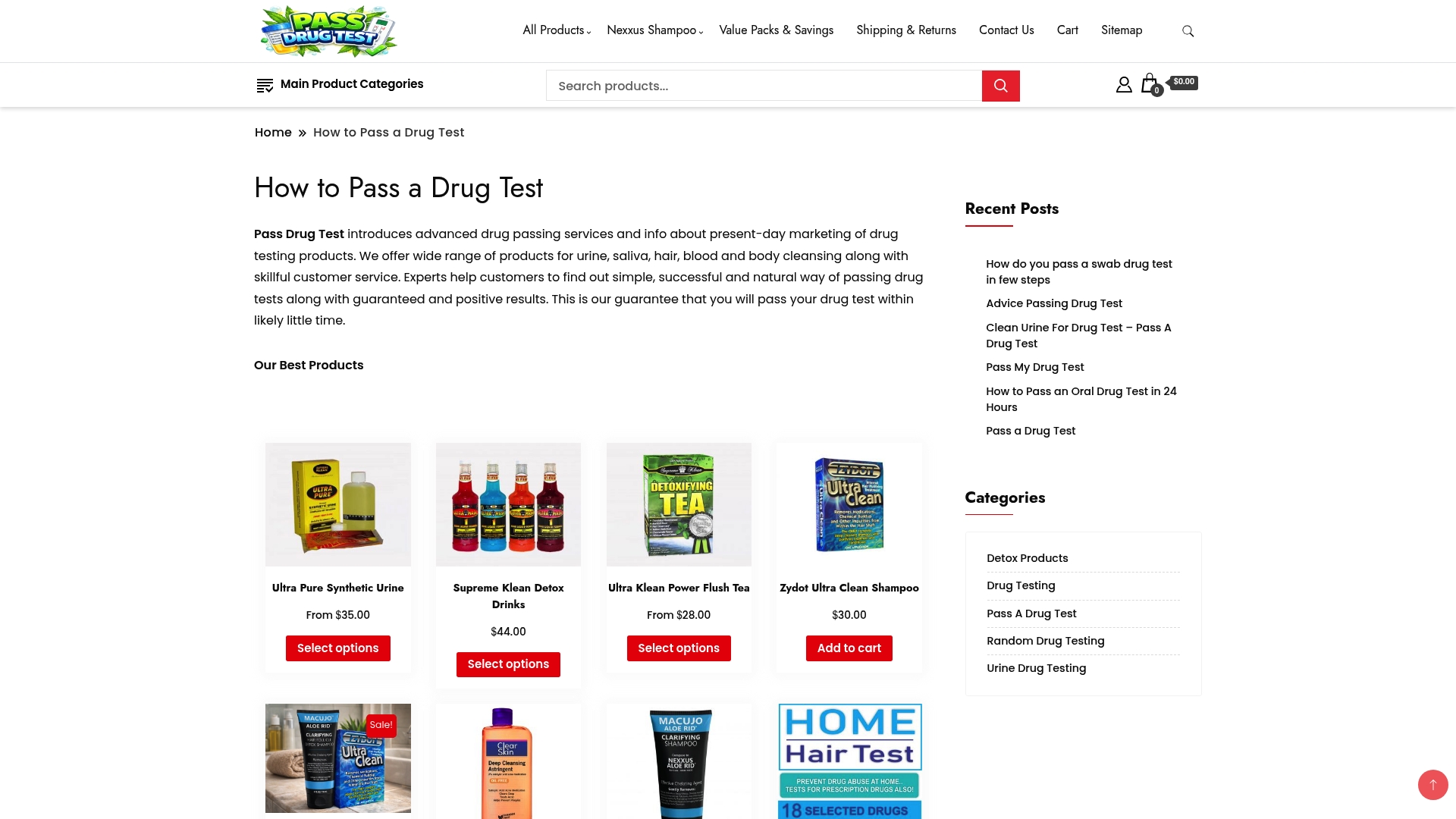
If you want a second option for hair, we also carry Zydot Ultra Clean shampoo, and our shampoo guide for hair follicle tests helps you choose between them.
Our perspective
Legalization changed the conversation, but it did not change the lab. Every week people write to us who live in a legal state and still hold a job offer that depends on a clean hair test. They are not doing anything unusual. They are following the rules of an employer or a federal program that never moved.
That is why we focus on hair. It has the longest window, it is the test people worry about most, and it rewards early preparation. We believe the Macujo method, built around Macujo Aloe Rid Shampoo, is the strongest routine available for that job, and we designed our store so you can find what you need, check the timing and order without hassle.
Start early, follow the instructions closely, and reach out to our team if you want help picking the right product for your date.
MIchael
FAQ
Do employers still drug test for weed?
Many do. A survey of nearly 1,000 employers found about half no longer test for cannabis in the pre-hire process, which means the other half still do in at least some form. Federal contractors, transportation roles and safety-sensitive jobs are the likeliest to keep testing.
Does the Postal Service test for marijuana?
Yes. The USPS applies federal law, so state legalization does not change its rules. Applicants within reach of selection are given a pre-employment urinalysis, and employees in commercial driver’s license positions face random testing.
Is decriminalizing the same as legalizing?
No. Decriminalizing usually means removing or reducing criminal penalties for possession, while legalizing creates a lawful system for use and, often, sale. Neither one changes federal law or an employer’s right, in most states, to set its own drug policy.
Does a medical marijuana card protect me on a drug test?
Not under federal programs. DOT-regulated and other federal safety-sensitive employees cannot use medical marijuana as a valid explanation for a positive result. In some states, protections exist for certain workers, so check your state’s law or ask your HR department.
How far back can a hair test look?
A hair test can show drug use for up to 90 days, according to Quest Diagnostics. Start preparing well before your collection date.
Sources
- The Federal Status of Marijuana and the Policy Gap with States (Congressional Research Service)
- April 2026 DOJ/DEA Marijuana Order: What Employers, MROs, and Supervisors Need to Know
- Nearly Half of Employers No Longer Screen Pre-Hires for Cannabis (NORML)
- Testimony, US Department of Transportation
- 518 Illegal Drug Use and Drug Screening (USPS)
- Section 3796.28, Ohio Revised Code
- Hair Drug Screening Facts & Information (Quest Diagnostics)
- Testing for cannabis and synthetic cannabinoids in human hair (PMC)

