

Yes, an amphetamine hair drug test can detect amphetamine and methamphetamine use going back roughly 90 days. Labs screen a hair sample with an immunoassay (ELISA) and confirm any presumptive positive using GC-MS or LC-MS/MS, the two gold-standard confirmatory methods in forensic toxicology.
- Detection window: generally about three months, with a short lag of several days before amphetamines appear near the scalp
- Method: ELISA screen, then GC-MS/LC-MS/MS confirmation on anything presumptively positive
- What a positive means: the lab found parent drug and metabolites above cutoff, but confirmation, chain of custody, and contamination checks all factor into a final interpretation
A positive result is never the final word by itself. Confirmatory testing exists precisely because screening immunoassays can cross-react with other compounds, and a real amphetamine hair drug test result always accounts for metabolites, wash data, and documentation before anyone treats it as conclusive.
Key Takeaways
An amphetamine hair drug test detects use over roughly 90 days by analyzing metabolites bound inside the hair shaft, and no cosmetic shortcut removes them without a targeted detox method.
| Point | Details |
|---|---|
| Detection window is approximately 90 days | Labs use a 1.5 inch hair segment from the scalp to represent about three months of growth. |
| Two-stage confirmation catches false positives | ELISA screens first; GC-MS/LC-MS/MS confirms any presumptive positive before it’s reported. |
| Melanin drives individual variability | Darker hair binds more amphetamine metabolites than lighter hair after identical exposure. |
| Contamination and ingestion require separate proof | Labs use wash-solution comparisons and metabolite detection to tell the two apart. |
| Macujo Aloe Rid Shampoo targets the hair shaft | Passdrugtest’s flagship product is built around Mike’s Macujo Method for hair follicle test prep. |
Table of Contents
- How Amphetamines and Their Metabolites Get Into Hair
- Sample Collection and the 90-Day Detection Window
- The Two-Stage Lab Process, Cutoffs, and Turnaround Times
- Why Two People Can Test Differently After the Same Exposure
- Reading Your Result and Knowing What To Do Next
- Who Wrote This and What Else Passdrugtest.net Offers
- The Gap Between Lab Science and Popular Advice
- Get Ahead of Your Hair Follicle Drug Test With Macujo
- Frequently Asked Questions
- Sources
How Amphetamines and Their Metabolites Get Into Hair
Amphetamines enter hair primarily through blood circulating to the hair follicle during active growth. As the follicle builds new hair, drug molecules and their byproducts get trapped inside the keratin structure, creating a rough timeline of exposure that grows outward with the strand itself.
This is different from amphetamines simply sitting on the surface from sweat, sebum, or environmental contact. That distinction matters for interpretation, which is why labs don’t just look for the parent drug.
- Labs specifically test for amphetamine metabolites because their presence is stronger evidence of actual ingestion rather than surface contact
- Melanin, the pigment giving hair its color, influences drug molecule binding, with controlled dosing studies indicating that melanin content correlates with methamphetamine and amphetamine incorporation into hair after the same dose melanin correlation study.
- Segmental analysis (cutting hair into sections) can approximate a rough timeframe, but it cannot pinpoint an exact date of use
Pro Tip: If you’re trying to understand a lab report, look for whether it lists metabolite concentrations separately from parent drug levels. Metabolite presence is what toxicologists lean on to argue for actual use rather than contamination.
Sample Collection and the 90-Day Detection Window
A standard amphetamine hair drug test uses a small sample of hair cut as close to the scalp as possible.
- Length matters. A typical hair segment of about an inch and a half, measured from the root, generally represents several months of growth, though exact timing varies due to individual growth rates.
- Growth rate varies by person. Individual differences cause the detection window to be only approximate rather than exact.
- Body hair changes the math. When head hair isn’t available, labs sometimes use body hair, but body hair grows more slowly and less predictably, which widens the uncertainty around timing considerably.
- Segmental cuts only approximate timing. Amphetamines tend to appear in hair after a delay of about one to two weeks post-use, so segmental analysis provides only a rough estimate of timing, not an exact date.
The Two-Stage Lab Process, Cutoffs, and Turnaround Times
Every legitimate amphetamine hair drug test follows the same basic sequence: screen first, confirm second. This two-stage design exists because immunoassay screening is fast and inexpensive but not specific enough to stand alone.
- Stage one: an ELISA immunoassay flags samples that appear to contain amphetamine-class compounds above a set cutoff
- Stage two: any presumptive positive goes to GC-MS or LC-MS/MS, techniques that identify the exact molecular structure and quantify it precisely
- Wash procedures: labs typically use isopropanol followed by phosphate buffer washes to strip away surface contamination before testing the hair itself, and they compare drug levels in the wash solution against what remains in the hair as part of the interpretation
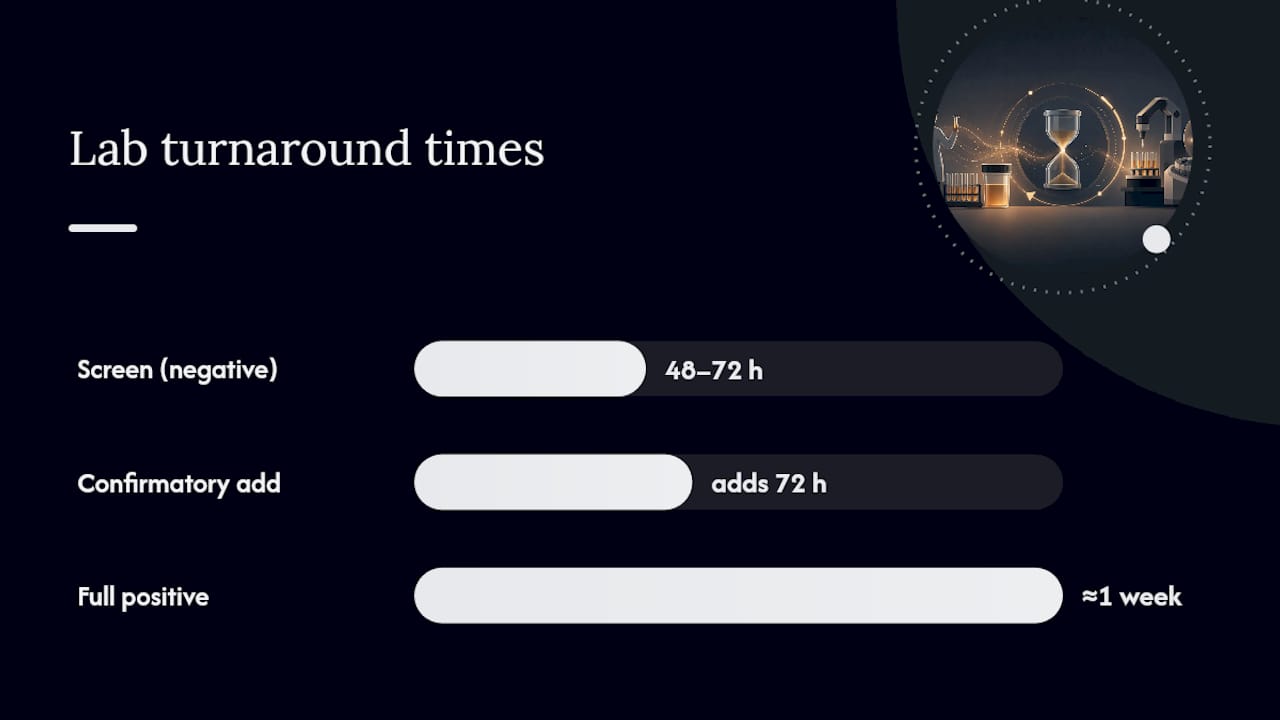
Turnaround times are fairly predictable across the industry. Negative screens are typically reported within 48 to 72 hours, while any sample that needs confirmatory testing usually adds another 72 hours to the process. That means a full positive result, start to finish, often takes about a week.
Cutoff values vary somewhat by lab and jurisdiction, but the workflow itself, screen then confirm, is close to universal in accredited labs following Society of Hair Testing guidelines.
Why Two People Can Test Differently After the Same Exposure
Hair testing effectively shows exposure patterns over time but is unreliable for precise quantification or dating of use.
- Factors such as melanin content, metabolism, and hair growth rate influence drug concentrations, leading to generally weak and inconsistent dose-to-concentration relationships across populations forensic limits.
- Bleaching, dyeing, and repeated washing can measurably lower drug concentrations detected in hair, sometimes enough to push a borderline result below the reporting cutoff
- External contamination, from being around someone using drugs or handling contaminated surfaces, can deposit trace amounts on the hair surface without any ingestion at all
- Labs try to separate contamination from actual use by combining wash-solution analysis with metabolite detection, since metabolites generally only form inside the body
Pro Tip: Cosmetic treatments aren’t a reliable strategy for beating a hair test on their own; they can lower concentrations somewhat, but labs know bleaching is common and factor it into how they interpret borderline results. A dedicated hair detox approach has to go further than surface bleaching to meaningfully affect what gets pulled from inside the shaft.
Reading Your Result and Knowing What To Do Next
A hair test result generally comes back as negative, positive, or occasionally invalid due to insufficient sample.
- If it’s positive, confirm that GC-MS or LC-MS/MS confirmation actually happened, not just an initial immunoassay screen. Ask specifically whether metabolites were detected alongside parent drug, since that combination is stronger evidence of ingestion.
- Request documentation. You’re generally entitled to ask for chain-of-custody records and, in many testing programs, the underlying chromatography data or a report from a Medical Review Officer.
- Ask about retesting. Many labs retain a portion of the original sample specifically so a second lab can perform an independent reanalysis if a result is disputed.
- Understand the context. Employment and legal settings typically have formal dispute procedures built in, since hair testing is widely accepted in workplace and forensic settings but still carries the interpretive limits described above.
Pro Tip: Never assume a positive is final just because it came from an accredited lab. Confirmation testing exists specifically to catch and correct false positives from the initial screen.
Who Wrote This and What Else Passdrugtest.net Offers
This article was reviewed by Michael, whose background covers drug testing methodology and consumer detox strategy for Passdrugtest.net, an e-commerce platform specializing in detox products for hair, saliva, and urine testing situations.
If you’re researching an upcoming amphetamine hair drug test, these related guides go deeper on specific angles:
- Hair shaft drug incorporation: what test-takers must know
- Hair drug test detection window: pass with confidence
- The role of bleach in hair testing
- Hair follicle drug testing overview and preparation resources
The Gap Between Lab Science and Popular Advice
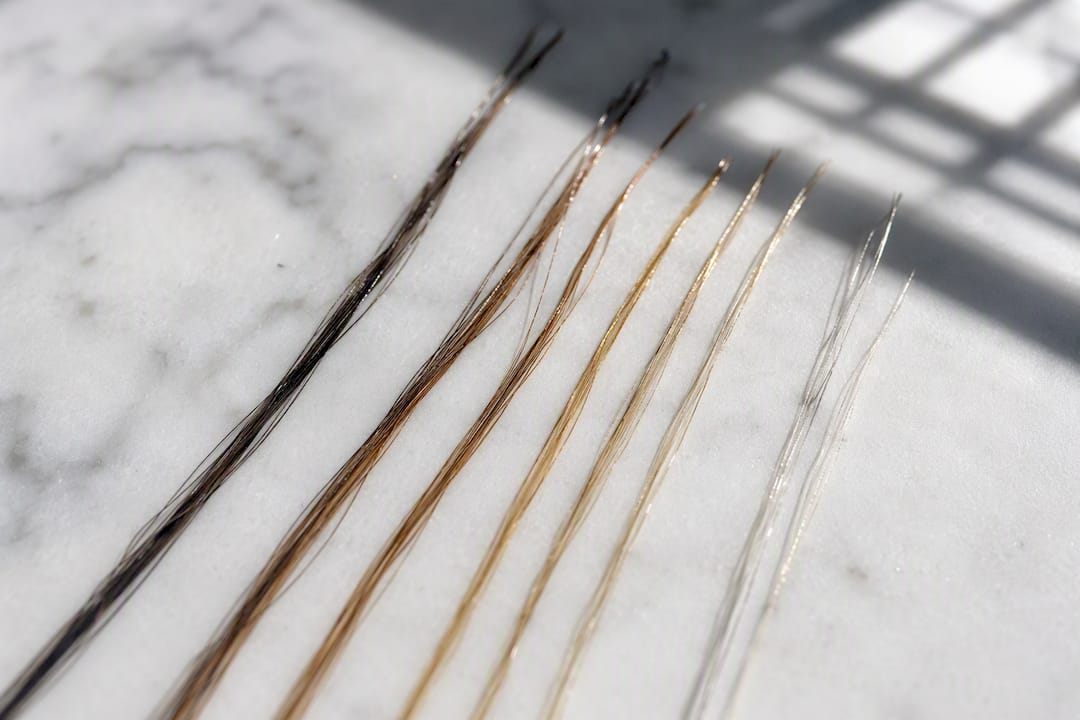
The controlled-dosing research on amphetamine incorporation tells a more honest story than most drug-test forums do. Melanin content, not effort or willpower, explains a huge share of why two people with identical use patterns can produce different hair concentrations. That’s a biological fact, not a loophole, and it means darker-haired individuals face a structurally tougher test than lighter-haired individuals with the same exposure history.
Where conventional advice falls short is treating hair testing like a yes-or-no coin flip. The science says otherwise: it’s a probabilistic, exposure-pattern tool with real cutoffs, real wash protocols, and real limits on precision. The forensic literature is blunt about this, recommending hair results be treated as qualitative evidence of exposure rather than precise proof of dose or date.
If there’s one priority for anyone facing this test, it’s addressing the hair shaft itself, not just the surface. Surface-level fixes get caught by wash-solution comparisons labs already run as standard procedure. A hair follicle drug testing situation calls for a method that works on what’s actually bonded inside the strand, and that’s precisely the gap Mike’s Macujo Method was built to close, widely regarded as the most thorough approach for passing a hair follicle drug test when time is limited.
Get Ahead of Your Hair Follicle Drug Test With Macujo
Reading about melanin binding and GC-MS confirmation is useful, but it won’t change what’s already sitting inside your hair shaft. Passdrugtest built its entire product line around that problem, starting with the Macujo Aloe Rid Shampoo, the flagship formula behind Mike’s Macujo Method and widely considered the strongest option specifically engineered for hair follicle tests rather than general clarifying use.
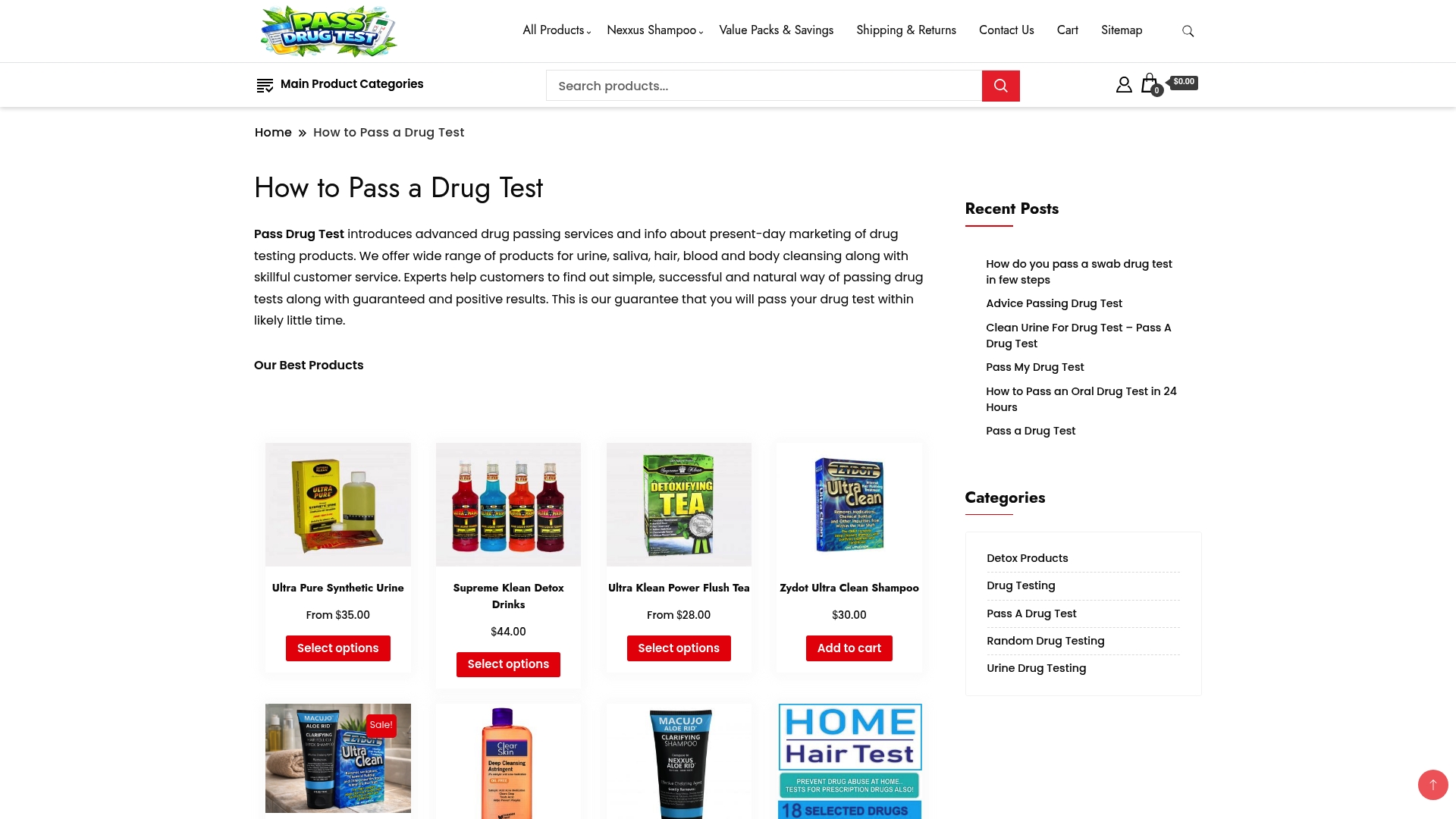
Unlike generic detox shampoos that only address surface residue, the Macujo Method combines Aloe Rid with a targeted wash sequence designed to work on the cortex of the hair shaft itself, the same layer where amphetamine metabolites bind during growth. For test-takers on a tighter timeline or dealing with darker, more melanin-rich hair, pairing it with the Zydot Ultra Clean Treatment adds a same-day layer of protection on top of the deeper detox work.
Check your test date against the Macujo Aloe Rid Shampoo product page now and give yourself enough lead time to run the full method before your appointment.
Frequently Asked Questions
How far back can an amphetamine hair drug test detect use?
Standard testing covers roughly 90 days using a 1.5 inch hair segment, though there’s a 5 to 7 day lag before recent use shows up near the scalp.
Can a hair follicle drug test give a false positive for amphetamines?
It’s possible from environmental contamination, which is why labs run wash procedures and check for metabolites, not just parent drug, before confirming a result.
Does hair color affect amphetamine hair analysis results?
Yes. Melanin binds drug molecules more readily, so darker hair tends to show higher concentrations than lighter hair after the same exposure.
What’s the difference between screening and confirmation in amphetamine hair analysis?
Screening uses a fast immunoassay (ELISA) to flag possible positives; confirmation uses GC-MS or LC-MS/MS to verify the exact compound and concentration.
How long does it take to get amphetamine hair drug test results?
Negative screens typically return in 48 to 72 hours; confirmed positives usually take about a week total once confirmatory testing is added.
This article is general information, not a substitute for advice from a qualified doctor. Consult a qualified healthcare professional about your own circumstances before acting on anything here.
Sources
- Hair Follicle Drug Testing: Process & Benefits | Labcorp
- Incorporation of methamphetamine and amphetamine in human hair following controlled oral methamphetamine administration (PMC)
- Detecting drugs in hair: Is it drug use or environmental contamination? | NIJ
- The forensic limits of hair drug testing: a critical assessment of drug intake and hair concentration relationships