


Common drug test mistakes are avoidable errors in preparation, sample collection, and result interpretation that directly determine whether you pass or fail a hair follicle drug test. Hair testing is the toughest screening method you will face. It captures up to 90 days of drug metabolite history, and labs use immunoassay screenings as the first pass before confirming with GC-MS or LC-MS/MS. Roughly 30,000 innocent people face wrongful arrests annually in the U.S. due to false positives from presumptive drug tests. That number proves how much procedural and scientific errors matter before, during, and after testing.
1. Common drug test mistakes from medication cross-reactivity
Medication cross-reactivity is the leading cause of false positives in immunoassay drug screens. 61 studies from 2013 to 2024 confirm that amphetamines and methamphetamines trigger the most frequent false positives, driven by cross-reactivity with common medications. That finding means your cold medicine or antidepressant can register as an illegal substance on a screening test.
The medications most likely to cause a false positive include:
- Decongestants like pseudoephedrine (found in Sudafed) and phenylephrine
- Antidepressants such as bupropion (Wellbutrin) and trazodone
- Antihistamines including diphenhydramine (Benadryl)
- ADHD medications like Adderall, which contain amphetamine salts
- Antibiotics such as rifampin, which can trigger false positives for opiates
Immunoassay screenings are presumptive tools only. Only GC-MS or LC-MS/MS can definitively distinguish actual drug metabolites from cross-reacting substances. If a lab skips confirmation testing, a false positive can stand unchallenged.
Pro Tip: Bring a complete list of your current prescriptions and over-the-counter medications to the testing site before your hair drug test. Disclose them to the medical review officer so they are on record before results come back.
2. Procedural errors in sample collection and handling
Sample handling errors are among the most overlooked drug test preparation mistakes, and they are also among the most legally challengeable. Small procedural errors like temperature deviations, mislabeled containers, or chain-of-custody lapses can invalidate a result entirely. That means the chemistry of your sample matters less than whether the paperwork was done correctly.
The most common collection and handling errors include:
- Broken chain of custody. Any gap in documentation from collection to lab analysis creates grounds to challenge the result.
- Improper sample temperature. Urine samples outside the 90°F to 100°F range at collection trigger immediate suspicion and retesting.
- Mislabeled containers. A name, date, or ID number error can legally invalidate the sample.
- Incomplete consent forms. Missing signatures or unsigned sections can void the test entirely.
- Rushed collection. Collectors who skip verification steps create policy gaps that protect you if results are disputed.
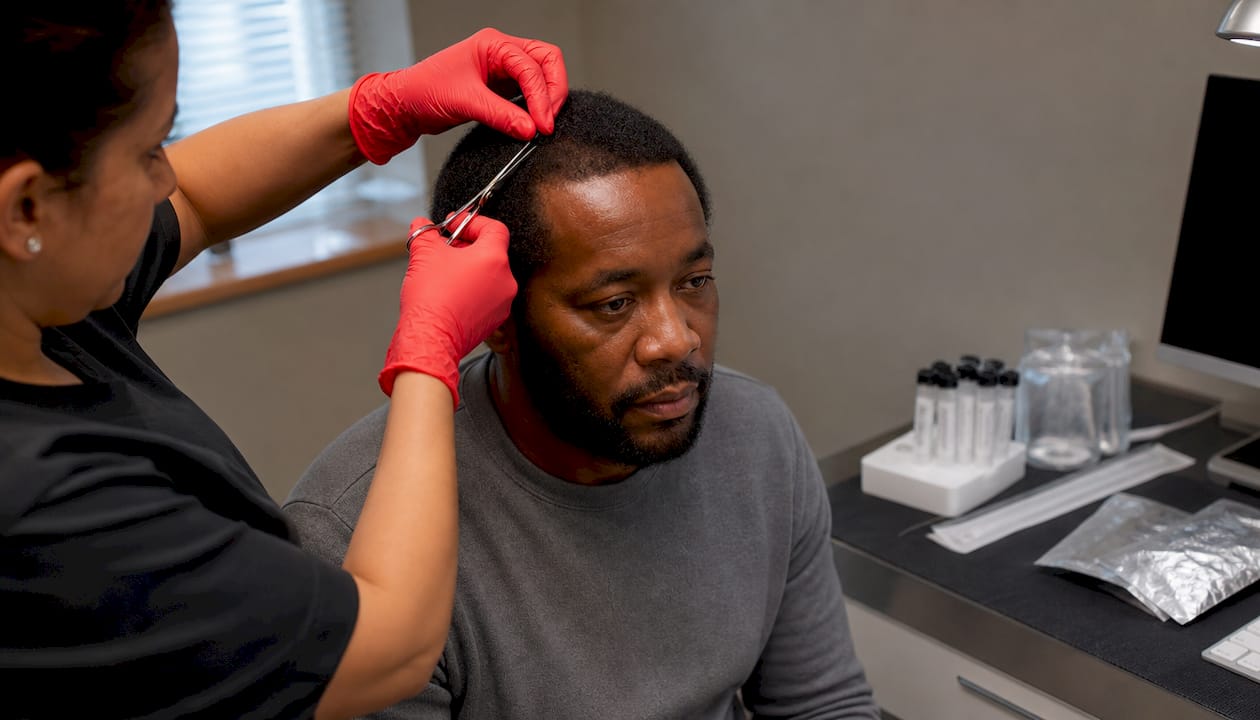
For hair tests specifically, the collector must cut a sample of at least 1.5 inches from the root, closest to the scalp. Cutting from the wrong location or collecting too little hair produces an invalid specimen. You have the right to request documentation of every step in the collection process.
Pro Tip: Ask the collector to walk through each step aloud as they complete it. This keeps them accountable and creates a verbal record you can reference if you need to dispute the result later.
3. How cutoff level variability creates inconsistent results
Cutoff levels are the concentration thresholds a lab uses to call a result positive or negative. Cutoff levels vary widely across U.S. labs and jurisdictions, meaning the exact same hair sample can test positive at one lab and negative at another. That inconsistency is not a flaw in the science. It is a policy gap built into how testing is regulated.
The table below shows how threshold differences play out across testing contexts:
| Testing Context | Typical THC Cutoff | Implication |
|---|---|---|
| Federal workplace testing | 1 pg/mg (hair) | Strict; low tolerance for trace amounts |
| Child welfare agencies | Discretionary | Varies by county or state policy |
| Private employer testing | Set by employer | Can be stricter or looser than federal |
| Legal or forensic testing | Lab-dependent | No universal standard applies |
Before your test, confirm the exact cutoff values the lab uses for each substance. Ask the testing facility directly, or have your employer provide the lab’s written policy. Knowing the threshold tells you exactly what concentration level you need to be below, which changes how you approach hair test preparation.
4. Racial and biochemical factors that skew hair test results
Hair follicle drug testing carries a documented racial bias that most people never hear about. Drug metabolites bind more readily to melanin-rich, darker hair, producing higher positive rates in people with darker hair independent of actual drug use. That is not a theory. It is a scientific finding that affects real test outcomes.
Beyond race, individual biochemistry also changes results:
- Pharmacogenomics determines how fast your body metabolizes drugs. Genetic metabolism differences cause some people to clear metabolites faster or slower than average, directly affecting whether a trace amount shows up in hair.
- Hair porosity and texture affect how deeply metabolites embed in the hair shaft, which changes how effectively any cleansing method works.
- Cosmetic treatments like bleaching, perming, or coloring can reduce metabolite concentration in hair, sometimes enough to affect results.
- External contamination from secondhand smoke or environmental exposure can deposit drug residue on hair without any internal use.
Understanding these factors matters because a false positive in hair testing is not always caused by drug use. If you have darker hair or a slower metabolism, you face a statistically higher risk of a positive result even at low exposure levels. Knowing this lets you prepare a stronger case if you need to dispute a result.
5. Mistakes individuals make when trying to prepare or beat the test
The biggest drug test preparation mistakes come from trusting methods that do not work and ignoring the ones that do. Detox drinks and water dilution are the most common examples. Diluted urine samples trigger specimen validity testing that checks creatinine levels, specific gravity, and pH. Labs catch dilution attempts routinely, and a flagged sample is treated as a refusal or a positive result.
Other preparation errors that cost people their test results include:
- Relying on unverified home remedies. Bleach, vinegar rinses, and baking soda pastes can damage hair without meaningfully reducing metabolite levels.
- Skipping confirmation testing. If you receive a positive result, you have the right to request a confirmation test using GC-MS or LC-MS/MS. Many people never ask.
- Ignoring the detection window. Hair tests detect drug use from roughly 7 to 90 days before the test. Use within that window shows up. Use before 7 days may not yet appear in the hair shaft.
- Using the wrong cleansing product. Generic shampoos do not penetrate the hair cortex where metabolites are stored. Only specialized formulas designed for this purpose have any real effect on metabolite levels.
- Waiting too long to start preparation. Effective hair detox requires repeated treatments over time. Starting the day before the test produces no meaningful result.
A positive test result should be treated as the starting point of a process, not a final verdict. You have options at every stage, from requesting confirmation testing to challenging procedural errors in collection.
Key takeaways
Avoiding drug test errors requires understanding both the science and the process, because mistakes on either side can cost you the result.
| Point | Details |
|---|---|
| Confirm your test type and lab | Know whether you face immunoassay screening or GC-MS confirmation, and ask for the lab’s cutoff thresholds. |
| Disclose medications before testing | List all prescriptions and OTC drugs with the medical review officer to protect against cross-reactivity false positives. |
| Document every collection step | Chain-of-custody errors are legally challengeable and can invalidate a result more easily than chemical findings. |
| Understand racial and metabolic bias | Darker hair and slower metabolism increase false positive risk; request confirmation testing if results seem wrong. |
| Start hair preparation early | Effective detox treatments require repeated application over days, not a single wash the night before. |
My honest read on what actually matters here
I have spent years watching people make the same drug test errors, and the pattern is always the same. They focus entirely on the chemistry and ignore the process. They assume the test is infallible when the reality is that procedural mistakes are often easier to challenge than the lab results themselves.
The racial bias finding genuinely surprises most people. The idea that your hair color affects your test result, independent of what you have actually consumed, is uncomfortable. But it is real, and it means you should never accept a positive hair test result at face value without requesting GC-MS confirmation.
The other thing I see constantly is people wasting money on products that cannot do what they claim. Detox drinks do nothing for hair tests. Vinegar rinses do not penetrate the hair cortex. The only approaches with any credible track record are those that use specialized formulas designed to work at the cortex level, applied consistently over time. That is not marketing language. That is what the biology of hair structure requires.
If you are facing a hair follicle test, treat the result as the beginning of a conversation, not the end of one. Understand your cutoff thresholds. Document your medications. Know your rights around confirmation testing. And start your preparation early enough for it to actually work.
— MIchael
Passdrugtest has the products built for this
Facing a hair follicle drug test is stressful, but walking in unprepared makes it worse. Passdrugtest carries the detox products specifically designed for hair drug test preparation, including the Macujo Aloe Rid Shampoo, which is the flagship product used in the Macujo Method. This is the most proven hair detox approach available for marijuana users preparing for a follicle test.
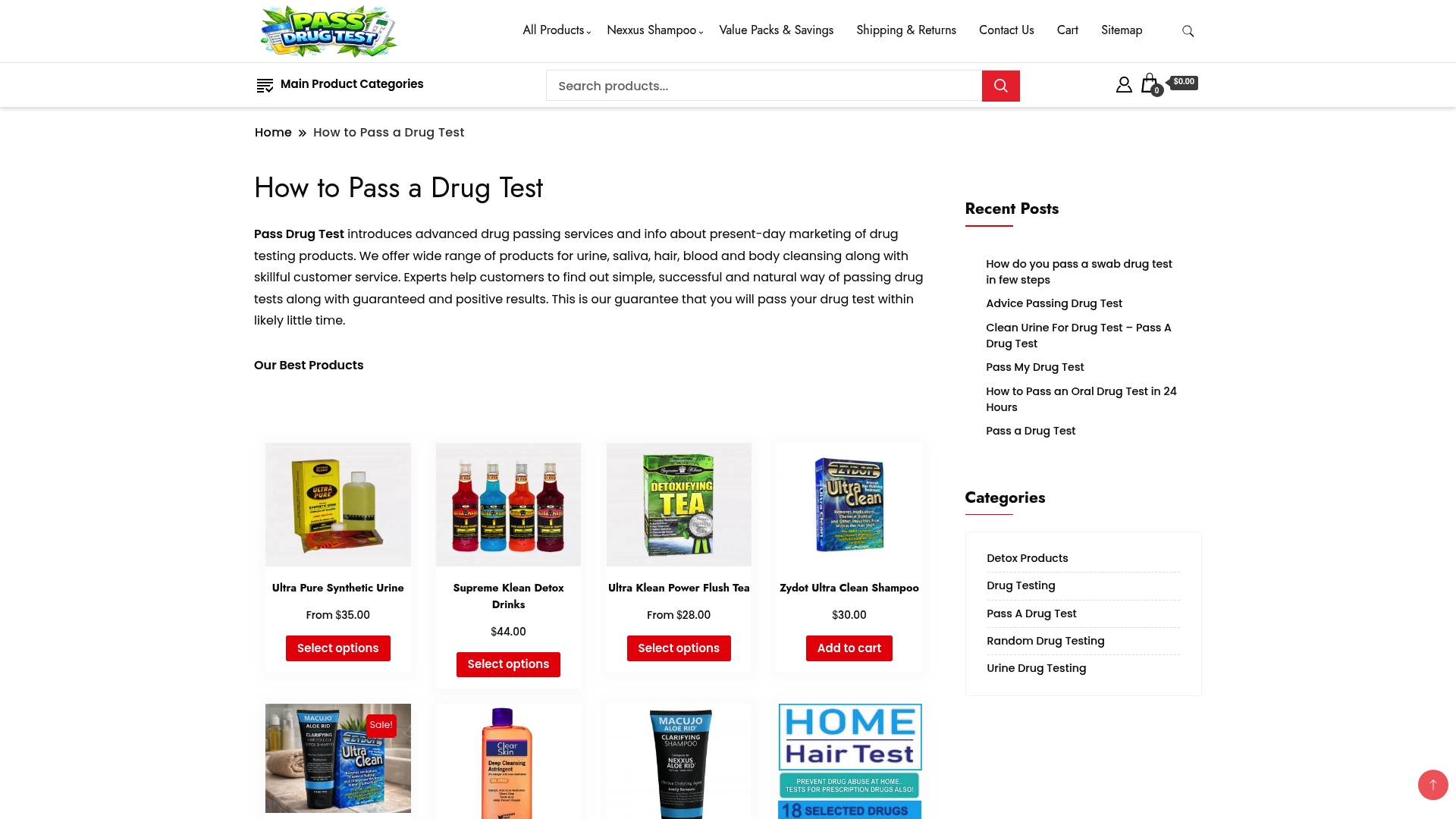
The Macujo Method, developed by Mike Macujo, is widely recognized as the most effective method to pass a hair follicle drug test. It works through repeated treatments that penetrate the hair cortex to reduce THC metabolite levels before your test date. Passdrugtest carries the full range of hair drug testing products you need to follow the method correctly, with guidance included. Start early, use the right products, and give yourself the best possible chance.
FAQ
What are the most common drug test mistakes?
The most common mistakes include failing to disclose medications that cause cross-reactivity, ignoring procedural errors in sample collection, and relying on ineffective dilution or home remedy methods. Each of these errors can produce a false positive or an invalid result.
Can a hair drug test produce a false positive?
Yes. Immunoassay screenings used in hair testing are presumptive and can react to medications like decongestants and antidepressants. Only GC-MS or LC-MS/MS confirmation testing can definitively identify actual drug metabolites versus cross-reacting substances.
Does hair color affect hair drug test results?
Scientific evidence shows that drug metabolites bind more readily to melanin-rich, darker hair, producing higher positive rates independent of actual drug exposure. If you have darker hair and receive a positive result, requesting confirmation testing is a reasonable and supported response.
How do I challenge a positive hair drug test result?
Request GC-MS or LC-MS/MS confirmation testing immediately. Also review the chain-of-custody documentation from your sample collection, since procedural errors like mislabeling or temperature deviations can legally invalidate a result.
How early should I start preparing for a hair follicle drug test?
Start as early as possible. Effective hair detox treatments require repeated applications over multiple days to penetrate the hair cortex where metabolites are stored. Starting the night before the test produces no meaningful reduction in metabolite levels.