

Drug toxins bind to hair by entering the hair shaft directly from the bloodstream during hair fiber formation, where they attach to melanin pigments and keratin proteins locked inside the growing strand. This process is the foundation of hair follicle toxicology and explains why a single hair sample can reveal up to 90 days of drug use history. Understanding how drug toxins bind to hair is not just academic knowledge. It is the first step toward making informed decisions about detox before a hair drug test.
How drug toxins bind to hair: the core mechanism
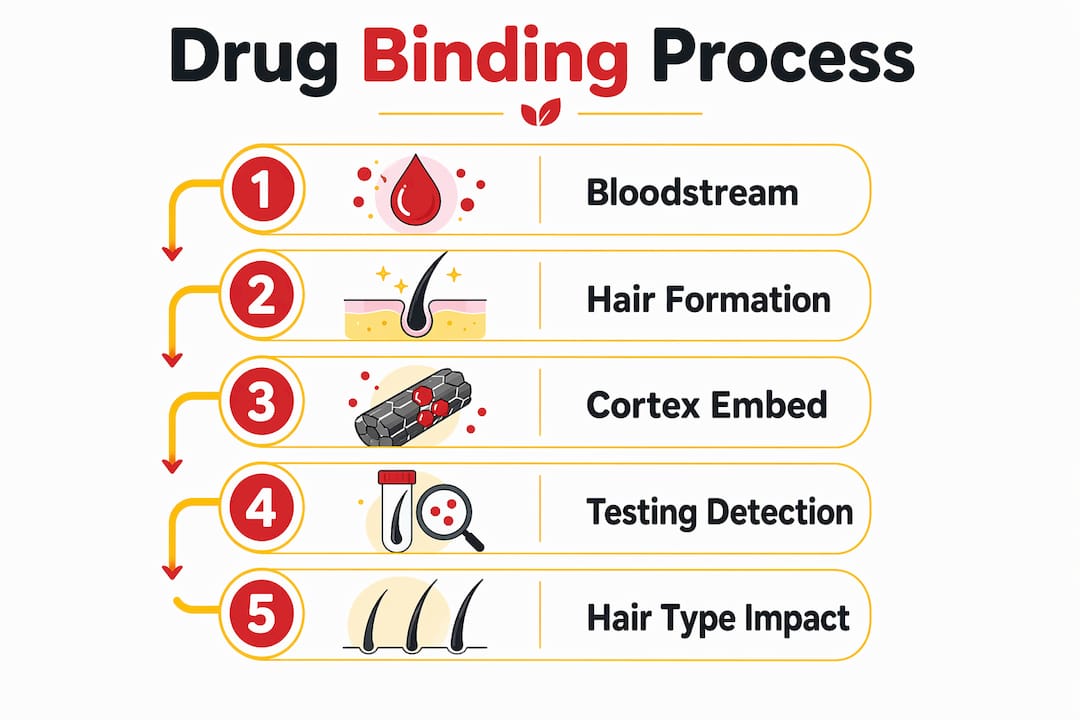
Drug metabolites reach the hair follicle through blood supply. As the hair shaft forms and hardens in a process called keratinization, these metabolites get physically trapped inside the cortex of the strand. Once locked in, they stay there as the hair grows outward.
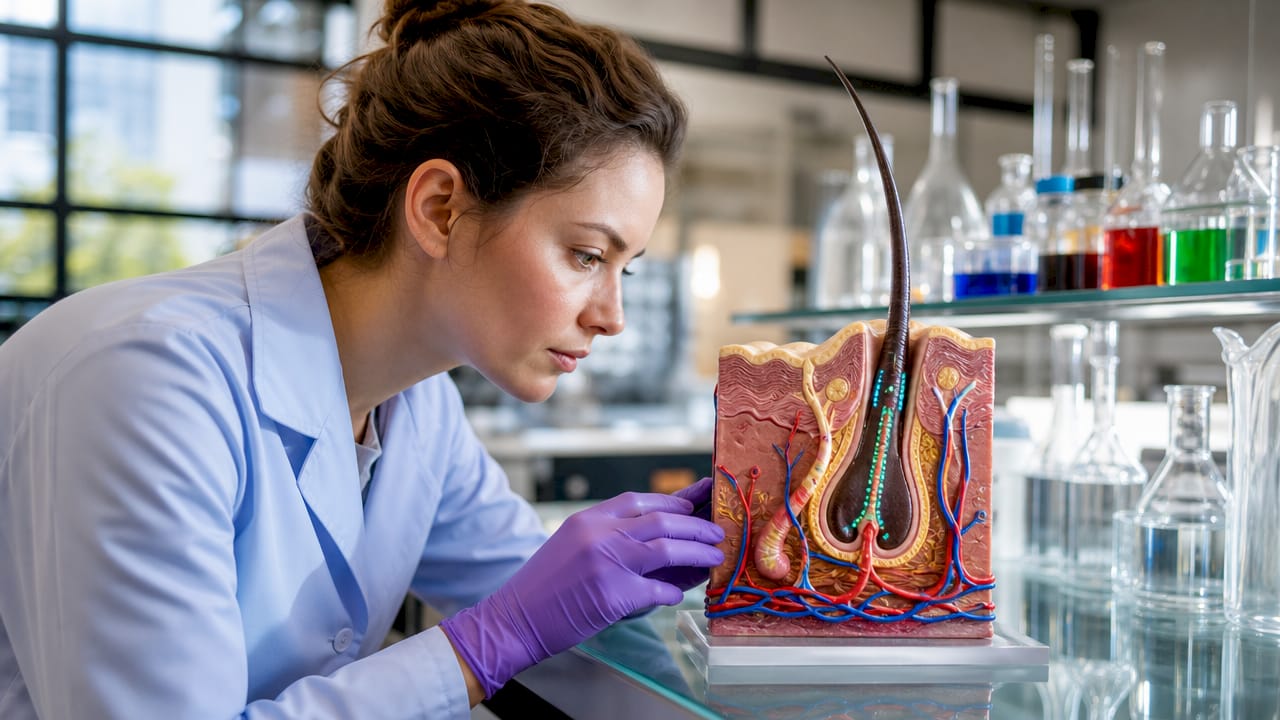
Lipophilic and basic drug compounds bind strongly to melanin and keratin, producing higher detection concentrations in hair than in urine or saliva. This is why hair analysis for toxins is considered one of the most reliable long-term detection methods available. Analytical methods can quantify these metabolites down to the picogram per milligram level, which is an extraordinarily sensitive threshold.
Two structural proteins drive this binding process:
- Melanin: The pigment that gives hair its color. Melanin carries a strong negative charge that attracts positively charged (basic) drug molecules through electrostatic forces. Drugs like opioids and ketamine analogues show particularly strong melanin affinity.
- Keratin: The structural protein that makes up the bulk of the hair shaft. Keratin binds drug metabolites during keratinization, physically encasing them as the strand hardens.
Sweat and sebum contribute minimally to drug incorporation compared to blood diffusion during hair formation. The follicle’s blood supply is the primary route for drug metabolites to enter the hair shaft. This distinction matters because it means surface contamination from sweat is far less significant than internal metabolite deposition.
Pro Tip: Knowing that metabolites enter from the bloodstream, not just from surface contact, helps you understand why simply washing your hair cannot remove internally bound drug deposits.
How does hair color and type affect drug binding?
Hair characteristics have a direct and measurable impact on how much drug residue accumulates in a sample. This is one of the most underappreciated factors in hair drug testing, and it has real consequences for test interpretation.
Dark hair with higher melanin can absorb up to 15 times more drug metabolites compared to lighter hair. That is not a minor difference. It means a person with dark brown or black hair who used the same amount of a substance as someone with blonde hair could test at dramatically higher concentrations.
| Hair characteristic | Effect on drug binding |
|---|---|
| Dark hair (high melanin) | Absorbs significantly more drug metabolites |
| Light or ginger hair (low melanin) | Lower metabolite accumulation, potentially lower test readings |
| African and Afro-Caribbean hair types | Higher melanin content leads to greater absorption and higher reported concentrations |
| Chemically bleached hair | Surface deposits reduced, but cortex metabolites remain largely intact |
| Dyed or permed hair | Cosmetic treatment affects surface only, not internally bound metabolites |
Hair treatments like dyeing, bleaching, and perming affect the outer cuticle layer. They do not reach the cortex where metabolites are embedded. Washing, dyeing, and styling do not erase drug history because the metabolites are sealed inside the hair structure, not sitting on the surface.
Environmental contamination is a separate challenge. A person can test positive from passive exposure to drug smoke in certain conditions. Forensic labs use specific decontamination protocols to differentiate between metabolites incorporated internally versus those deposited externally. Hair results alone may not fully diagnose substance use without clinical correlation, which is why responsible labs interpret results alongside other data.
Pro Tip: If you have naturally dark or coarse hair, your test results may reflect higher concentrations than someone with lighter hair who used the same amount. This biological variability is real and documented.
How does hair drug testing detect bound metabolites?
Hair drug testing follows a structured, multi-step process designed to produce legally defensible results. Understanding the procedure helps you know exactly what labs are looking for and how they find it.
-
Sample collection. Technicians collect approximately 100–120 hair strands cut as close to the scalp as possible. The standard sample length is 1.5 inches, representing roughly 90 days of growth.
-
Segmentation for timeline analysis. Labs can cut hair into 1 cm segments, with each segment reflecting approximately one month of drug use history. This segmented approach allows forensic analysts to build a chronological picture of use patterns over time.
-
Decontamination. Before analysis, the sample is washed using standardized protocols to remove surface contamination. This step separates environmental deposits from internally incorporated metabolites.
-
Initial screening. Labs run an immunoassay screen, commonly ELISA, to flag samples that exceed cut-off thresholds. This is a fast, broad test designed to identify presumptive positives.
-
Confirmatory testing. Any positive screen triggers confirmatory mass spectrometry using GC-MS or LC-MS/MS. These methods identify specific metabolites with high accuracy, ruling out false positives and confirming actual drug ingestion.
-
Chain-of-custody documentation. Every step is logged to maintain legal integrity. Cut-off levels distinguish active consumption from trace environmental exposure, though these thresholds can be contested in legal proceedings.
The detection of specific metabolites, rather than the parent drug itself, is what confirms ingestion. Metabolite detection confirms that the substance was processed inside the body, not just deposited on the hair surface from outside. This is the key forensic distinction that makes hair analysis far more reliable than surface swab testing.
What are the biggest myths about detoxing drug toxins from hair?
The most dangerous misconception about hair detox is that ordinary washing removes internally bound metabolites. It does not. Surface washing and cosmetic treatments fail to remove drug metabolites trapped inside the hair cortex formed during keratinization. Standard shampoos target the cuticle and surface of the strand, not the cortex where metabolites live.
Here is what actually matters when thinking about detox:
- Hair growth rate is your timeline. Hair grows approximately 0.5 inches per month. If you stopped using a substance, new growth from that point forward will be clean. The challenge is that the contaminated portion remains until it grows out or is cut off.
- The cortex is the problem. Metabolites bound to melanin and keratin inside the cortex are physically shielded by the cuticle layer. Getting past that barrier requires more than soap and water.
- Bleaching reduces but does not eliminate. Chemical bleaching degrades some melanin and can reduce metabolite concentrations, but labs account for this. Bleached samples still yield positive results in most cases.
- Detox shampoos vary widely in effectiveness. Most commercial detox shampoos work on the surface only. The exception is formulations specifically designed to penetrate the cuticle and target the cortex, like those used in the Macujo Method, which is widely recognized as the most effective approach to passing a hair follicle drug test.
- Timing matters more than most people realize. Starting a detox protocol weeks before a test gives the process time to work across multiple treatment sessions. A single wash the night before a test accomplishes very little.
Pro Tip: The Macujo Method works by opening the hair cuticle to reach the cortex, which is where the metabolites are actually stored. That is why it outperforms standard shampoos in documented results.
You can learn more about how metabolites stay in hair and what that means for your specific situation before choosing a detox approach.
Key Takeaways
Drug toxins bind permanently to the hair cortex through melanin and keratin during hair formation, making surface-only detox methods ineffective against internally incorporated metabolites.
| Point | Details |
|---|---|
| Bloodstream is the primary route | Drug metabolites enter hair from blood during formation, not primarily from sweat or surface contact. |
| Melanin drives binding strength | Dark hair absorbs up to 15 times more metabolites than light hair, affecting test concentration readings. |
| 90-day detection window | Labs collect 1.5 inches of hair to capture approximately three months of drug use history. |
| Surface treatments do not reach the cortex | Washing, dyeing, and bleaching affect the cuticle only and leave cortex-bound metabolites intact. |
| Confirmatory testing catches metabolites | LC-MS/MS and GC-MS confirm actual ingestion by identifying specific metabolites, not just parent drugs. |
What I’ve learned from years of watching people prepare for hair tests
Hair drug testing is genuinely one of the toughest testing methods to prepare for, and most people underestimate it until they are already close to their test date. What I have observed consistently is that the people who struggle most are the ones who rely on surface-level solutions because they do not understand the biology behind the test.
The melanin factor surprises almost everyone. People with dark hair are not being treated unfairly by the test. The test is measuring what is actually there. But the concentration difference between dark and light hair is large enough that it has raised legitimate concerns in forensic and legal communities about how results are interpreted across different populations.
The other thing I see repeatedly is overconfidence in home remedies. Vinegar rinses, baking soda treatments, and heavy washing routines give people a false sense of security. None of those approaches penetrate the cuticle to reach the cortex. If you are serious about preparing for a hair follicle test, you need a method and products that are actually designed for the job.
Realistic expectations matter here. No detox method is guaranteed to work in every situation, and hair biology varies from person to person. But going in informed, starting early, and using proven products puts you in a far stronger position than guessing.
— MIchael
Proven detox products for hair drug test preparation
Facing a hair drug test is stressful, but you do not have to go in unprepared. Passdrugtest carries a full range of hair drug test detox products formulated specifically to address the challenge of internally bound metabolites.
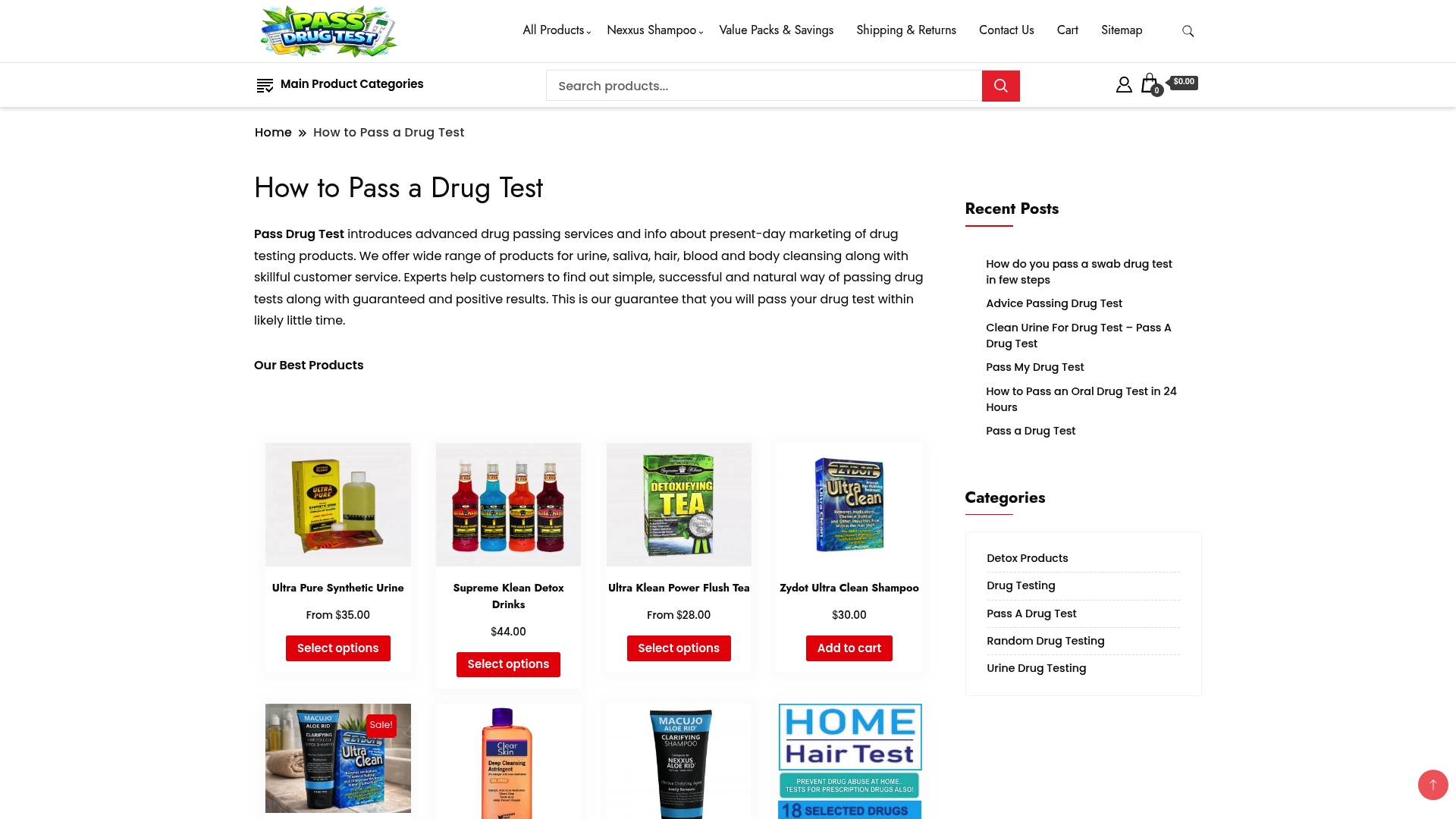
The flagship product is the Macujo Aloe Rid Shampoo, the cornerstone of the Macujo Method and the most trusted detox shampoo for hair follicle testing. It is formulated to penetrate beyond the cuticle to target the cortex where drug metabolites are stored. Passdrugtest also offers combination kits, including the Macujo Aloe Rid with Zydot Ultra Clean, for a more complete detox protocol. Start your preparation early and give yourself the best possible chance.
FAQ
How long do drug toxins stay in hair?
Drug metabolites remain in hair indefinitely until that portion of the strand grows out or is cut. Standard hair drug tests analyze the most recent 1.5 inches of growth, covering approximately 90 days of use history.
Does hair color really affect drug test results?
Yes. Dark hair with higher melanin content can absorb up to 15 times more drug metabolites than lighter hair. This means test concentration readings can vary significantly between individuals who used the same amount of a substance.
Can bleaching or dyeing remove drug metabolites from hair?
Bleaching and dyeing affect the outer cuticle layer but do not remove metabolites embedded in the hair cortex. Labs account for chemical treatment and can still detect metabolites in processed hair samples.
What is the most effective method for hair detox before a test?
The Macujo Method is widely recognized as the most effective approach for passing a hair follicle drug test. It uses a multi-step protocol with specialized products designed to open the cuticle and target cortex-bound metabolites.
How do labs tell the difference between drug use and environmental contamination?
Labs use standardized decontamination washes before analysis and then look specifically for drug metabolites rather than parent compounds. Metabolite detection confirms internal metabolism, which distinguishes actual ingestion from surface exposure.