

If you have an upcoming hair drug test, you have probably wondered whether secondhand smoke, touching surfaces, or simply being around someone who uses drugs could trigger a positive result. Understanding how external contamination affects hair testing matters because the answer shapes how you prepare. The short answer is that modern forensic labs are built to catch contamination before it becomes a false positive. But the longer answer involves real science, real limitations, and real steps you can take to protect yourself.
Table of Contents
- Key takeaways
- How external contamination affects hair testing
- The impact of contamination on hair tests and how labs respond
- Biological and cosmetic factors that shift test sensitivity
- Practical steps to reduce contamination risk before your test
- My take on contamination claims and realistic expectations
- Prepare with the right products
- FAQ
Key takeaways
| Point | Details |
|---|---|
| Metabolites prove ingestion | Labs look for drug metabolites inside the hair shaft, which only form when your body processes a drug. |
| Labs wash samples first | Sequential solvent washes remove surface residue before the actual analysis begins. |
| Contamination sources are real | Smoke, surface contact, and environmental residue can deposit drugs on hair but rarely mimic internal ingestion patterns. |
| Hair traits affect detection | Melanin levels and cosmetic treatments both influence how drugs bind to and remain in your hair. |
| Preparation still matters | Avoiding contamination sources and using proven detox methods reduces your overall risk going into a test. |
How external contamination affects hair testing
To understand how external contamination affects hair testing, you first need to know what the test is actually measuring. Hair follicle tests are not scanning the outside of your hair. They are looking for drug metabolites locked inside the hair shaft itself. When you ingest a drug, your bloodstream carries it and its metabolites throughout your body, including to the hair follicle. Those metabolites get incorporated into the growing hair cortex and stay there.
External contamination works differently. Environmental exposure deposits drug particles on the outer surface of the hair but does not produce internal metabolites because no bloodstream processing occurred. This is the core distinction forensic labs rely on.
Here is what the testing process actually checks:
- Metabolite presence: Drug metabolites such as THC-COOH for marijuana are byproducts of your body breaking down a substance. Their presence inside the hair cortex signals internal ingestion.
- Surface vs. cortex distribution: Contamination sits on the cuticle layer. Ingested drugs distribute through the cortex along the entire hair growth window.
- Wash fraction ratios: Labs wash hair with solvents and then test both the wash solution and the remaining hair separately. A high drug concentration in the wash but a low metabolite count in the hair signals surface contamination, not use.
- Segmental analysis: By cutting hair into roughly monthly sections, forensic experts can map drug concentration over time and identify whether exposure follows a pattern consistent with ongoing use or a one-time environmental event.
Pro Tip: A standard 1.5-inch hair sample covers roughly 90 days of history. If you were genuinely contaminated in only one environment, that segment would look anomalous compared to the rest. That anomaly is actually one of the things labs look for.
The impact of contamination on hair tests and how labs respond
So what does external contamination actually look like in practice, and how do labs minimize its impact? The sources of surface contamination are broader than most people think.
- Secondhand smoke: Marijuana or crack cocaine smoke can deposit drug particles directly onto hair strands.
- Surface contact: Touching a surface where drugs were handled and then touching your hair transfers residue.
- Environmental dust: In spaces with heavy drug use, microscopic particles can settle on everything, including your hair.
- Proximity to users: Simply being in close physical contact with someone who has recently used substances can leave trace amounts on your hair.
None of these scenarios involve bloodstream incorporation, which is why they are fundamentally different from actual drug use in the eyes of a lab.
To remove this surface residue, labs use sequential solvent washes before analysis begins. A standard protocol involves washing the sample with dichloromethane for approximately five minutes to dissolve and remove external residues. Labs then analyze both the wash solution and the digested hair separately. If the wash fractions show high drug levels but the hair digest shows minimal metabolites, the interpretation points clearly toward contamination rather than ingestion.
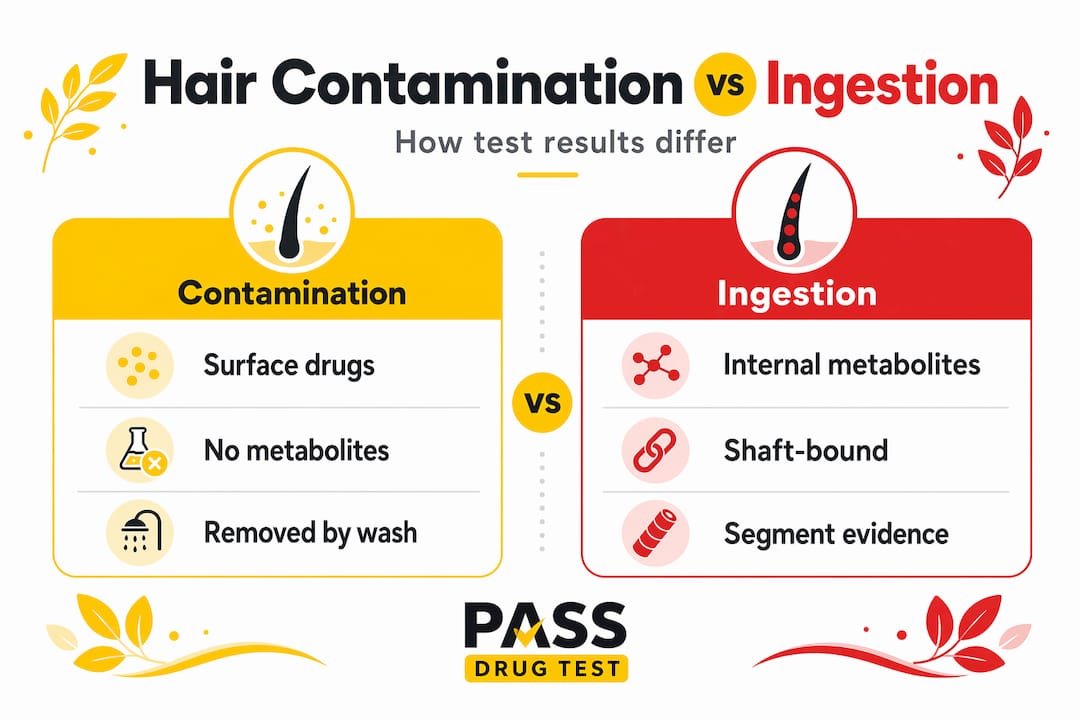
The challenge arises when contamination is extremely heavy or when washing is incomplete. In those edge cases, residual surface drug could theoretically inflate readings. This is why forensic experts consistently emphasize that wash fraction analysis is not optional. It is the safeguard that keeps contamination from becoming a wrongful positive result.
Biological and cosmetic factors that shift test sensitivity
Not all hair is equally affected by contamination or drug incorporation. Several personal characteristics change how your hair interacts with drug compounds, and knowing them helps you understand your own risk profile.
Melanin and hair color
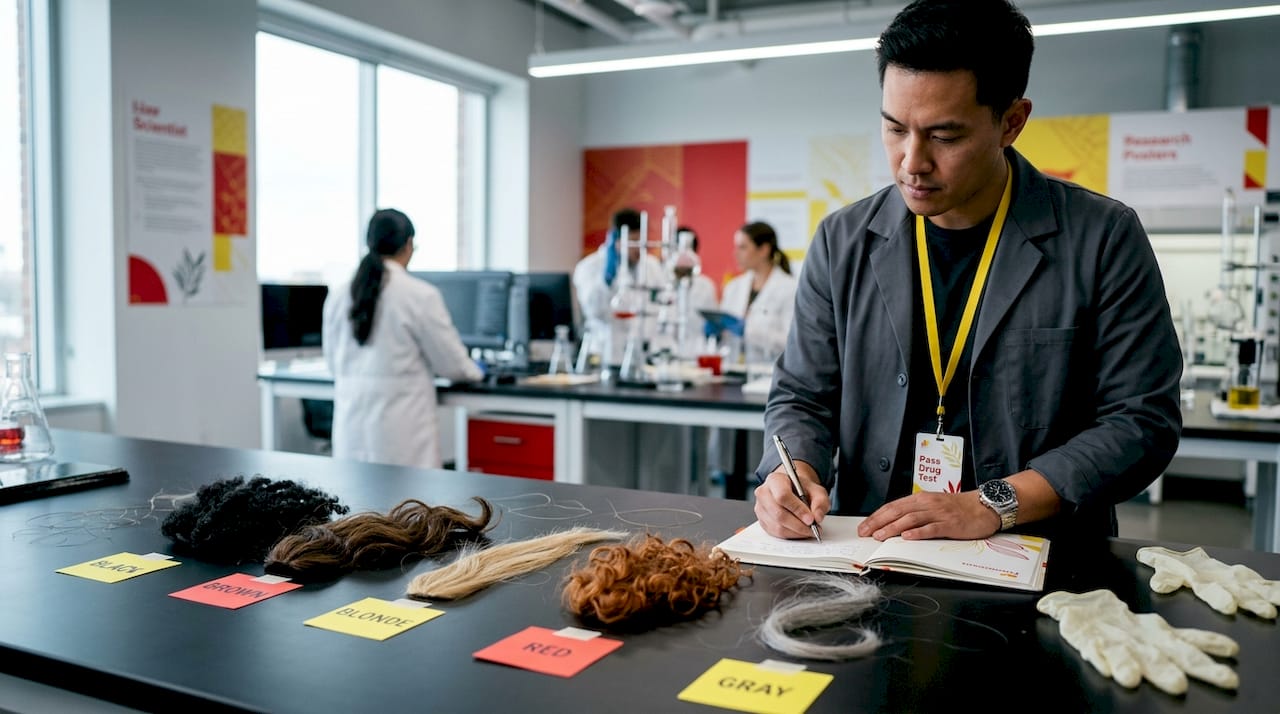
Darker hair binds more drug molecules than lighter hair due to higher melanin content. Melanin has a chemical affinity for many drug compounds, which means a person with dark brown or black hair may show higher drug concentrations than a light-haired person with identical exposure. This applies to both internal ingestion and, to a lesser degree, surface contamination. Labs are trained to factor this into their interpretation, but it is worth knowing if you have naturally dark hair.
Cosmetic treatments
Here is where a lot of people get tripped up. Bleaching, dyeing, and chemical straightening do affect the hair shaft. They open the cuticle, which changes how drugs are distributed. However, cosmetic treatments cannot remove metabolites already embedded in the hair cortex. The idea that dyeing your hair will erase your drug history is a myth that forensic labs have thoroughly documented and accounted for.
| Factor | Effect on drug binding | Effect on contamination |
|---|---|---|
| High melanin (dark hair) | Increased drug binding | Slightly higher surface retention |
| Bleached or chemically treated | Altered cortex structure | May reduce or redistribute metabolite signal |
| Cosmetic dyes applied | Minimal impact on internal metabolites | Can mask surface particles temporarily |
| Short or low-density hair | Less total sample volume | Harder for labs to conduct segmental analysis |
Pro Tip: If you have recently bleached or chemically treated your hair, tell the testing authority upfront. Forensic result interpretation accounts for multiple parameters, and transparency about your hair history can actually work in your favor.
Labs do not rely on a single cutoff number. Multi-faceted forensic interpretation takes metabolite presence, concentration distribution along the hair length, and consistency of readings across segments to arrive at a defensible conclusion. This makes the test far more sophisticated than a simple pass or fail based on one data point.
Practical steps to reduce contamination risk before your test
You cannot control every environment you walk into. But you can make deliberate choices that lower your exposure and put you in the best possible position before a hair drug test.
- Avoid high-exposure environments: If you know a space regularly involves drug use, stay out of it in the weeks before your test. Bars, certain social gatherings, or vehicles where smoking occurs regularly are worth skipping.
- Wash your hair consistently: Regular washing with a quality shampoo removes surface particles. It will not remove internal metabolites, but it keeps your surface contamination levels low and reduces the chance that residue inflates your test reading.
- Do not rely on home bleaching: As noted above, bleaching does not erase metabolites. It also alerts labs to potential sample manipulation, which can complicate your result. Learn more about what treatments actually do before your test.
- Disclose environmental exposure when relevant: If you work in law enforcement, a cannabis dispensary, or any environment with documented drug exposure, document that and inform the testing authority. This context can be critical if a borderline result needs explanation.
- Use a proven detox shampoo protocol: Products designed specifically for hair detox, like the Macujo Aloe Rid shampoo available through Passdrugtest, work to open the hair cuticle and remove residues more thoroughly than standard shampoo. The Macujo method is a recognized protocol that goes beyond surface washing.
The key takeaway is that passive contamination is a real phenomenon, but it is rarely a decisive factor in a well-run forensic test. Your bigger concern is internal drug history and how aggressively you address it before test day.
My take on contamination claims and realistic expectations
I have spent years working through hair drug testing questions with people who are genuinely scared about what their results might show. One thing I have seen consistently is that contamination is the first defense people reach for, and it is usually the weakest one.
In my experience, the forensic science is solid. Labs that follow proper wash fraction analysis and segmental protocols will almost never mistake surface contamination for active drug use. The cases where contamination becomes a real concern are edge cases: people living with heavy users in poorly ventilated spaces, occupational exposure in drug-heavy environments, or labs that skip validation steps.
What I actually tell people is this. If your concern is purely contamination from passive exposure, you can mostly stop worrying. Modern testing is built to catch exactly that. But if you have used marijuana or another substance in the past 90 days, you need to focus on that reality and take it seriously. Understanding what clears drug metabolites from your system is a far more productive conversation than hoping contamination will explain away a positive.
The readers I see succeed are the ones who combine realistic expectations with a genuine detox protocol. They do not wait until three days before the test. They start immediately.
— Michael
Prepare with the right products
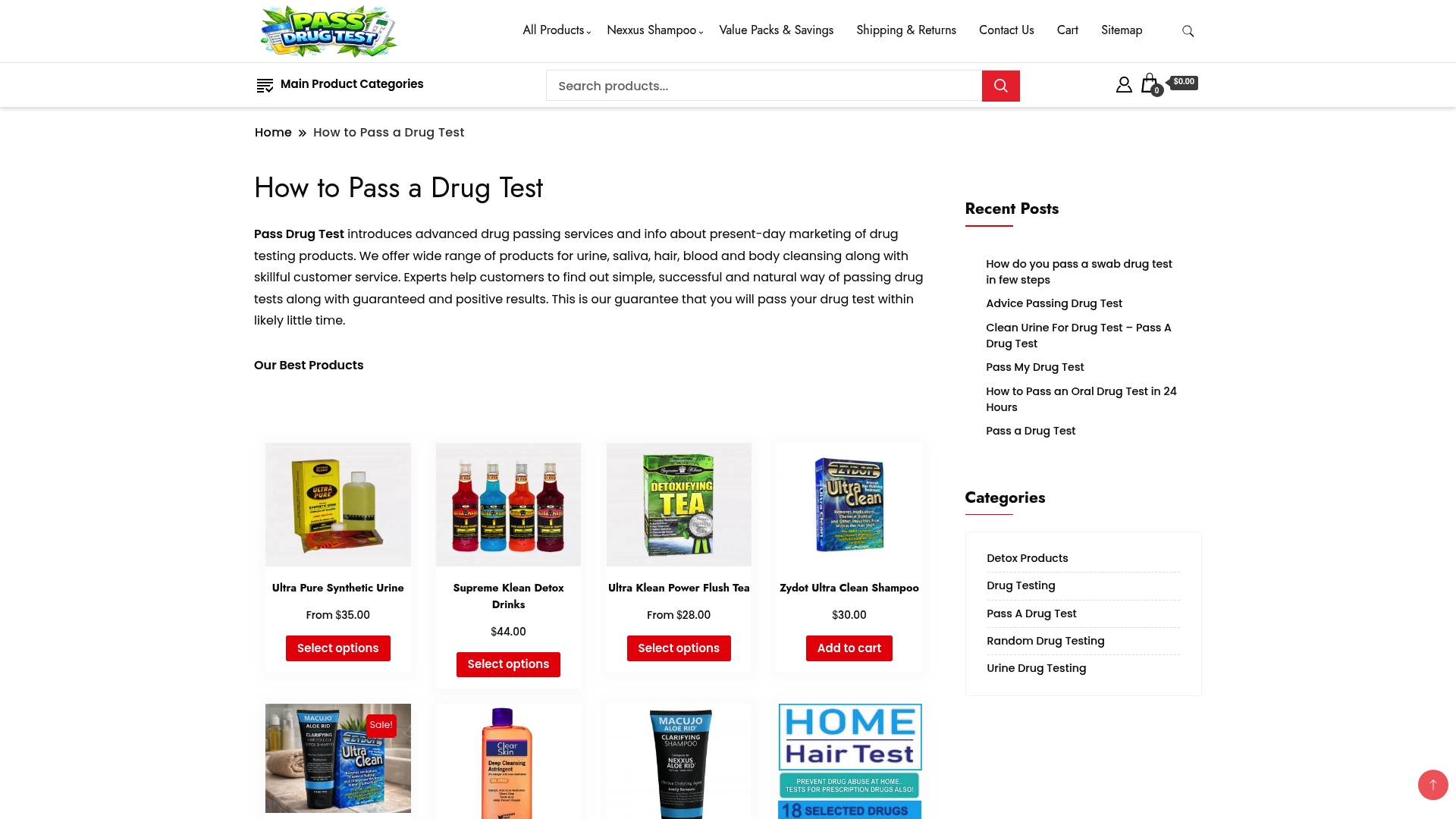
Knowing the science behind hair testing is genuinely useful, but knowledge alone will not pass your test. Passdrugtest offers proven detox shampoos and cleansing products specifically designed for people facing hair follicle drug tests. The flagship Macujo Aloe Rid shampoo is the most trusted product in this space, formulated to open the hair cuticle and address metabolite buildup more effectively than anything available at a drugstore. Explore the full range of hair follicle detox shampoos and find the solution that fits your timeline. If you want a broader look at all available options, browse the complete detox product catalog at Passdrugtest.
FAQ
Can passive smoke exposure cause a positive hair drug test?
Passive smoke exposure deposits drug particles on the hair surface but does not create internal metabolites. Since labs use wash protocols and metabolite analysis to distinguish surface contamination from ingestion, a true false positive from passive smoke alone is extremely unlikely in a properly conducted test.
Does dyeing or bleaching hair remove drug metabolites?
No. Cosmetic treatments like bleaching and dyeing alter the hair shaft structure but cannot erase metabolites embedded in the cortex. Forensic labs are trained to account for chemically treated hair and adjust their interpretation accordingly.
How do labs tell the difference between contamination and actual drug use?
Labs compare drug levels in the wash solution to metabolite levels inside the hair. They also run segmental analysis to look at concentration patterns over time. Contamination shows up differently than ingestion and rarely produces the metabolite profile that signals actual drug use.
Does hair color affect hair drug test results?
Yes. Higher melanin in darker hair means greater drug molecule binding, which can result in higher detected concentrations for both internal use and surface contamination. Labs factor this into their interpretation rather than applying a single universal threshold.
How far back does a standard hair drug test detect use?
A 1.5-inch sample covers approximately 90 days of drug history, based on an average hair growth rate of half an inch per month. This detection window is one reason why hair tests are considered more revealing than urine or saliva tests.