
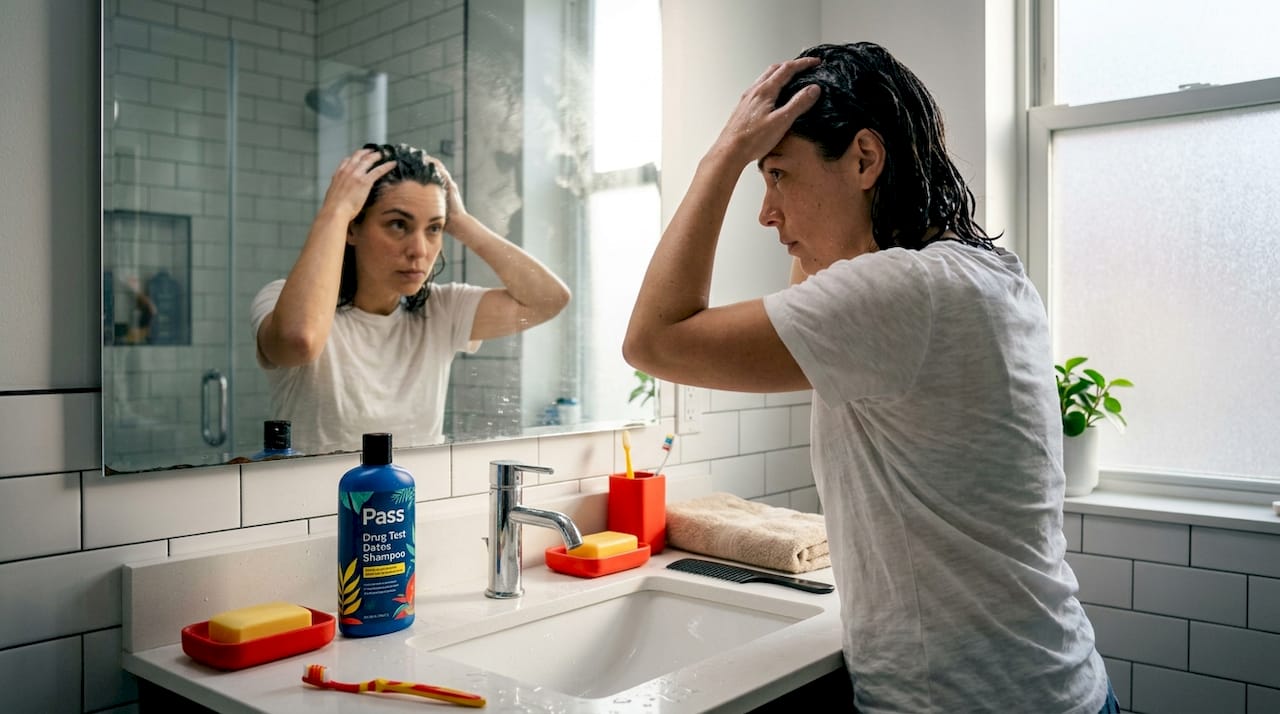

A hair follicle drug test is one of the most challenging screens you can face, and that’s because THC metabolites stay detectable for up to 90 days inside the hair shaft, not just a few days like a urine test. Most people don’t realize how far back the window reaches until they’re already counting down to test day. The good news is that a structured, realistic detox routine gives you a real fighting chance. This checklist walks you through everything you need to know, from how the test works, to which products and routines are worth your time, to what no one in the industry wants to admit.
Table of Contents
- Know your hair drug test: Detection window and key criteria
- Hair detox essentials: The proven product and routine checklist
- Aggressive routines: Macujo method and high-intensity cleanses
- Which strategy fits your timeline? Choosing your checklist
- The uncomfortable truth about hair detox: What really matters
- Recommended hair detox solutions for real results
- Frequently asked questions
Key Takeaways
| Point | Details |
|---|---|
| 90-day detection | Hair follicle tests detect drug use up to 90 days, so timing your detox is critical. |
| Clarifying step essential | Use a clarifying shampoo to reduce surface residues, but always follow with conditioning to avoid dryness. |
| Macujo risks | Intense detox methods like Macujo can cause scalp and hair damage without clinical proof of success. |
| No guaranteed solution | No method or product can fully erase old metabolites; the most effective strategy is maximizing your drug-free window. |
| Safety first | Gentle, evidence-based hair care is safer than repeated harsh chemical routines that could result in test rejection. |
Know your hair drug test: Detection window and key criteria
Before you choose a single product or start any routine, you need to understand exactly what you’re working against. A hair follicle test doesn’t measure what’s in your bloodstream right now. It measures what was deposited into your hair as it grew, and that record is surprisingly long.
The standard hair test uses a 1.5-inch segment cut from the root end of the hair closest to your scalp. Because hair grows roughly half an inch per month, that segment covers approximately three months of history. If you used THC at any point in the last 90 days, the metabolites could be sitting in that segment right now.
Here’s what makes this especially important: standard urine or saliva tests detect recent use. Hair tests detect patterns of use. That distinction changes your entire strategy. Short-term fixes, like drinking water or taking a single detox supplement the day before, do absolutely nothing for a hair test. There’s no metabolic pathway that flushes your hair follicle overnight.
Federal guidelines from SAMHSA establish approved specimen types for workplace drug testing, and hair is one of the regulated options for federal contractors and many private employers. You can review federal guidelines for hair testing to understand exactly what those standards require. Knowing the rules your employer operates under gives you a clearer picture of what to expect on test day.
Common situations that trigger a hair follicle test:
- Pre-employment screening for federal contractors or security roles
- Random workplace testing programs
- Return-to-duty testing after a positive result on a prior screen
- Post-accident investigation in safety-sensitive industries
- Probation or court-ordered substance monitoring
| Specimen type | Detection window | Typical use case |
|---|---|---|
| Hair (1.5 inch) | Up to 90 days | Pre-employment, federal testing |
| Urine | 3 to 30 days | Standard workplace screening |
| Saliva | 24 to 72 hours | Roadside or same-day tests |
| Blood | 2 to 12 hours | Clinical or accident investigation |
Understanding the hair test detection window in detail helps you set realistic expectations before you spend a single dollar on detox products.
Hair detox essentials: The proven product and routine checklist
Now that you understand the challenge, let’s talk about what you can actually do. A structured hair detox routine centers on reducing surface buildup and opening the hair cuticle (the outermost layer of the hair shaft) to allow deeper cleansing agents to reach metabolites trapped inside. No routine removes deposits with certainty, but a consistent regimen gives you the best odds available.
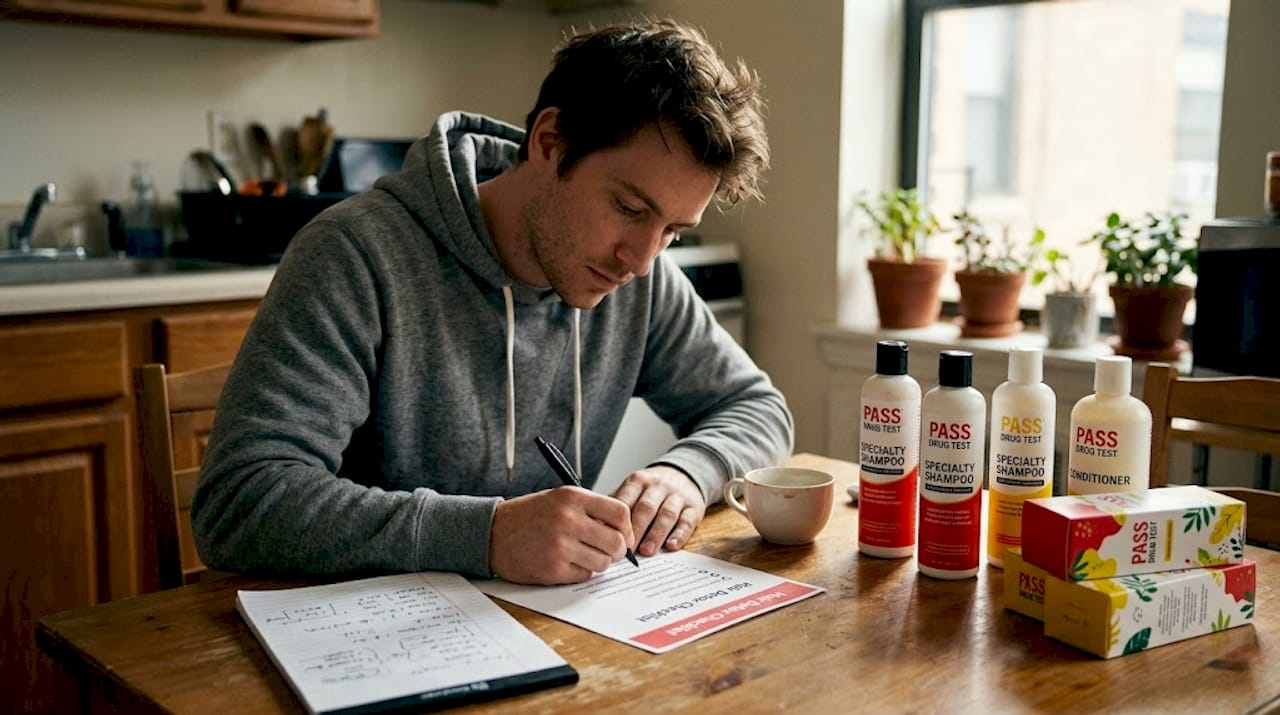
Here are the core product categories you need to know:
Clarifying shampoos use a high concentration of surfactants (cleaning agents) to strip away oils, product buildup, and environmental residue from the hair shaft. Clarifying shampoos remove buildup through intensive surfactant action, but overuse dries out hair and can weaken strands. They’re a strong starting point for any detox routine, but they’re not enough on their own.
Chelating shampoos go a step further. Chelating agents are ingredients that bind to minerals and heavy metals in hard water deposits, as well as other stubborn residues that standard surfactants can’t break down. Chelating clarifying shampoos are formulated to remove those tougher residues while attempting to retain some moisture balance in the hair. Products like Macujo Aloe Rid shampoo are specifically designed for deep follicle cleansing and are considered best-in-class among top hair detox shampoos for this purpose.
Step-by-step detox routine:
- Wet hair thoroughly with warm water to open the cuticle slightly before applying any product.
- Apply a chelating or clarifying shampoo and work it into the scalp and the full length of the hair shaft. Leave it on for at least 5 to 7 minutes before rinsing.
- Follow with a dedicated detox shampoo (such as Macujo Aloe Rid) using the same timing. This is the step where specialized formulas provide the most value.
- Rinse completely with cool water to help close the cuticle after treatment.
- Apply a deep conditioner and leave it on for at least 3 to 5 minutes. Do not skip this step.
- Gently pat hair dry. Avoid rough towel friction on treated hair.
For best results, look into the best detox routines that pair the right product sequence with consistent repetition over several weeks.
Pro Tip: Never skip post-detox conditioning. The cleansing agents in clarifying and chelating shampoos can strip protective oils and dry out hair fibers significantly. Conditioning after each session protects hair integrity and reduces the risk of breakage, which matters a great deal because visible hair damage could raise flags during the collection process.
Aggressive routines: Macujo method and high-intensity cleanses
The Macujo method is the most widely referenced aggressive hair detox protocol. It’s a multi-step process that uses a combination of household acids, clarifying agents, and specialty detox shampoos to attempt deep metabolite removal from inside the hair shaft. For many users with a longer lead time before their test date, it remains the most serious option on the table.
A typical Macujo method routine follows this general sequence: first, the hair is wetted and treated with an acetic acid solution (like white vinegar) to begin opening the cuticle. Next, a salicylic acid cleanser is applied, followed by a liquid detergent wash, and finally a dedicated detox shampoo like Macujo Aloe Rid. Each step is designed to progressively open the cuticle further and flush out what’s stored inside.
You can find a detailed Macujo method guide that walks through each phase with specific product recommendations and timing.
| Routine type | Intensity | Key risks | Evidence level |
|---|---|---|---|
| Standard clarifying | Low to moderate | Mild dryness, some frizz | Low but widely tolerated |
| Chelating + detox shampoo | Moderate | Dryness, reduced elasticity | Moderate anecdotal support |
| Full Macujo method | High | Irritation, burns, breakage | Anecdotal only, no clinical trials |
Documented risks of the Macujo method and high-intensity routines:
- Scalp irritation and chemical burns if products are left on too long
- Severe dryness and brittleness after repeated sessions
- Hair breakage, particularly at the scalp line
- Cuticle damage that could alter the sample’s appearance
“No peer-reviewed clinical trial evidence supports the success claims made for Macujo-style routines. All reported outcomes are anecdotal.”
That reality doesn’t make the method irrelevant, but it does mean you should approach it with clear eyes. Heavy chemical exposure is real. The results are not guaranteed. If you’re considering this path, also review the THC detox guide for job applicants to understand the full context of your risk profile before committing to multiple aggressive cycles.
Pro Tip: Limit Macujo sessions based on your scalp sensitivity. If you’re experiencing burning, itching, or visible irritation after the first two cycles, reduce frequency or pause and allow your scalp to recover before continuing. Overcommitting to cycles in the days just before your test is counterproductive and increases the risk of sample rejection.
Which strategy fits your timeline? Choosing your checklist
Not every detox scenario is the same, and your timeline before the test is the single most important variable in deciding what approach makes sense. A person who has 45 days has very different options than someone who just got notice for a test in 5 days.
Here’s a practical framework organized by time available:
| Days until test | Recommended approach | Key products |
|---|---|---|
| 30 or more days | Full Macujo method cycles plus daily clarifying routine | Macujo Aloe Rid, chelating shampoo, conditioner |
| 10 to 30 days | Aggressive clarifying with 2 to 3 Macujo sessions per week | Detox shampoo, clarifying shampoo, deep conditioner |
| Under 10 days | Intensive daily clarifying, one to two gentle Macujo cycles if tolerated | Zydot Ultra Clean, Macujo Aloe Rid, moisturizing conditioner |
It’s important to understand that one-day product detox cannot erase months of deposited metabolites in hair. There is no shortcut that rewrites 90 days of hair growth. What you can do is optimize every available day you have before the test.
Decision questions to ask yourself before choosing a checklist:
- How many days do you have before the scheduled test date?
- Have you used THC within the last 90 days, and how frequently?
- How is your hair’s current condition? Is it already dry, brittle, or chemically treated?
- What is your tolerance for scalp irritation and temporary hair damage?
- Is there any risk that visible hair damage could cause your sample to be flagged or rejected?
Reviewing detection window facts and comparing best-reviewed detox shampoos side by side will help you make an informed call based on your specific situation rather than guessing.
No method is risk-free. No product comes with a certified guarantee backed by clinical data. But an informed, structured routine executed consistently over the maximum time available genuinely improves your odds compared to doing nothing or relying on last-minute fixes.
The uncomfortable truth about hair detox: What really matters
Here’s the perspective the industry rarely offers directly: most of the marketing language around hair detox products, including terms like “guaranteed,” “clinically proven,” and “complete removal,” is more aspiration than fact. Honest brands acknowledge this. Less careful ones don’t.
The grooming-focused checklist is still a rational approach even when “metabolite removal” is uncertain, but overdoing the chemical exposure genuinely can cause more harm than good. Damaging your hair to the point of visible alteration creates a new problem: labs can flag samples that show signs of external tampering or chemical treatment. A rejected sample is not the same as a passing result.
The most defensible position you can take is a combination of maximum abstinence time, good hair hygiene using quality products, and a realistic acceptance that no product or method eliminates all risk. Your best tool is time away from THC use, and your second-best tool is a well-executed, consistent routine using evidence-based detox routines that don’t compromise the structural integrity of your hair.
The users who stress out, overdo cycles in the final 48 hours, and layer harsh chemicals without conditioning are often doing more damage than those who commit to a measured, multi-week routine. Restraint and consistency matter more than intensity.
Recommended hair detox solutions for real results
When you’re ready to act on this checklist, having the right products in your hands makes all the difference. Macujo Aloe Rid shampoo is our flagship product and is widely regarded as the most effective detox shampoo available for hair follicle test preparation. It’s specifically formulated for deep follicle cleansing and is designed to work within the Macujo method protocol.
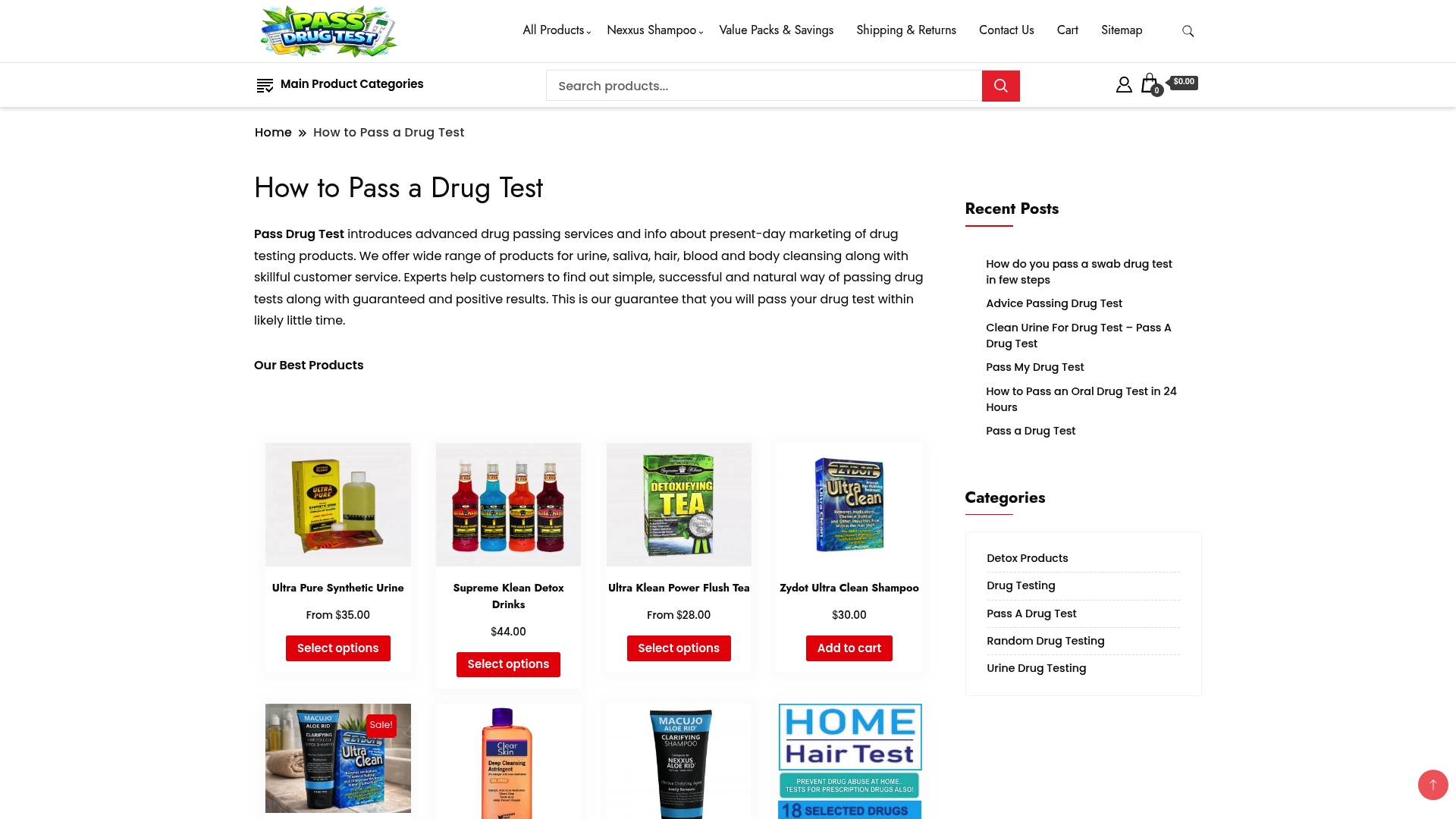
You can browse our full range of drug test detox products to find the combination that fits your timeline and hair type. If you’re comparing shampoo options, our hair follicle detox shampoo guide covers the leading products with honest reviews and usage guidance. For same-day support, Zydot Ultra Clean is a trusted final-step product used on the morning of your test. We’re here to help you make a smart, informed choice with products that are backed by real user experience and designed for your situation.
Frequently asked questions
How long does THC stay in your hair for follicle drug tests?
Hair follicle drug tests typically detect THC use up to 90 days by analyzing the 1.5-inch segment closest to the scalp. This window is fixed by how fast hair grows, roughly half an inch per month.
Can any shampoo completely remove THC from hair?
No shampoo is clinically proven to fully remove THC metabolites already deposited inside the hair shaft. Clarifying and detox shampoos can reduce surface residues and may reduce metabolite concentration, but complete removal is not confirmed by any peer-reviewed trial.
Is the Macujo method effective for passing a hair drug test?
Evidence for the Macujo method is entirely anecdotal, and no clinical trials confirm its success rate. It does carry real risks including scalp irritation, chemical burns, and hair breakage if not performed carefully.
How often should you use clarifying shampoo in a detox routine?
Use clarifying shampoo a maximum of 1 to 2 times per week. Overuse dries hair and can cause breakage, which may actually raise concerns during the sample collection process.
What is the safest way to prepare for a hair follicle drug test?
Allow the maximum possible time drug-free before your test, use a gentle but consistent detox routine, and avoid harsh chemical overexposure that risks hair damage and potential sample rejection. A measured approach combined with abstinence is always the most defensible strategy.