

A hair follicle drug test is one of the most stressful experiences a THC user can face. Unlike urine or saliva tests, hair testing locks in a 90-day look-back window, meaning any cannabis use over the past three months could show up in your sample. That’s a long time, and the anxiety that comes with it is real. This guide gives you a clear, practical, reality-checked plan so you know exactly what you’re dealing with, what actually works, and how to make the most informed decisions before your test date.
Table of Contents
- Understanding the hair follicle drug test
- What you need before starting: Tools and safety
- Abstinence and timing: The only proven clearance method
- Detox shampoos and cleansing methods: What really works?
- Common mistakes and advanced tips for best results
- Why most hair test “hacks” are overhyped and what actually helps
- Ready for your hair test? Get expert solutions and support
- Frequently asked questions
Key Takeaways
| Point | Details |
|---|---|
| 90-day minimum abstinence | Allow at least 90 days for new drug-free head hair to regrow for reliable clearance. |
| Detox shampoos not guaranteed | No consumer shampoo guarantees a negative result; lab testing detects deeply embedded THC residues. |
| Clean environment prevents errors | Avoid recontamination by using thoroughly cleaned tools, towels, and bedding during the detox process. |
| Cosmetic treatments impact outcome | Chemical or cosmetic changes to hair can affect test interpretation or collection quality. |
| Heavy use is a risk factor | Frequent or long-term THC use leaves more metabolites, making the test harder to pass with quick fixes. |
Understanding the hair follicle drug test
Before you take any action, you need to understand how this test works. Hair follicle testing screens for THC-COOH, the primary metabolite produced when your body processes THC. When you consume cannabis, THC enters your bloodstream and eventually bonds to the hair shaft from the inside as your hair grows. This is why washing your hair the night before a test does nothing to change the outcome. The metabolites are embedded in the structure of the hair itself, not sitting on the surface.
Head hair is the standard sample of choice for most labs. Hair tests use a 1.5-inch segment collected as close to the scalp as possible, representing roughly 90 days of growth. Head hair grows at approximately 0.5 inches per month, which is why that 1.5-inch sample covers three months of exposure. Body hair grows at a different, often slower rate, and the look-back window for body hair can be significantly longer, sometimes up to a year.
Several factors influence your result beyond just whether you used THC:
- Frequency and quantity of use: Daily users accumulate significantly more metabolites in their hair than occasional users
- Hair porosity and type: Coarse, dark, or chemically treated hair can retain or release metabolites differently
- Rate of hair growth: Slower-growing hair may show a longer exposure window for a given sample length
- Time since last use: The closer to your test date your last use occurred, the higher the chance of detection
- Melanin levels: Higher melanin content in dark hair has been linked to greater absorption of drug compounds
“Standard hair tests sample 1.5 inches of hair, representing approximately 90 days of potential drug exposure from the scalp outward.”
Understanding the hair drug test detection window is the single most important piece of knowledge you can have going into preparation. Everything else builds from there.
| Hair length sampled | Approximate look-back period |
|---|---|
| 0.5 inch | ~30 days |
| 1.0 inch | ~60 days |
| 1.5 inches | ~90 days (standard) |
| 2.0 inches | ~120 days |
| 3.0 inches | ~180 days |
What you need before starting: Tools and safety
Understanding the test means you can now gather everything needed for optimal and safe preparation. Before you attempt any cleansing protocol or detox routine, you need the right supplies, and you need to know what risks are involved. Going in without preparation can leave your scalp damaged and your results no better than if you had done nothing.
Here’s what you’ll typically need before starting any hair cleanse protocol:
- A proven detox shampoo formulated for hair follicle testing
- Clean, unused gloves (nitrile preferred)
- New or freshly laundered towels
- A clean comb or brush that has not been used recently
- Gentle conditioner for post-treatment care
- A patch test area (inner arm or small scalp section)
The importance of the patch test cannot be overstated. Many popular protocols involve products that are significantly more aggressive than standard hair care. Harsh methods like the Macujo or Jerry G protocol can damage hair and scalp, and there is no controlled clinical proof of guaranteed success with either approach. If your scalp is sensitive, shows redness, or feels irritated after a small test, you need to modify your plan before applying anything across your entire head.
| Protocol | Key products needed | Main risks | Notes |
|---|---|---|---|
| Macujo method | Aloe Rid shampoo, Tide detergent, vinegar, Clean & Clear | Scalp irritation, dryness, breakage | Multi-day process; anecdotal results |
| Jerry G method | Bleach, ammonia dye, Zydot Ultra Clean | Severe hair damage, burns | Very harsh; high risk of breakage |
| Detox shampoo only | Specialized detox shampoo | Low risk; minimal side effects | Less aggressive; best as part of full plan |
| Abstinence plus shampoo | Detox shampoo, clean tools | Minimal | Most reliable combination overall |
Reviewing detox routines for hair tests before choosing your approach helps you weigh real-world results against potential downsides.
Pro Tip: Always start your cleansing routine with freshly laundered towels and a brand-new comb. Reusing contaminated tools is one of the most common and easily avoided mistakes that can undermine even the best protocol.
Abstinence and timing: The only proven clearance method
Once you have your supplies, it is important to understand when it is safe to start and what is (and isn’t) possible. If you want a guaranteed path to passing a hair follicle drug test, the science points in one direction. The only guaranteed way is abstaining for at least 90 days so new, drug-free hair can grow in for the sampled portion. This is not a marketing claim. This is basic biology.
Here’s how to calculate your needed abstinence period:
- Identify your last use date. Be honest with yourself, even about occasional or secondhand exposure.
- Calculate days since last use. Subtract from today’s date to find out where you stand.
- Determine how close you are to 90 days. If you’re at 60 days, you need 30 more before your hair segment will be clear.
- Plan your test date strategically. If you have any control over scheduling, push it as far out as possible.
- Continue to abstain completely. Even a single use restarts the clock for new hair segments growing from the follicle.
The math matters here. Head hair grows about half an inch per month. At 90 days (three months), you’ll have grown roughly 1.5 inches of clean hair from the root, which is exactly the standard sample length. This means your clean-growth window lines up almost perfectly with the lab’s standard collection method.
90 days = approximately 1.5 inches of new, clean hair growth from the scalp. That is the critical number to keep in mind throughout your planning.
Understanding your full 90-day THC test guide timeline is especially useful if you’re a heavier or longer-term user, because metabolite concentration in existing hair segments doesn’t fade with time. Only new, clean growth changes your test outcome.
Pro Tip: Resist the urge to cut your hair very short right before a test. Arriving with extremely short hair or a shaved head can raise red flags with the collector and may result in body hair being used instead, which has an even longer detection window.
If you’re weighing other options, knowing how detox drinks vs abstinence stack up helps set realistic expectations for what external products can and cannot do.
Detox shampoos and cleansing methods: What really works?
Having established that time is your most reliable ally, let’s look at products and methods that can add value or reduce risk if you’re on a tighter deadline. Detox shampoos are the most popular commercial approach, and they serve a real purpose, but it’s important to understand what they can and cannot do.
Most detox shampoo claims focus on reducing surface and near-cortex residues, not on eliminating deeply embedded metabolites. No shampoo can fully flush out metabolites that have bonded to the inner cortex of your hair shaft through normal chemical processes. What quality detox shampoos can do is reduce the detectable concentration of residues, particularly when used consistently over multiple days as part of a structured protocol.
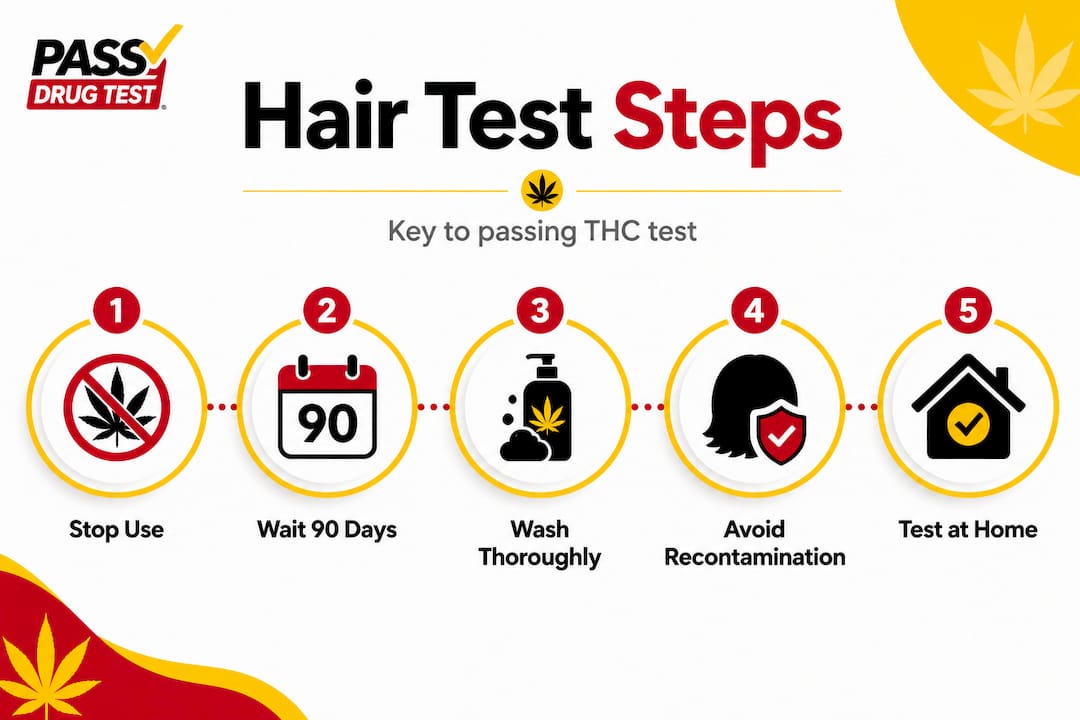
User-reported methods like the Macujo and Jerry G protocols are highly variable in their results and can be harsh on hair and scalp. Anecdotal success stories exist, but so do reports of scalp burns, severe breakage, and failed tests. These protocols should never be approached casually.
Best practices for using detox shampoos effectively include:
- Start early. The more days you have before your test, the more treatment sessions you can complete
- Use the correct amount. Follow label instructions precisely and don’t dilute the product
- Let it sit. Most effective detox shampoos require a several-minute contact time to penetrate beyond the surface
- Avoid recontamination. Wash all hats, pillowcases, and anything that contacts your hair regularly during treatment
- Follow with gentle conditioning. Aggressive cleansing strips natural oils and can make hair brittle without proper aftercare
“No clinical proof exists for a guaranteed pass from any detox shampoo; outcomes are highly variable and depend on use frequency, hair type, and how close the test date is.”
Choosing the best hair test shampoos matters significantly. Not all products are equal, and some over-the-counter options marketed as detox shampoos contain little more than standard clarifying ingredients. For a thorough breakdown of application techniques and product selection, the marijuana hair detox guide covers the process step by step. If you’re specifically focused on the shampoo’s role within the full protocol, reviewing hair follicle test shampoo options will help you compare what’s available.
Common mistakes and advanced tips for best results
Now that you’ve seen the options and risks, here’s how to avoid costly mistakes and sharpen your clearance strategy. Even people who do everything else right can undercut their efforts by making simple, avoidable errors.
Recontamination is more of a concern than most people realize. Dirty brushes, unwashed hats, shared bedding, and even pillowcases that haven’t been laundered recently can reintroduce residue to hair you just cleansed. The fix is simple but requires consistency: wash everything that touches your head every day during your preparation period.
Hair type and treatments also play a real role. Heavy or long-term use, combined with certain hair types and chemical treatments, can affect how metabolites are distributed in the hair shaft and how reliably any cleansing method works. Here’s what you should know based on your hair profile:
- Bleached or color-treated hair: May have higher porosity, which can mean more metabolite uptake but also potentially faster release during cleansing
- Natural coarse or dark hair: Higher melanin may retain metabolites more firmly, requiring more thorough protocols
- Fine or light hair: Lower melanin, potentially different metabolite retention patterns
- Recently permed hair: Chemical processing changes hair structure and can affect test interpretation
Other common mistakes that cost people their test results include skipping steps in a multi-day protocol, using the wrong amount of product, or assuming one treatment session is enough when the protocol calls for several. Over-processing your hair with back-to-back aggressive treatments can also backfire by creating breakage, which labs can sometimes note as a sample quality issue.
For advanced hair detox tips on managing your environment and getting the most from your protocol, it helps to think of the preparation period as a controlled process, not a one-time event.
Pro Tip: Before applying any chemical-based treatment to your entire scalp, test it on a small section of hair near the nape of your neck. If you notice burning, redness, or significant irritation within 10 minutes, stop immediately and reconsider the product or protocol.
Why most hair test “hacks” are overhyped and what actually helps
We’ve spent years watching the detox product space from the inside, and the pattern is consistent. Every few months, a new “miracle” method circulates online, often backed by forum testimonials and zero verifiable data. The problem isn’t that people are gullible. The problem is that everyone is desperate, and desperation makes unverified claims feel more plausible than they are.
The hard truth is that detox routines and products may help reduce risk but do not promise lab-proof results. The methods that work most reliably aren’t the flashiest. They’re the ones that are methodical, consistent, and grounded in understanding the biology of how THC is stored in hair.
Our perspective is this: the people who pass hair follicle drug tests most reliably are not the ones who found the best “hack.” They’re the ones who gave themselves the most time, stuck to a structured protocol, kept their environment clean, and managed their expectations honestly. That’s not exciting advice, but it’s accurate advice.
What actually works for hair tests is a combination of abstinence, consistent use of quality detox products, environmental discipline, and a realistic understanding of what you can and cannot change. If you’re within your 90-day window, focus on maximizing every day you have. If you’re past 90 days clean, your clean growth is working in your favor. Either way, a calm, informed approach outperforms panic-driven shortcuts every time.
Ready for your hair test? Get expert solutions and support
Whether you’re planning ahead with 90 days to spare or facing a tighter timeline, having the right tools on your side makes the preparation process less overwhelming and more focused.
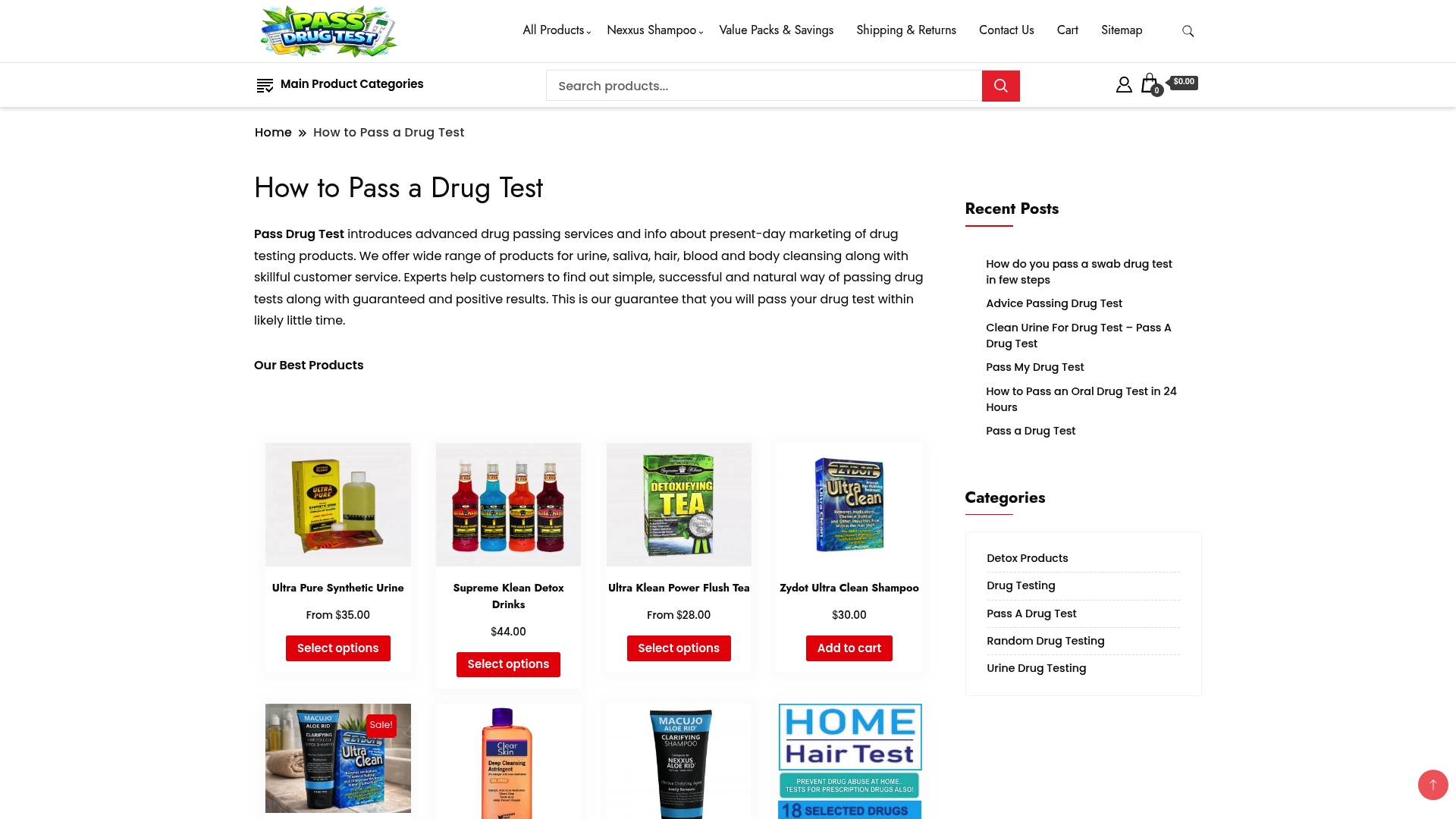
At PassDrugTest.net, we specialize in giving THC users practical, evidence-aware support for hair follicle test preparation. Our flagship Macujo Aloe Rid Shampoo is the most trusted product in the space, designed for the kind of consistent, multi-session use that gives you the best possible outcome. You can explore our full Hair Follicle Drug Test Shampoo selection, browse our hair test marijuana resources for deeper guidance, and check out our complete range of drug test detox products to build a preparation plan that fits your timeline and needs.
Frequently asked questions
Can detox shampoos guarantee passing a hair follicle drug test?
No. Hair detox shampoos are more likely to affect surface residues than to reliably remove embedded metabolites, and none are presented as a guaranteed way to defeat certified lab testing.
How long should I abstain from THC before a hair drug test?
At least 90 days is the widely cited minimum, as abstaining for ~90 days allows new, drug-free hair to grow in for the standard 1.5-inch sample collected by most labs.
Do cosmetic hair treatments affect drug test results?
Yes. Bleaching, dyeing, and similar chemical treatments can alter hair composition and may impact detection reliability or affect whether a lab can use the sample at all.
Is recontamination a real concern when cleansing hair for testing?
Absolutely. Minimizing recontamination through clean clothing, fresh linens, and new tools is a critical but frequently overlooked part of any effective hair cleansing protocol.
Are home hair drug test kits reliable?
Home kits can give you a general sense of where you stand, but they do not match the accuracy, specificity, or confirmatory power of a certified laboratory hair analysis, so treat results as directional, not definitive.