

Think a “non-invasive hair test” means no one touches your hair? That’s one of the most common misconceptions floating around. Hair follicle drug tests are classified as non-invasive because they don’t break your skin, but they absolutely require a hair sample. For marijuana users facing an upcoming test, understanding this distinction matters. Misreading what “non-invasive” means can lead to serious preparation mistakes. This article walks you through what hair testing actually involves, how labs detect THC, and what realistic strategies exist for people in your situation.
Table of Contents
- Understanding non-invasive hair testing: Facts vs. misconceptions
- How hair follicle drug tests detect marijuana use
- Common detox myths: Shampoos, methods, and lab realities
- Realistic strategies and harm reduction for hair drug testing
- The uncomfortable truth about ‘non-invasive’ hair drug testing
- Explore proven detox support and solutions
- Frequently asked questions
Key Takeaways
| Point | Details |
|---|---|
| No cut-free tests | All lab hair drug tests require cutting a small hair sample for marijuana detection. |
| THC detectable up to 90 days | Hair tests can reveal marijuana use for months, not days, making last-minute solutions ineffective. |
| Detox methods lack proof | No peer-reviewed research supports that detox shampoos or harsh methods enable passing a hair follicle drug test. |
| Labs catch tampering | Sophisticated lab washing removes surface contamination, so tampering strategies rarely work. |
| Harm reduction matters | Avoid risky home remedies and focus on honest preparation and wellness for any required test. |
Understanding non-invasive hair testing: Facts vs. misconceptions
The word “non-invasive” gets thrown around loosely, and that creates real confusion. In medical testing, non-invasive simply means the procedure does not break the skin or enter the body. A blood draw is invasive. A cheek swab is non-invasive. A hair follicle test falls in the middle of public perception but is officially classified as non-invasive because no needles or incisions are involved.
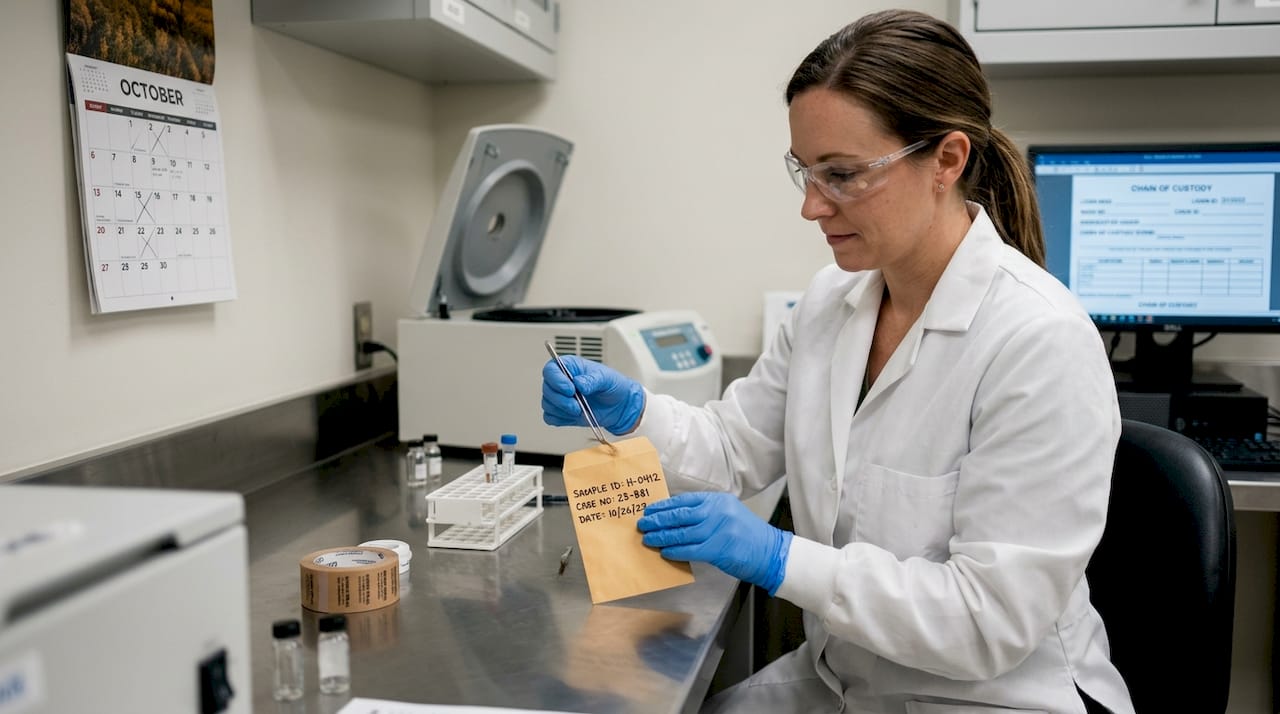
Here’s the catch: non-invasive hair tests that analyze drug metabolites without cutting a hair sample do not currently exist. Every lab-grade hair drug test requires removing approximately 90 to 120 strands cut close to the scalp. That sample is what gets analyzed. So while the process is painless, your hair is absolutely collected and tested.
Understanding this upfront helps you focus on what actually matters, which is preparation.
Comparison: Hair test vs. blood vs. urine
| Test type | Invasiveness | Detection window |
|---|---|---|
| Blood test | Invasive (needle required) | 1 to 7 days for THC |
| Urine test | Non-invasive | 3 to 30 days for THC |
| Hair follicle test | Non-invasive (sample cut) | Up to 90 days for THC |
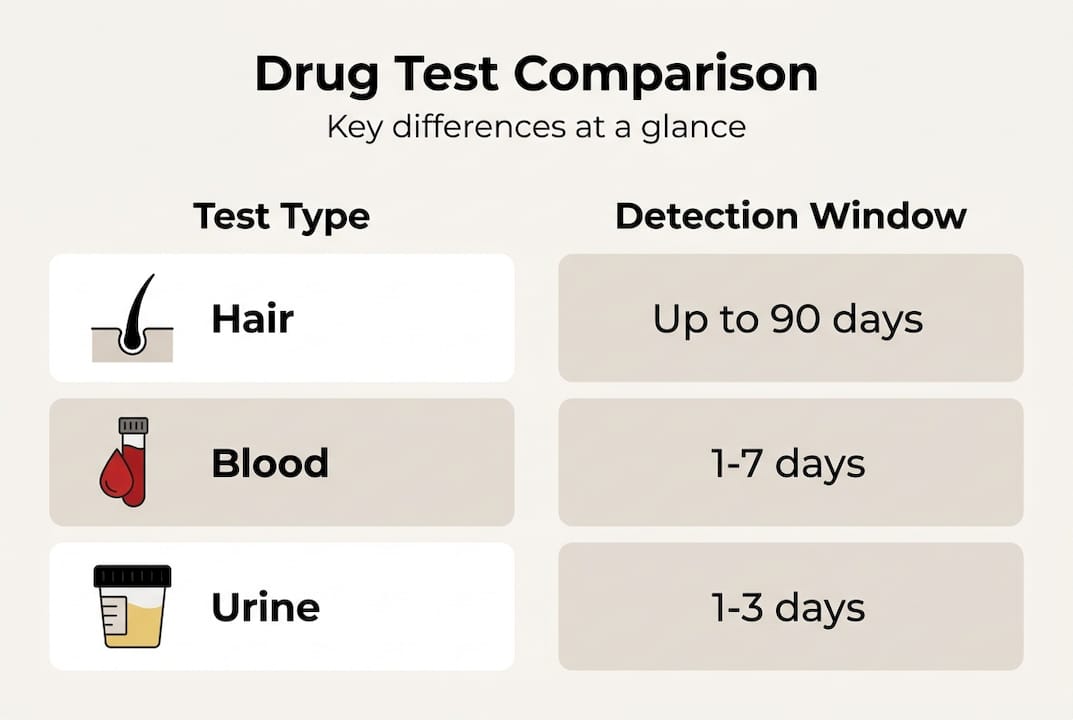
The hair follicle drug testing info confirms why hair tests are considered the toughest for marijuana users. The 90-day detection window is far longer than urine or blood. That means occasional use months ago can still show up.
Key facts worth knowing:
- Hair grows about half an inch per month, so labs test the 1.5 inches closest to your scalp
- Body hair can be used if head hair is too short
- The test specifically targets metabolites like THC-COOH that travel from your bloodstream into the hair shaft
- Results are reported as positive, negative, or inconclusive
The bottom line is this: calling it non-invasive does not mean it’s easy to pass. It means it’s less physically intrusive than a blood test. That’s all.
How hair follicle drug tests detect marijuana use
With the definition of non-invasive in mind, understanding how hair tests actually detect marijuana makes the process clearer.
When you consume marijuana, THC enters your bloodstream. From there, it circulates throughout your body, including to your scalp. As hair follicles grow, they absorb these compounds from surrounding blood vessels. The metabolites become physically embedded inside the hair shaft itself. They don’t wash out with shampoo because they’re locked inside the structure of the hair.

Hair tests detect THC metabolites embedded in the shaft via the bloodstream, and labs perform a wash step specifically to remove any external contamination before testing. This means that even if you got cannabis smoke in your hair at a concert, the lab accounts for that. Only internally deposited metabolites count.
Here’s how the standard process works:
- A collector cuts approximately 90 to 120 strands of hair from the root area
- The sample is sent to a certified lab
- The lab performs an initial immunoassay screening test
- Positive screens are confirmed using GC-MS (gas chromatography mass spectrometry) or LC-MS/MS
- Results are reviewed and reported, typically within 24 to 72 hours
The confirmation step is critical. GC-MS and LC-MS/MS are highly specific techniques. They don’t just detect THC broadly. They identify exact metabolite compounds at precise concentrations. The federal cutoff for THC-COOH in hair is 1 pg/mg.
“Hair follicle testing has a specificity rate above 90% for chronic marijuana use, making it one of the most reliable screening tools available to employers and courts.”
For frequent marijuana users, this is why the test is so challenging. Regular use means consistent metabolite deposition in every new segment of hair that grows. If you’ve been using for several months, that history is embedded in your hair and cannot simply be rinsed away. Understanding this process helps you approach your situation honestly, and explore hair follicle drug test shampoo options with realistic expectations.
Common detox myths: Shampoos, methods, and lab realities
Knowing how labs test, it’s important to separate what actually works from internet myths about detoxing your hair.
The detox industry is full of bold claims. You’ve probably seen products promising to strip your hair of all traces of THC in a single wash, or online guides promoting the Macujo method or Jerry G method as guaranteed solutions. It’s tempting when you’re stressed about a test. But here’s what the science actually says.
No empirical data supports detox shampoos or methods like Macujo or Jerry G passing lab-confirmed tests that use GC-MS or LC-MS/MS analysis. These claims almost always come from unverified sources, anonymous forums, or websites with a financial interest in selling you a product. Independent peer-reviewed studies simply do not back them up.
Common myths and why they fall short:
- Over-the-counter clarifying shampoos: These clean the outside of your hair, not the inside. Metabolites embedded in the cortex are unaffected.
- Apple cider vinegar and baking soda treatments: These can damage your hair and scalp, but they cannot reach metabolites locked within the hair shaft structure.
- Bleaching and dyeing: Harsh chemicals may reduce metabolite levels slightly in some studies, but not reliably below detection thresholds. There is no guarantee.
- The Macujo method or Jerry G method: Widely discussed, but no peer-reviewed evidence shows they produce consistent negative results on certified lab tests.
Beyond the ineffectiveness, there’s a real physical cost. Repeated application of acidic or alkaline substances to your scalp can cause chemical burns, hair breakage, and lasting scalp damage. That’s a serious risk to take for an unproven outcome.
Pro Tip: If you’re considering any product marketed as a detox solution, ask for independent lab verification of its claims. Reputable brands will have data. If they don’t, that tells you something important.
The safest path starts with understanding what a hair drug test shampoo can and cannot realistically do for your situation.
Realistic strategies and harm reduction for hair drug testing
With myths out of the way, here’s what you can realistically do if you face a hair drug test.
First, be honest with yourself about your timeline. Hair tests can detect THC for up to 90 days after use, and that window is not something any product can reliably eliminate on short notice. If your test is next week and you’ve been using regularly, your options are limited.
Here’s a practical framework for approaching your situation:
- Know your use history. Light or one-time use is less likely to produce a positive result than heavy or daily use. The amount of metabolite deposited correlates with frequency and quantity of consumption.
- Stop using immediately. New hair growth after you stop using will be clean. If your test is far enough out, clean growth at the scalp can work in your favor.
- Avoid harsh DIY treatments. The risk of scalp and hair damage is real, and the results are not guaranteed. Protect your health.
- Research thoroughly before spending money. Explore the best detox methods overview to understand what options exist and their realistic outcomes.
- Consider consulting an employment attorney. If the test is connected to a job, knowing your rights in your state matters. Some states have protections around marijuana use.
For those with more time before their test, reviewing proven steps for detoxing hair can help you build a thoughtful preparation plan.
Pro Tip: Hydration, exercise, and overall wellness won’t remove metabolites from existing hair, but they support healthy hair growth. Focus your energy on clean new growth rather than trying to alter what’s already in the shaft.
Harm reduction also means protecting your mental health. The stress of an upcoming test is real. Having accurate information and a clear plan, even if the outcome is uncertain, puts you in a better position than chasing unproven shortcuts.
The uncomfortable truth about ‘non-invasive’ hair drug testing
We’ve been in this space long enough to notice a pattern. The confusion around non-invasive hair testing isn’t accidental. Manufacturers and websites with products to sell benefit from keeping the lines blurry. If you believe a simple shampoo can neutralize a lab-grade test, you’re more likely to buy it.
Lab science moves faster than most detox advice. Methods discussed confidently online three years ago are now even less effective against current GC-MS confirmation protocols. What you read on a forum in 2022 may be genuinely misleading today.
The most valuable thing you can do is be skeptical and informed. Read the best hair drug test shampoo guide critically. Ask for evidence. Understand that “non-invasive” describes how the sample is collected, not how easy it is to beat the test.
Being realistic isn’t defeatist. It’s the smartest starting point.
Explore proven detox support and solutions
You’ve got the facts now, and that puts you ahead of most people facing this situation. Whether you’re looking to understand your options or find a product with real credibility, we’ve built our resources specifically for marijuana users navigating hair drug tests.
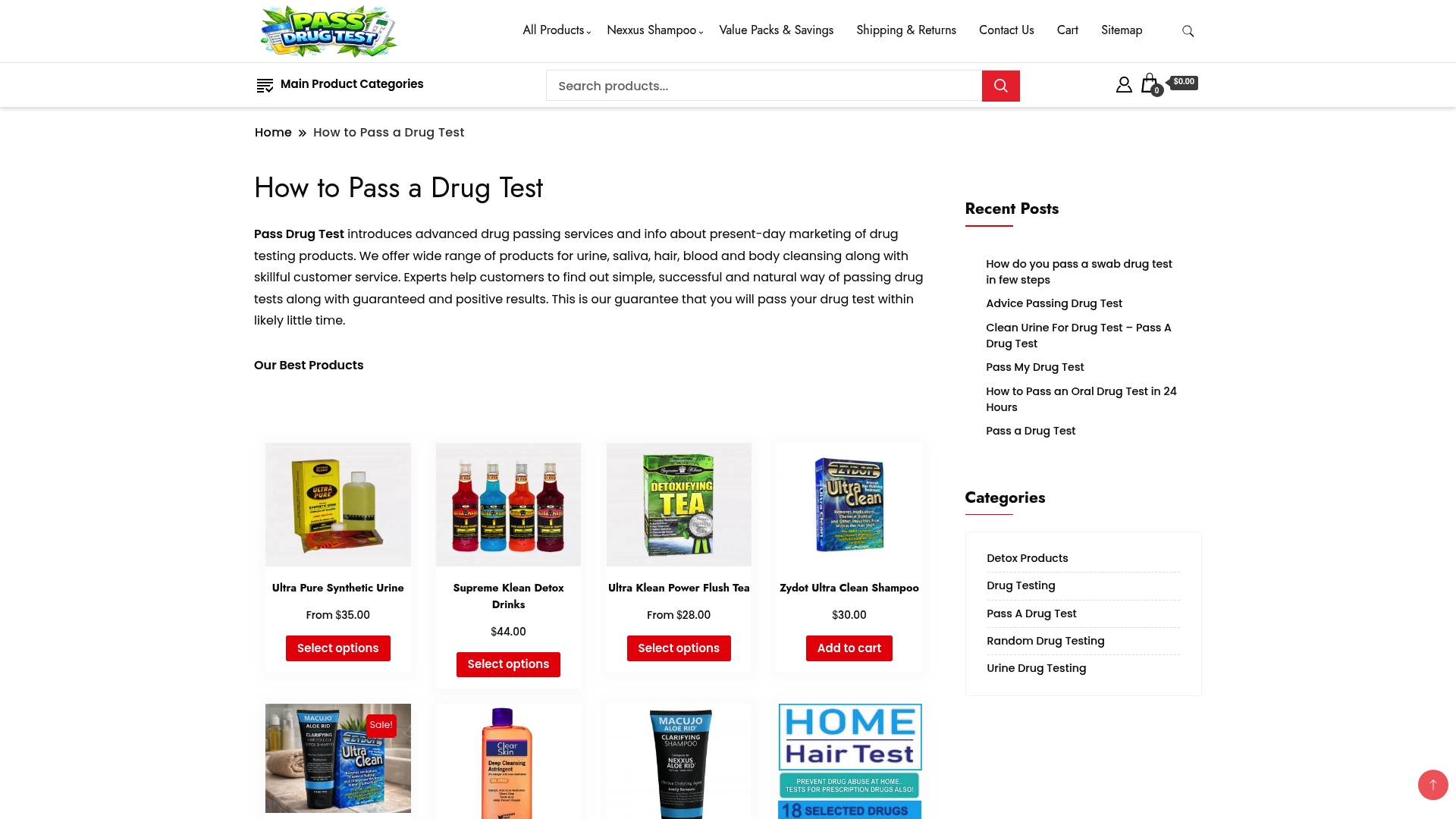
Our site offers hair follicle drug test shampoo options reviewed for real-world use, alongside detailed guides for marijuana hair drug test solutions tailored to your situation. You can also browse the full detox product range to find what fits your timeline and needs. We believe informed decisions lead to better outcomes, and we’re here to support yours.
Frequently asked questions
Is there a true non-invasive hair drug test that doesn’t cut hair?
Currently, no laboratory test exists that can analyze hair for drug metabolites without cutting a sample. All standard hair drug tests require physical hair collection.
How long does marijuana stay detectable in a hair follicle test?
Hair tests detect THC and its metabolites for up to 90 days after use, which makes them the longest-range drug test currently available for employment or legal screening.
Do detox shampoos or home remedies work for passing a hair follicle drug test?
No clinical evidence supports detox shampoos or methods like Macujo or Jerry G reliably passing GC-MS confirmed lab tests, and many home treatments risk scalp burns and hair damage.
Is it possible to fake or alter a hair follicle drug test sample?
Labs perform a wash step to remove external contamination before testing, so surface treatments have no effect. Only metabolites embedded internally in the hair shaft are measured in the final result.