

Hair follicle drug tests are one of the most demanding screenings you can face as a job applicant. Unlike urine or saliva tests, they detect THC metabolites from up to 90 days prior, meaning a single session months ago could surface on your results. Many applicants assume a quick detox product or home remedy will solve the problem overnight. The reality is more complicated, and understanding the facts before your test is the smartest move you can make. This guide breaks down how hair testing works, who is most at risk, and which strategies actually hold up under real lab conditions.
Table of Contents
- How hair follicle testing works: What job applicants should know
- Understanding detection windows & risk factors for THC users
- Safe hair detox strategies: What actually works (and what doesn’t)
- Lab procedures, sample handling, and tampering risks
- Why most hair detox advice fails: Practical truths for job applicants
- Get expert help to prepare for your hair drug test
- Frequently asked questions
Key Takeaways
| Point | Details |
|---|---|
| Detection window limits | Hair drug tests typically show THC use from the previous 90 days; body hair may reveal usage from up to a year. |
| No quick fixes | No home remedy or shampoo is proven to reliably clear THC for a lab hair drug test. |
| Lab protocol matters | Laboratories wash samples and check for signs of tampering, leading to refusal or secondary tests. |
| Safe detox strategies | Abstinence and prioritizing health are the only guaranteed ways to pass, despite misleading online advice. |
| Expert help available | Trusted detox products and resources can aid preparation for job applicants facing hair drug testing. |
How hair follicle testing works: What job applicants should know
Understanding the mechanics of hair follicle testing helps you set realistic expectations. When you consume THC, your body breaks it down into metabolites. Those metabolites travel through your bloodstream and get deposited into the hair follicle as the strand grows. Once locked inside the hair shaft, they stay there. That is the core challenge every applicant faces.
Hair grows roughly half an inch per month. Labs collect a sample of about 1.5 inches from the root end, which covers approximately 90 days of growth. If your job includes THC testing process questions, that 90-day window is the critical figure to remember.
The hair test procedures used in certified labs follow a strict two-step protocol. First, they run an immunoassay screening to flag positive samples quickly. Any sample that triggers the screen then goes through GC-MS/LC-MS/MS confirmation, a highly precise process that virtually eliminates false positives. This two-stage approach makes hair testing one of the most reliable drug screens available.
Here is a quick look at how hair drug test thresholds compare to urine testing:
| Test type | THC screening cutoff | Confirmation cutoff |
|---|---|---|
| Hair follicle | 1 pg/mg | 0.1 pg/mg |
| Urine (standard) | 50 ng/mL | 15 ng/mL |
Key facts every applicant should know about passing hair drug tests:
- Labs only test the 1.5-inch segment closest to the scalp
- External contamination from smoke exposure is generally not enough to trigger a positive
- The immunoassay screen is fast; the GC-MS confirmation is definitive
- Samples are typically collected by trained collectors to maintain chain of custody
The biggest misconception: Many applicants believe that because hair tests are less common than urine tests, they are easier to beat. They are not. They are significantly harder to beat because the metabolites are physically embedded in the hair structure itself.
Understanding detection windows & risk factors for THC users
With a technical understanding in place, it is time to address how much history these tests reflect and which applicants face the greatest risks.
Head hair covers roughly 90 days when the standard 1.5-inch segment is collected. But here is something many guides skip: body hair extends detection to up to 12 months, and recent use within 5 to 10 days is typically not captured because the metabolites have not yet reached the detectable segment of the strand. That means a brand-new user who last used yesterday might actually test negative, while a moderate user from two months ago could test positive.
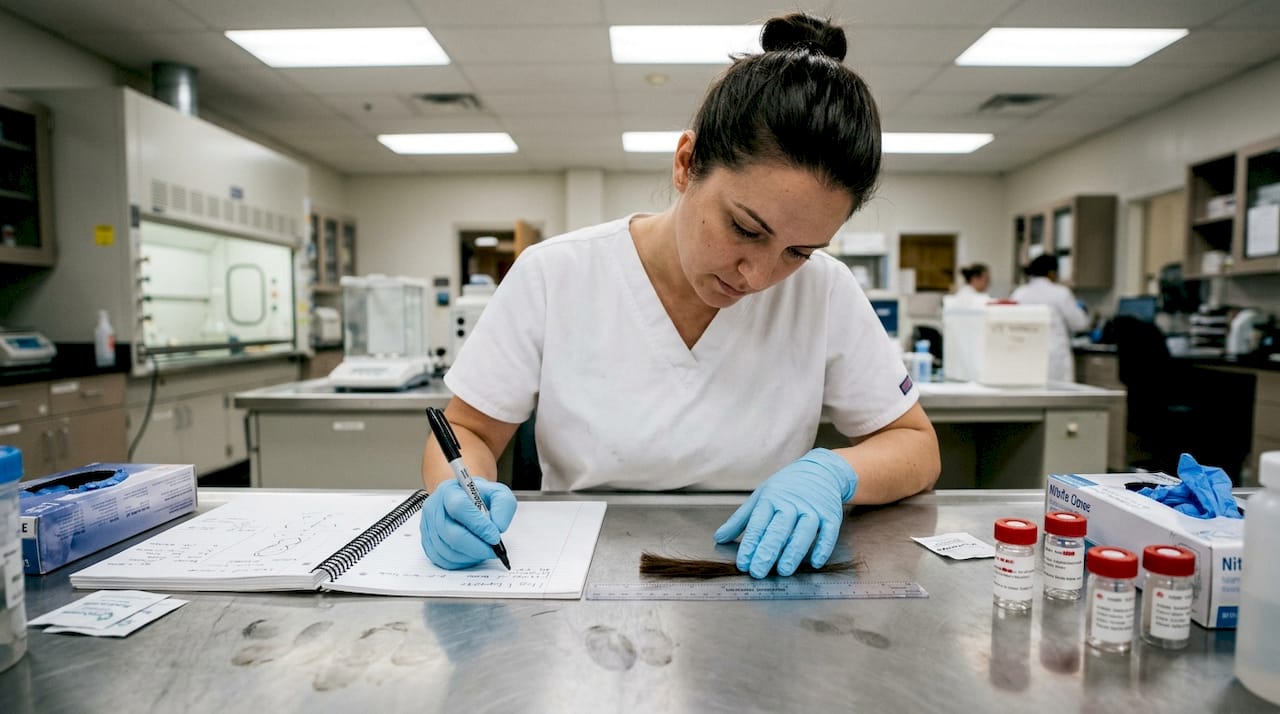
Your personal risk level depends on several factors. Use the comparison below to assess where you stand:
| Risk factor | Lower risk | Higher risk |
|---|---|---|
| Frequency of use | Single or rare use | Daily or chronic use |
| Hair type | Light-colored, fine hair | Dark, coarse hair |
| Hair length | Short (under 1.5 inches) | Long hair with history |
| Body hair used | Not applicable | Extensive body hair |
The numbered list below covers the most important variables that influence your personal detection risk:
- Frequency of use. Chronic daily users accumulate far more metabolites in each hair segment than occasional users.
- Hair color and porosity. Research suggests darker, more porous hair may bind melanin-linked metabolites more readily, potentially showing higher concentrations.
- Hair length. Longer hair keeps older use history intact. If you have hair past your shoulders, older use is physically present on your head.
- Body hair testing. If your head hair is too short, labs may collect underarm, chest, or leg hair, which can reflect use from up to a year ago.
- Metabolism and body fat. THC is fat-soluble. A higher body fat percentage may result in slower metabolite clearance.
Pro Tip: If you are serious about passing a hair drug test, take an honest look at your use history across the past 90 days, not just the past few weeks. The hair strand testing risks are real for regular users, and knowing your risk level helps you plan your approach with clear eyes.
Safe hair detox strategies: What actually works (and what doesn’t)
Knowing your risk is only valuable if you can act on it. Let’s cut through the clutter and focus on strategies that are safe and realistic.
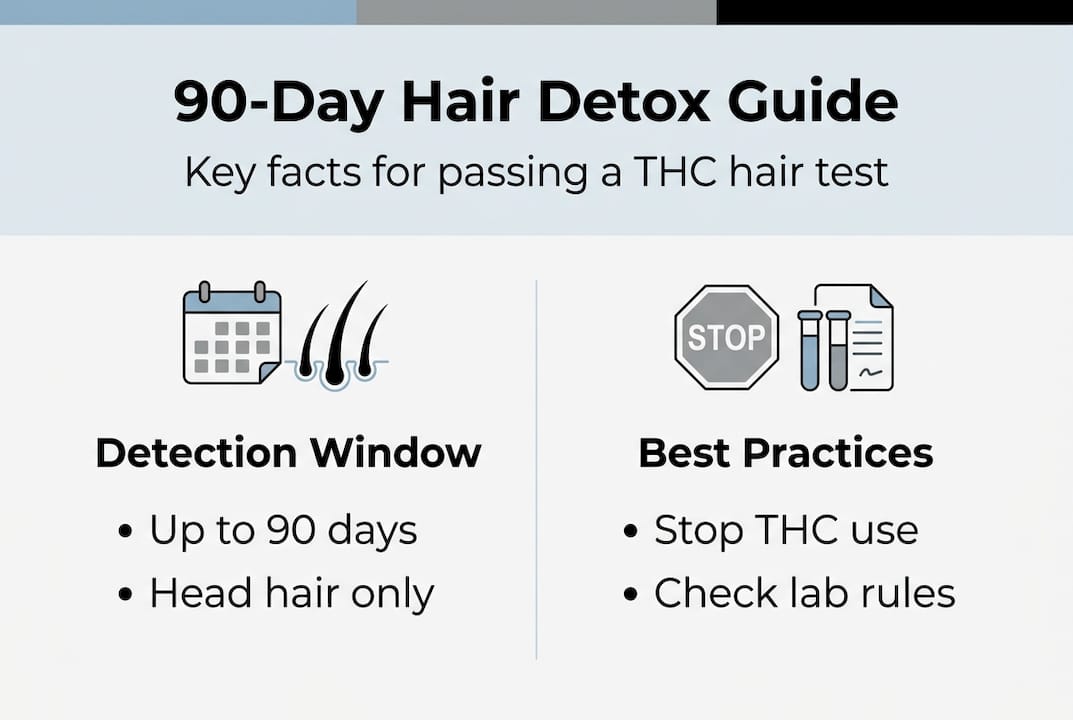
The hard truth that most people don’t want to hear: abstinence is the only guaranteed method. Home remedies and shampoos marketed as quick fixes are simply unproven by clinical standards. Stopping THC use and allowing clean hair to grow for 90-plus days is the only strategy that reliably produces a negative result.
Here is a clear breakdown of what applicants commonly try and how each approach actually holds up:
- Abstinence for 90+ days: Effective. Clean hair grows in and replaces the flagged segment over time.
- Apple cider vinegar or baking soda rinses: No scientific evidence supports these as capable of removing embedded metabolites.
- Commercial clarifying shampoos: May clean external residue but cannot reach metabolites inside the hair shaft.
- Bleaching and re-dyeing hair: May reduce metabolite concentration slightly, but labs account for this. It also damages hair significantly.
- Shaving the head: Triggers body hair collection and flags suspicion with the testing lab.
“No reliable home remedies exist for removing drug metabolites from hair. Health should always be prioritized over unproven methods.” Countrywide Testing
If you are evaluating recommended detox shampoos, look for products designed specifically for hair drug test preparation rather than generic clarifying formulas. The best hair detox shampoos are formulated to work more deeply than standard products, though they work best when combined with the right method and enough lead time before your test date.
Also consider the health risks of treatments like repeated bleaching or harsh chemical exposure. Damaging your hair or scalp is never worth a shortcut that labs are already trained to detect.
Pro Tip: Check the test methodology used by the specific lab your employer partners with. Some labs are more stringent than others, and knowing the confirmation thresholds helps you gauge your risk more accurately.
Lab procedures, sample handling, and tampering risks
Once you have chosen your strategy, it is vital to understand exactly how your sample will be handled and what labs look for.
Certified labs follow a precise process from collection through reporting. Here is how that process typically unfolds:
- Collection. A trained collector cuts approximately 100 to 120 strands from the crown area, close to the scalp.
- External wash. The lab washes the sample to remove external contaminants like smoke residue or product buildup before testing begins.
- Immunoassay screen. The sample is dissolved and screened. Positive screens move forward for confirmation.
- GC-MS or LC-MS/MS confirmation. This step provides legally defensible results and eliminates virtually all false positives.
- Reporting. Results are reported to the medical review officer, who contacts the donor if a prescription disclosure is needed.
Tampering attempts are a serious concern and labs are trained to identify them. Bleached hair, for example, may show degraded metabolites, but it also shows signs of chemical treatment that can flag the hair drug testing practices review process for further scrutiny.
Labs do not just test for THC. They also evaluate the physical condition of the sample for signs of chemical interference.
From a statistical standpoint, over 90% of confirmed positives in certified labs withstand legal challenge because of the rigorous confirmation step. That means attempting to alter results through chemical treatments carries a high risk of flagging your sample without actually clearing your results.
If you have tampering concerns or questions about your specific situation, knowing the test standards used by certified labs helps you understand exactly what examiners are looking for. Honest preparation beats risky shortcuts every time.
Why most hair detox advice fails: Practical truths for job applicants
Most of what circulates online about beating hair drug tests falls into one of two categories: outdated information or wishful thinking. We see this constantly, and it leads applicants to waste time and money on strategies that provide false confidence at the worst possible moment.
The core problem is that people confuse cleaning the outside of the hair with changing what is inside it. Metabolites are bound within the cortex of the hair shaft. No rinse, mask, or standard shampoo reaches that layer effectively enough to produce reliable negative results in a certified lab setting.
No reliable home remedies exist for clearing drug metabolites from hair, and your health should always come before an unproven method. The applicants who consistently succeed are those who start with accurate information from hair drug test advice sources, stop using THC as early as possible, and use the most effective preparation tools available with enough lead time. Quick-fix thinking costs people job offers. Informed preparation does not.
Get expert help to prepare for your hair drug test
Preparing for a hair drug test does not have to feel overwhelming. The right products, used correctly and with enough time, give you the best realistic chance at a clean result.
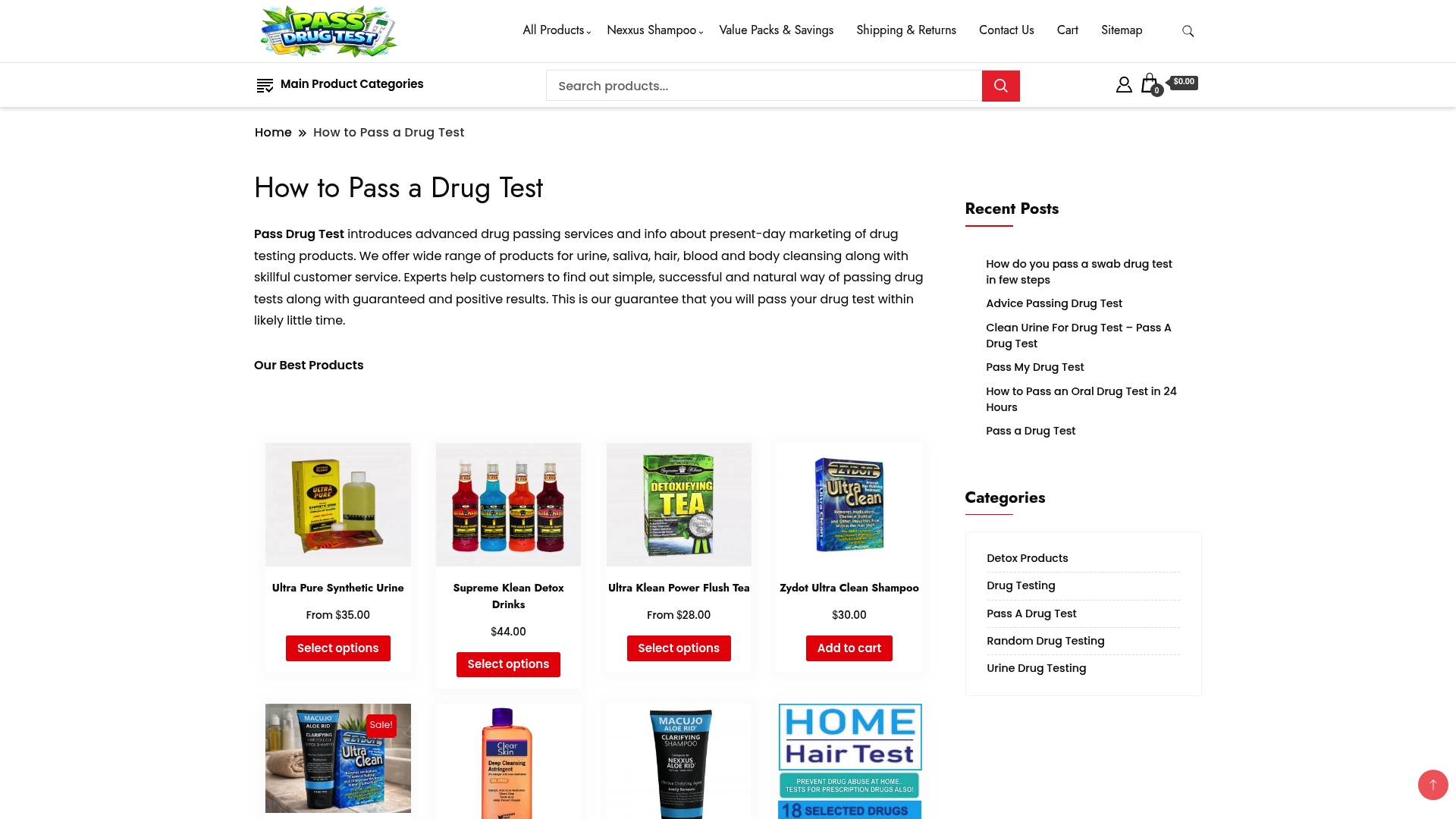
At Pass Drug Test, we specialize in helping THC users navigate exactly this challenge. Our best detox shampoos are selected for their effectiveness in hair drug test preparation, and our flagship Macujo Aloe Rid Shampoo is the most trusted option in its class. Browse our full range of drug test detox products and get the support you need to walk into your test with confidence. We are here to guide you every step of the way.
Frequently asked questions
How long does THC remain detectable in a hair follicle test?
THC can be found in head hair for up to 90 days, and body hair testing may reveal usage from up to 12 months ago depending on which hair is collected.
Do detox shampoos really help pass hair drug tests?
There is no scientific proof that any shampoo can reliably remove enough THC metabolites from inside the hair shaft to guarantee a negative lab result on its own.
Can bleaching or shaving my hair fool the test?
Labs wash samples and may flag tampering efforts like shaving or bleaching, which can lead to test refusal or switching to body hair collection.
Is abstinence the only sure way to pass a hair drug test?
Yes. Only stopping THC use for more than 90 days allows fully clean hair to grow in and produce a reliable negative result.
What should I do if I use THC medicinally or by prescription?
Disclose your prescription to your prospective employer, especially since pre-employment tests are standard in safety-sensitive jobs and a medical review officer will follow up on flagged results.