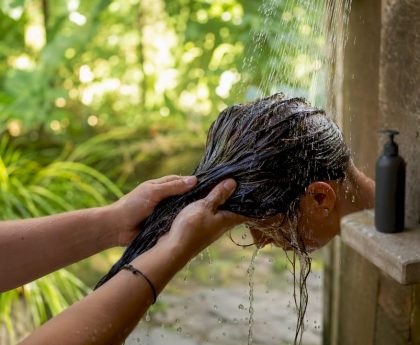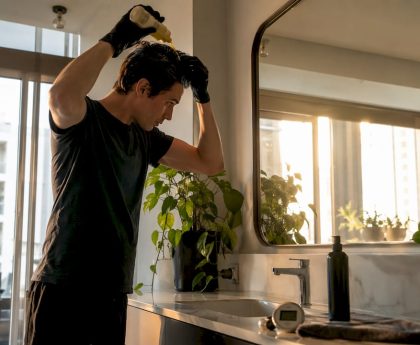
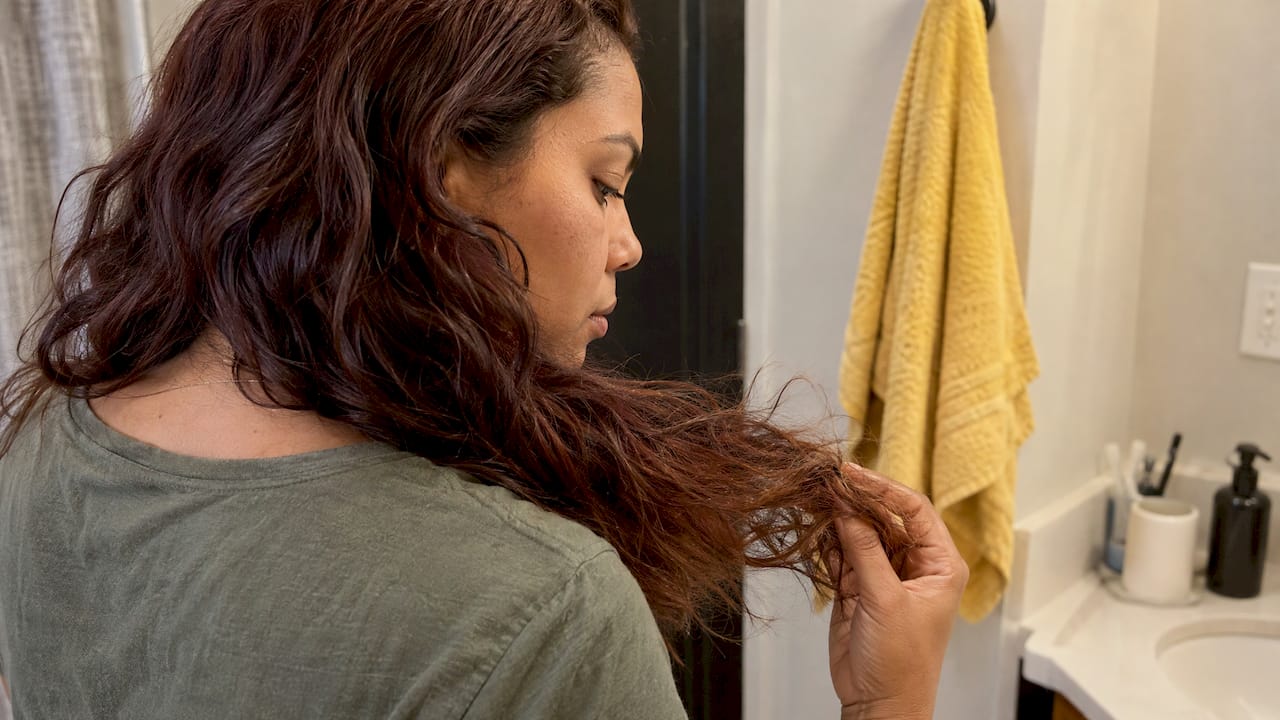

The risks of the Macujo method come from how the routine is done, not from the idea of cleansing your hair before a test. Harsh surfactants (the cleansing agents in shampoos and detergents), repeated exposure, rushed timing and improvised add-ons are what irritate scalps and strain hair. A purpose-made product used exactly as directed keeps those risks small. That is why we send readers to Macujo Aloe Rid Shampoo and its written routine instead of a kitchen-cabinet recipe.
If you have a hair follicle test coming up, you are probably stressed and short on time. This guide covers what can go wrong, how to spot it early and how to run the method so you reach test day with your scalp calm and your hair in good shape.
TL;DR
- Most Macujo-related problems are scalp irritation, dryness and hair that feels rough. They tend to come from repeated exposure to strong cleansers and from stacking extra products on top of the routine.
- Follow one written routine, with the timing printed in the instructions, rather than mixing several methods at once.
- Do a small patch check before your first full wash and stop if you get burning, swelling or a spreading rash. See a doctor or dermatologist for anything that lingers.
- Your test result also depends on factors outside the wash: how often you used, your hair color, and how much hair is cut.
- Our 10 to 14 day Macujo Aloe Rid instructions walk through safety and timing step by step.
Table of Contents
- What the Macujo method is, and why people ask about risk
- Scalp and skin: the most common issue
- Eyes and face
- Hair condition: dryness, roughness and breakage
- Can it cause lasting damage?
- Running the method safely: a step-by-step plan
- What else affects your hair test result
- Why a purpose-made routine beats improvising
- Start with the Macujo Aloe Rid Shampoo
- Our perspective
- FAQ
- Sources
What the Macujo method is, and why people ask about risk
The Macujo method is a hair detox routine built around a cleansing wash schedule, made well known by Mike Macujo. Mike’s Macujo Method is the routine we recommend most for people facing a hair follicle drug test, and our flagship Macujo Aloe Rid Shampoo is made for it.
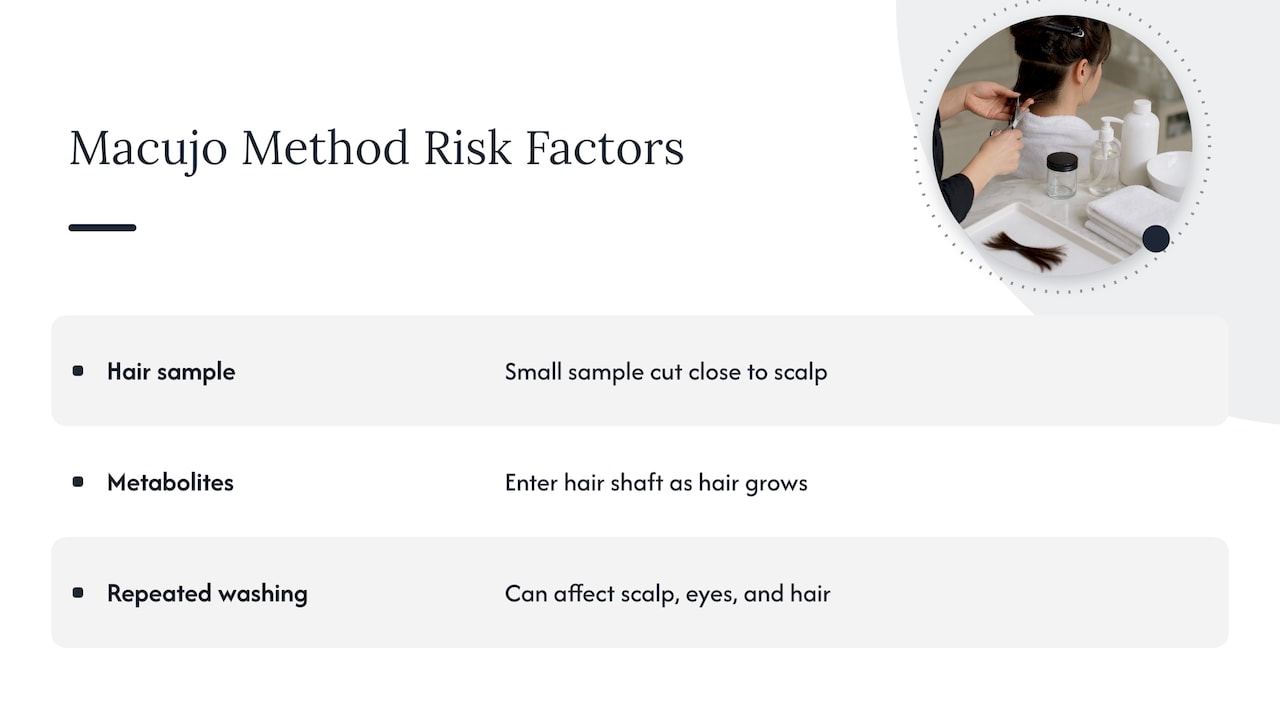
A hair follicle test looks at a small sample of hair cut close to the scalp. Drug metabolites, the traces your body leaves behind after processing a substance, are laid down in the hair shaft as it grows. That is why people want a wash routine that works on the hair itself, and why they sensibly ask what it does to their scalp.
The honest answer is that the method is a repeated-wash routine. Repeated washing with any strong cleanser has the same known pressure points: the skin of the scalp, the eyes if product runs, and the condition of the hair. Knowing those points is what lets you manage them.
Scalp and skin: the most common issue
Shampoos and detergents work because their surfactants lift oils and residue. A peer-reviewed review of surfactant irritation and allergy explains the downside: surfactants dissolve lipids in the skin’s membranes, which makes skin more permeable and can lead to inflammation. The same review says the main prevention is to avoid repeated exposure, protect the skin and use reparative emollients (moisturizing agents).
That maps directly onto a multi-day routine. In practice, you may notice:
- tightness or dryness on the scalp
- itching or flaking
- redness, especially along the hairline and behind the ears
- a stinging feeling when you apply the shampoo
The American Academy of Allergy, Asthma & Immunology’s contact dermatitis practice parameter notes that detergents are common causes of dermatitis because they disrupt the skin barrier. It also says people who suspect an allergy to hair products can be patch-tested for common culprits such as the shampoo surfactant CAPB, PPD (a hair dye chemical), fragrances and preservatives.
A simple patch check before you start
If you have sensitive skin, eczema, or have reacted to a shampoo or hair dye before, do a small check first. Put a little of the product on a small patch of skin, such as behind your ear, follow the label for how long to leave it, and rinse. Wait a day. If the area is red, swollen, itchy or burning, do not start the full routine. Talk to a doctor or dermatologist first, and tell them which ingredients you were exposed to.
When to stop and get medical advice
Stop washing and see a doctor or dermatologist if you get:
- burning or pain that does not settle after rinsing
- swelling of the face, eyelids or scalp
- blisters, oozing or a rash that spreads
- irritation that persists for several days after you stop
These are signs of a reaction that needs a professional’s eyes, not another round of product. Our customer service is available from 9am to 12am daily if you need help finding the right section of your instructions, but a medical reaction belongs with a medical provider.
Eyes and face
Any shampoo can sting the eyes. During a multi-step wash, the risk is highest when you tip your head back, rinse under a strong shower, or work product near the hairline. Tilt your head forward, keep a dry washcloth in hand and rinse slowly. If product gets in your eyes, rinse with plenty of clean water right away and follow the product label. Get medical help if pain, redness or blurry vision continues.
Hair condition: dryness, roughness and breakage
Hair that is washed repeatedly will feel drier. The surfactant review above names the same remedy for skin and, in practice, for hair care: do not overdo the number of washes and replace moisture afterward.
A few habits protect your hair during the routine:
- Keep to the schedule. Extra washes in the hope of extra results mainly add dryness and irritation.
- Skip stacking add-ons. Mixing in dyes, bleach, strong vinegar or other home mixtures on top of a shampoo routine multiplies the exposure that dermatology sources warn about. Our comparison of detox shampoo and home remedies shows why one purpose-made product is the cleaner path.
- Be gentle with wet hair. Wet hair is more fragile. Pat dry, use a wide-tooth comb and avoid tight styles.
- Rest the heat tools. Flat irons and blow dryers on high add stress you do not need.
It is also worth knowing that the cosmetic changes some people try, like bleaching and dyeing, are hard on hair. A 1997 study of cosmetically treated hair found that bleaching affected hair more than dyeing and that more damaged hair showed larger differences. Treating your hair kindly, rather than escalating to chemical processing, is the safer plan.
Can it cause lasting damage?
For a routine of a couple of weeks, the realistic concern is temporary: dryness, irritation and rough texture that settle once you stop and restore moisture. Lasting problems are linked to repeated irritation from strong chemicals, to allergic reactions in people who are sensitive to an ingredient, and to improvised mixtures with unknown strength. This is the reason we advise against inventing your own variation.
If something does not settle, a dermatologist is the right person to see. Bring the product label so they can check the ingredients against what is known to cause contact reactions.
Running the method safely: a step-by-step plan
- Count your days. Our Macujo Aloe Rid instructions are built around a 10 to 14 day window. Starting early means you never need to cram washes into the last two days, which is when irritation tends to happen.
- Patch check. Do the small skin check described above, especially if you have reacted to hair products before.
- Prepare your space. Have a towel, a washcloth for your face and a gentle conditioner or emollient on hand.
- Follow the label timing. Leave-on time is part of the routine. Doubling it will not double the benefit and may double the irritation.
- Rinse thoroughly. Residue left on the scalp keeps working on the skin after you step out of the shower.
- Moisturize the hair, not just the scalp. Use a mild conditioner on the lengths as the instructions allow.
- Watch for signs. Our guides to signs of detox progress and signs of detox shampoo effectiveness help you tell a normal routine from one that needs adjusting.
- Stop at the first red flag. Burning, swelling or a spreading rash means pause and get advice.
One point of confidence here: following a clear, written routine from a single product reduces the guesswork that causes most problems. It also saves you from sorting through conflicting forum advice at midnight.
What else affects your hair test result
The wash routine is only one part of the picture, and knowing the rest helps you plan calmly.
Detection window. SAMHSA’s clinical drug testing guidance says hair can show use from about 7 to 10 days after the event, and that most laboratories analyze the equivalent of about 3 months of hair growth. It adds that the detection window depends on how often and how much was used, metabolism, the cutoff concentration and your physical condition. For a deeper look, see our hair drug test detection window guide.
Frequency of use. A 2016 review by Hadland and Levy notes that hair testing is not very helpful for sporadic use and often needs fairly heavy use to reach detectable levels. The National Safety Council’s 2026 position statement likewise says hair testing may not be suitable to detect infrequent use.
Hair itself. A 2025 review in the Journal of Applied Laboratory Medicine lists decontamination protocols, extraction methods, hair color, growth rate, external contamination and cosmetic treatments among the things that shape results, and notes there is no strong link between the dose taken and the concentration found in hair.
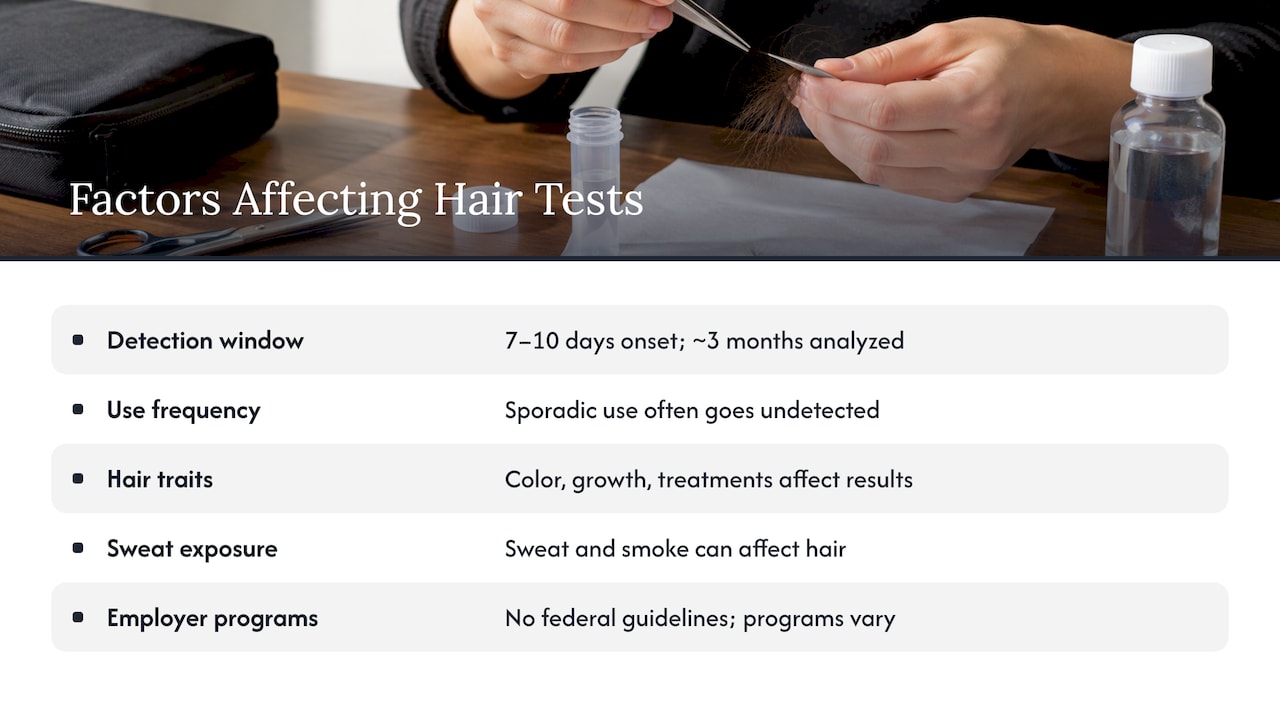
Sweat and exposure. Hadland and Levy also point out that sweat can carry metabolites along the hair shaft and that second-hand smoke can bring drugs into hair. It is another reason to keep your routine consistent and to start with plenty of time.
No federal guidelines for hair testing exist in the US, according to the NSC statement, so employer programs vary. Ask the testing company or HR which lab, sample length and cutoff your employer uses. Our hair drug test information page and hair drug test FAQs help you ask the right questions.
Why a purpose-made routine beats improvising
When people search for risks, they are often comparing a ready-made shampoo routine with something assembled at home. Improvised mixes have no consistent strength, no instructions built around hair and scalp tolerance, and no timing guide. A single product with printed directions gives you control of three things that matter for safety: how much, how long and how often.
That is the idea behind our shampoo for hair follicle drug tests guidance and our look at what actually works in detoxifying shampoo. If you want to see how Mike’s routine is laid out day by day, our guide to the best Macujo detox routines covers it.
Start with the Macujo Aloe Rid Shampoo
Macujo Aloe Rid Shampoo is our flagship product and the one we recommend for the Macujo method. If you want extra support, we also offer a bundle, Macujo Aloe Rid Shampoo with Zydot Ultra Clean Treatment.
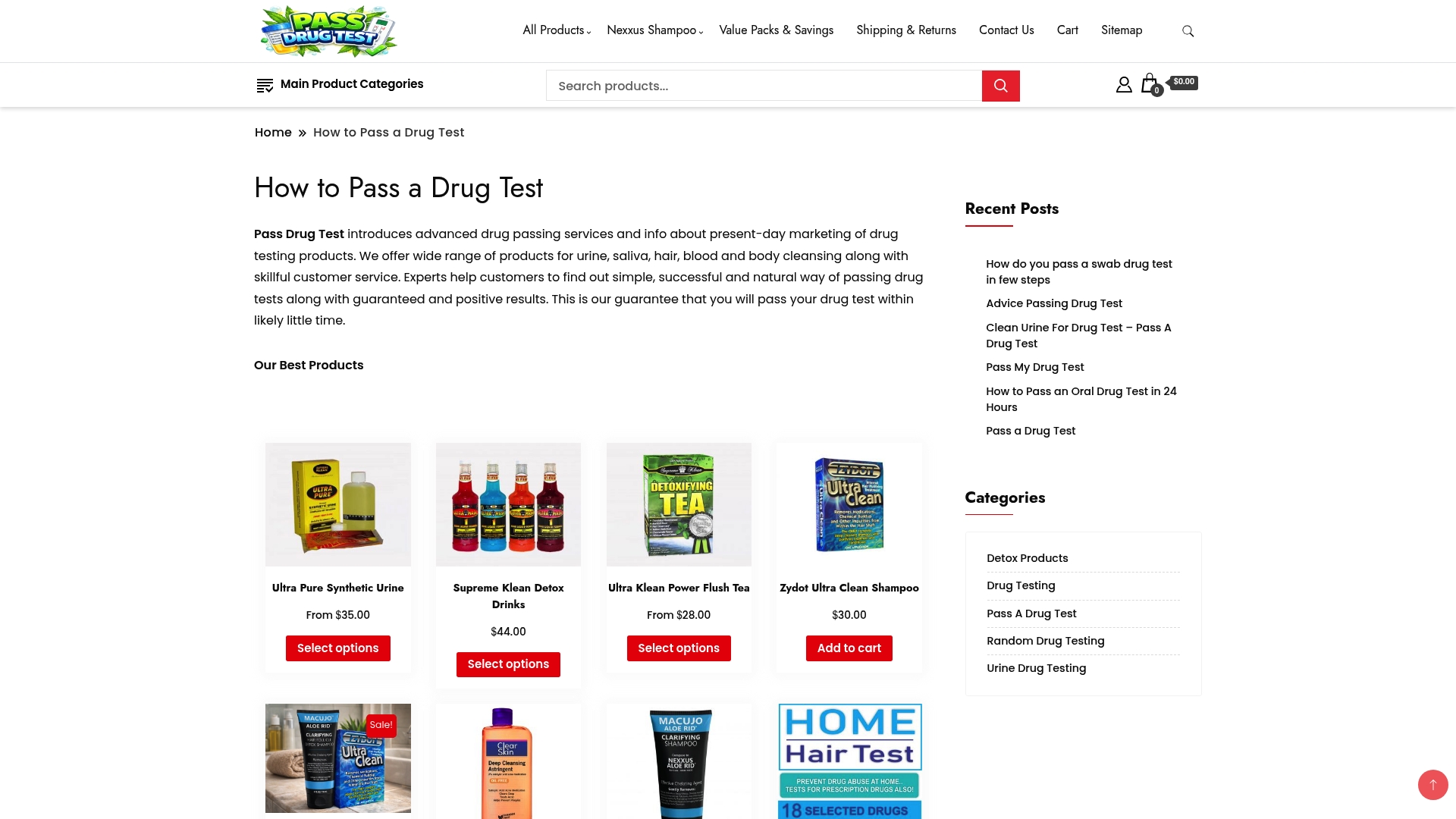
Every order comes with the support of our team from 9am to 12am daily, and we ship with confidentiality and secure delivery in mind, so you can get ready for your test privately. You can browse everything on the Passdrugtest storefront, and read the full 10 to 14 day instructions before you place an order so you know exactly what the routine involves.
Our perspective
We hear the same worry from people preparing for a hair test: they are not afraid of the test as much as they are afraid of doing something to their hair and scalp that they cannot undo. That is a fair concern, and it is why we build our advice around a single, written routine.
In our experience of how people talk about the Macujo method, the trouble starts when a routine turns into a pile of extras. A shampoo wash becomes a shampoo wash plus vinegar plus something from a forum plus a late-night extra round. Each addition raises exposure to cleansers, and dermatology sources say repeated exposure is exactly what drives irritation.
Our answer is to keep it simple. Start early, use Macujo Aloe Rid Shampoo as directed, watch your scalp and give your hair moisture along the way. If your skin tells you to stop, listen to it and see a doctor.
You are not doing this alone. Reach out to our team any day from 9am to 12am and we will help you find your place in the instructions.
MIchael
FAQ
Is the Macujo method safe for my scalp?
For most people, a routine that follows the product directions and the printed timing is manageable. Strong cleansers can irritate skin when exposure is repeated, so do a patch check first, rinse well and moisturize your hair. If you have burning, swelling or a spreading rash, stop and see a doctor or dermatologist.
Can hair drug tests detect occasional cannabis use?
Hair tests are less suited to picking up sporadic use. Reviews from Hadland and Levy and the National Safety Council say hair testing often needs relatively heavy use to show detectable levels. Results still depend on the lab’s cutoff, your hair color and growth rate.
What can affect a hair follicle test result?
The lab’s decontamination and extraction methods, hair color, hair growth rate, external contamination and cosmetic hair treatments all play a role, according to a 2025 toxicology review. Your pattern of use and metabolism matter too. That is why starting your routine early and following it consistently is the sensible approach.
How long should I plan for the Macujo routine?
We lay out the routine over 10 to 14 days in our Macujo Aloe Rid instructions, with safety and timing notes. Starting at the beginning of that window means you can follow each step without rushing or adding extra washes.
Sources
- Surfactant irritations and allergies
- Contact Dermatitis: A Practice Parameter, Update 2015
- Influence of the cosmetic treatment of hair on drug testing
- SAMHSA, Clinical Drug Testing in Primary Care
- Hadland and Levy, Objective Testing: Urine and Other Drug Tests
- National Safety Council ADID position statement, 2026
- Review on Toxicology Testing in Hair, Journal of Applied Laboratory Medicine