
Hair drug test accuracy is high for detecting past use but inconsistent when it comes to beating one. A standard 1.5 inch sample captures roughly 90 days of history, and no cleansing method has been shown to guarantee a negative result. Some treatments do measurably lower drug concentrations, but the outcome depends on your usage pattern, hair type, and how precisely you follow a protocol. The sections below break down what the research actually supports and what you can realistically do about it.
TL;DR:
- Hair drug test accuracy is high for confirmed detections, but no cleansing method reliably guarantees a negative result due to variability in hair type and usage patterns.
- Darker and more pigmented hair tends to bind drugs more strongly, increasing detection likelihood, while cosmetic treatments like bleaching can lower drug concentrations unpredictably.
- Cleansing shampoos and treatments can reduce drug levels by up to 90%, but these reductions are inconsistent and often do not bring levels below detection thresholds.
- Labs conduct thorough forensic checks for signs of chemical manipulation, such as bleach damage or abnormal metabolite ratios, which can flag attempts to cheat the test.
- Following a proven multi-step protocol exactly, including the Macujo method, offers the best realistic chance of reducing drug markers in hair before testing.
Table of Contents
- What Makes Hair Drug Test Accuracy So High
- Which Factors Actually Change Detectability
- What the Research Actually Shows About Cleansing Methods
- The Practical Checklist Before a Hair Follicle Test
- How Labs Catch Manipulation
- An Honest Take on What Actually Works
- Where PassDrugTest.net Fits Into Your Plan
- Essential Studies and Lab Resources
- Sources
- FAQ
What Makes Hair Drug Test Accuracy So High
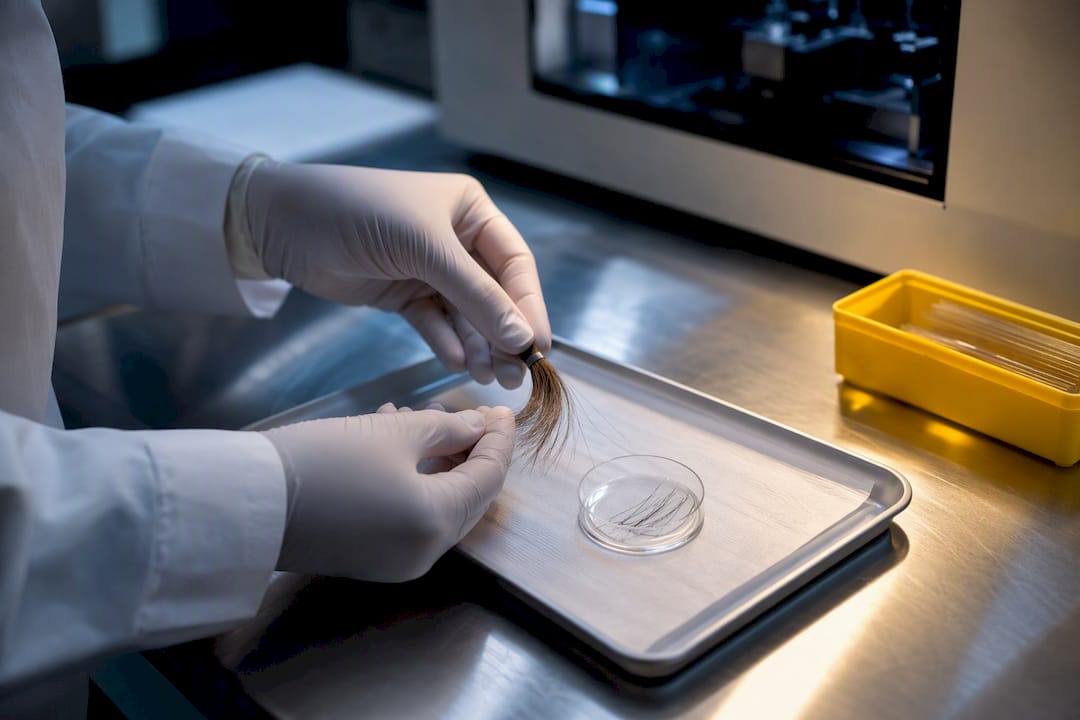
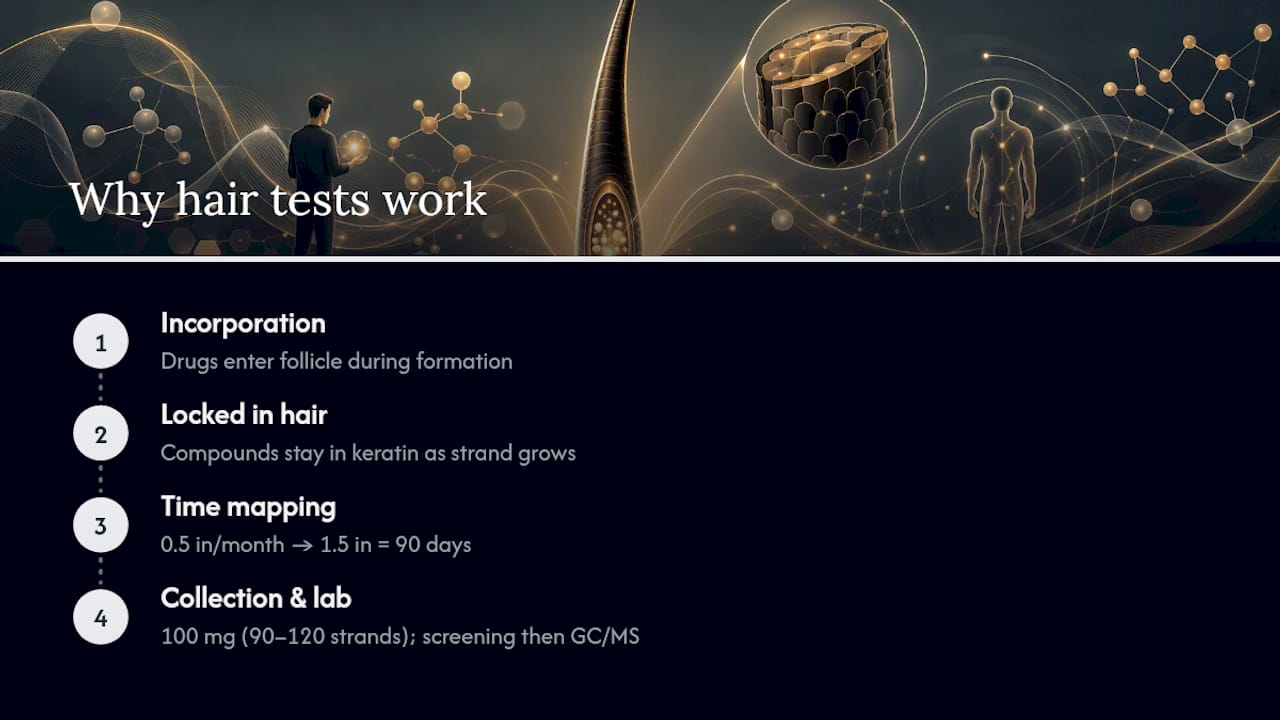
Hair testing works because drugs and their metabolites travel from your bloodstream into the hair follicle as it forms, then stay locked in the keratin structure as the strand grows. Sweat and sebum add a second layer of exposure for some substances. Since head hair grows at roughly 0.5 inches per month, a 1.5 inch sample equals about 90 days of use history. Labs typically require hair weighing about 100 milligrams, which corresponds to roughly 90 to 120 strands, cut near the scalp.
Once collected, samples go through a two-stage lab process. An initial screening test flags samples that might be positive, then a confirmatory method, usually GC/MS or LC/MS/MS, verifies the result and identifies the specific substance. This second step is why hair follicle test precision holds up so well in court and in workplace disputes: a screening flag alone rarely settles anything, but a confirmed result is hard to challenge.
Which Factors Actually Change Detectability
Hair drug screening effectiveness isn’t the same for everyone, and that’s exactly where test-takers have room to understand their own risk. A few variables matter more than most people expect:
- Frequency and dose. Chronic, heavy use deposits far more metabolite into the hair shaft than a single occasional use, which is part of why one-time users sometimes test clean while regular users don’t.
- Melanin and hair color. Darker, more pigmented hair tends to bind certain drugs more readily than lighter hair, a documented source of testing bias that has nothing to do with actual drug use.
- Cosmetic treatments. Bleaching, dyeing, and heavy sun exposure can degrade hair structure and alter detectable concentrations, sometimes lowering them and sometimes just damaging the strand.
- Timing and segment tested. Using a substance the week before your appointment matters less if the lab only tests the segment closest to the scalp, since that portion may not have grown out enough to capture recent use.
Pro Tip: If you know your test date in advance, understand which segment gets analyzed. A test that only reads the most recent 1.5 inches near the scalp is measuring a different window than one that reads further down the strand.
Because hair grows about half an inch a month, even a few weeks of lead time changes what’s realistically in that 90-day window.
What the Research Actually Shows About Cleansing Methods
This is where hair drug test reliability claims fall apart for a lot of shoppers, because “detox shampoo” gets marketed as one thing when the evidence shows something messier.
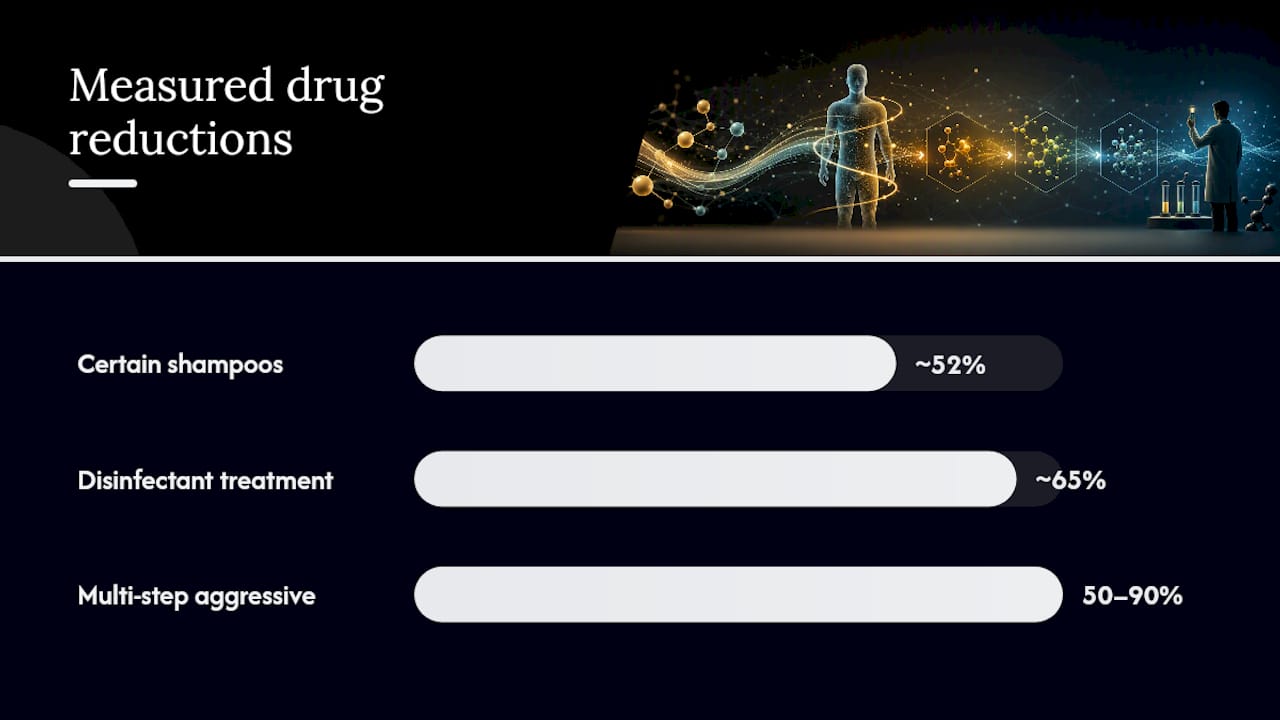
Controlled studies have measured real reductions in drug concentration from cleansing treatments, but the range is wide and the outcomes aren’t uniform. One study found mean THC reductions from roughly 52% with certain shampoos to about 65% with a disinfectant treatment, yet none of the treatments reliably pushed every sample below a detectable threshold. Separate peer-reviewed testing of multi-step chemical protocols found decreases as large as 50 to 90% for some drugs, with aggressive bleach and alkaline treatments producing the biggest drops.
Treated hair often shows no obvious visual damage after these aggressive protocols, which means a strand can look completely natural while carrying a chemically altered drug profile underneath.
That gap between what’s visible and what’s actually happened to the strand is a big part of why manipulation is hard to predict and hard to guarantee. Separately, studies on Ultra Clean-type single treatments generally found that one application left drugs detectable, with only repeated or more aggressive protocols producing bigger reductions.
A few things worth flagging:
- Effects differ by drug; stimulants and THC don’t respond identically to the same treatment.
- Decontamination washes at the lab work best soon after outside contamination and lose effectiveness once sweat and sebum have fixed substances into the hair.
- Reduction is not the same as passing. A 60% drop can still leave you above a lab’s cutoff.
The Practical Checklist Before a Hair Follicle Test
If you’re staring down a scheduled or random hair follicle drug test, here’s a straightforward order of operations that respects what the evidence actually supports.
- Stop using now, not later. Anything already incorporated into the hair shaft is there. Stopping today doesn’t undo yesterday’s use, but it limits how much more gets deposited before your test date.
- Understand your window. Use the roughly 90-day, 1.5 inch rule to estimate what’s realistically detectable, and factor in your hair growth rate.
- If you choose a cleansing protocol, follow it exactly. Multi-step regimens depend on precise timing, repetition, and product combination. Skipping steps or guessing at substitutions is where most people undercut their own results. Guides on detox shampoo versus home remedies lay out why consistency matters more than brand loyalty.
- Don’t trust single-use miracle claims. The research is clear that one application rarely does what marketing copy promises.
- Document legitimate prescriptions. If you’re taking a medication that could trigger a positive, have documentation ready before testing, not after.
- Know that visible chemical treatment can raise flags. Labs may notice bleaching or dye and request a corroborating urine sample, so weigh that risk before going the aggressive-treatment route.
Pro Tip: Watch for the physical signs a cleansing product actually did something to the hair shaft, covered in more detail in this breakdown of detox shampoo effectiveness, rather than assuming a product worked just because you followed the box instructions.
How Labs Catch Manipulation
Labs aren’t passive about this. Standard workflow includes a decontamination wash before testing, which strips external contamination so the lab can focus on what’s actually inside the hair shaft rather than what got sprayed or rubbed on the surface. That step is part of why Labcorp and similar labs pair an initial screen with confirmatory chromatographic testing.
Beyond the wash, labs look for specific indicators:
- Oxidative treatment markers, including compounds like PTCA that show up after bleach or alkaline exposure.
- Visual and textural signs of dye or bleach damage, even when a treatment was designed to leave hair looking untouched.
- Inconsistent metabolite ratios that suggest tampering rather than natural variation.
When a lab suspects manipulation, the usual response is supplemental testing, often a split urine sample or a full reanalysis, rather than an automatic pass or fail. Understanding hair test cutoff levels helps explain why labs treat borderline results with this extra scrutiny instead of taking a single screen at face value.
An Honest Take on What Actually Works
Guiding people through this process for years taught me one thing above everything else: anecdotal success stories are real, but they’re not guarantees. Passdrugtest built its reputation on the Macujo method and Aloe Rid protocols because they follow a documented, multi-step chemical process rather than a single miracle wash. Among cleansing approaches, following that method precisely is widely regarded as the strongest option available for a hair follicle drug test. That doesn’t mean every attempt succeeds. Hair type, timing, and how strictly someone follows the steps all move the needle. If you’re on legitimate prescription medication, keep your documentation current, and understand that no product overrides your employer’s testing policy or the law.
— MIchael
Where PassDrugTest.net Fits Into Your Plan
If you’ve made it this far, you already know the honest version: no shampoo rewrites biology, but following a proven protocol precisely gives you the best realistic shot. PassDrugTest.net carries the detox shampoos, kits, and step-by-step guides built around exactly that principle, starting with the Macujo Aloe Rid Shampoo, the flagship product behind the Macujo method and the one most closely tied to its documented results.
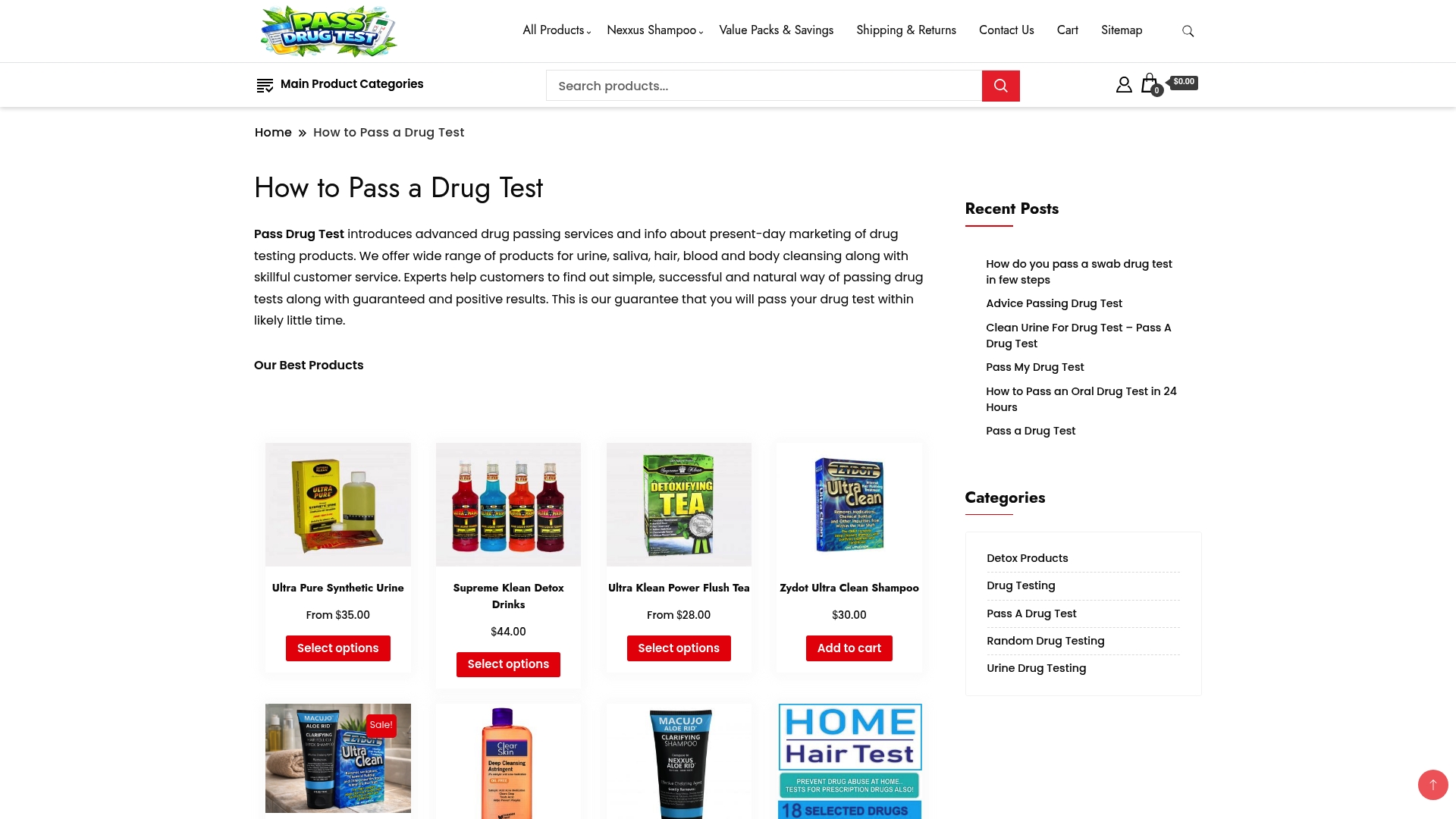
For readers who want the full chemical protocol rather than a standalone shampoo, the Macujo Aloe Rid Shampoo paired with Zydot Ultra Clean Treatment bundles both stages of the process together. If you’re specifically prepping for a 90-day pre-employment window, the hair detox guide for job applicants walks through timing your protocol against a known test date. Whatever you choose, follow the instructions exactly and combine steps sensibly rather than improvising. Browse the full detox product lineup to compare options based on your timeline and test type.
Essential Studies and Lab Resources
- Study on THC concentration reductions after hair treatments
- Homemade hair treatment effects on drug concentrations
- Hair follicle drug test overview
- Labcorp hair drug testing FAQs
- Surface contamination and analyte localization in hair
Sources
- Study reporting reductions in THC concentrations after various hair treatments
- Hair analysis: Assessment of homemade hair treatment effects on drug concentrations in the keratin matrix
- Hair follicle drug test
- Hair Drugs of Abuse Testing | Labcorp FAQs
FAQ
How accurate are hair drug tests compared to urine tests?
Hair tests detect a longer window, about 90 days versus one to three days for urine, making them harder to beat with simple abstinence timing. Urine testing remains more precise for very recent use, which is why labs sometimes request both when a hair result is disputed, as explained in this hair versus urine comparison.
Can detox shampoo really lower hair drug test results?
Controlled studies show some shampoos and treatments reduce measurable drug concentration by roughly 52 to 65% on average, but reductions varied and didn’t guarantee a result below cutoff. Following a full multi-step protocol like the Macujo method precisely, rather than a single wash, produced the more consistent outcomes in testing.
Does bleaching or dyeing hair beat a follicle test?
Aggressive oxidative treatments can produce large concentration drops, in some cases 50 to 90% for certain drugs, but treated hair can look completely normal while still carrying detectable markers labs check for. It’s an unpredictable approach, not a guaranteed fix.
What happens if a hair test comes back positive after using a cleansing product?
Labs may flag signs of chemical treatment and request a corroborating urine sample or full reanalysis rather than accepting a single result outright. Understanding hair test cutoff levels helps explain why borderline results get extra scrutiny.
How much hair do labs actually need for testing?
Labs typically need about 100 milligrams of hair, roughly 90 to 120 strands, cut close to the scalp for a standard 1.5 inch, 90 day sample. Less hair or a shorter segment changes the detection window the lab is actually measuring.