


Natural detox is slow because your body was never designed for speed. It was designed for safety. When THC metabolites enter your system, the liver must process them through two coordinated enzymatic phases before any elimination can happen. Those phases have hard biological limits, and no supplement, juice cleanse, or crash protocol can override them without causing harm.
Here is what controls the pace:
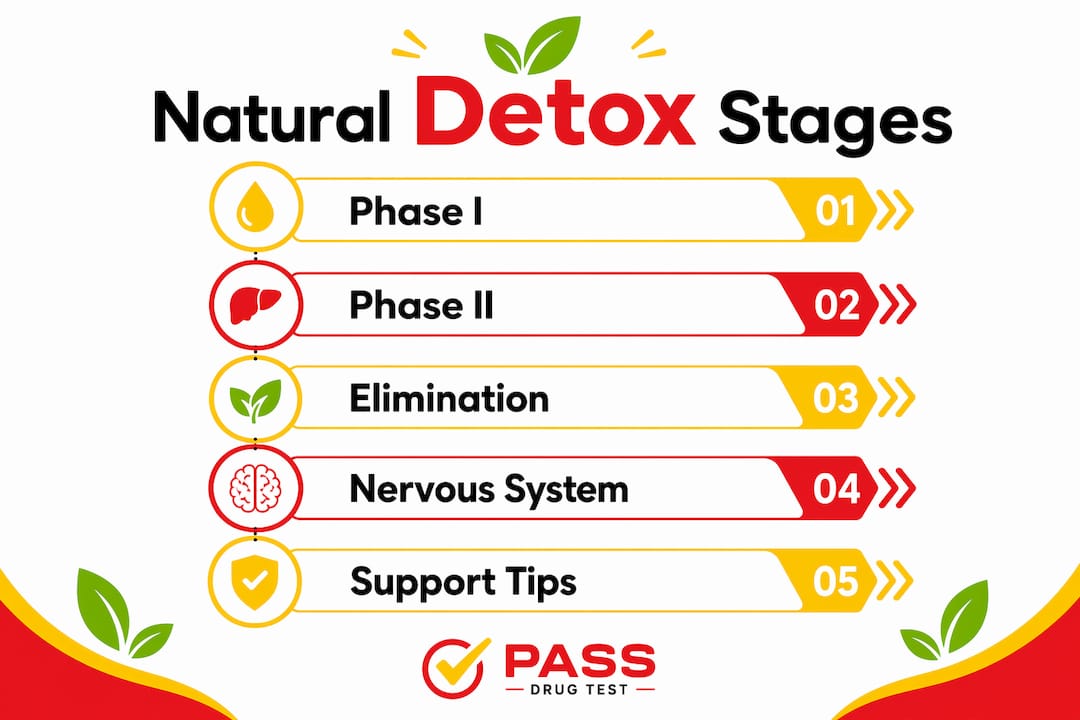
- Phase I and Phase II liver enzymes must work in sequence; rushing Phase I without Phase II support creates toxic intermediates
- Elimination pathways (bile, kidneys, bowels) each have a maximum clearance rate that cannot be forced higher overnight
- THC metabolites stored in fat cells release gradually into the bloodstream over weeks to months
- Nervous system state directly affects liver function; chronic stress slows the entire process
- Nutrient availability determines how efficiently detox enzymes actually run
For a hair follicle drug test, the timeline is even longer because hair retains metabolites embedded in the shaft for months after use. Understanding why the slow detoxification process is protective, not a failure, is the first step toward making smart decisions before your test.
Table of Contents
- Why your body’s biology makes natural detox slow
- What this means practically for marijuana users
- What experts say about why detox takes time
- What natural detox actually does and does not do
- Common misconceptions about speeding up natural detox
- How to support your body’s natural detox processes
- The real risks of trying to accelerate detoxification
- Key Takeaways
- Passdrugtest has what natural detox alone cannot deliver
Why your body’s biology makes natural detox slow
The liver handles detox in two distinct phases, and both must stay in balance. Phase I uses cytochrome P450 enzymes to convert fat-soluble toxins into reactive intermediates. Those intermediates are actually more chemically unstable than the original compound. Phase II then conjugates them with molecules like glutathione, sulfate, or glucuronic acid, making them water-soluble and safe to excrete.
The problem is that Phase I can run faster than Phase II. When that happens, reactive intermediates accumulate and cause oxidative stress. Your body deliberately slows Phase I to keep pace with Phase II, which is one core reason the slow detoxification process exists as a protective mechanism, not a design flaw.
“Detox doesn’t fail because toxins move. It fails when mobilization outpaces elimination.” — Joseph Coccagna, Acupuncturist
Elimination adds another bottleneck. Poor bile flow or constipation causes conjugated toxins to be reabsorbed through the gut wall via enterohepatic recirculation, sending them back to the liver and restarting the cycle. Kidney filtration and bowel motility each have daily throughput limits. If any one pathway is sluggish, the whole timeline extends.
Genetic variants in CYP enzymes and glutathione S-transferase (GST) also matter. Some people naturally run slower Phase II activity, meaning their detox timeline is longer regardless of lifestyle. Nutrient deficiencies in amino acids, B vitamins, and minerals compound this further by reducing enzyme cofactor availability.

Pro Tip: Support bile flow with foods like beets, artichokes, and dandelion root before trying any detox protocol. Open elimination pathways first; mobilization second.
What this means practically for marijuana users
For anyone preparing for a hair follicle drug test for marijuana, realistic expectations matter. THC is fat-soluble, meaning it stores in adipose tissue and releases slowly into the bloodstream over weeks. Hair grows slowly over time, and standard hair follicle tests sample recent hair growth covering several months of use. Natural clearance from hair cannot be accelerated by drinking more water or exercising harder.
Lifestyle factors do support the process, but within limits:
- Hydration aids kidney filtration and urinary excretion of water-soluble metabolites
- Protein intake supplies amino acids needed for Phase II conjugation reactions
- Regular exercise improves blood flow to the liver and kidneys and helps reduce fat stores over time
- Stress management shifts the nervous system toward a parasympathetic state, which is required for effective biological processing
What these habits cannot do is compress weeks of enzymatic work into days. Aggressive detox protocols that increase toxin mobilization without first supporting elimination pathways cause recirculation, not clearance. You feel worse, and the metabolites stay in your system longer.
Pro Tip: Manage stress actively during any detox period. Chronic sympathetic activation from anxiety or poor sleep impairs liver function and slows clearance. Even basic sleep hygiene directly affects your detox timeline.
What experts say about why detox takes time
Liver specialists confirm that the liver does not require periodic cleanses. It is highly efficient on its own. The best support strategy is consistent toxin reduction and steady hydration, not short aggressive protocols that overwhelm the organ rather than helping it.
Acupuncturist Joseph Coccagna, whose clinical work focuses on detox physiology, frames it this way:
This perspective aligns with what liver researchers observe. Detox feels slower than expected because biology prioritizes repair and metabolic stability over rapid toxin elimination. Symptoms like fatigue, headaches, and brain fog during detox are not signs that the process is working. They are signs that mobilization exceeded elimination capacity.
The practical takeaway from both liver specialists and integrative practitioners is consistent: slow down, support elimination first, and measure success by how stable you feel, not by how fast you move.
What natural detox actually does and does not do
Natural detox does process and eliminate THC metabolites through the liver, kidneys, and bowels over time. It does reduce circulating metabolite levels as fat stores shrink. It does support the gradual clearing of drug compounds from blood and urine.
What it does not do is remove metabolites already embedded in the hair shaft. Once THC metabolites are incorporated into hair during growth, they stay there until that section of hair is cut off or treated externally. No amount of hydration, diet, or exercise reaches inside the hair cortex to extract them. This is why natural detox methods alone are not sufficient preparation for a hair follicle test.
Common misconceptions about speeding up natural detox
The biggest misconception is that sweating toxins out through saunas or intense exercise accelerates clearance. Sweat is primarily water and serves temperature regulation. The liver and kidneys handle the actual toxin removal, and exercise supports them by improving blood flow and reducing fat stores over time, not by pushing metabolites out through skin.
A second widespread belief is that drinking large amounts of water flushes THC from the system quickly. Water supports kidney function and urinary excretion, but THC metabolites are fat-soluble. They require liver conjugation before kidneys can excrete them. Excess water intake beyond normal hydration adds no meaningful detox benefit and can create electrolyte imbalances.
Third, many users believe commercial detox drinks or herbal cleanses speed up the liver’s enzymatic phases. UT MD Anderson’s medical team notes that existing studies on detox diets lack sufficient evidence for effectiveness, and risks including nutrient deficiencies and gastrointestinal disruption remain.
How to support your body’s natural detox processes
Supporting detox means removing obstacles, not forcing speed. The sequence that works is: stabilize elimination first, then consider any mobilization support.
Concrete steps that genuinely help:
- Daily bowel movements prevent enterohepatic recirculation of conjugated metabolites
- Adequate protein (lean meats, legumes, eggs) provides glycine, cysteine, and glutamine for Phase II reactions
- Antioxidant-rich foods (berries, leafy greens, cruciferous vegetables) protect against oxidative stress from Phase I intermediates
- Consistent hydration at roughly 1.5–2 liters of water daily supports kidney clearance without overloading electrolytes
- Moderate aerobic exercise improves liver and kidney blood flow and gradually reduces fat-stored metabolite reserves
- Sleep of 7–9 hours supports parasympathetic nervous system activity, which is when the liver does its most efficient repair work
These are lifestyle changes for detox that compound over weeks, not days. Consistency matters far more than intensity.
The real risks of trying to accelerate detoxification
Pushing detox faster than your elimination capacity allows creates recirculation, not clearance. Mobilized toxins re-enter the bloodstream, cross the blood-brain barrier, and trigger inflammatory responses that produce the classic detox symptoms: headaches, fatigue, brain fog, and anxiety. These are not signs of progress.
Aggressive protocols also risk electrolyte imbalances from excessive fasting or laxative use, muscle breakdown from severe caloric restriction, and liver strain from high-dose supplements that stimulate Phase I without Phase II support. Short, aggressive detox routines can overwhelm the liver rather than improving its function.
For hair follicle testing specifically, no acceleration strategy removes metabolites from the hair shaft. Attempting to rush systemic detox while ignoring the hair itself is the most common and costly mistake marijuana users make when preparing for this type of test.
Key Takeaways
Natural detox is slow because the body’s enzymatic phases, elimination pathways, and nervous system state all impose hard biological limits that cannot be safely overridden.
| Point | Details |
|---|---|
| Phase I/II balance limits speed | Phase I produces reactive intermediates; Phase II must keep pace or oxidative damage occurs. |
| Elimination is rate-limited | Bile flow, bowel motility, and kidney filtration each cap how fast metabolites leave the body. |
| Hair retains metabolites for months | THC embeds in the hair shaft during growth; no systemic detox removes it from existing hair. |
| Lifestyle supports, not accelerates | Hydration, protein, sleep, and exercise optimize the process but cannot compress the timeline. |
| Passdrugtest offers targeted solutions | For hair follicle tests, external treatment products address what natural detox cannot reach. |
Passdrugtest has what natural detox alone cannot deliver
Natural detox handles what happens inside your body. It does not reach inside the hair shaft where metabolites are locked. That gap is exactly where Passdrugtest’s product line is built.
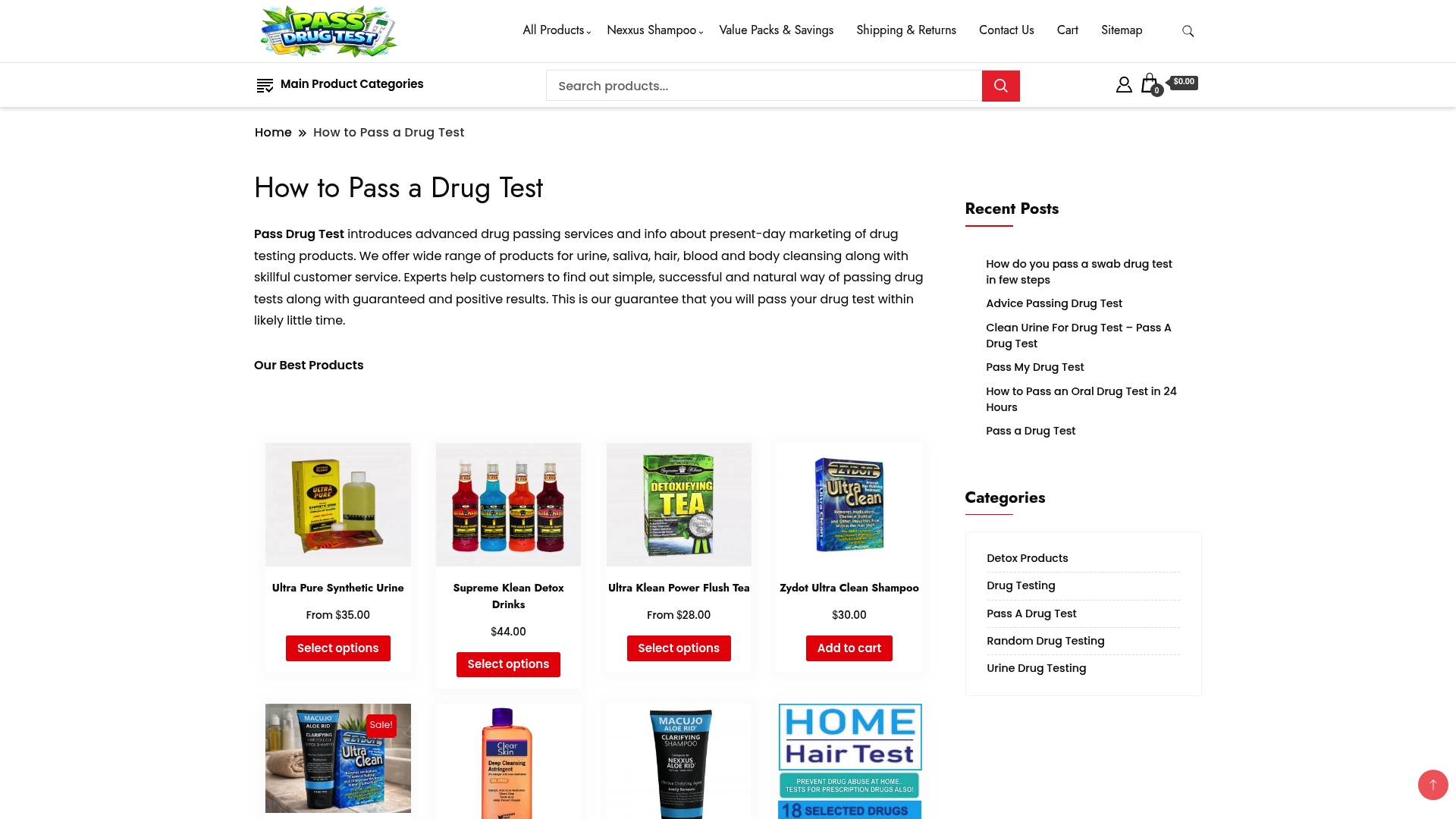
Passdrugtest carries proven hair follicle drug test shampoos and detox products specifically formulated for marijuana users facing hair tests. The flagship Macujo Aloe Rid Shampoo, used as part of Mike Macujo’s method, is widely regarded as the most effective external treatment available for passing a hair follicle drug test. It works on the hair cortex directly, addressing what months of clean living simply cannot.
If your test is coming up and you know natural detox alone will not be enough, check Passdrugtest’s full range of hair drug testing products and find the right solution for your timeline.