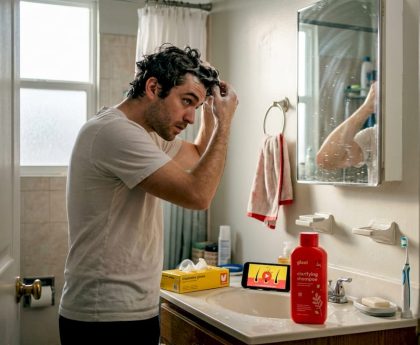
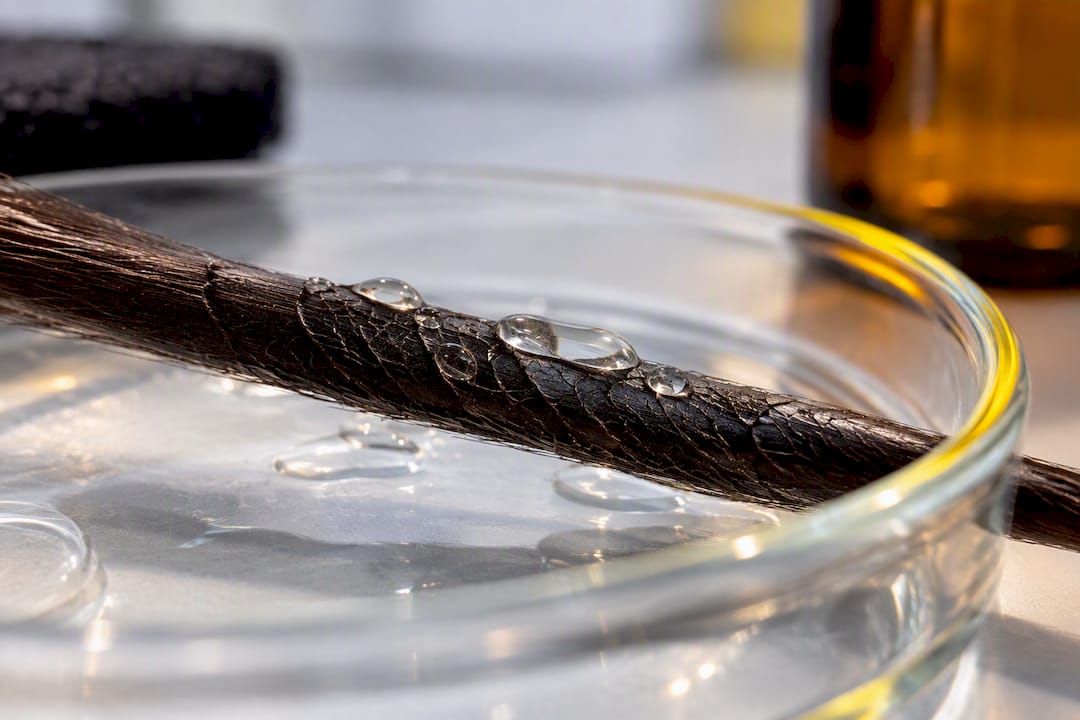

Nexxus Aloe Rid shampoo built its reputation on four ingredient categories: sulfate-based surfactants, propylene glycol as a penetration enhancer, tetrasodium EDTA as a chelating agent, and conditioning agents like avocado oil and ceramides. That combination genuinely produces a deep clarifying wash. What it does not do is guarantee removal of drug metabolites embedded in the hair cortex, no matter what a bottle label implies. The rest of this guide breaks down what each ingredient actually does and where the science stops.
TL;DR:
- The effectiveness of Aloe Rid shampoo in removing drug metabolites is limited to surface residues and does not penetrate to eliminate metabolites embedded in the hair cortex.
- Reformulated versions with higher propylene glycol levels enhance penetration but increase the risk of scalp irritation and a rougher hair feel.
- Surfactants can remove surface oils that lipophilic drug residues bind to, but they do not affect metabolites trapped inside the hair during growth.
- Heavy drug use often requires multiple washes over several weeks, as no shampoos can guarantee the removal of stubborn metabolites like THC.
- Always verify ingredient lists and avoid counterfeit products, as lower prices or inconsistent packaging are common signs of mislabeled Aloe Rid shampoos.
Table of Contents
- What Are the Aloe Rid Ingredients and What Do They Do?
- Do These Ingredients Actually Support Detox Claims?
- Original Nexxus Formula vs. Macujo-Style High-Propylene Variants
- What Side Effects Should You Watch For?
- How to Avoid Counterfeit or Mislabeled Aloe Rid Products
- Who’s Behind This Information
- A Practical Take on Ingredient Chasing
- Get the Ingredient-Verified Option Instead of Guessing
- Sources
- FAQ
What Are the Aloe Rid Ingredients and What Do They Do?
The archived Nexxus product listing gives the clearest picture of what the original formula actually contained, since the Nexxus ingredients page predates most of the reformulations and rebrands that followed. That listing groups into six functional categories, and understanding each one tells you exactly what you’re paying for.
Surfactants and cleansing agents:
- Sodium Laureth Sulfate: the primary detergent, responsible for lifting oils, sebum, and product buildup off the hair shaft
- Cocamidopropyl Betaine: a milder co-surfactant that boosts lather and offsets some of the harshness of sulfates
- Cocamide DEA: a foam booster and thickener that also has mild cleansing properties
Penetration enhancer:
- Propylene Glycol: a small, water-attracting molecule that helps other ingredients move past the outer cuticle layer of the hair shaft
Chelating agent:
- Tetrasodium EDTA: binds metal ions and mineral deposits, helping prevent buildup and loosening certain bound residues
Conditioning and moisturizing agents:
- Aloe Barbadensis (Aloe Vera) Gel: a natural, water-based botanical that soothes the scalp and adds a marketing hook to the “Aloe Rid” name itself
- Panthenol (Pro-Vitamin B5): a humectant that draws moisture into the hair shaft and reduces frizz
- Avocado oil and ceramide-type conditioners: found in some formulations to offset the drying effect of heavy sulfate content
Preservatives, fragrance, and color:
- Standard cosmetic preservatives (historically including compounds like methylchloroisothiazolinone or methylisothiazolinone in some formulations)
- Fragrance and cosmetic colorants, present purely for sensory appeal with no functional role in detox
Here’s the part most product pages gloss over. Sodium Laureth Sulfate and Cocamidopropyl Betaine do real work stripping surface oils, and lipophilic compounds like THC metabolites tend to bind to those oils. Strip the oil, and you strip some of what’s clinging to it. Propylene glycol’s job is different: it’s a small molecule that can carry other actives closer to the cuticle, which is why it shows up in nearly every “penetrating” detox formula, not just Aloe Rid. Tetrasodium EDTA doesn’t touch organic drug metabolites directly. Its job is mineral ions, calcium, magnesium, and the buildup they leave behind, which is still useful because heavy mineral deposits can trap other contaminants on the hair surface. The conditioning agents exist for a practical reason too: a shampoo this aggressive needs something to keep hair from turning to straw after repeated washes.
Do These Ingredients Actually Support Detox Claims?
The proposed mechanism sounds logical in three steps. Propylene glycol softens the cuticle and creates a path inward. The surfactant blend then dissolves oils and residues sitting at or near the surface. Tetrasodium EDTA mops up mineral buildup that might otherwise trap additional contaminants. Rinse, repeat, and in theory you’ve reduced whatever is detectable at the point of sampling.
The problem is what “at the point of sampling” actually means. Forensic research on hair contamination, including NIJ’s analysis of surface contamination and localization, draws a hard line between metabolites sitting on the hair surface and metabolites incorporated into the cortex during hair growth, when they travel through the bloodstream and get locked into the keratin structure as the strand forms. Surfactants and chelators can address the first category reasonably well. Reaching the second requires the treatment to actually penetrate to where the metabolite is bound, and that is a much harder chemical problem than washing away surface film.
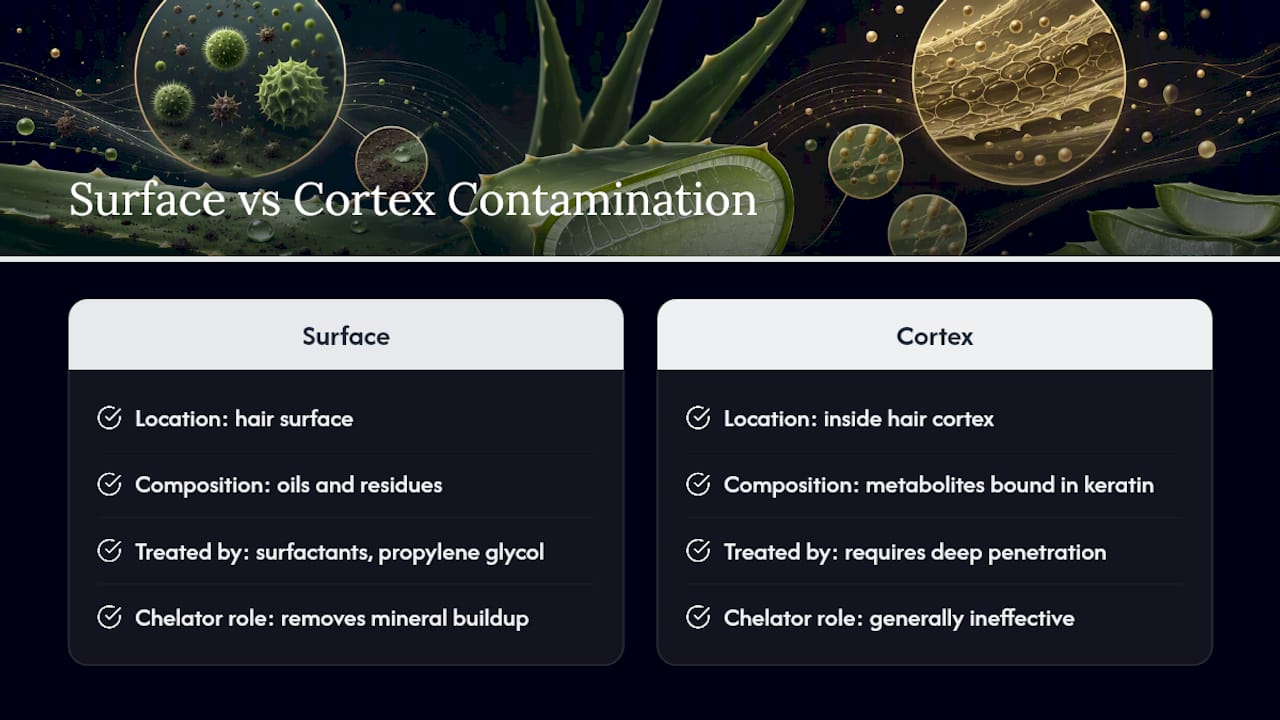
Statistic: according to Testing, THC metabolites are especially lipophilic and stubborn to shift, and heavy users are sometimes reported needing multiple washes before seeing any change in outcome. That is not a one-shampoo, one-night fix under any formulation.
Pro Tip: Check how long your hair has been growing since last use. A treatment applied the morning of a test has far less time to work than one used consistently over several weeks, and growth rate varies enough between individuals that no fixed timeline applies to everyone.
Peer-reviewed validation of hair decontamination protocols remains limited. A methodology review indexed on PubMed points to real variability in detection sensitivity and decontamination outcomes across studies, which is a polite way of saying the controlled evidence hasn’t caught up to the anecdotal reports circulating online. Most of what you’ll read about Aloe Rid’s success rate is user testimony, not lab data.
Original Nexxus Formula vs. Macujo-Style High-Propylene Variants
Not every bottle labeled “Aloe Rid” is chemically identical, and that distinction matters more than most buyers realize.
- Original Nexxus formula: balanced toward conditioning, with avocado oil, panthenol, and moisturizing agents offsetting the sulfate load. Built for cosmetic clarifying, not aggressive detox.
- Macujo-style high-propylene variants: reformulated or blended specifically to push propylene glycol concentration higher, prioritizing cuticle penetration over gentleness, since consumer writeups on the Macujo-style Aloe Rid approach describe this as a deliberate potency upgrade over the standard retail version.
- Trade-off: more propylene glycol means more penetration potential, but also more scalp irritation risk and a rougher feel afterward.
To tell which one you’re holding, read the ingredient order on the actual bottle. Propylene glycol listed near the top of the list, ahead of most conditioning agents, signals a penetration-focused formulation. Heavy emphasis on oils, ceramides, or “moisture complex” language usually signals the gentler, cosmetic-leaning version. Counterfeit and mislabeled products are a real risk in this category. A shampoo priced far below market rate, packaged with inconsistent fonts or missing batch codes, or sold by a marketplace vendor with no verifiable history should raise immediate doubt about whether the label matches what’s actually in the bottle.
What Side Effects Should You Watch For?
Aggressive detox shampoos carry real risks, and the ingredients themselves are only part of the story, since the protocols people build around them, repeated washes, heat, added chemicals, often compound the danger.
- High-detergent concentrations from stacked sulfates can strip natural oils to the point of chronic dryness and breakage.
- Preservatives like methylchloroisothiazolinone or methylisothiazolinone, flagged on ingredient safety trackers such as SkinSafe’s Nexxus product listing, are recognized contact allergens for some users.
- Cocamide DEA has drawn scrutiny in cosmetic safety reviews, and sensitive scalps may react to it directly.
- Combining detox shampoos with other harsh household chemicals, a common shortcut in DIY protocols, raises real risk of chemical burns.
Patch test any new product on a small skin area first, space out aggressive washes rather than stacking them daily, and see a clinician promptly if you notice redness, swelling, or broken skin. Follow up with a moisture-restoring conditioner afterward regardless of which formula you used.
How to Avoid Counterfeit or Mislabeled Aloe Rid Products
- Compare the ingredient order on your bottle against the archived Nexxus listing before assuming you have the original formula.
- Watch for red flags: prices well below typical market rate, blurry or misaligned label printing, and third-party sellers with no return policy.
- Buy from a retailer that states its sourcing clearly, and when in doubt, request confirmation of the batch or formulation before use.
Who’s Behind This Information
A company sells detox products, including a Macujo Aloe Rid Shampoo, meaning it has a commercial stake in this category. The chemistry claims above draw on the archived manufacturer label, forensic hair-testing research, and independent testing guidance, kept separate from any product marketing. Weigh vendor claims, including ours, against that independent science.

A Practical Take on Ingredient Chasing
Reading an ingredient list is not optional homework, it’s the single fastest way to know what you’re actually buying before you spend money on a wash routine. Prioritize safety over speed: patch test, respect frequency limits, and don’t assume a longer ingredient list means a stronger result. When the stakes are high, a scheduled test with real time to prepare, the Macujo method remains the most widely referenced approach for combining the right products in the right sequence, and it’s worth understanding fully before you improvise your own version.
— MIchael
Get the Ingredient-Verified Option Instead of Guessing
Reading labels only gets you so far when counterfeit bottles and reformulated knockoffs are floating around the same marketplaces as the real thing. Passdrugtest sells the Macujo Aloe Rid Shampoo directly, sourced and verified against the formulation this article just walked through, so you’re not left comparing ingredient lists against a bottle you bought from an unverified third-party seller.
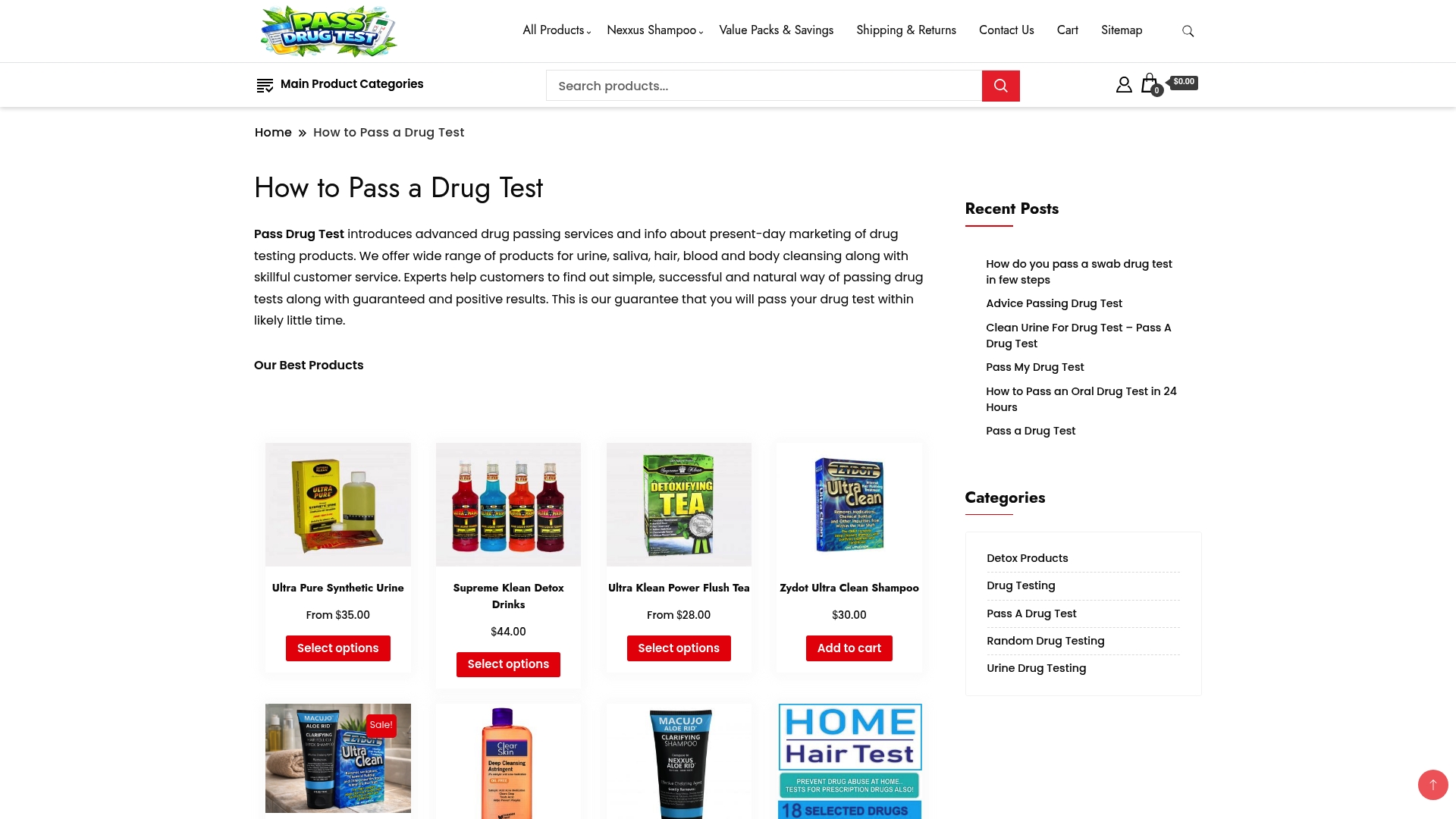
This is the right pick if you want the penetration-focused, higher-propylene-glycol version built for the Macujo method rather than the gentler retail formula meant for everyday clarifying. Pair it with our guide on shampoo options for hair follicle tests if you’re still deciding which protocol fits your timeline, and review our reliable detox breakdown before you commit to a wash schedule. Customer support may be available daily and orders often ship with discreet, secure packaging. Visit Passdrugtest to check current stock and pricing before your test date gets closer than you’d like.
Sources
- NEXXUS :: Products :: Aloe Rid® – gentle clarifying shampoo (archived)
- Analysis of drugs-of-abuse in human hair: surface contamination and localization — NIJ
- PubMed — hair decontamination and detection methodology (indexed study)
- Testing
FAQ
What Ingredients Are in Nexxus Aloe Rid Shampoo?
The core ingredients are Sodium Laureth Sulfate and Cocamidopropyl Betaine for cleansing, propylene glycol for penetration, tetrasodium EDTA for chelating mineral buildup, and conditioning agents like aloe vera gel and panthenol. The full archived list is available on the original Nexxus ingredient page.
What Is the Best Shampoo for a Hair Detox?
There’s no single shampoo that works identically for everyone, since results depend heavily on hair growth rate, usage history, and drug type. Products following the Macujo method, including Passdrugtest’s Macujo Aloe Rid Shampoo, are among the most consistently referenced options for this specific protocol.
Does Aloe Rid Actually Remove THC From Hair?
Aloe Rid’s surfactants and penetration enhancers can reduce surface-level residue, but THC metabolites embedded in the hair cortex are harder to reach, and testing.com notes that heavy users sometimes need 15 or more washes to see any change. No ingredient combination offers a guaranteed outcome.
Are There Side Effects From Using Aloe Rid Repeatedly?
Yes. Repeated use of high-sulfate formulas can dry out the scalp and hair, and certain preservatives flagged on safety trackers like SkinSafe can trigger contact reactions in sensitive users. Patch testing and spacing out washes reduces that risk.
How Is Macujo-Style Aloe Rid Different From the Original?
Macujo-style variants are formulated with higher propylene glycol concentrations to prioritize penetration over gentleness, according to user method writeups, while the original retail formula leans toward conditioning agents like avocado oil for everyday clarifying use.