
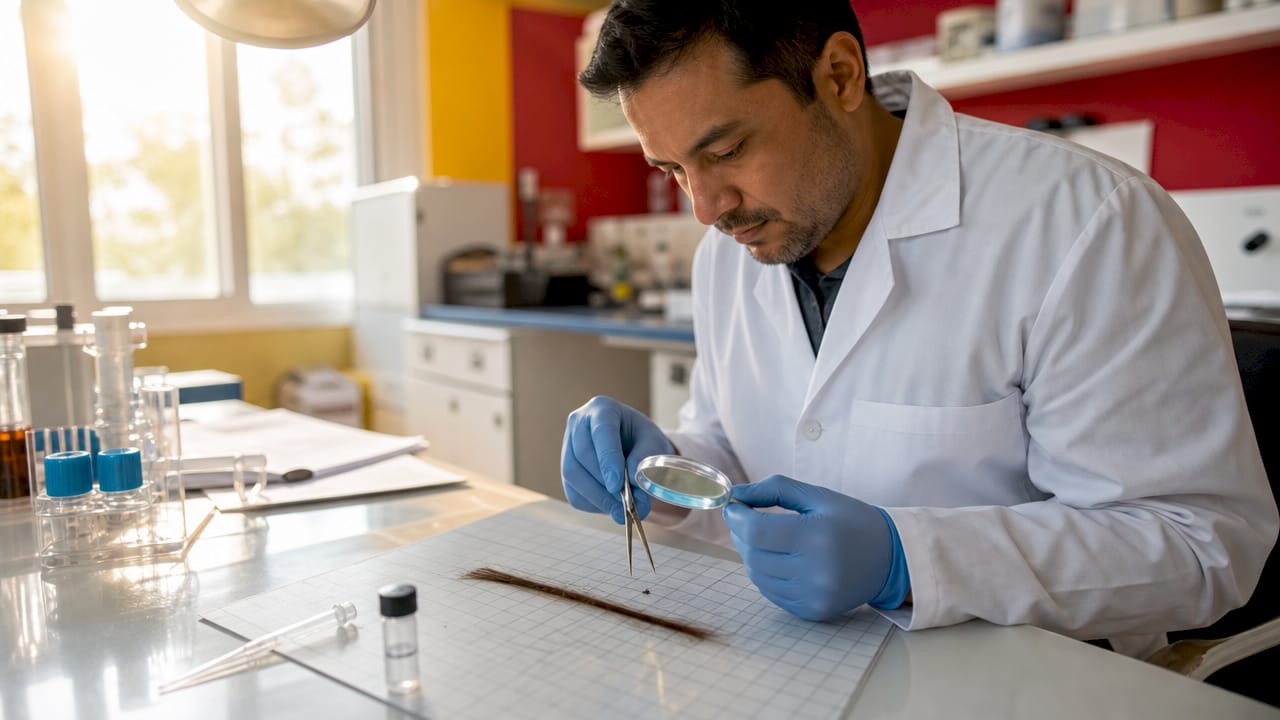

Segmental hair testing is a forensic drug detection method that divides a hair sample into measured segments to reconstruct a month-by-month timeline of drug use. Unlike a standard hair drug test, which delivers a single pass or fail result for a 90-day window, segmental hair analysis identifies when drug use occurred, not just whether it occurred. Labs use liquid chromatography-tandem mass spectrometry (LC-MS/MS) to quantify drug metabolites in each individual segment. If you are researching what is segmental hair testing because you have an upcoming test, understanding how this process works gives you a real advantage.
How does the segmental hair testing process work?
Segmental hair testing divides hair samples into 1cm segments, with each segment representing approximately one month of growth. That growth rate is the foundation of the entire method. A 3cm sample covers roughly three months; a 6cm sample covers about six months.
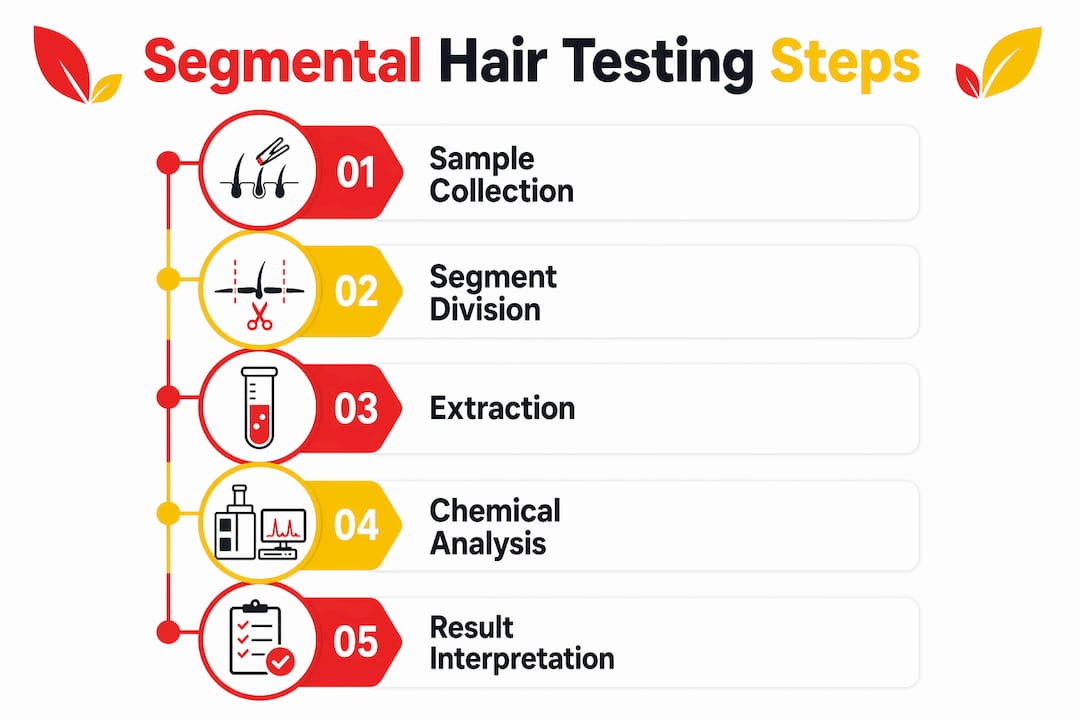
The process follows a clear sequence:
- Sample collection. A technician cuts a hair sample as close to the scalp as possible. The scalp end represents the most recent period of use. Labs typically require at least 100 milligrams of hair, which equals roughly 100 to 120 strands.
- Segmenting. The sample is cut into individual 1cm sections. Each section is labeled and processed separately to preserve the timeline.
- Washing. Each segment is washed to remove surface contaminants like sweat, smoke residue, or cosmetic products. This step is critical but imperfect.
- Digestion and extraction. The washed segments are dissolved in a solvent to release drug metabolites from the hair matrix.
- Screening and confirmation. Labs run an immunoassay screen first, then confirm positive results using LC-MS/MS analysis. This technique detects metabolites down to picogram per milligram concentrations.
- Quantification. Each segment receives a metabolite concentration reading measured in pg/mg. This number tells the lab how much of a drug metabolite was present during that specific month.
Standard hair tests often return results within 24 hours. Segmental testing takes longer because each segment requires individual preparation and analysis. That extra time also adds cost.
Pro Tip: Ask the lab for the raw quantification data for each segment, not just a positive or negative result. Those numbers tell a much more complete story, especially if you need to challenge the findings.
What scientific factors and challenges affect accuracy?
Segmental hair testing is powerful, but several biological and technical variables affect how reliable the results are.
- Hair color. Black hair absorbs up to 15 times more drug residue than ginger hair. This means two people who used the same amount of a drug can show very different metabolite concentrations based on melanin content alone. Labs must account for this or risk misrepresenting actual use levels.
- Growth rate variability. Hair does not grow at exactly 1cm per month for everyone. Age, health, and genetics all affect growth speed. This means the timeline a segment represents is an approximation, not a precise calendar date.
- Cosmetic treatments. Bleaching, dyeing, and chemical relaxers can degrade drug metabolites in hair. A heavily treated sample may show lower concentrations than the actual use history warrants.
- External contamination. Passive exposure to drug smoke or residue can deposit metabolites on the hair surface. Washing protocols aim to remove these contaminants, but no protocol fully eliminates surface residue. This is a known limitation in the field.
- Cut-off levels. Labs set minimum concentration thresholds to separate active use from passive exposure. Results below the cut-off are reported as negative. Understanding hair test cut-off values is critical for interpreting what a positive result actually means.
“Segmental hair test results represent quantitative measures of metabolite concentrations rather than simple positive or negative outcomes. That distinction requires nuanced analysis, not a checkbox verdict. In legal and custody contexts especially, presenting raw numbers without expert interpretation creates serious risks of misjudgment.”
Pro Tip: If your hair has been chemically treated recently, disclose that to the lab before testing. It directly affects how your results should be interpreted.
The combination of hair color bias, growth variability, and imperfect washing means segmental results are best understood as approximations. They narrow down a timeline, but they cannot pinpoint an exact date of use.
How does segmental testing compare with other drug testing methods?
Each drug testing method serves a different purpose. The right choice depends on what the tester needs to know.
Detection windows vary significantly by method. Saliva detects use from minutes to hours prior. Urine covers hours to a few days. Standard hair tests cover up to 90 days. Segmental hair analysis extends that window and breaks it into monthly intervals.
| Method | Detection window | Sample type | Relative cost | Best use case |
|---|---|---|---|---|
| Saliva | Minutes to hours | Oral fluid | Low | Roadside or on-site testing |
| Urine | Hours to a few days | Urine | Low to moderate | Workplace pre-employment |
| Standard hair | Up to 90 days | Hair | Moderate | General long-term screening |
| Segmental hair | Month-by-month history | Hair | High | Legal, forensic, safety-sensitive roles |
Segmental testing is significantly more expensive and time-consuming than standard hair tests. That cost is justified when the goal is a detailed historical record rather than a simple positive or negative answer.
Standard hair tests suit most workplace screening programs. Segmental analysis is the right tool when a court, employer, or investigator needs to know when drug use happened and whether it was a pattern or a single event. Safety-sensitive employers value segmental testing precisely because it reveals use patterns over time, which a urine test cannot provide.
One practical advantage of hair testing in general is resistance to tampering. You cannot substitute or dilute a hair sample the way you can with urine. That makes hair-based methods more reliable for high-stakes situations. For a broader look at how these methods compare, the drug testing methods guide at Passdrugtest covers the key differences in plain language.
What are the practical and legal applications in 2026?
Segmental hair analysis has moved well beyond the laboratory. Its applications now span criminal justice, family law, and workplace safety programs.
- Family Court. Segmental tests are used in child welfare and custody cases to assess a parent’s drug use history. The concern is that results are sometimes presented without qualified expert interpretation, which creates real risks of wrongful decisions.
- Safety-sensitive employment. Industries like aviation, transportation, and nuclear energy use segmental testing to verify that workers have maintained sobriety over extended periods, not just in the days before a test.
- Criminal investigations. Forensic labs use segmental analysis to correlate drug use with specific events or dates in a case timeline.
- Rehabilitation monitoring. Clinicians use segmental results to track whether a patient’s drug use is decreasing, stable, or increasing over months of treatment.
For individuals facing a segmental test in a legal context, these steps protect your interests:
- Request the raw quantification data for every segment, not just the summary report.
- Ask the lab to confirm which cut-off values were applied and why.
- Have a toxicologist or forensic expert review the results before they are presented in court.
- Disclose any cosmetic hair treatments, medical conditions, or medications that could affect metabolite levels.
Legal professionals are advised to treat segmental hair test results as one piece of evidence, not a definitive verdict. The science supports the method, but the interpretation requires expertise. Understanding how to decode hair test results is a skill that matters as much as the test itself.
Key Takeaways
Segmental hair testing provides a month-by-month drug use timeline through LC-MS/MS analysis of 1cm hair segments, but biological variability and imperfect washing protocols mean results require expert interpretation, not just a pass or fail reading.
| Point | Details |
|---|---|
| Core mechanism | Each 1cm hair segment represents roughly one month of drug use history. |
| Technology used | LC-MS/MS detects drug metabolites down to picogram per milligram concentrations. |
| Key accuracy limits | Hair color, growth rate, and cosmetic treatments all affect metabolite readings. |
| Legal caution | Raw quantification data and expert review are required before presenting results in court. |
| Cost vs. standard tests | Segmental testing costs more and takes longer than standard hair or urine tests. |
My honest take on segmental hair testing reliability
I have spent years watching people misunderstand what a hair drug test actually proves. Segmental testing raises that problem to a higher level. The method is genuinely impressive from a forensic standpoint. Breaking a hair sample into monthly windows and quantifying metabolites in each one gives investigators a tool that no urine or saliva test can match.
But the confidence people place in those results often outpaces what the science actually supports. A 1cm segment does not equal exactly one calendar month. Hair color creates concentration differences that have nothing to do with how much someone used. And the washing step, which is supposed to remove surface contamination, cannot fully do that job. These are not minor footnotes. They are structural limitations that affect every result.
What concerns me most is how segmental results get used in Family Court. A number on a lab report looks authoritative. Without a toxicologist explaining what that number means in context, a judge or attorney can draw the wrong conclusion entirely. The risk of misinterpretation in high-stakes settings is real and documented.
My advice: treat segmental hair test results as a strong indicator, not a certainty. Always request the raw data. Always get expert review. And if you are preparing for a hair follicle test of any kind, understand what the lab is actually measuring before you walk in.
— MIchael
Preparing for a hair follicle drug test
Facing a hair follicle drug test is stressful, especially when you understand how far back the detection window reaches. Whether you are dealing with a standard 90-day screen or a segmental analysis, preparation matters.
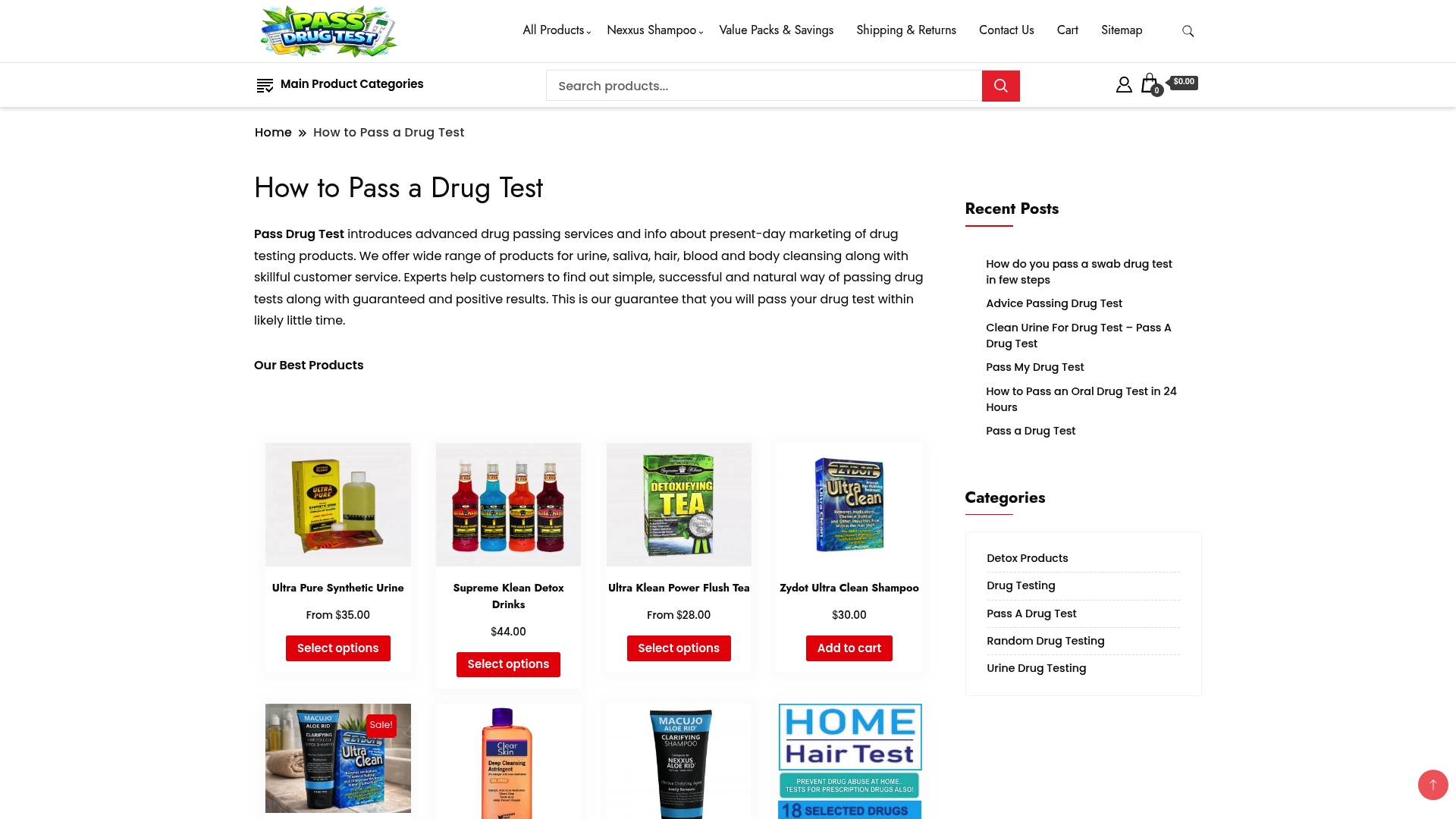
Passdrugtest carries a full range of hair follicle drug test shampoos and detox products designed specifically for people preparing for hair-based drug tests. The Macujo Aloe Rid Shampoo is the flagship product and is widely regarded as the best option for the Macujo Method, which remains the most proven hair detox strategy for passing a hair follicle drug test. Each product is selected for effectiveness and backed by real-world results. If you want to understand your options and choose the right preparation plan, Passdrugtest has the products and the information to help you move forward with confidence.
FAQ
What is segmental hair testing used for?
Segmental hair testing is used to reconstruct a month-by-month timeline of drug use. It is most common in forensic investigations, Family Court cases, and safety-sensitive employment screening.
How far back does segmental hair testing detect drug use?
Detection range depends on hair length. Each 1cm of hair represents roughly one month, so a 6cm sample covers approximately six months of history.
Is segmental hair testing more accurate than a standard hair test?
Segmental testing provides more detailed timing information, but accuracy depends on proper lab protocols and expert interpretation. Hair color and growth variability affect results for both methods.
Can cosmetic hair treatments affect segmental test results?
Yes. Bleaching, dyeing, and chemical relaxers can degrade drug metabolites in hair, potentially lowering concentration readings and affecting how results are interpreted.
How should I prepare if I face a segmental hair drug test?
Request the raw quantification data from the lab, confirm which cut-off values apply, and have a qualified toxicologist review the results. If you are preparing in advance, explore hair detox options designed for long-term THC detection scenarios.