
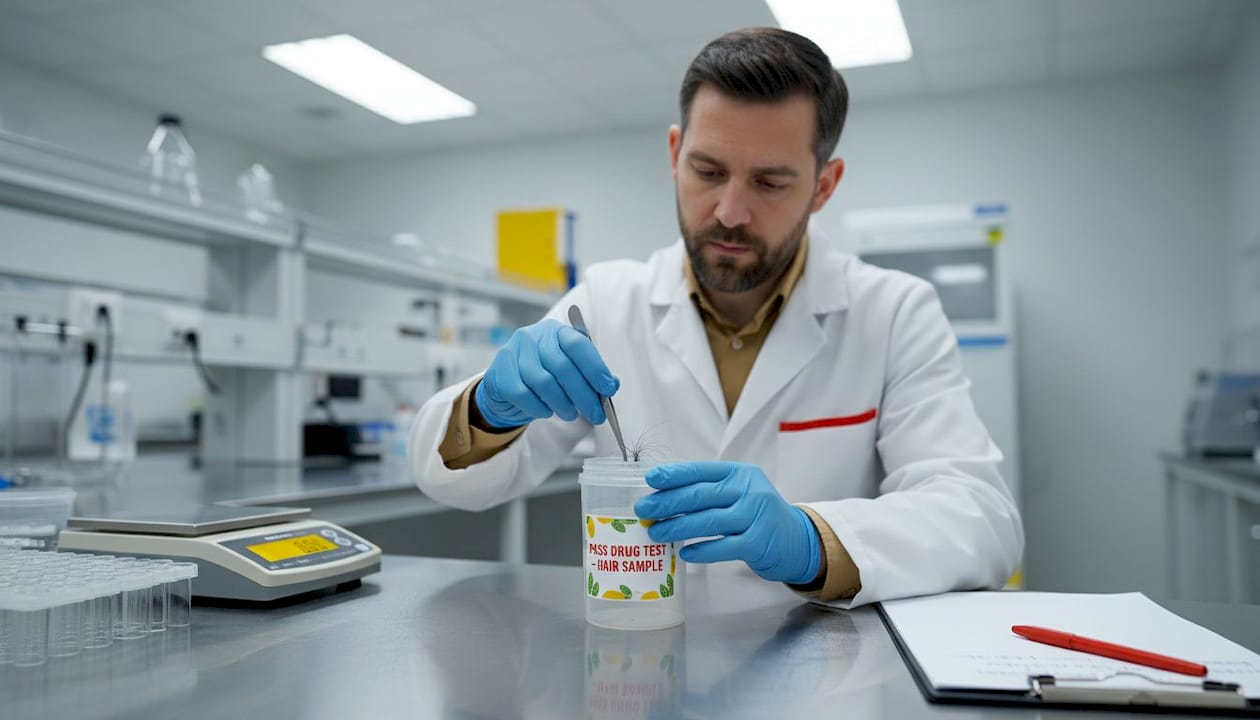

A failed hair follicle drug test can cost you a job offer, a promotion, or even your current position. That’s real stress with real consequences. If you’re facing an upcoming hair drug test and you use marijuana, you need accurate, honest information about how these tests work, what methods people actually attempt, and what genuinely matters when it comes to minimizing your risk. This guide walks you through detection science, preparation steps, common mistakes, and proven strategies, balancing popular claims with scientific facts and safety warnings so you can make the most informed decisions possible.
Table of Contents
- Understanding how hair drug tests detect marijuana
- What you need before detox: Tools, risks, and prerequisites
- Step-by-step: How to attempt minimizing drug detection in hair
- What works, what fails: Common mistakes and unreliable shortcuts
- Why you should refocus on smart risk management, not magic fixes
- Get the right help: Personalized solutions for passing hair drug tests
- Frequently asked questions
Key Takeaways
| Point | Details |
|---|---|
| Long detection window | THC stays detectable in hair for up to 90+ days, especially with frequent use. |
| Testing is tamper-resistant | Lab hair tests have safeguards that make surface-level products unreliable. |
| No magic solution | There’s no guaranteed product or method to fully erase drug traces from hair. |
| Health risks exist | Some aggressive ‘detox’ methods can harm your hair and scalp. |
| Preparation matters | Staying informed and starting early gives you the best shot at passing. |
Understanding how hair drug tests detect marijuana
With that context, let’s break down how hair drug tests zero in on drug use and why most internet myths fall short.
Hair follicle testing is one of the most accurate and hardest to fool drug screening methods available. When you use marijuana, THC enters your bloodstream. Your body then processes it into metabolites, primarily THC-COOH. These metabolites travel through small blood vessels into your scalp and get incorporated directly into your hair shaft as it grows. Since human hair grows roughly half an inch per month, a standard 1.5-inch hair sample represents approximately 90 days of use.
Detection windows vary significantly depending on how much you use. As a general framework, detection varies by usage: light or occasional users may test positive for 30 to 60 days, moderate users from 60 to 90 days, and heavy or chronic users for 90 days or more. A single use may actually fall below laboratory cutoff levels. This is important because labs don’t just look for any trace of metabolites. They apply specific cutoff thresholds.
| Usage Pattern | Approximate Detection Window | Risk Level |
|---|---|---|
| Single or rare use | May fall below cutoffs | Lower |
| Occasional (1-3x/week) | 30 to 60 days | Moderate |
| Moderate (4-6x/week) | 60 to 90 days | High |
| Heavy/daily use | 90 days or more | Very high |
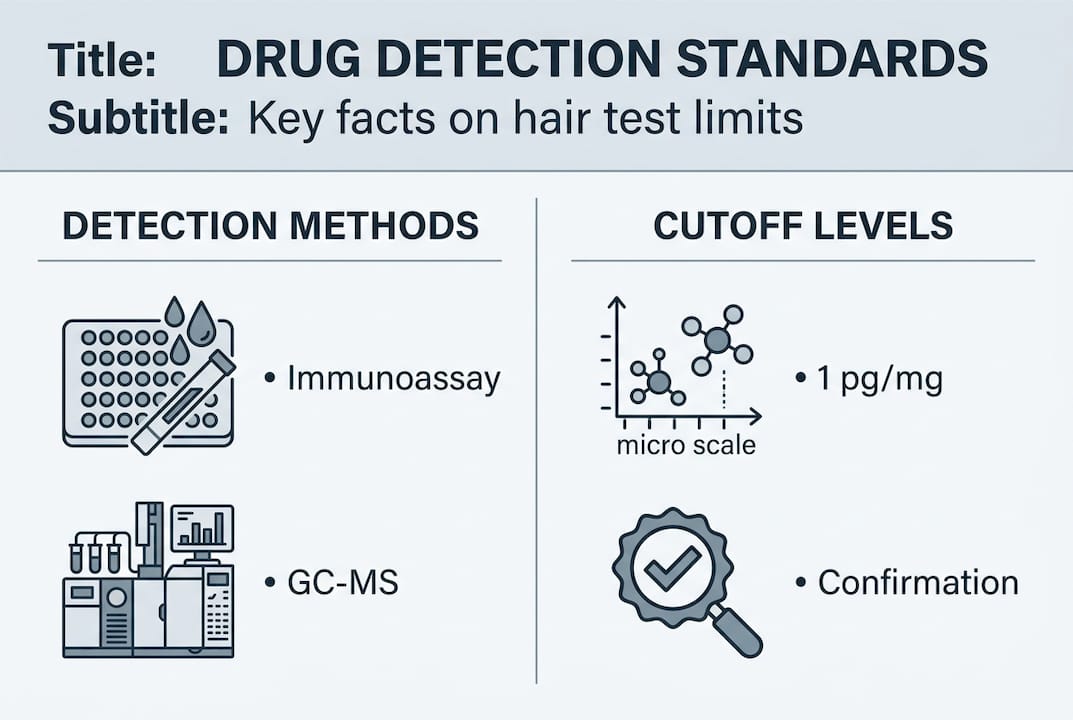
The standard cutoff for initial immunoassay screening is 1 pg/mg of hair, with GC-MS confirmation at the same threshold. This matters because labs run two separate tests. First, they run a broad immunoassay screen. If that comes back positive, they follow up with GC-MS confirmation, a highly precise chemical analysis that’s almost impossible to fool through surface treatments. Labs also wash hair samples before testing specifically to remove any external contamination, which means simply applying a substance to the outside of your hair won’t remove metabolites embedded inside the shaft.
Understanding the detection window basics is the foundation of any honest strategy. The key takeaway is this: what drives detection isn’t one big session, it’s consistent patterns of use. Heavy daily users face a fundamentally different situation than someone who used once or twice months ago. Knowing where you fall in that spectrum shapes every decision that follows. For a detailed breakdown specific to your situation, the THC hair test guide covers the 90-day window comprehensively.
What you need before detox: Tools, risks, and prerequisites
Now that you know how testing works, let’s talk about what you’ll need and what you’re really getting into before you try to cleanse your hair.
Preparation matters more than most people expect. Going into any detox attempt without the right supplies, realistic expectations, or awareness of the risks is a recipe for wasted money or worse, actual physical harm. Before you do anything, be honest with yourself about how much time you have before the test, how frequently you’ve been using, and what your health situation looks like.
Essential supplies for a hair detox attempt typically include:
- A specialized detox shampoo such as Old Style Aloe Toxin Rid or Zydot Ultra Clean
- Protective gloves, especially if using acidic or astringent products
- A pH-balanced conditioner to restore hair health after treatments
- A timer or checklist to track wash cycles accurately
- A shower cap to keep treatments on the hair during soak periods
Detox shampoos like Old Style Aloe Toxin Rid and Zydot Ultra Clean are heavily marketed with user anecdotes of success, often referencing multi-day wash protocols with 10 to 15 cycles. However, these products lack peer-reviewed empirical evidence. They may reduce surface residues, but their ability to remove internal metabolites from inside the hair shaft remains scientifically unverified. That doesn’t mean people don’t use them. It means you should go in with clear expectations.
“Success stories online often come from people who had lighter use patterns or who stopped using well before the test. Attributing a pass purely to a shampoo without controlling for those factors is a classic mistake.”
Here’s a direct comparison of commonly discussed approaches:
| Method | Invasiveness | Common Risks | Evidence Level |
|---|---|---|---|
| Clarifying shampoo only | Low | Minimal | Very weak |
| Specialized detox shampoo | Moderate | Scalp dryness, irritation | Weak/anecdotal |
| Macujo method | High | Scalp burns, significant hair damage | Anecdotal |
| Bleaching/dyeing | Very high | Sample rejection, severe hair damage | Inconsistent |
Aggressive methods like Macujo combine vinegar, salicylic acid, detergent, and repeated detox shampoo applications. These cycles risk scalp burns, severe dryness, and long-term hair damage. No controlled scientific studies confirm their effectiveness. The fact that they’re uncomfortable doesn’t make them work better. It just means the side effects are more serious.
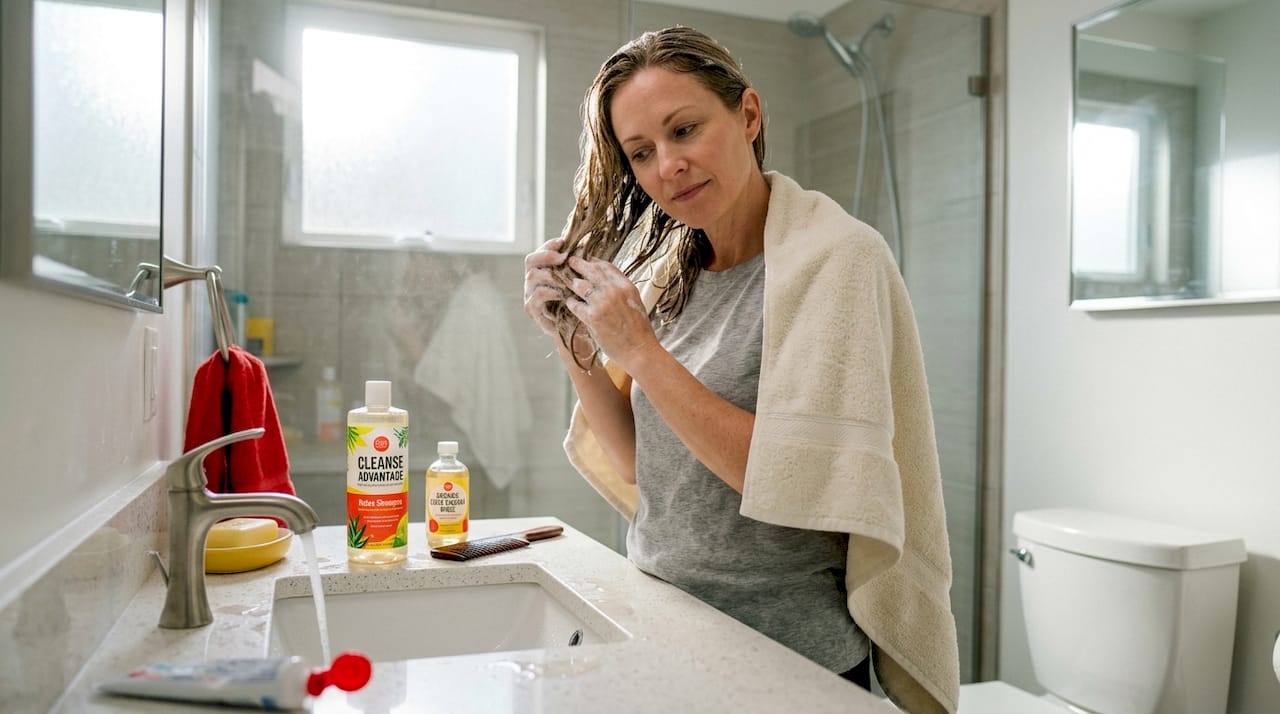
Pro Tip: Before starting any multi-step wash protocol, do a patch test on a small area of your scalp. If you experience burning or significant irritation, stop immediately and consult a dermatologist before continuing.
Don’t ignore debunking hair test myths before you commit money or time to any specific protocol. Understanding what doesn’t work saves you from costly, potentially harmful mistakes.
Step-by-step: How to attempt minimizing drug detection in hair
Once you’re set up and know the risks, here’s how to proceed, as safely and realistically as possible.
There’s no shortcut that comes without trade-offs. The most effective strategy combines abstinence, time, and smart preparation. Here’s a realistic progression from least to most invasive.
-
Stop using immediately. This is the single most impactful step you can take. Every day of abstinence works in your favor by preventing new metabolites from being incorporated into hair growth.
-
Establish a consistent washing routine. Begin washing your hair daily with a quality clarifying shampoo. This removes surface buildup and oils without risking damage. It won’t remove internal metabolites, but it clears the field before you add anything else.
-
Introduce a specialized detox shampoo. Products like Old Style Aloe Toxin Rid are formulated to penetrate the hair shaft more deeply than standard shampoos. Apply according to instructions, let it sit for the recommended time, and rinse thoroughly. Repeat daily for as many days as your timeline allows.
-
Consider Zydot Ultra Clean on test day. This is often recommended as a final step. Use it the morning of your test after completing your full wash protocol. It targets any remaining residues and prepares the hair shaft.
-
If you choose to attempt the Macujo method, do so with extreme caution. This involves applying white vinegar to the hair, letting it sit, then applying Clean and Clear Deep Cleaning Astringent (which contains salicylic acid), followed by washing with a specialized detox shampoo. Each complete cycle takes about an hour. People report doing 7 to 15 cycles over several days. The risks are real. Scalp burning, open sores, and significant hair loss have all been reported.
-
Avoid bleaching as a primary strategy. While bleaching may lower metabolite levels, no high-quality scientific studies validate these products for evading tests. Bleached hair is also easier for labs to flag and may result in sample rejection, which can trigger automatic failure under many employer policies.
People researching detox drinks and methods for hair tests often underestimate how different hair testing is from urine testing. The same logic simply doesn’t apply, and products designed for urine detox won’t affect what’s inside your hair shaft.
Pro Tip: If your test is more than 90 days away and you stop using now, your risk drops dramatically regardless of any other steps you take. Time combined with abstinence is the most reliable approach available.
There’s also a workplace drug test guide worth reading that emphasizes exactly this point: no product or method offers a guarantee, and prioritizing your health over unproven claims is always the smarter move.
What works, what fails: Common mistakes and unreliable shortcuts
Even with the best intentions, it’s easy to go wrong. Here’s what not to do and why some popular shortcuts fail.
The internet is full of confident advice about passing hair drug tests, and most of it is either oversimplified or outright wrong. Understanding the failure points saves you real time and money.
Common mistakes people make include:
- Relying on a single wash with a detox shampoo the night before the test
- Using bleach or dye and assuming metabolites are gone
- Shaving their head and hoping body hair is substituted, only to find body hair growth cycles are actually longer and can reflect even older use
- Over-washing to the point of damaging the scalp, which can make the hair more brittle and less suitable as a sample
Bleaching or dyeing may lower metabolite levels but damages hair, risks sample rejection, and produces inconsistent results. Labs are trained to evaluate sample quality. Severely damaged hair can lead to an inconclusive result, which many employers treat the same as a positive.
“Light users have a meaningfully better chance of falling below detection cutoffs than heavy users, regardless of what detox method they attempt.”
This is supported by the fact that tests prioritize patterns of use over single incidents. If you’re a light user who stopped well before the test window, your odds are significantly better than a daily user who stopped recently.
What actually moves the needle in your favor:
- Stopping use as early as possible
- Giving your body maximum time to stop incorporating metabolites into new hair growth
- Using a quality detox shampoo protocol consistently over multiple days, not as a one-time fix
- Going into the test informed rather than desperate
The resources at what works and what fails offer practical, real-world context on this. Similarly, the breakdown of non-invasive hair test myths challenges a lot of what circulates on forums and social media.
Cutting your hair very short is another myth worth addressing. Labs require a minimum sample length. If your hair is too short, they can take body hair instead. Body hair has a longer growth cycle and can reflect drug use further back than 90 days. This is not a workaround. It can actually work against you.
Why you should refocus on smart risk management, not magic fixes
Let’s take a hard look at what all these approaches really mean for your goals.
We’ve seen a lot of people come to us in panic mode, looking for a miracle product to solve a problem they’ve had weeks or months to address. The hard truth is that no shampoo, no method, and no quick fix has been scientifically proven to reliably remove drug metabolites from inside the hair shaft. That’s not pessimism. It’s the honest reality you deserve to hear before you spend money or damage your hair.
What actually works is a combination of time, abstinence, and informed preparation. If you have 90 or more days before your test and stop using now, your odds improve dramatically. If you have less time, a quality detox shampoo protocol is worth attempting, but go in knowing it’s not guaranteed. Adjust your consumption patterns, manage your timeline realistically, and protect your health throughout the process.
The better passing strategies aren’t secret formulas. They’re disciplined, realistic approaches that account for your specific usage history and test timeline. Treat this as part of a broader smart decision, not a last-minute scramble.
Get the right help: Personalized solutions for passing hair drug tests
If you’re ready to act now or need expert help, here’s how to take the next step.
When preparation time is short and the stakes are high, having the right products in your corner matters. Our store carries expert-vetted drug test detox products designed specifically for people facing hair follicle testing, including the Macujo Aloe Rid Shampoo, the best-in-class option for multi-day detox protocols.
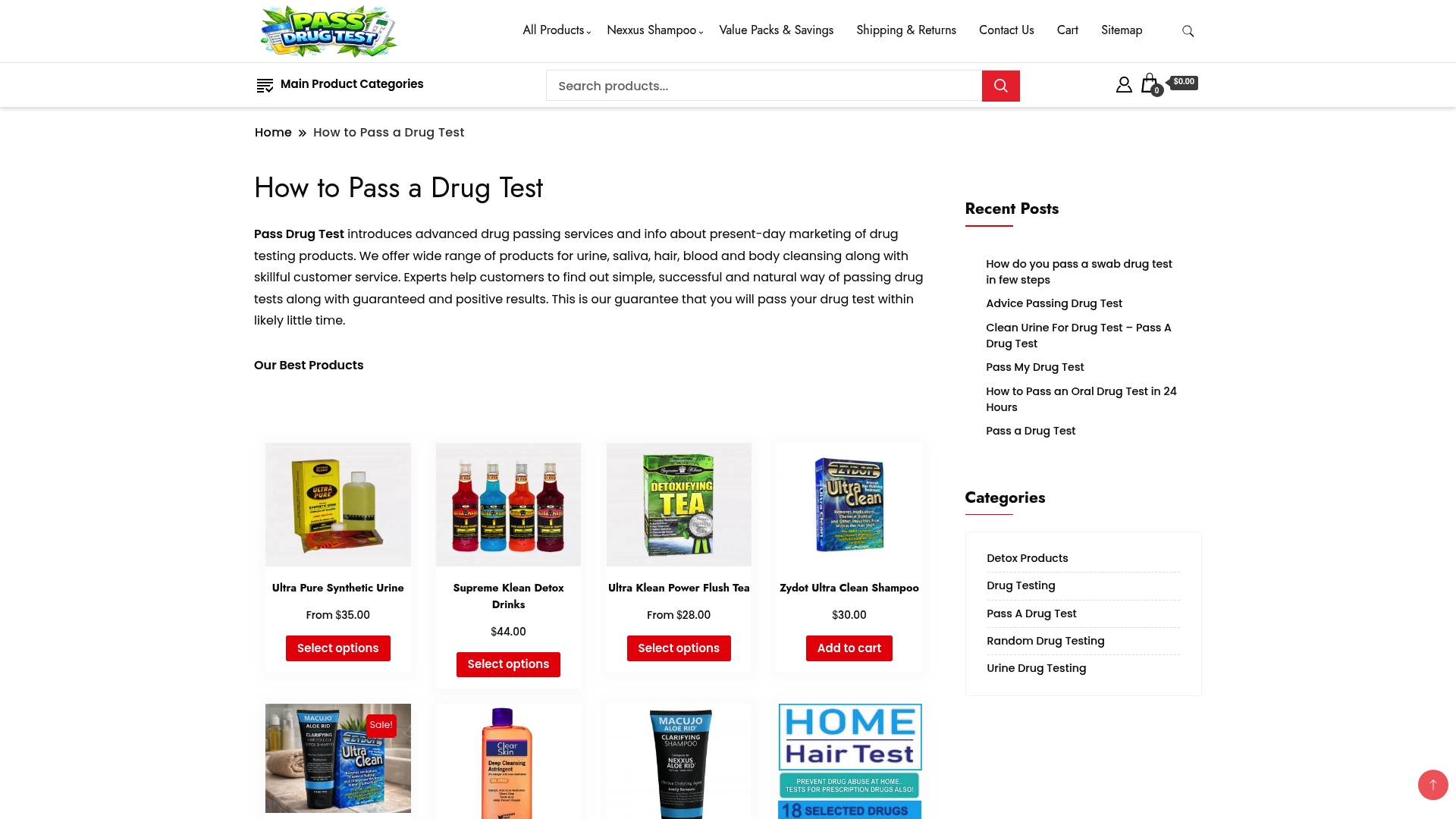
Whether you’re just starting your research or you’re days away from your test, our hair follicle drug test shampoo page has the detailed product information you need to make the right call. For a full strategy walkthrough tailored to your situation, visit our guide on how to pass a hair follicle test. We’re here to help you prepare as effectively as possible.
Frequently asked questions
How long before a hair follicle drug test should I stop using marijuana?
For the greatest chance of passing, stop at least 90 days before the test, since heavy users can test positive for 90 days or more based on their usage patterns. The earlier you stop, the better your position.
Do detox shampoos guarantee passing a hair drug test?
No detox shampoo is guaranteed, and no scientific studies validate detox products as a reliable method for removing drug metabolites from inside the hair shaft. User anecdotes exist, but peer-reviewed proof does not.
Can I remove THC from hair by bleaching or dyeing?
Bleaching or dyeing can damage your hair and cause sample rejection by labs but is not a consistent or reliable method for removing THC metabolites from inside the hair.
Are there safe, proven methods for passing a hair drug test?
Abstaining well before your test is the only approach with a reliable scientific basis. All other methods carry health risks and no guaranteed outcomes, making informed preparation and timing your strongest tools.